There goes the neighborhood

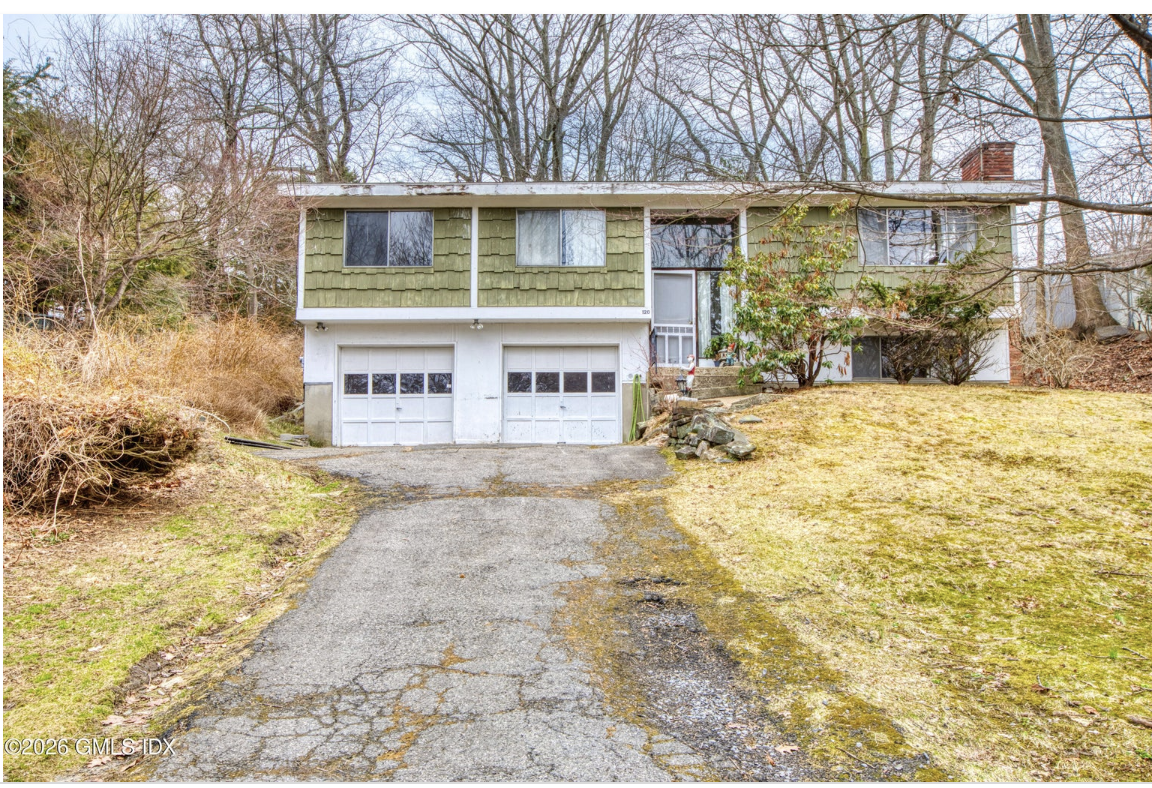
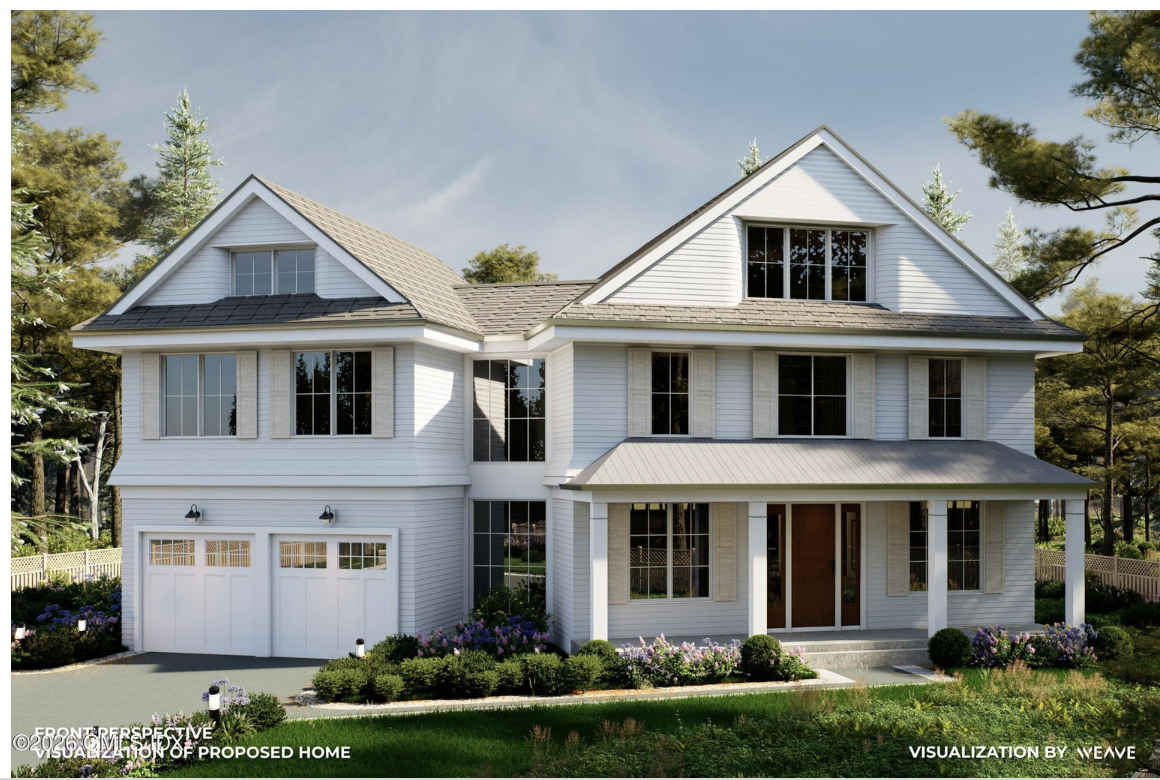
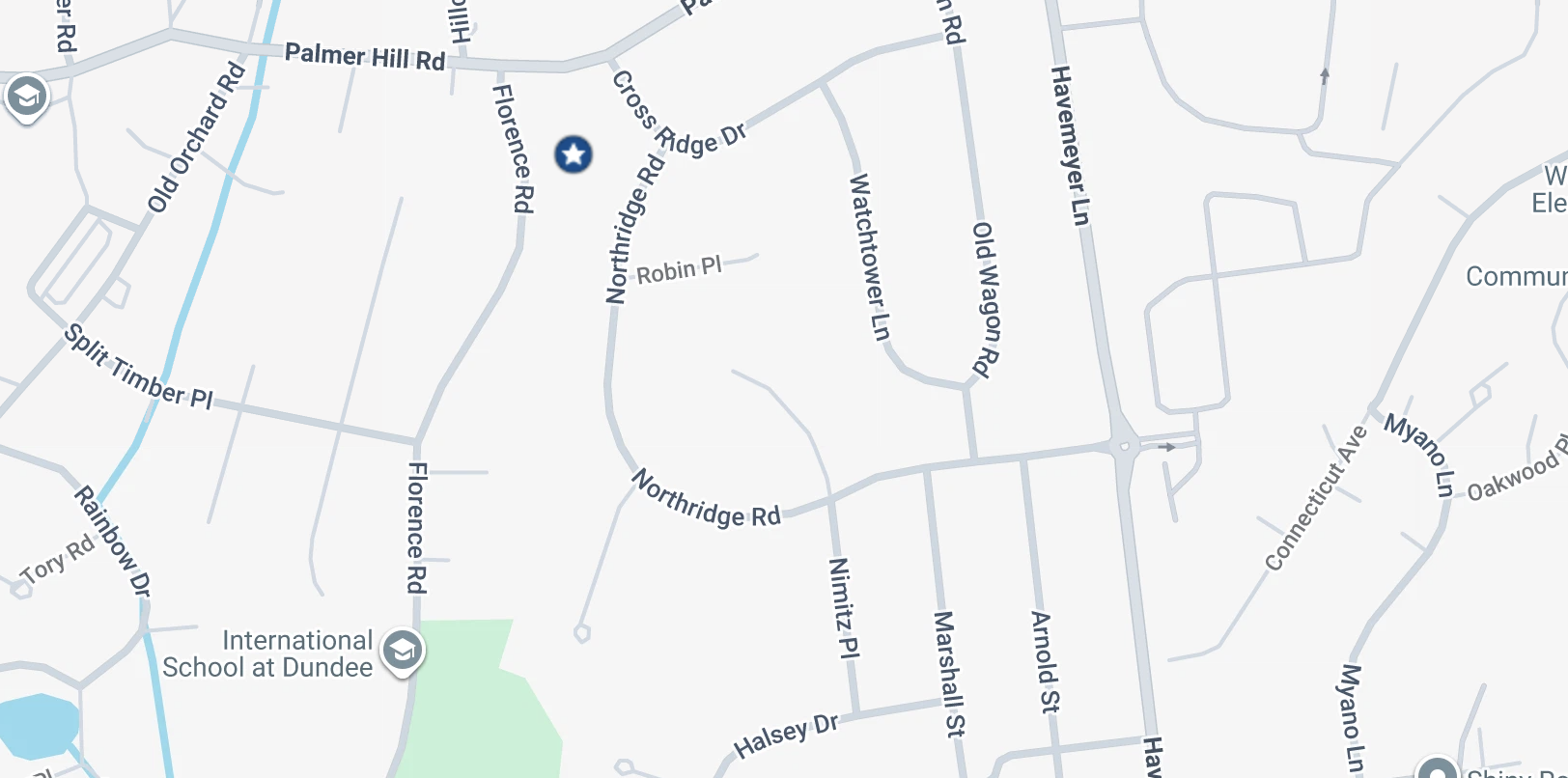
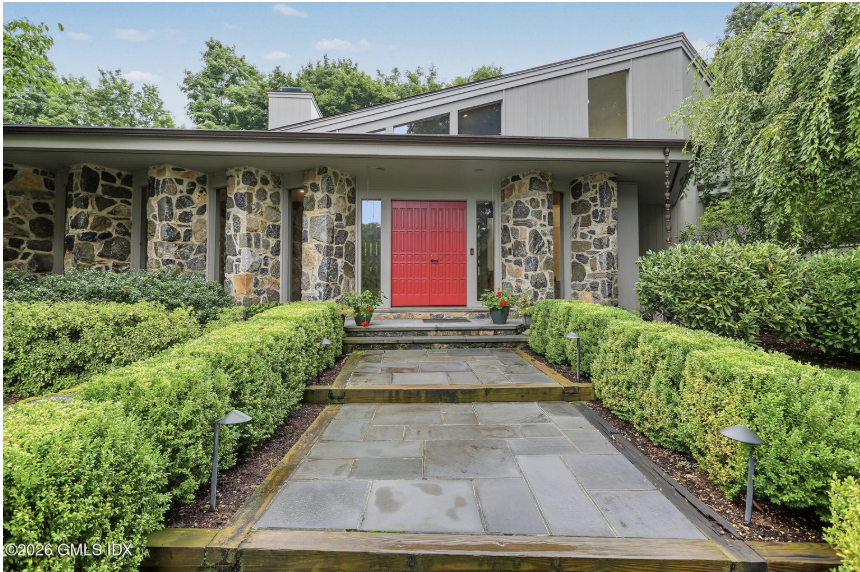
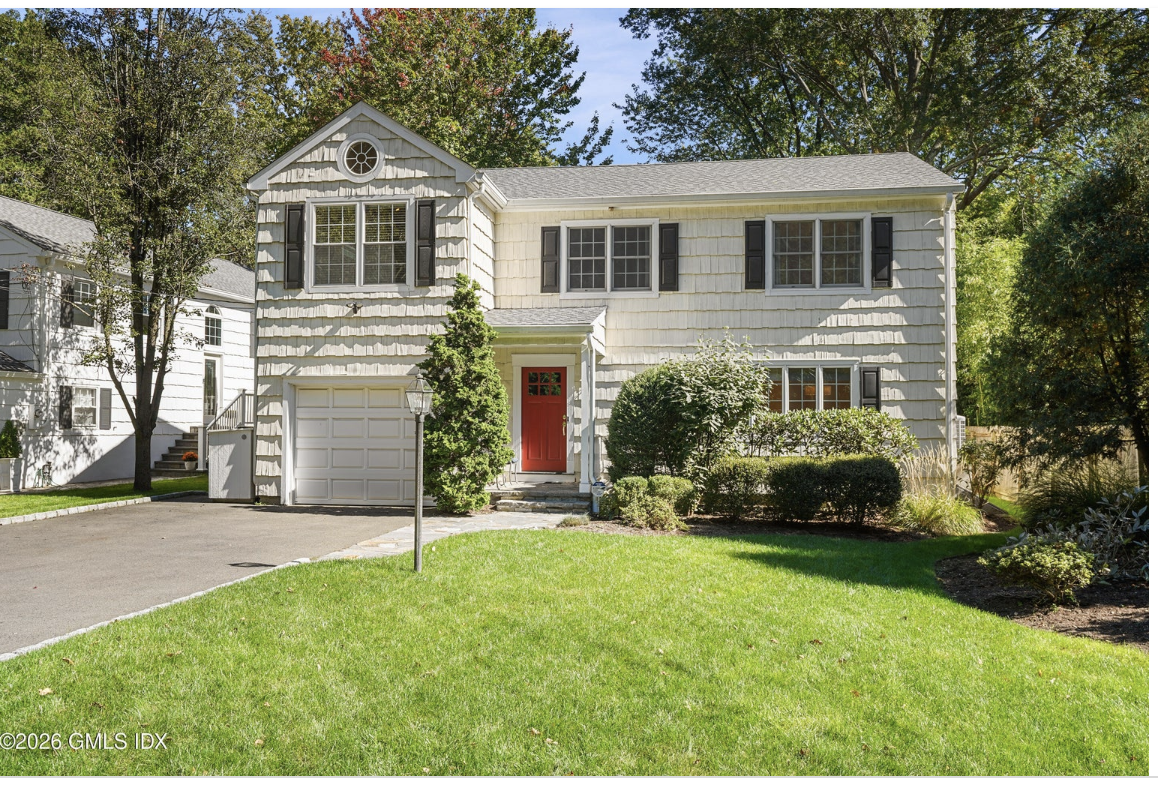
120 Florence Road, smack in heart of NoPo, sold to a builder last June for $1.280 million (ask was $1.025), and now he’s put it up while its still being built – if he’s even started yet — for $4.195 million. He’ll probably get it, but it’s interesting to see the transformation of this 1963 development that was put up just down the hill from the 1950s Havemeyer Park. I’ve had a number of friends who lived in the original homes, and it’s a nice neighborhood and generally — this one was an estate sale* — well maintained. But that was then, and the market has moved onward, and, obviously, upward.

* A very nice obituary of the owner, who died this past January at age 95, can be found here. Nothing spectacular about her life in the sense of fame and fortune, but a loving woman who was loved in return by her husband, her children and grandchildren. There are still some very nice people in Riverside (I assume), but the days when a school cafeteria worker could afford a house and raise a family here are long gone. Hell, even mid-level bankers and lawyers were priced out decades ago, but those (we) weren’t much of a loss.

Realtorese

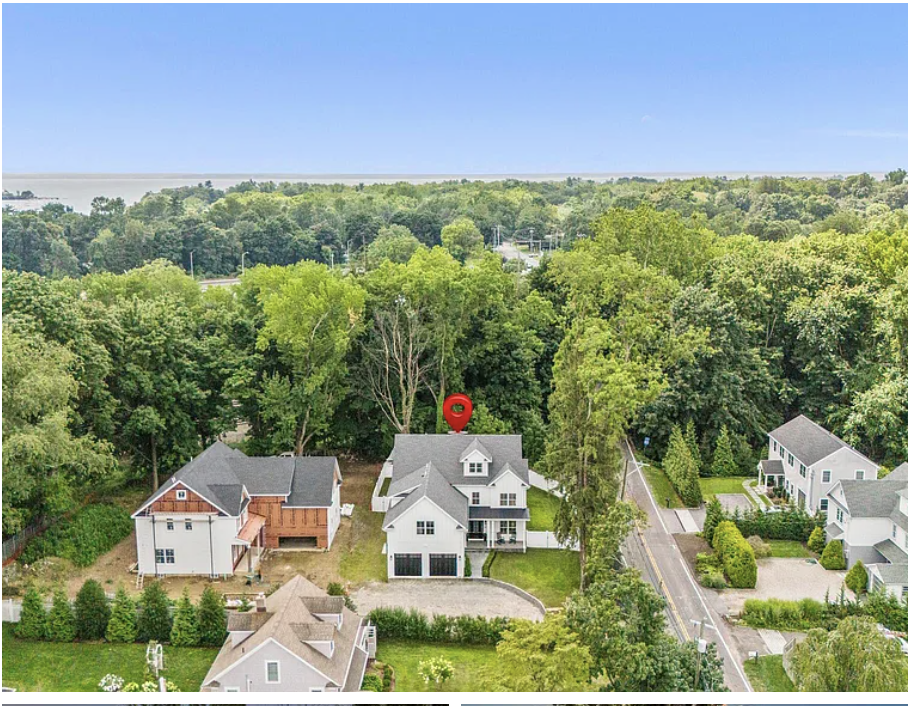
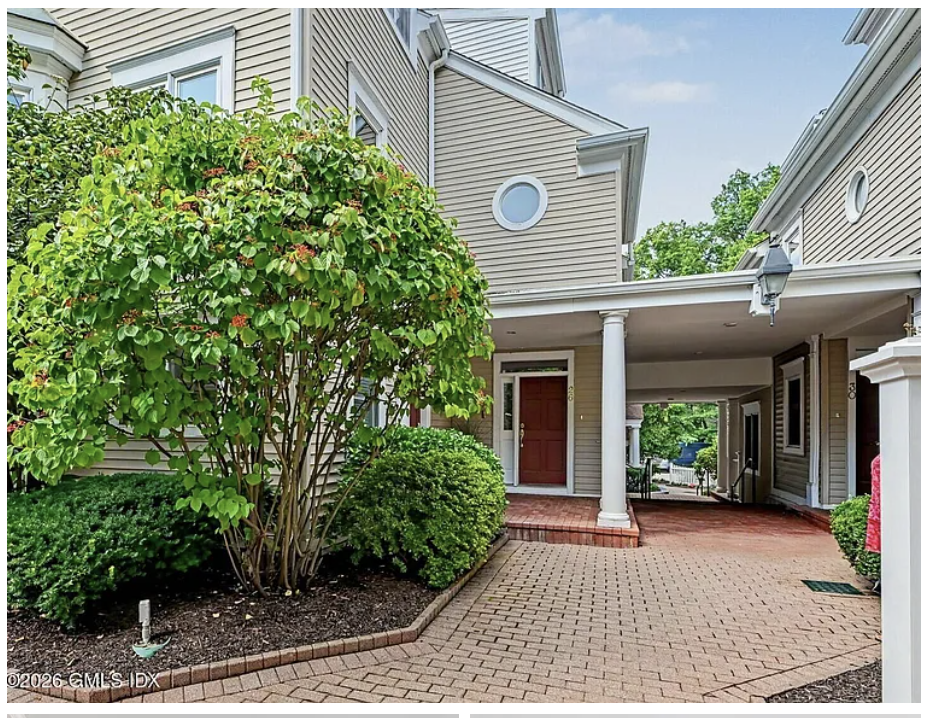
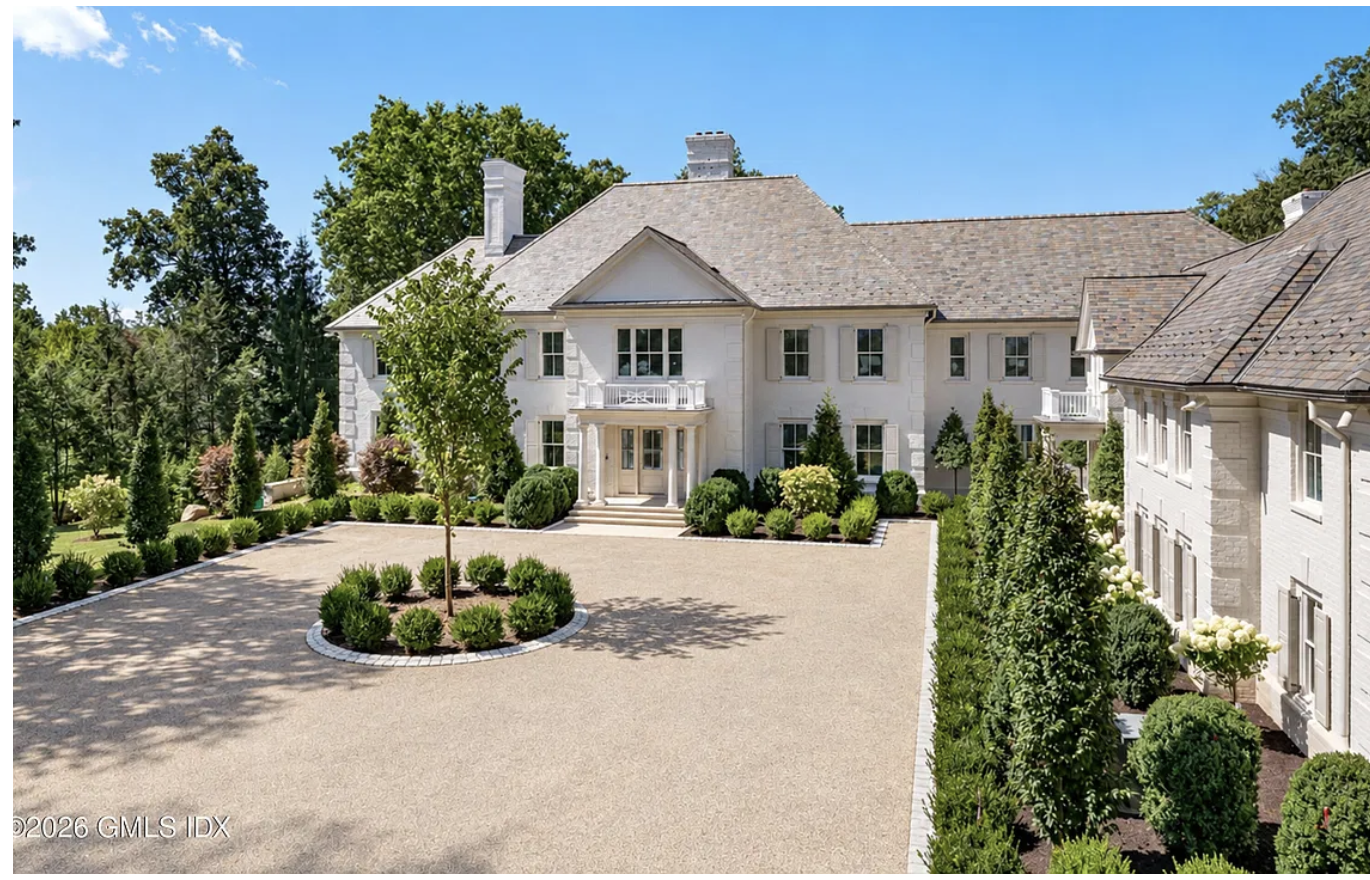
After being listed back in August at $3.495 million, 89 Indian Field Road finally took a price cut today and its builder will now gladly accept just $2.995 million.

I’m sure it’s a very nice house, but while wading through the (many, many) paragraphs of the listing’s description* I came across a term I haven’t encountered before: “Curated designer details”. That’s a new one on me, so I put it to ChatGTP, and even the computer wasn’t impressed:

Q: I've been in the residential real estate racket for quite a few years, but haven't seen the phrase "curated designer details" before. What, if anything, is this listing agent trying to say?

A: “Curated designer details” is mostly listing-agent dialect for “we chose some finishes we think look nice.”

Breaking down the euphemisms:

  • Curated = selected, rather than accumulated accidentally. It suggests somebody exercised taste and restraint.

  • Designer = intended to imply elevated, fashionable, or professionally selected. It does not necessarily mean an interior designer was involved, much less a notable one.

  • Details = deliberately vague. Could mean anything from custom millwork and unusual hardware to trendy light fixtures, faucets, wallpaper, or cabinet pulls.

Put together, I'd translate it as:

“The house contains decorative finishes and fixtures that were deliberately chosen to give it an upscale/design-conscious appearance.”

What's conspicuously absent is anything objectively meaningful: custom, bespoke, architect-designed, designer-specified, imported, original, handcrafted, or even the name of an actual designer or manufacturer.

So if I encountered “curated designer details” in a listing, I wouldn't infer anything about quality or cost. I'd expect the photos or subsequent copy to tell me whether we're talking about Waterworks plumbing and custom cabinetry—or somebody had a productive afternoon at West Elm.

It is, however, an impressively efficient concentration of real-estate-adjective energy.

*LIke so:

“Beautifully designed and thoughtfully finished, this exceptional New home blends sophisticated style with modern comfort and effortless everyday living. From the moment you enter, wide-plank French oak floors, 9-foot ceilings, Andersen windows, and curated designer details create a warm yet elevated atmosphere. The dining room and office make a statement with rich color-drenched finishes, while custom lighting, polished chrome hardware, and refined millwork carry a cohesive aesthetic throughout. At the heart of the home, the kitchen is both striking and functional, featuring quartz countertops and backsplash, soft-close cabinetry, under-cabinet lighting, and high-end Thermador appliances with separate refrigerator and freezer towers. Antique brass accents add warmth to the space ….”

Blah, blah blah — at least she didn’t mention its “coveted neighborhood”, “professional chef’s kitchen”, or it’s “traditional design reinvented for today’s modern lifestyle”.

Prices at Old Greenwich Gables have certainly gone up

51 Forest Avenue, listed at $1.995 million, sold in six days for $2,507,000. The buyers came from Garden City so it’s no wonder they’d pay a premium to escape, but I showed, even sold a number of these units back when they traded in the $350-$475,000 range, so this number is impressive.

But this one is a three-bedroom unit, relatively rare, and all traces of the cheap Arthur Collins finishes and hardware have been erased. I always thought it a shame that Collins built such a shoddy project on a great location: one can literally stroll down a walkway to the Old Greenwich railroad station, Binney Park, Old Greenwich Civic Center, Perot Library and the Village itself are all just a short distance by foot. Gradually, however, the units have been improved, the crumbling brick facade repaired, and things look pretty good here now.

Speaking of predictions, some are better than others

InstaPundit:

OLD AND BUSTED: Snowfalls are now just a thing of the past.

—The London Independent, March 20th, 2000.

The New Hotness? Elon Now Facing the Possibility That SpaceX Will Never Get Starship Working.

—Futurism, July 22nd, 2025.

A Shining Welfare City Under the Arch; what could go wrong?

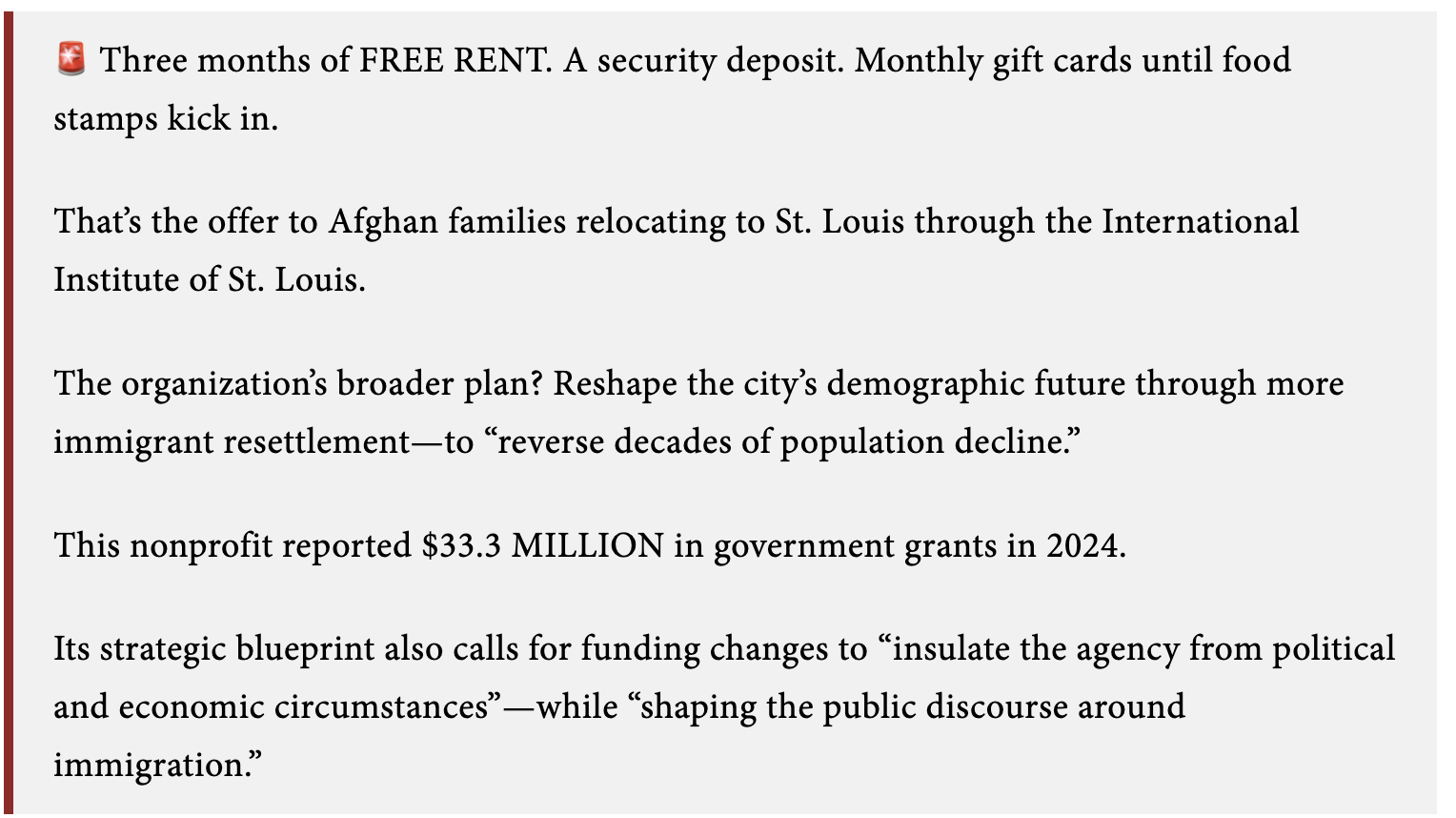
Saint Louis NGO: Let's Become 'Little Kabul'

David Strom:

Saint Louis has been losing population for decades, and the City "Birthing Persons" have been rightly worried that they need to find a way to reverse the hollowing out. 

The solution they have latched onto is to become 'Little Kabul' by luring in Afghan migrants and other "diverse" populations to replace the native-born Americans who have been leaving. 

It's an interesting plan for many reasons, not just the most obvious one: it is insane. Common sense tells you that making massive, abrupt demographic changes, even if the cultures involved are largely compatible, is a recipe for trouble. 

And common sense should tell you that importing more people who, by your own plan, will be clients for welfare and other services will not strengthen your city but will financially strain or bankrupt it. 

And common sense says that importing large numbers of people from a wildly different culture that rejects Western values is a recipe for disaster. 

Yes, but if you run an NGO that gets tens of millions of dollars from the government to serve "clients," connect them to welfare, and "welcome" refugees, this sounds like a gold mine. 

The International Institute of Saint Louis has produced a plan that proposes to implement a massive demographic shift to the City of Saint Louis. The stated goal is to boost the population and make it more diverse because, after all, "diversity is our strength," and the mechanism is to throw tons of government and NGO benefits at newcomers to make Saint Louis a magnet for foreigners. 

….

The goal is obvious: replace a recalcitrant population that already dislikes the direction the city is taking with a population that will be client-dependent on the city government and the NGOs that will serve them. 

It's a bold strategy. Replace the population with a more malleable one, and call it success. 

The International Institute is doing what institutions always do: view every problem through the lens of their own institutional interest. It is almost an iron law that no matter what the stated goal or original intent of a structure is/was, its true purpose over time is to grow and perpetuate itself, and what better way for the Institute to do so than import a new population to Saint Louis that is utterly dependent on government and NGO benefits?

There's all the usual blather about the importance of diversity, how new immigrants will lead to blossoming prosperity, and of course about how this will make Missouri the envy of every other NGO-heavy Blue region, but once you dig into the details, it's clear that the only prosperity resulting from this plan will be for the Immigrant industrial complex.

After all, you don't build prosperity by luring people in with free rent and free food, plus help hooking them up with government benefits. That's a recipe for draining the public purse, not refilling it. 

The focus is on attracting Afghans, not because Afghans are especially known as a high-skill workforce, but because the Institute has a program focused on them. It's something they already do well, so let's put more money into an existing program and call it "revitalization."

The plan is to betray the population of the region, shut them out of the planning by "insulating" the decision-makers from backlash, and ultimately replace the current citizenry with a class of clients who depend on the elite. 

It's a technocrat's dream. 

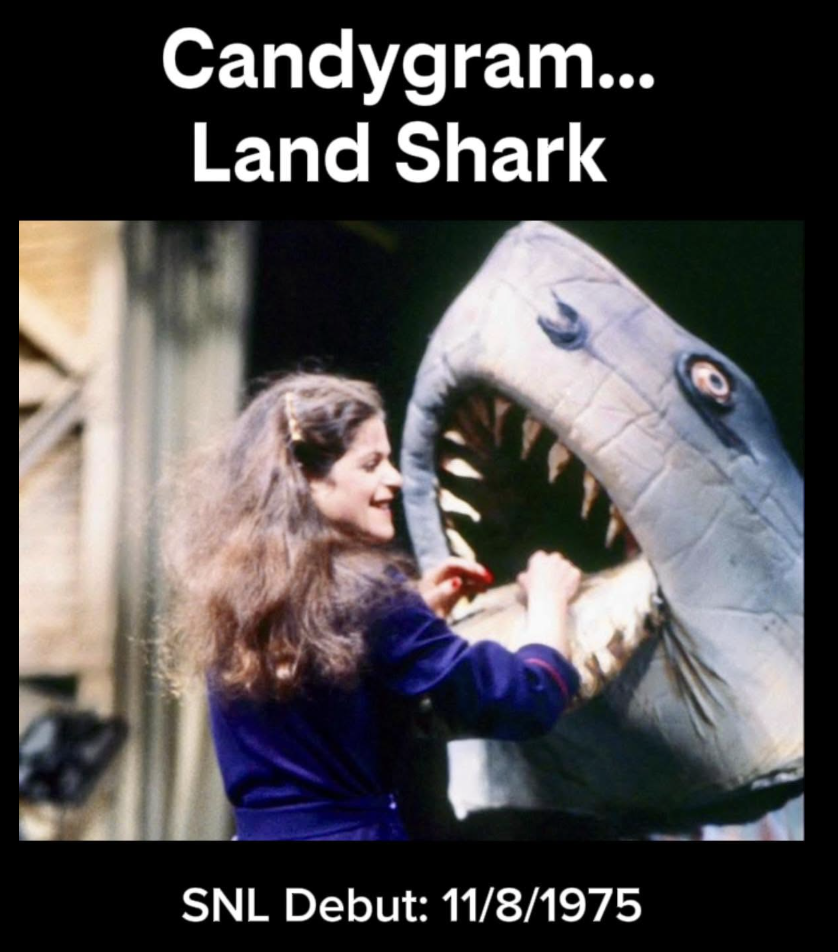
Okay, these clips all look ancient, but they're still fun

Hello, World!