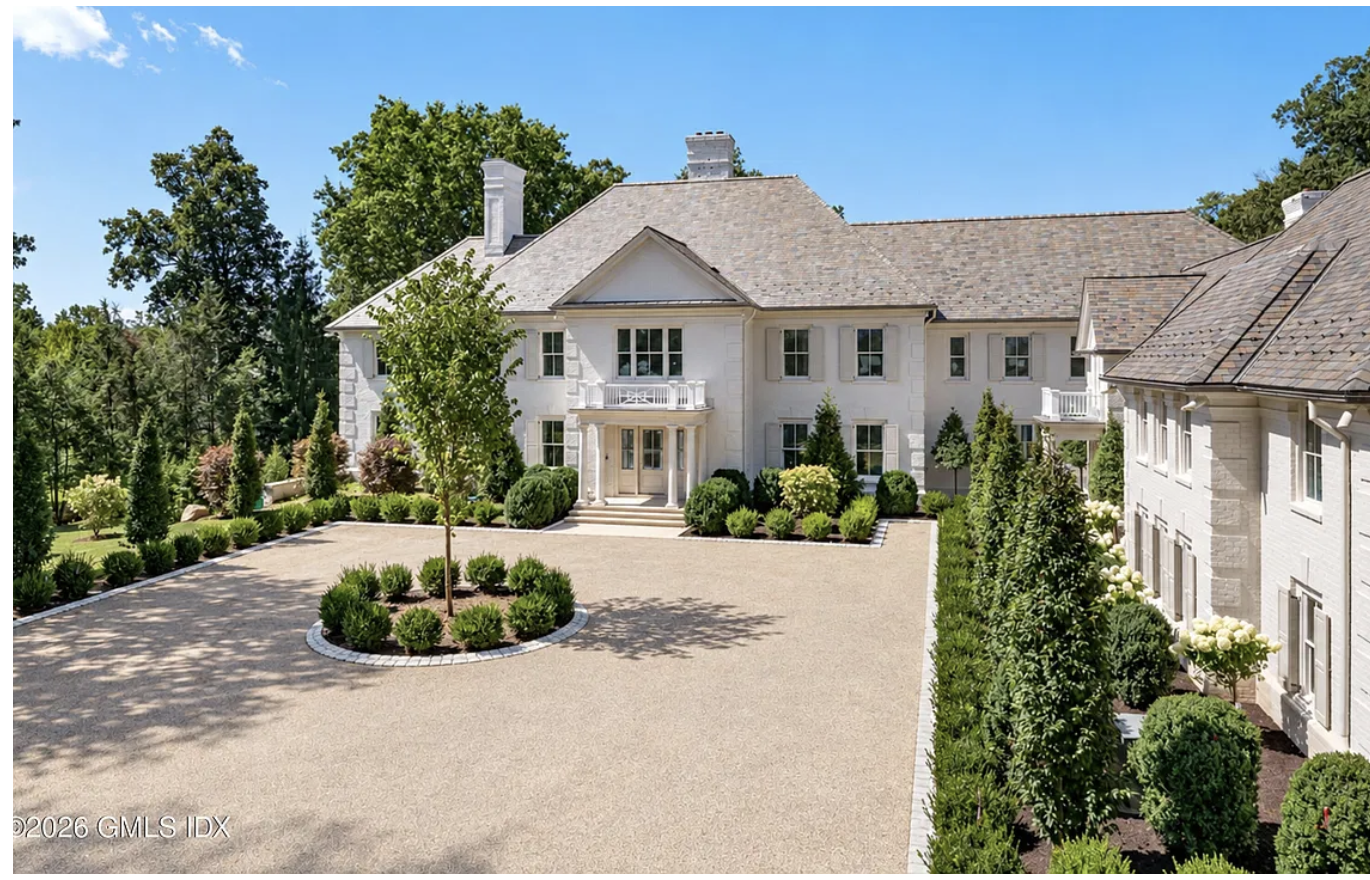
Flipper on Indian Field

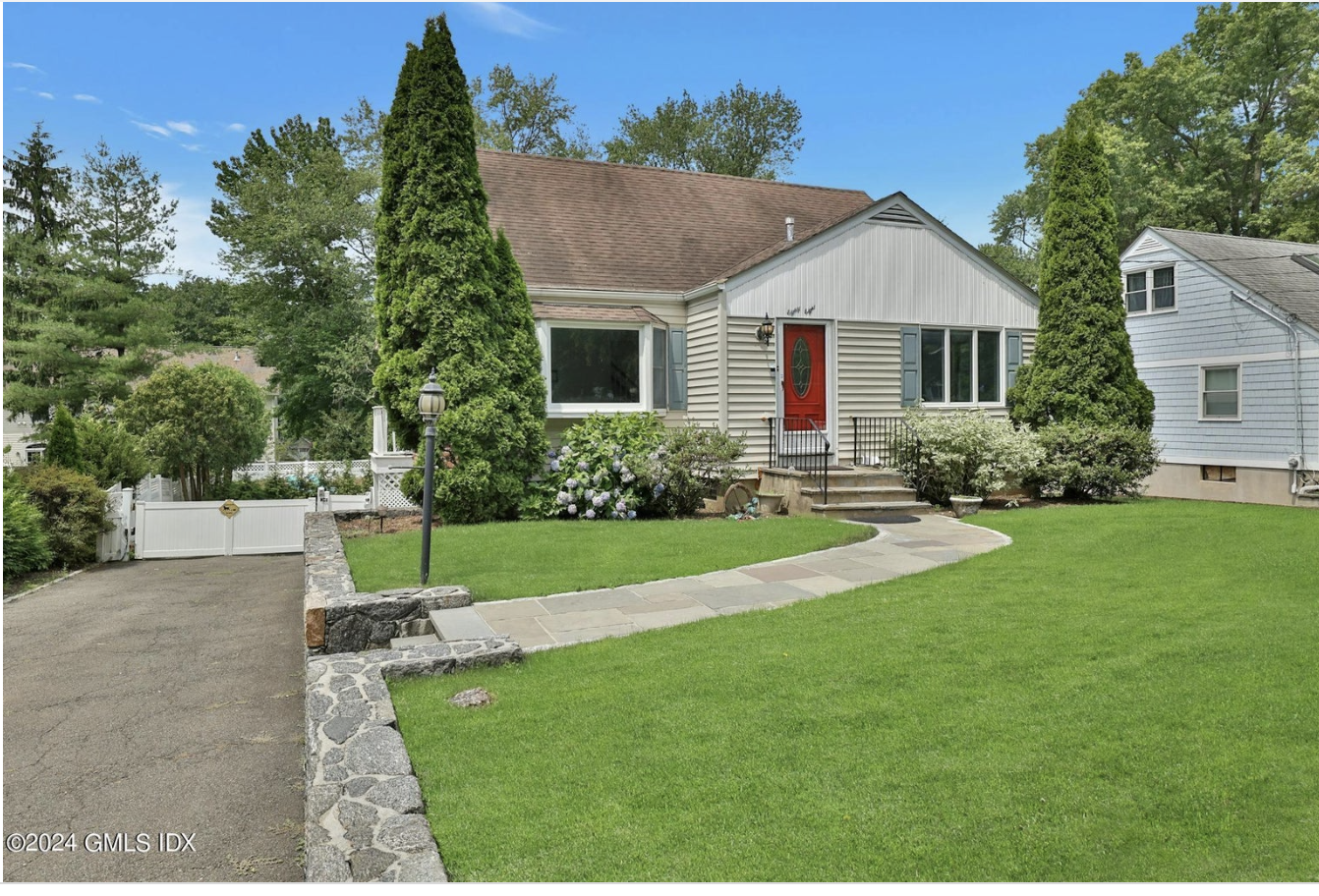
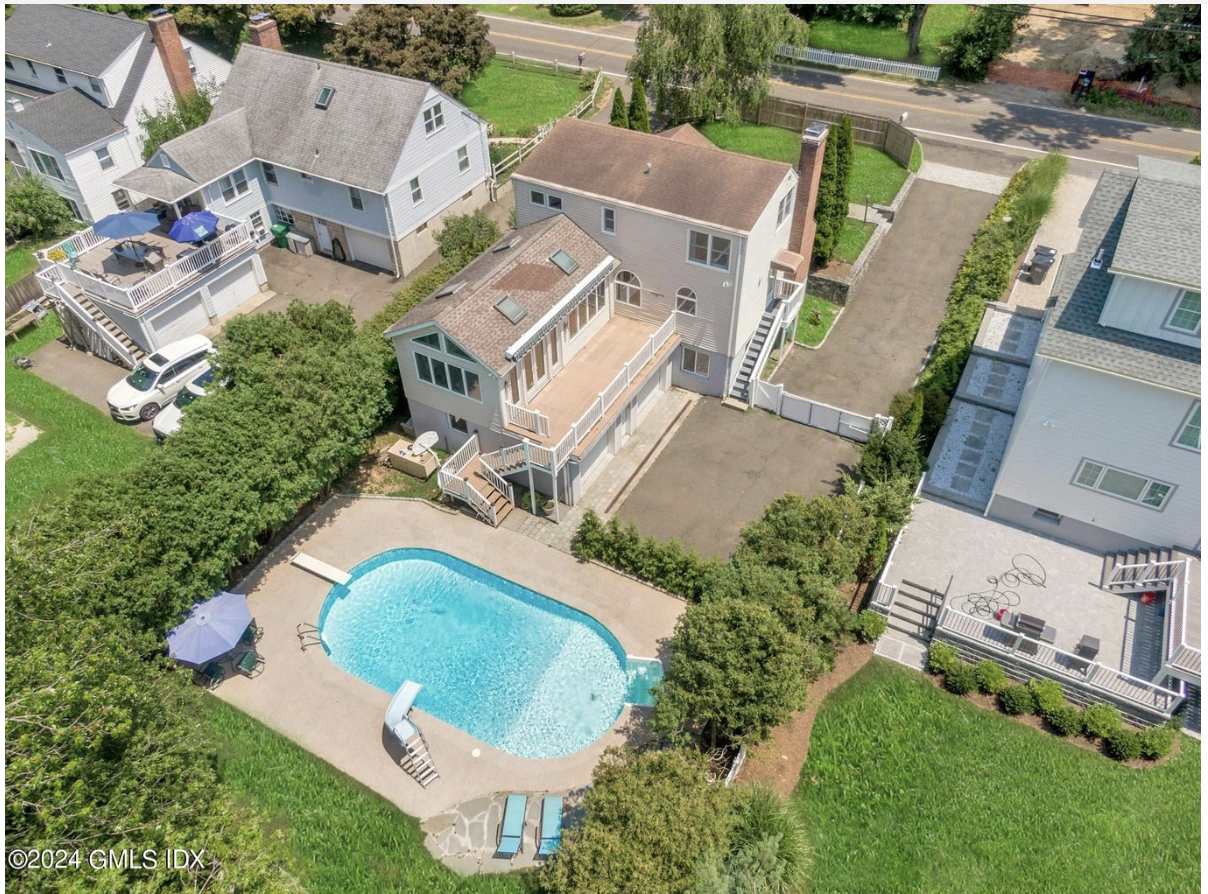
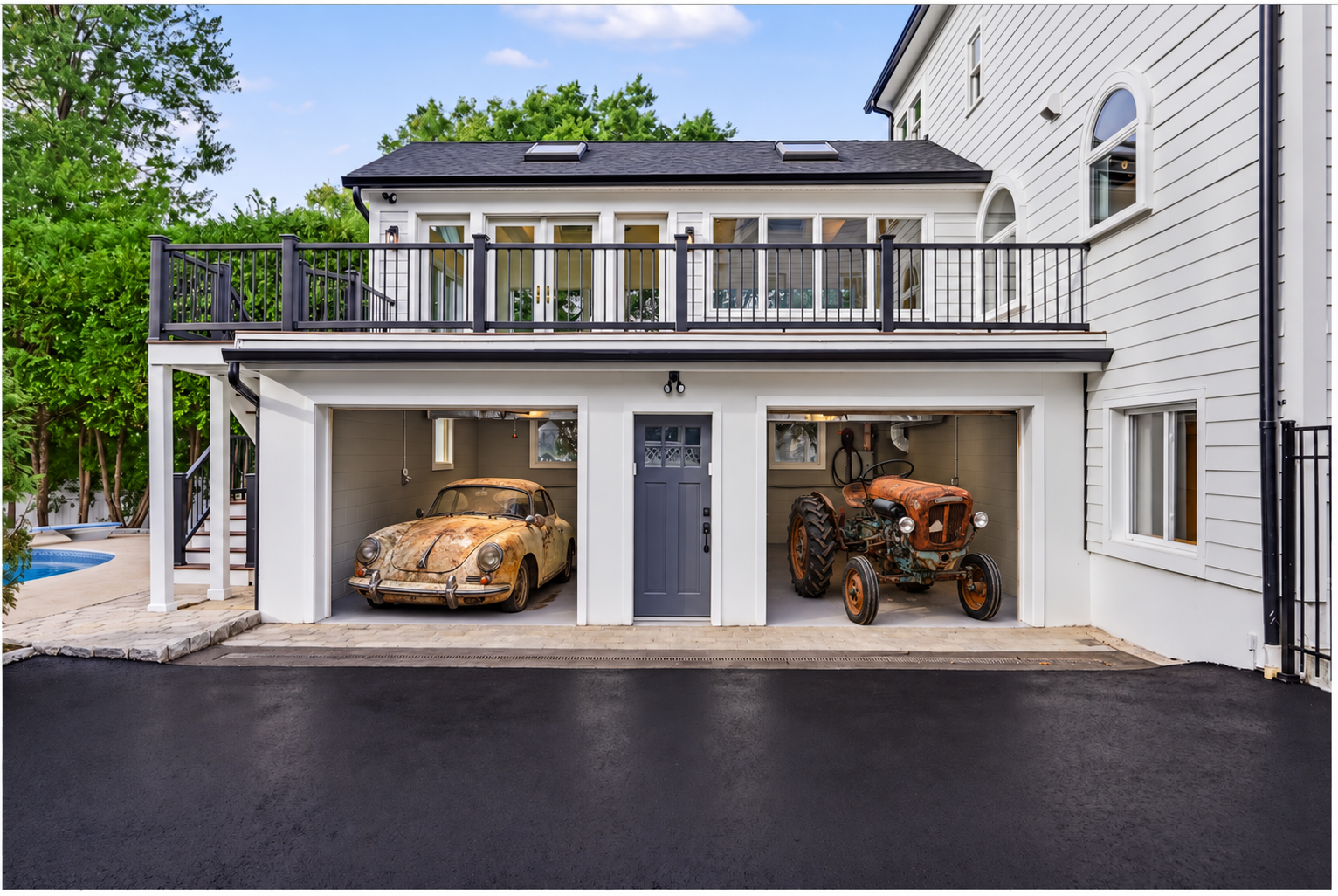
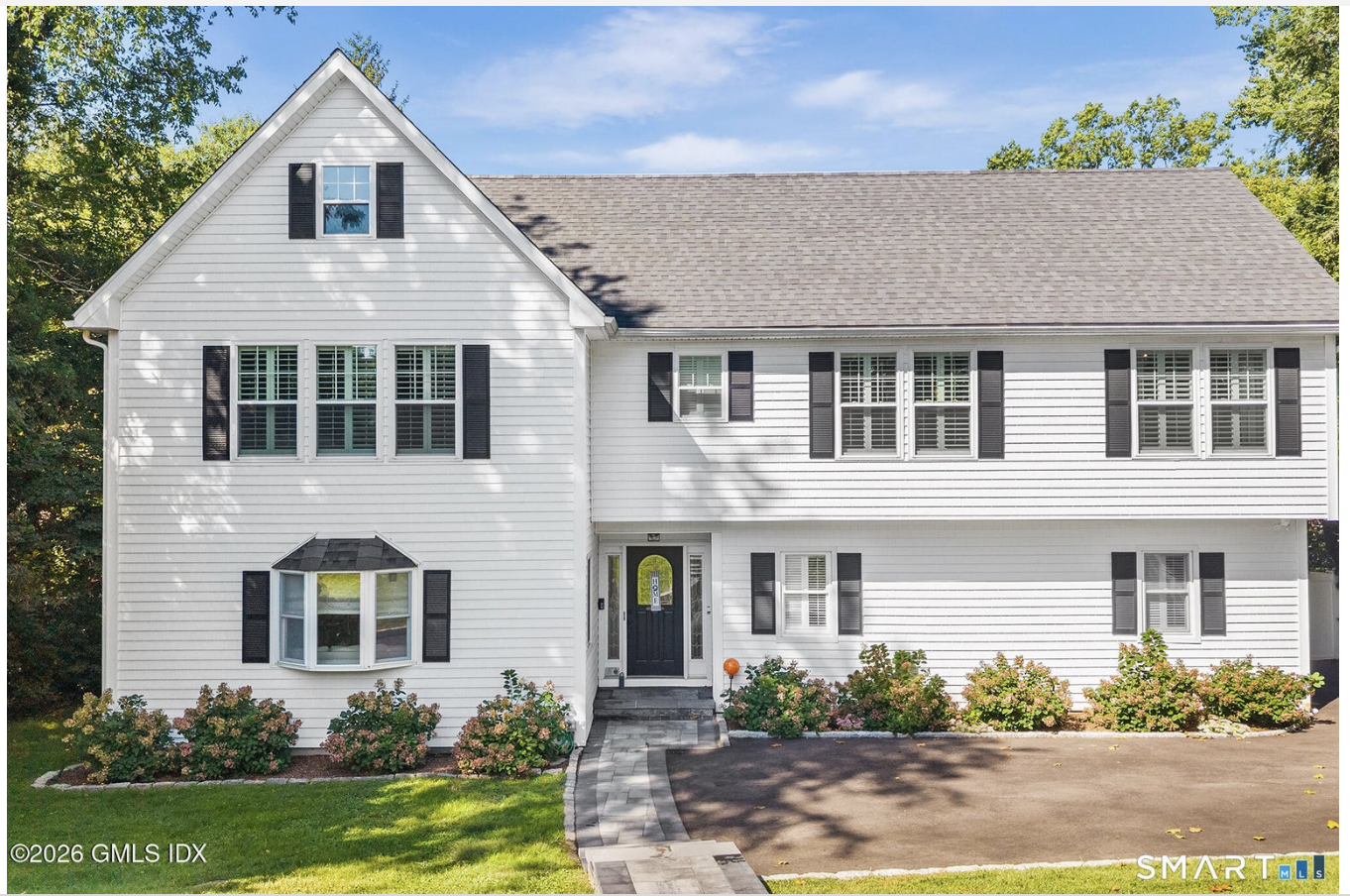
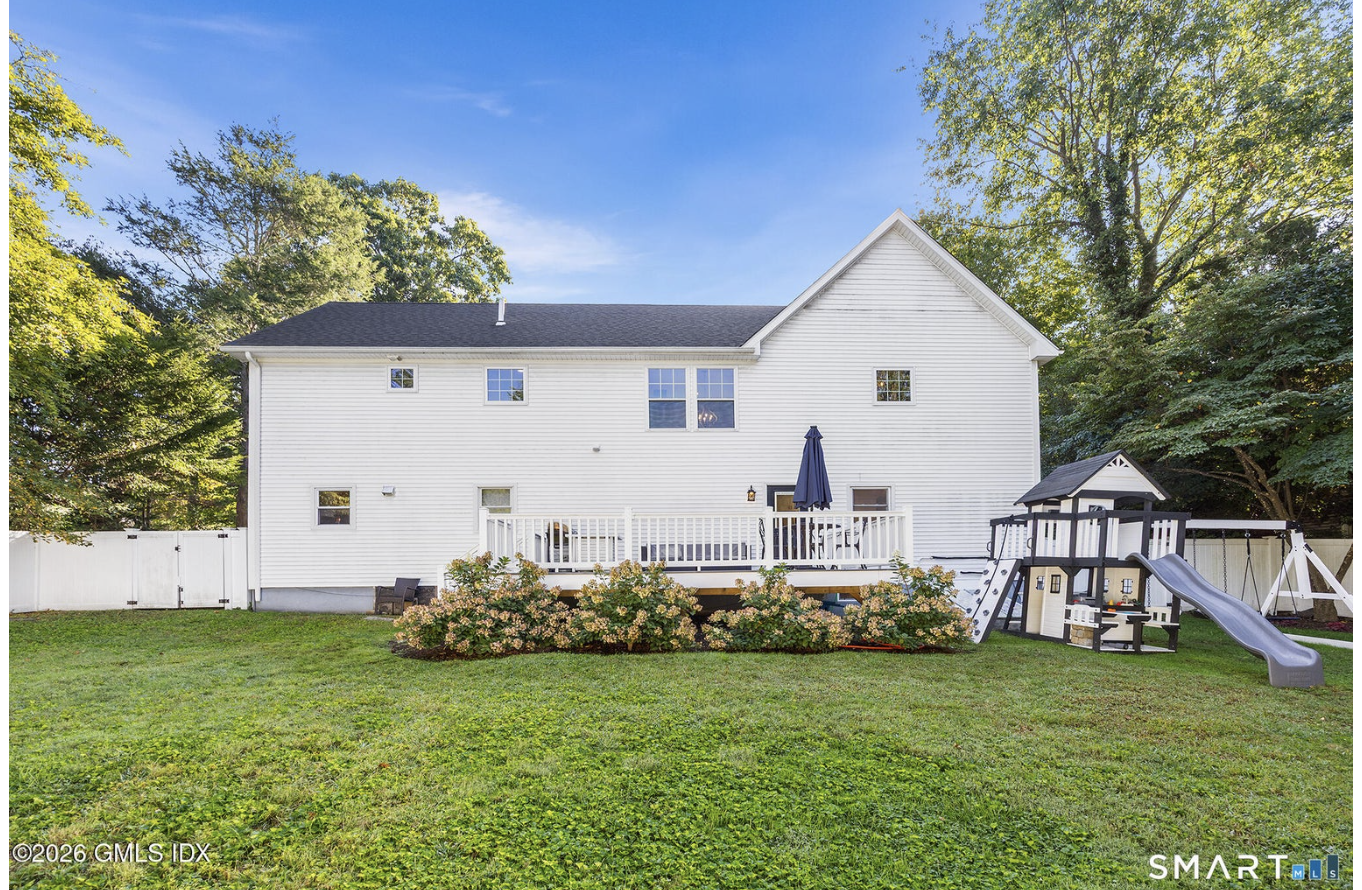
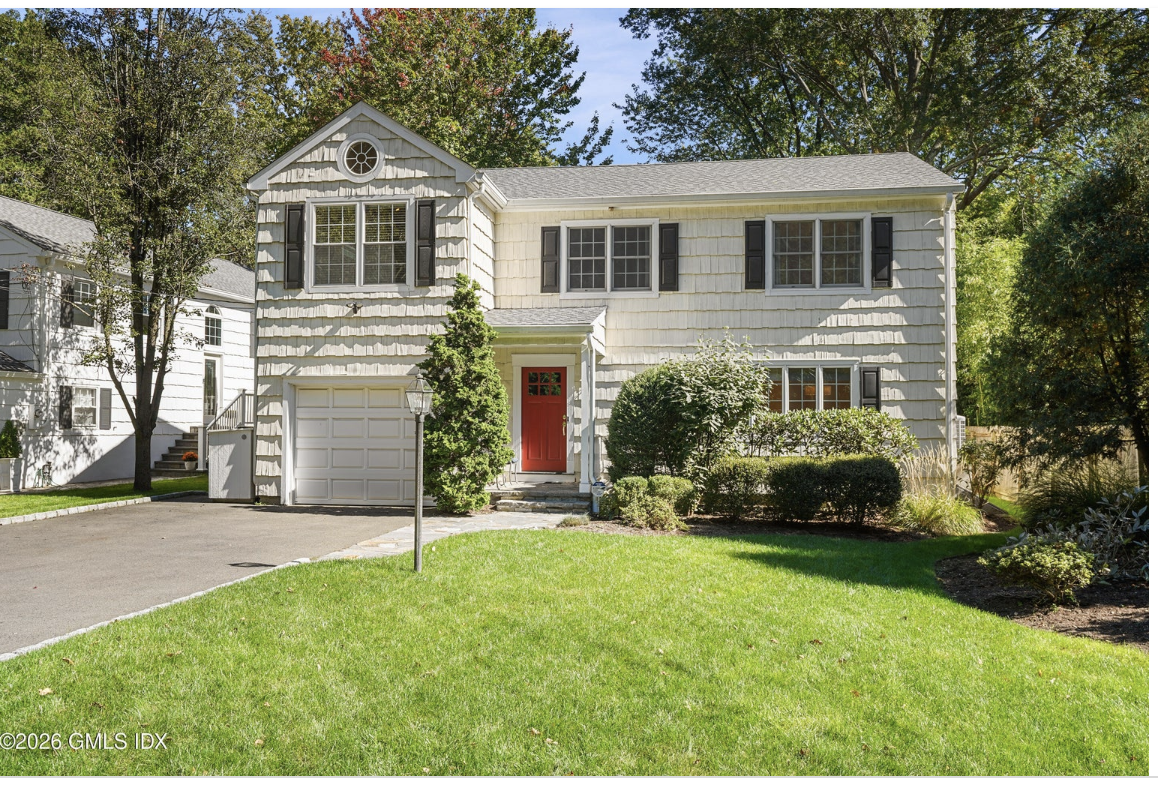
88 Indian Field Road is on the market again after a renovation and expansion. The builder paid $1.2 million for it in November 2025, and to his credit, he fixed up the bizarre front face of the house, which was basically a cape with a huge ill-thought-out addition stapled to its butt.

So good for him; the swimming pool that entirely consumes the backyard, however, is still there, and for three months a year, that might be a good thing. The rest of the year, not.

circa 2025

I don't know whether this will prove to be the right price, but it's smart, sharp adjustment

58 Sheephill Road was listed just last week at $2.2 million, yet that price was dropped $350,000 today to $1.850. In slower markets, it was common to give a price two weeks to a month to see how the market was responding, but right now, seven days is sufficient to tell a miss from a hit. So good move, I say.

Not a contender for the 2026 home builders Callipygian award, alas

Asked and answered

I don’t suppose it’s much crazier than US cities providing needles and narcan to street junkies, but this still seems … odd

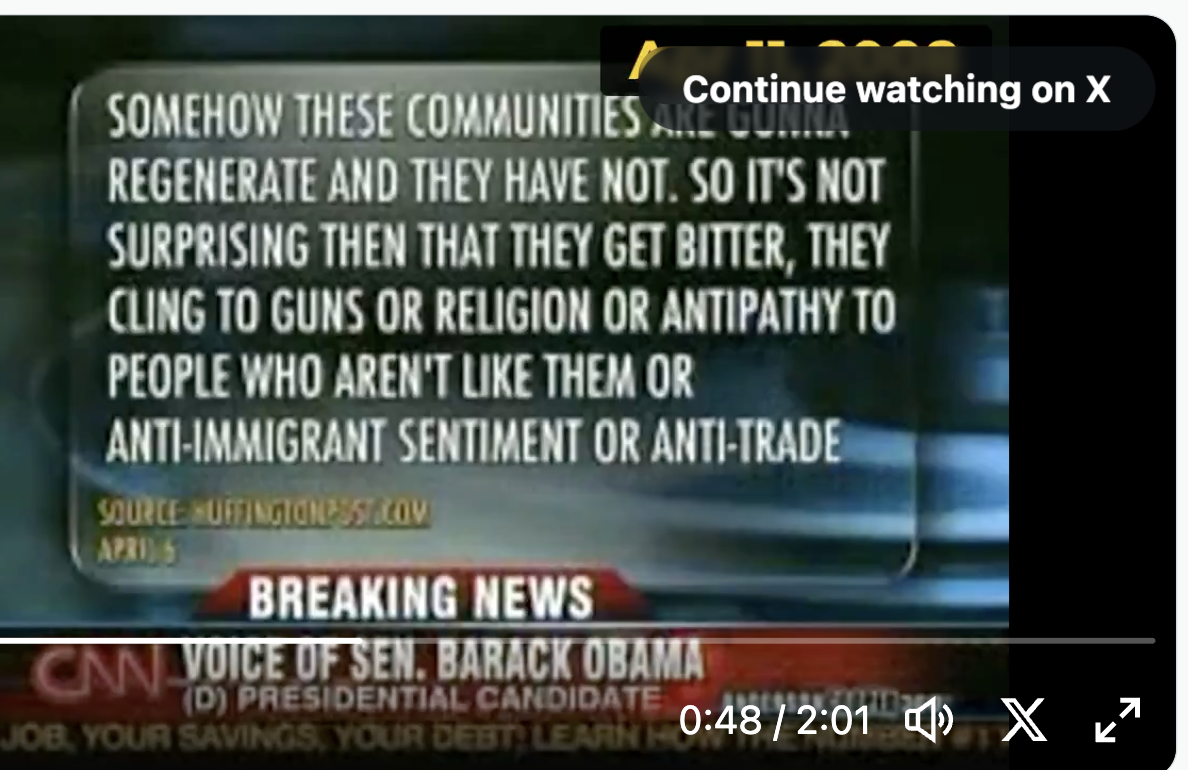
Oh, the HORROR! — Of low IQs and utter cluelessness

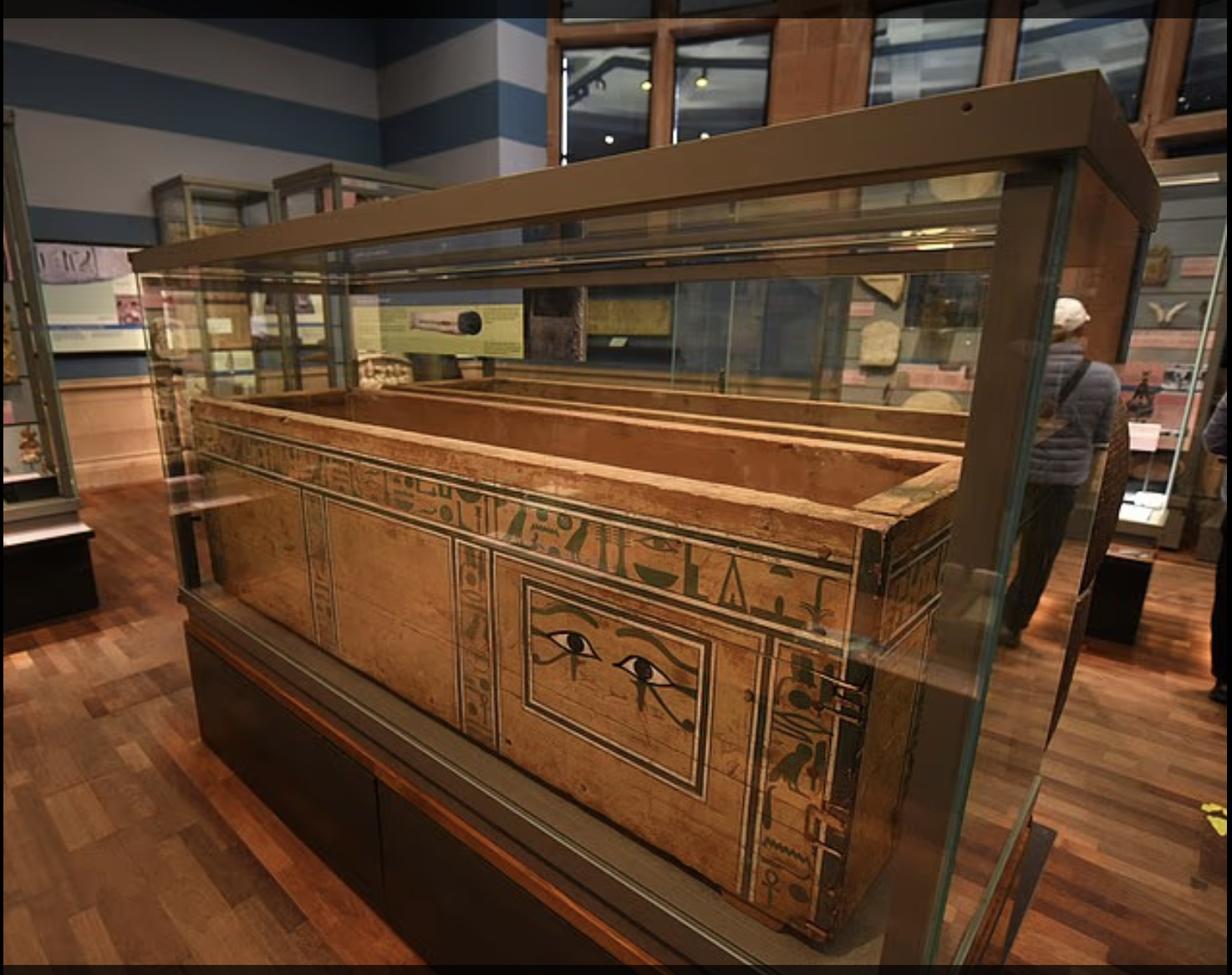
‘Literally a Cotton Field’

Black woman traumatized by sight of cotton field

This could be terrible news, and depending on how the Court splits, it will be

Supreme Court Justice Samuel Alito Recuses Himself From a Major Climate Case

Supreme Court Justice Samuel Alito has recused himself from Suncor Energy (U.S.A.) Inc. v. County Commissioners of Boulder County, a major climate change case scheduled for oral arguments, about a week before the court is scheduled to take up the case.

Supreme Court Clerk Scott Harris announced Alito’s decision on September 28 in a brief letter to the parties, stating that the justice “has determined that he will not continue to participate.” Alito was supposed to hear the case on October 5, the first day of the court’s 2026–27 term.

The letter offered no explanation for the last-minute recusal, which follows months of pressure from environmental activists over Alito’s financial investments in the energy sector, despite him not owning any shares in the case’s parties.

Alito had previously resisted calls to step aside.

The case centers on whether state tort law allows Colorado local governments to hold oil and gas companies financially liable for their alleged contributions to climate change. Boulder County and other local governments are seeking damages from Suncor Energy and ExxonMobil, arguing that the companies contributed to climate-related harm. The Supreme Court’s ruling could affect similar lawsuits filed against energy companies nationwide.

…. Alito’s withdrawal leaves only eight justices to hear the climate case. A potential 4–4 split would leave the lower court’s ruling in place without establishing a nationwide Supreme Court precedent on the legal questions surrounding state climate litigation and federal preemption.

Similar global warming reparation suits are ongoing across the country: Vermont, Connecticut, New York, California, etc. If Colorado succeeds here, Americans will soon be paying billions of additional dollars on their energy bills while the politicians grab the new source of loot and distribute it to their friends and themselves.

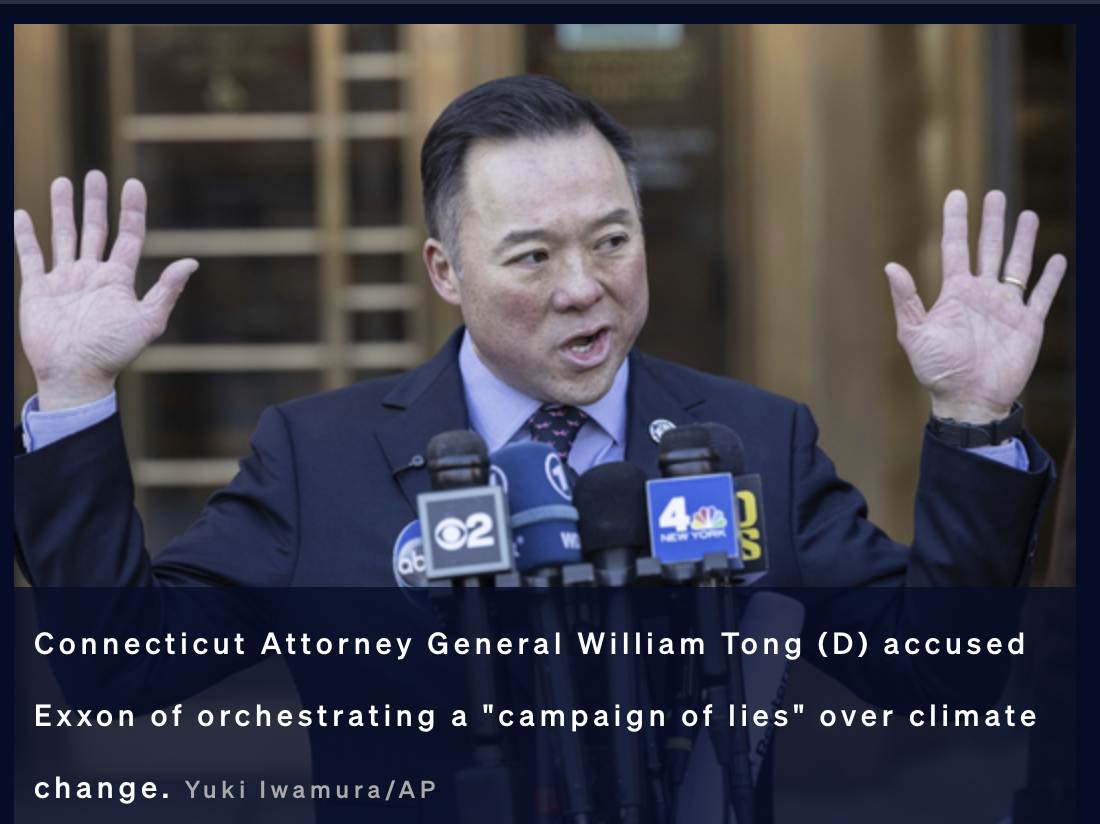
Worse, or at least as as bad, money that would have gone to the development of new sources of gas and oil, refineries and pipelines will be confiscated. That’s certainly the goal of people like CT Attorney General Tong who are bringing these suits, but it will be a disaster for the country. Fingers crossed that Justice Roberts doesn’t cave on this issue and side with the three flakes.

Surprise!

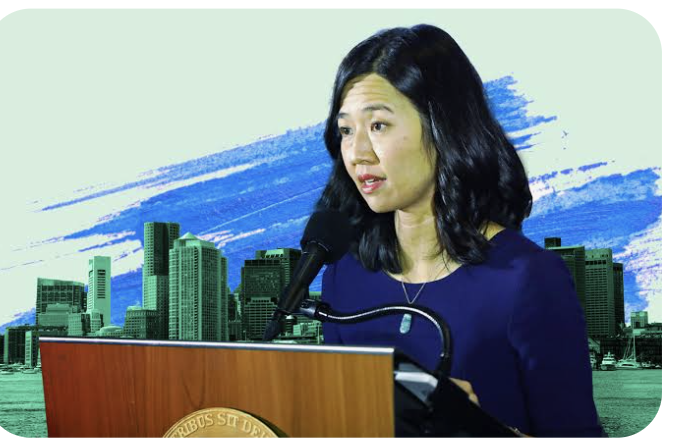
Boston Mayor Invites Illegal Immigrants to Apply for $575 Scholarship to Learn to Become Activists

Other blue-city mayors may talk a big game, but none seems as committed to protecting illegal aliens in her sanctuary city of Boston as Michelle Wu. A new political organizing training class sponsored by the city caught the eye of Mass Daily News, which reports that the program is paying immigrants — and only immigrants, regardless of their legal status — to learn political organizing. The city is calling the payments "scholarships," and citizens need not apply.

Very much related:

David Strom

1776 or 1789: The Dividing Issue of Our Time

I am toying with the idea of writing a short book on how all the major divides between Left and Right come down to the argument between the American Founders and the French Revolutionaries. 

The Founders explicitly understood their project as building a Republic based on a governing structure tailored to the people of the United States, whose political traditions were rooted in English Common Law, Christian ideas of virtue, and the "Rights of Englishmen." The structures matched the aspiration for maximum liberty with the practical need to ensure that humanity's baser instincts were checked by competing power structures. 

It's all very British, and the ideas trace back to the Scottish Enlightenment, which explains why the Declaration of Independence sounds very much like John Locke, only updated. 

That's why we speak of the Magna Carta as one of the ancestors of the Founding, even though almost nothing in it directly relates to the circumstances we found ourselves in then or now. It established the principle that the King is not an absolute ruler, which set us on the path to popular sovereignty. 

The Anglo-American political tradition is about reconciling tensions among individual liberty, a prosperous economy, social harmony, and government power, and finding mechanisms that harmonize these competing goals. 

That's the vision of 1776. Start with the rights of individuals as the seat of sovereignty, and then find practical solutions to maximize liberty in tune with solving practical problems such as balancing liberty and order, the need for competing power structures, and dealing with barriers placed by flaws in human nature that create conflicts that make the balancing act difficult or impossible. 

The competing model was proposed in the 1789 French Revolution, whose goal was simply to wipe the slate clean and build an entirely new order, with new norms, a new morality, a reshaping of human nature, replacing the Church with the State, and rationalizing everything, down to the way we measure time, the year, and the inherent worth of individuals. 

If you ever wondered where the idea of a "New Soviet Man" or a "Cultural Revolution" came from, it all has its roots in the vision of 1789. Wipe away the old, up to and including human nature, and rebuild it from scratch. There is no such thing as history, norms, culture, or permanent shared knowledge. Everything can be restructured along lines that a technocratic elite can design and implement, reforming the malleable clay of human beings and institutions. 

1776 begins with a people with a shared history and culture, and an understanding that individuals have competing goals, that the needs of order compete with the liberty of individuals, that state institutions tend to accumulate power in destructive ways, and that politics is a means of resolving disputes as peacefully as possible, and will never achieve utopia. Madison put it well in Federalist 51: "If men were angels, no government would be necessary"

1789 begins with the idea of human and institutional perfectibility, and that a class of philosopher-kings or technocrats can shape people and institutions in a manner that can achieve something akin to utopia. You just have to wipe away the barriers, and the barriers are recalcitrant people (solution: The Terror), competing particularistic outsiders (hence the wars of expansion against France's neighbors), and restarting society from what they called "Year Zero." 

….

The state replaced the Church and culture as the moral arbiter. The history of European conflicts, the revolutions of the 19th century, Marxism, and today's Critical Theory all have their roots in the vision of 1789. 

Europe is still trying to implement the vision of 1789, only this time through the European Union's institutional mechanisms. They often speak in terms of creating a "United States of Europe" and use language that more closely mirrors that of the 1776 crowd, but the mechanisms they have built are pure 1789, only nicer. Speech controls, censorship, Narrative™ control, and even immigration policy aim to erase individuals' distinctiveness and national cultures, creating a moldable populace that will more easily implement the technocrats' vision. 

When they say "diversity is our strength," what they are saying is that a nondiverse population is too difficult to reshape and mold into the New European/transnational man. You must first break down the culture to remold it. Break the eggs to make the omelet, and the eggs are the individuals. 

….

"You will own nothing and be happy" fits perfectly into this model. Citizens become good little cogs. 

Ironically, mass migration and the problems associated with it clearly disprove this model, as did communist societies, and even the failure of the French Revolution. Import the Third World, get the Third World. You can't wipe away the history and culture, no matter how hard you try.

But they keep trying, because that is who they are. 

There goes the neighborhood

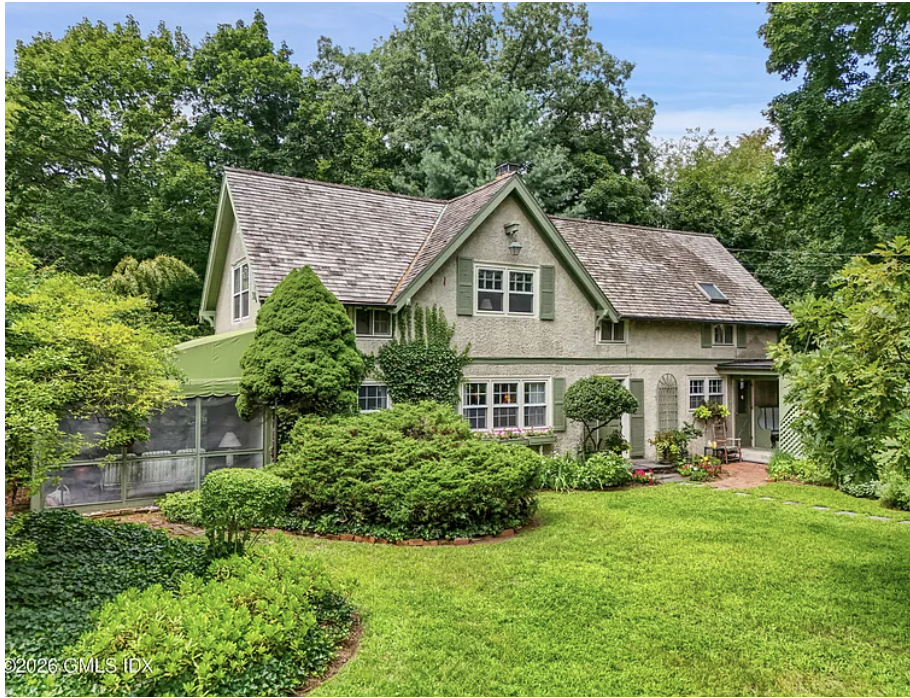
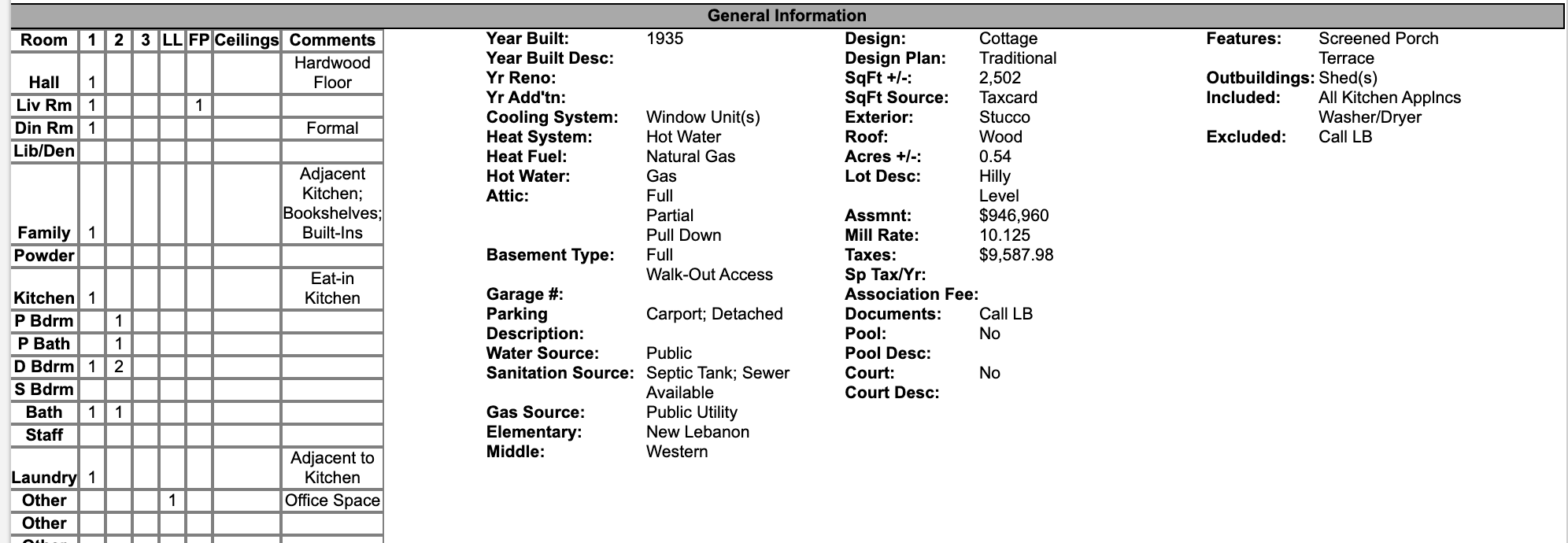
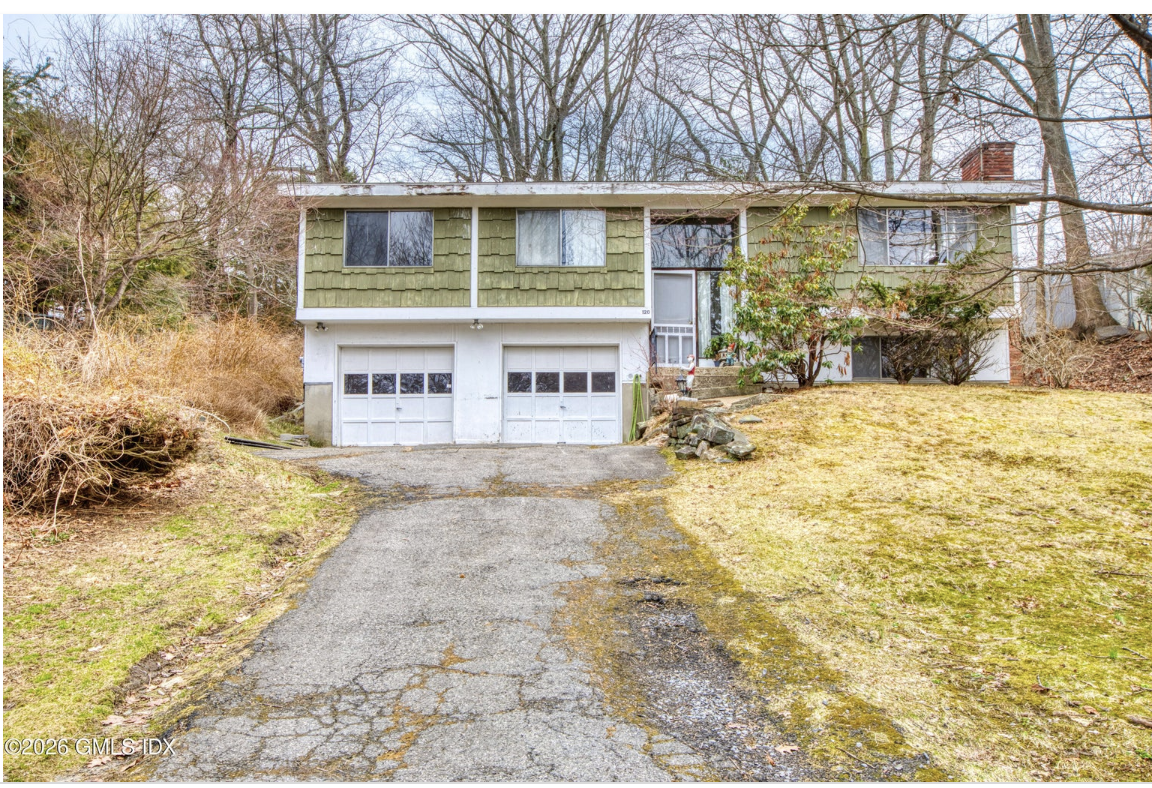
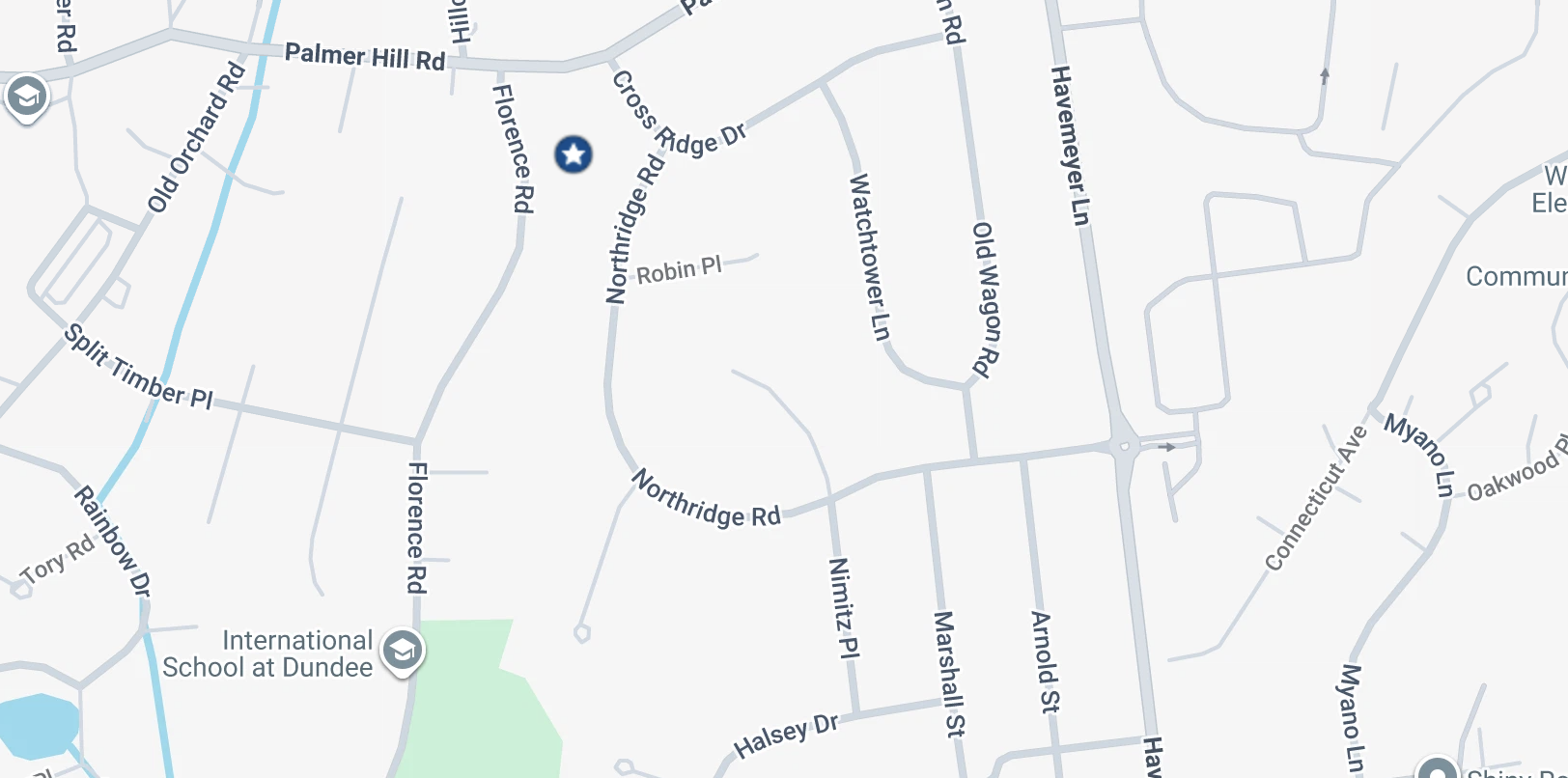
120 Florence Road, smack in heart of NoPo, sold to a builder last June for $1.280 million (ask was $1.025), and now he’s put it up while its still being built – if he’s even started yet — for $4.195 million. He’ll probably get it, but it’s interesting to see the transformation of this 1963 development that was put up just down the hill from the 1950s Havemeyer Park. I’ve had a number of friends who lived in the original homes, and it’s a nice neighborhood and generally — this one was an estate sale* — well maintained. But that was then, and the market has moved onward, and, obviously, upward.

* A very nice obituary of the owner, who died this past January at age 95, can be found here. Nothing spectacular about her life in the sense of fame and fortune, but a loving woman who was loved in return by her husband, her children and grandchildren. There are still some very nice people in Riverside (I assume), but the days when a school cafeteria worker could afford a house and raise a family here are long gone. Hell, even mid-level bankers and lawyers were priced out decades ago, but those (we) weren’t much of a loss.