The Highway Saga continues, Part III: Henry Croft, the actual driving force behind "Rockefeller's Loop" on the Merritt.
/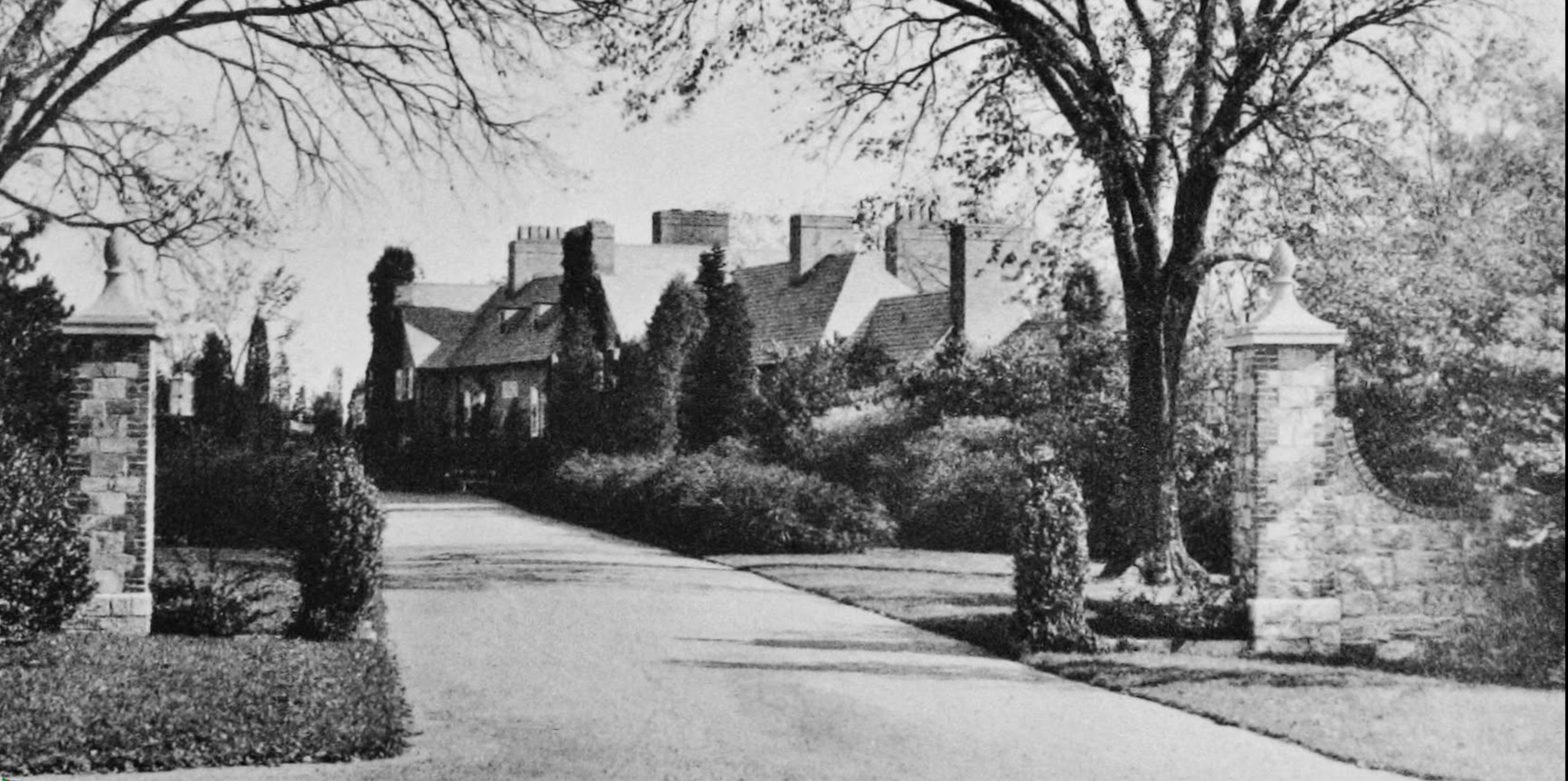
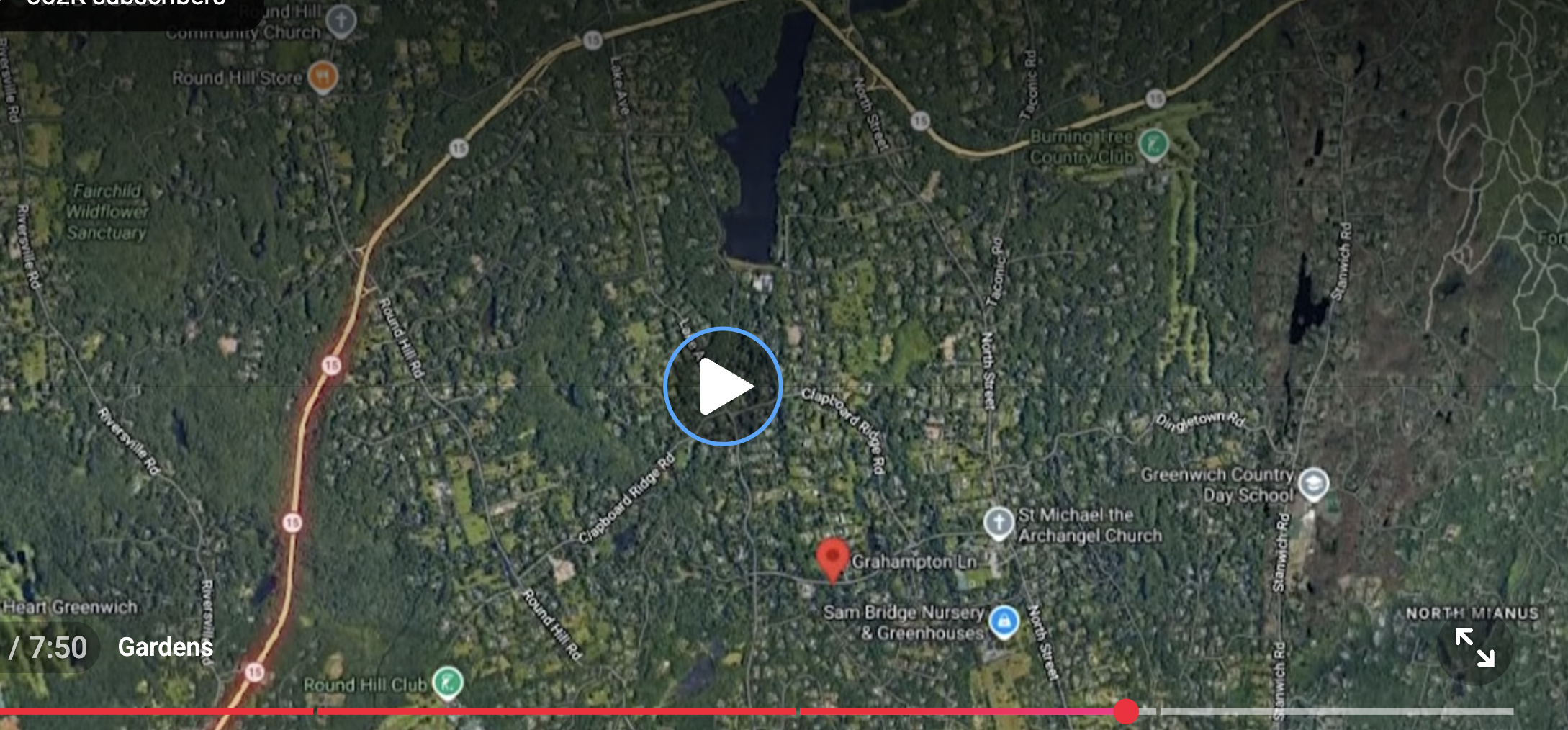
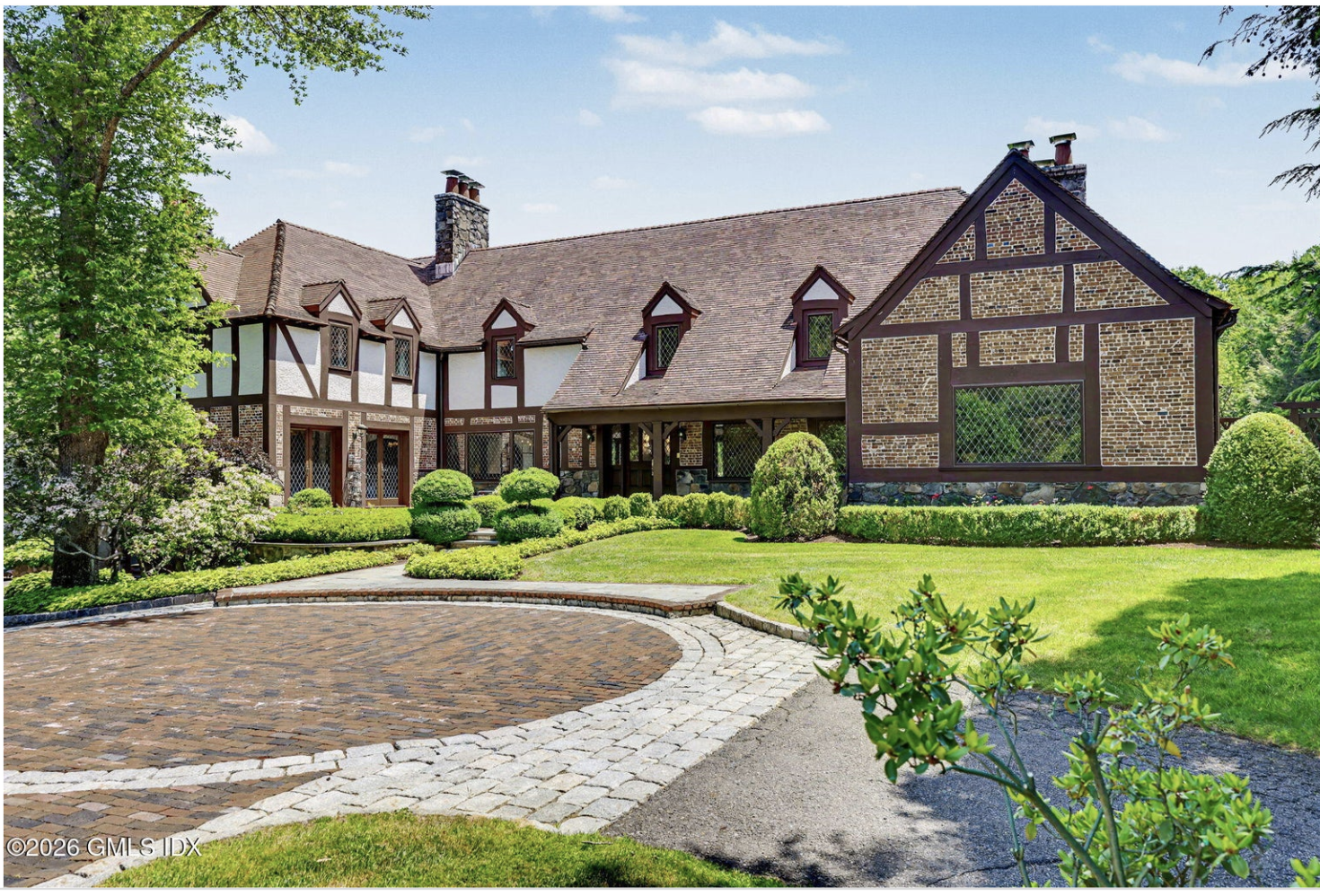
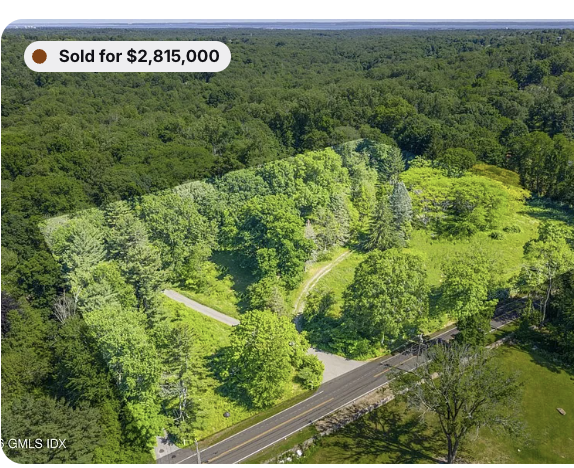
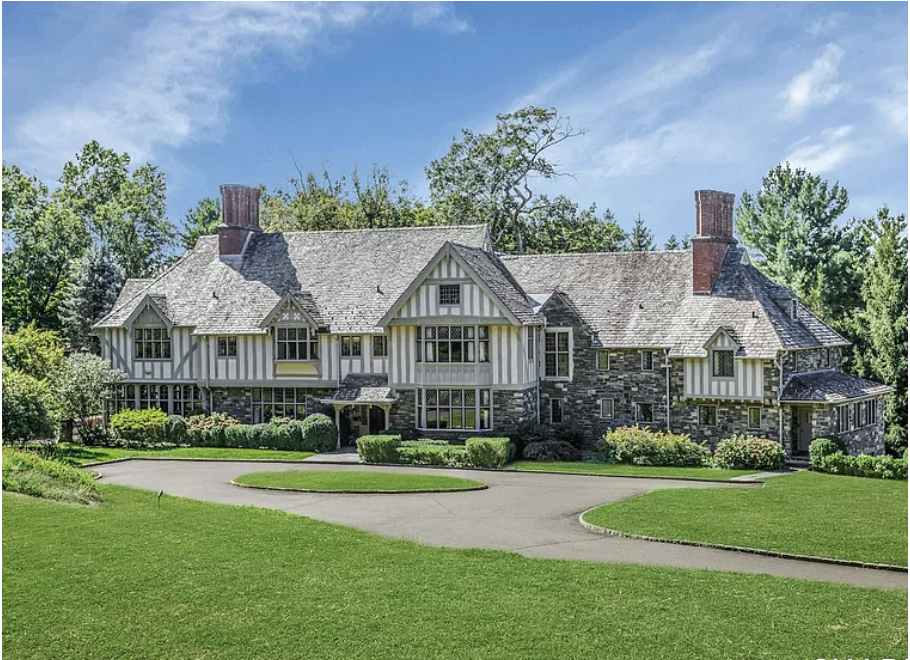
Grahampton estate at Greenwich, Connecticut. Built 1915-1917 by industrialist Henry William Croft of Pittsburgh, and named for his wife, Augusta Graham Croft. Henry Croft was chief of finance and administration for the Harbison-Walker Refractories Company of Pittsburgh - manufacturers of firebrick. The Crofts acquired 278 acres, originally consisting of five seperate farms. The property, located in the mid-country estate section of Greenwich, was bounded on the north by Clapboard Ridge Road, on the south by Parsonage Road, on the west by Lake Avenue and Parsonage Road, and on the east by Northbrook Farm. Greatly reduced by subdivision for residential lots over the years, Grahampton mansion eventually occupied only five of its original 278 acres !
Chat GPT
Henry (Harry) William Croft was a Pittsburgh industrialist whose large mid-country Greenwich estate played a documented role in forcing the Merritt Parkway’s distinctive northward curve (the feature some locals still call “Rockefeller’s Loop”) through the town.Who he wasCroft made his fortune manufacturing refractory firebricks used to line blast furnaces—products essential to the steel industry, including Andrew Carnegie’s operations. He rose to chairman of the board of the Harbison-Walker Refractories Company in Pittsburgh. Around 1919 he retired and, with his wife Augusta Graham Croft, turned to building a country estate in Greenwich.
They purchased five farms in the Clapboard Ridge / mid-country area (lands that had belonged in part to old Greenwich families such as the Meads and Pecks) and assembled roughly 287–300 acres into a single property they named Grahampton (after Augusta’s maiden name). The main house, a substantial brick manor of about 12,300 square feet designed by the Pittsburgh firm Janssen & Abbott (also referenced as Johnson and Abbott), was completed around 1917. Landscape work began with James L. Greenleaf and later involved the noted garden designer Ellen Biddle Shipman. The estate featured formal gardens, lawns, and the amenities expected of a Gilded Age–era country place; the Crofts entertained lavishly there and eventually lived year-round.
Role in the Merritt Parkway alignment
In the 1930s, when Connecticut planned the Merritt Parkway (initially called the Merritt Highway) as a limited-access scenic alternative to the congested Boston Post Road (U.S. 1), one proposed alignment would have run straight through the heart of the manicured Grahampton estate.
Croft refused. He would not sell or allow the road to bisect or destroy the property he and his wife had created. Working with other politically connected “backcountry” landowners—collectively referred to at the time as “blockers”—he helped pressure highway officials to shift the route northward. The result was the pronounced bulge or northward curve the Merritt still follows through Greenwich before it resumes a more easterly course. That detour is the lasting physical legacy of their opposition; the parkway’s Greenwich section opened in 1938.
This is the specific episode local memory sometimes folds into the broader “Rockefeller’s Loop” nickname. The Rockefeller family did hold large tracts in Greenwich and were part of the same wealthy landowning class that resisted intrusive alignments, but contemporary and later accounts that name an individual for this particular curve point to Croft and the Grahampton estate rather than a Rockefeller property.
AftermathCroft died in 1947 at age 81. The vast estate was gradually subdivided over subsequent decades. The road that runs through the former grounds is still called Grahampton Lane. The main house survives on a much-reduced parcel (listings in recent years have shown it on roughly 5 acres), preserving the core of what Croft fought to protect.
In short, Croft was not a shadowy political operator in the modern sense; he was a wealthy retiree who used his resources and connections, as many Gold Coast landowners did, to keep a major public-works project from carving up his private domain. The Merritt’s enduring curve through Greenwich is the visible result.