Fifty shades of grey

SQUARE SHUTTERS, BUT WAIT, THERE’S MORE!

SQUARE SHUTTERS, BUT WAIT, THERE’S MORE!

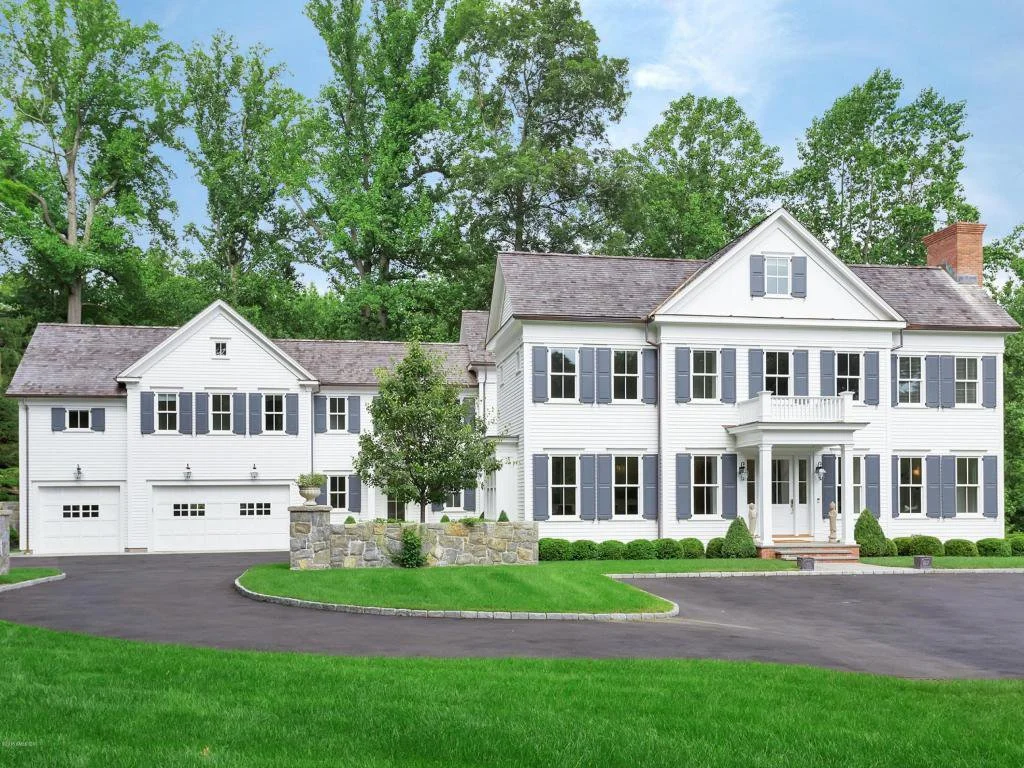
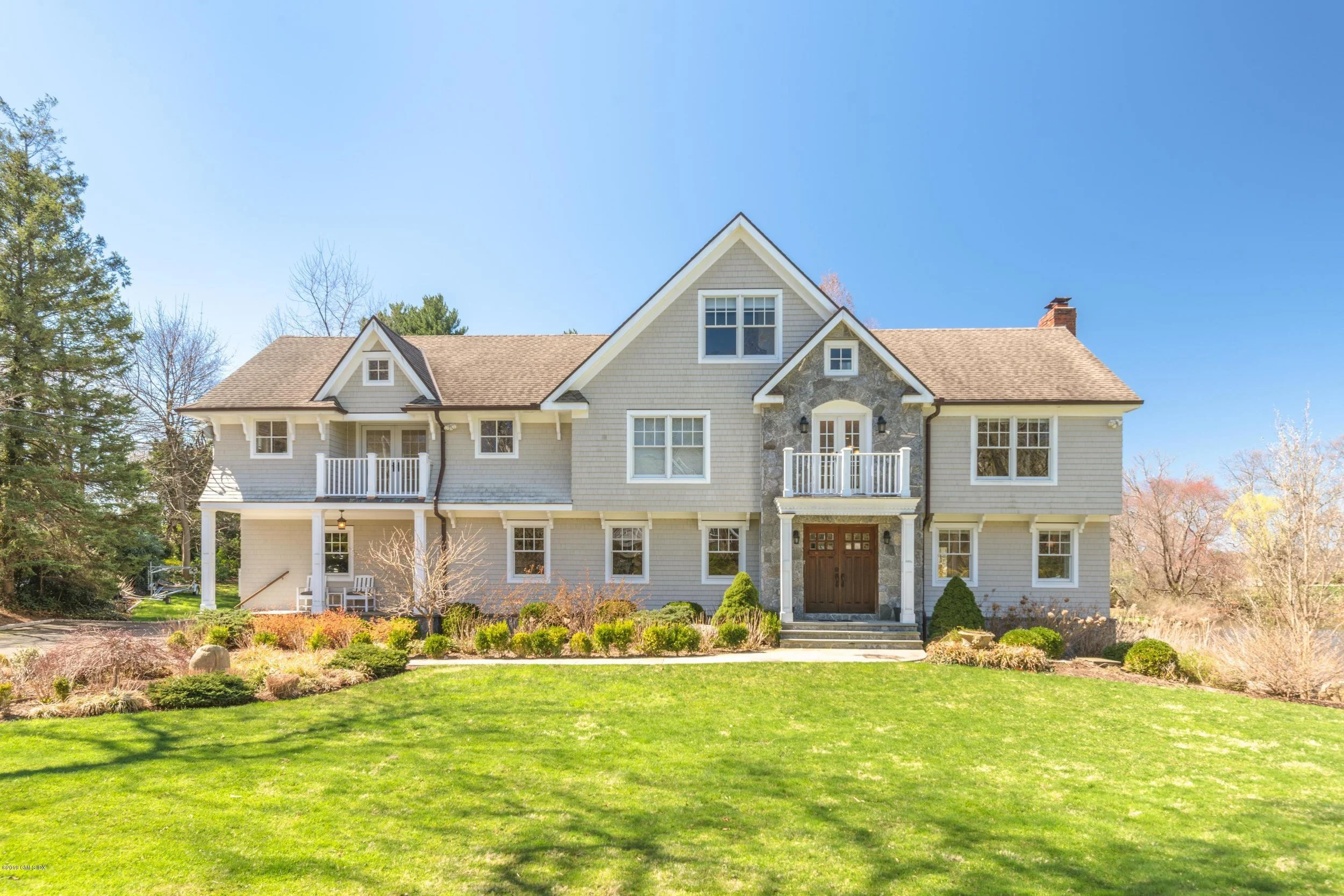
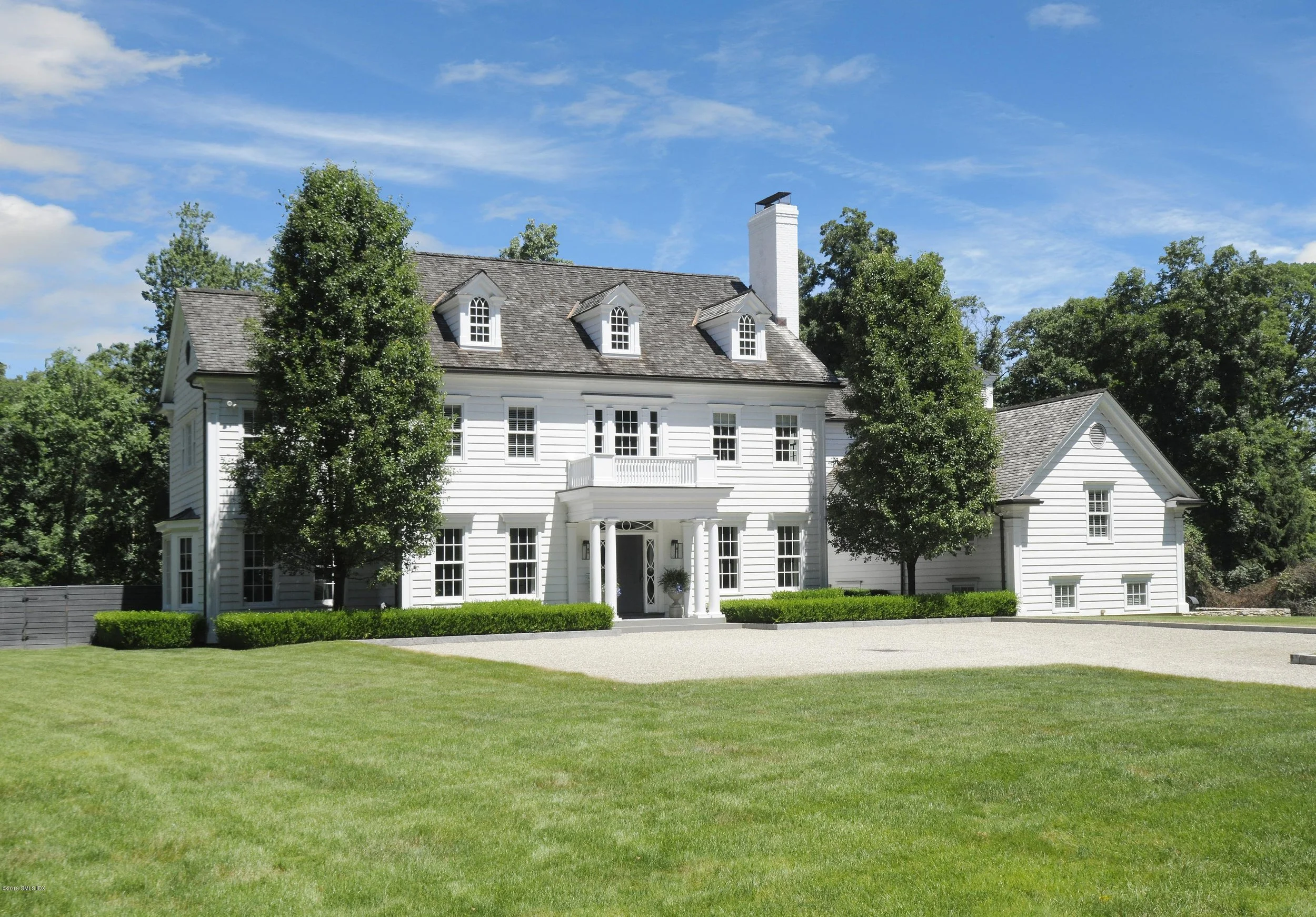
11 Partridge Hollow Road cut its price to $5.150 million today. That’s an improvement over the $6.695 million sought in 2015, when this house was newly-built, but it may be a while before these owners find a buyer with the same bold fearlessness they themselves displayed when they chose to build so far out of town. Regardless, it’s a nice house, and I’m sure someone will come along, eventually, and relieve the owners of possession. What I found amusing is that a 2013 Greenwich Magazine puff piece on an earlier construction project by this couple (they build, but don’t seem to stay for long, if they ever move in at all), quoted their decorator on the owners’ tastes:

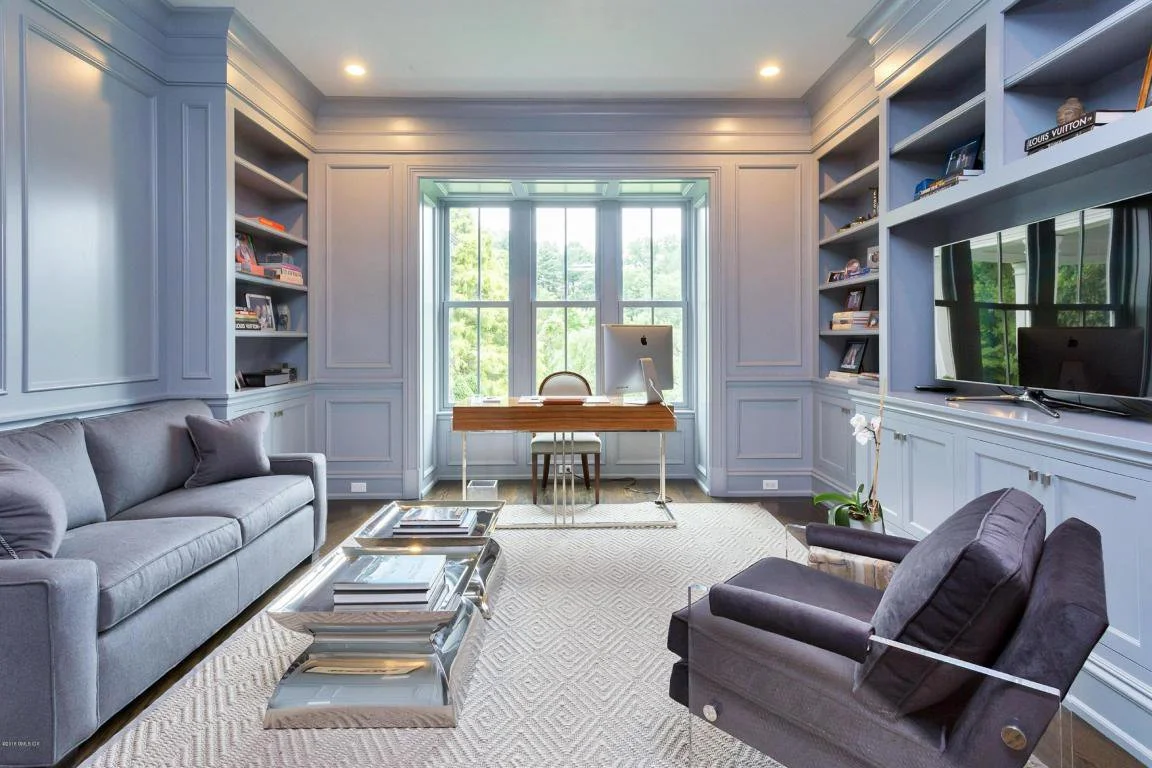
“They’re not afraid to take chances with color,” says the designer. “It’s wonderful; it’s a bonus. They love gray. In New York they had an entire room covered in gray flannel and they wanted to keep it pivotal in the new house.”

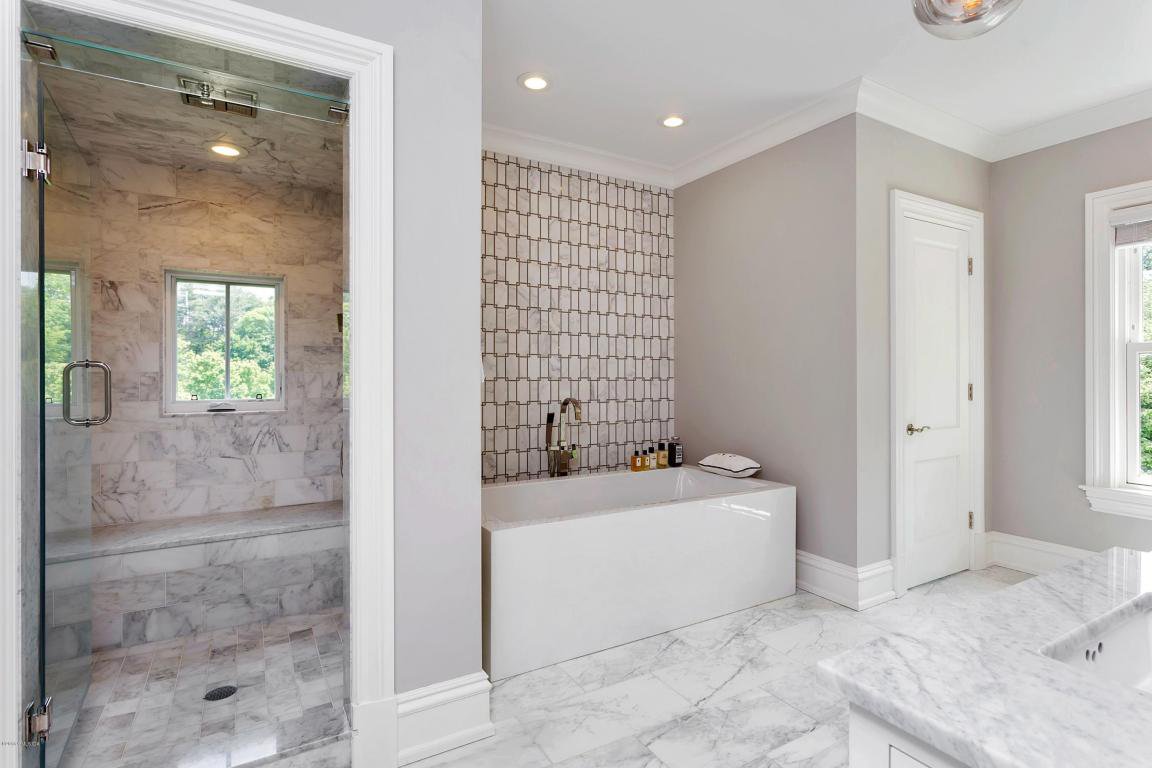
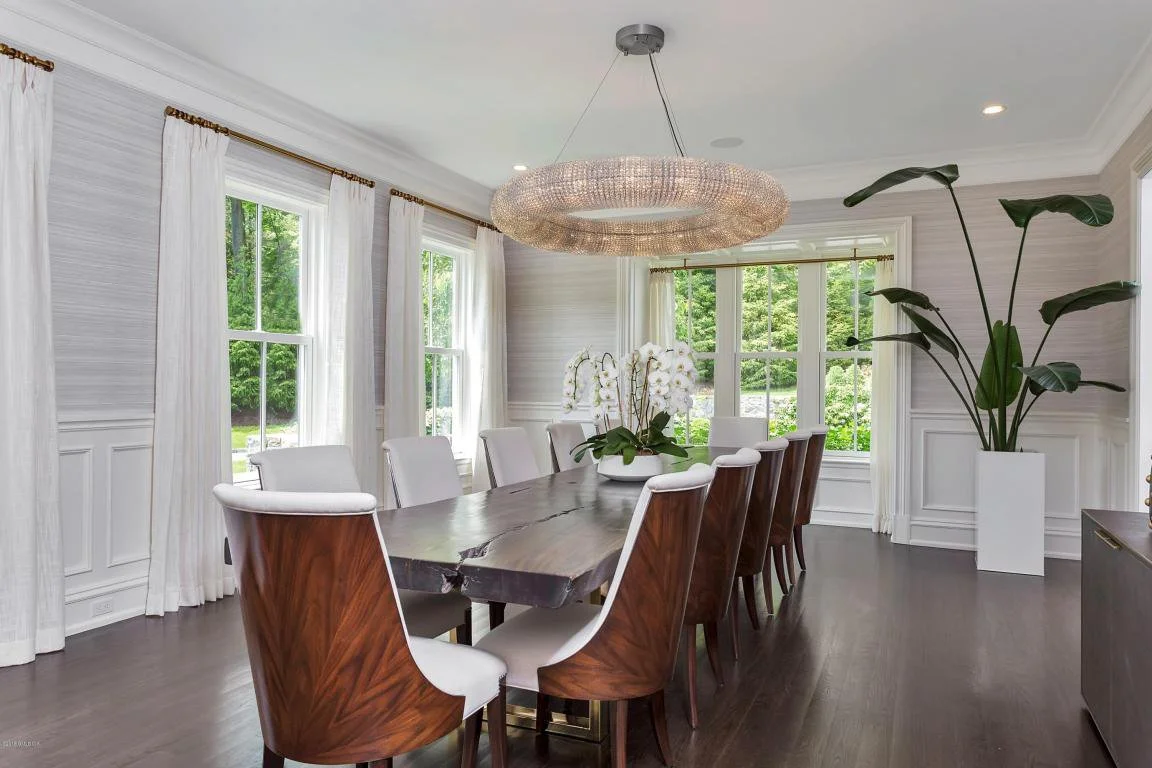
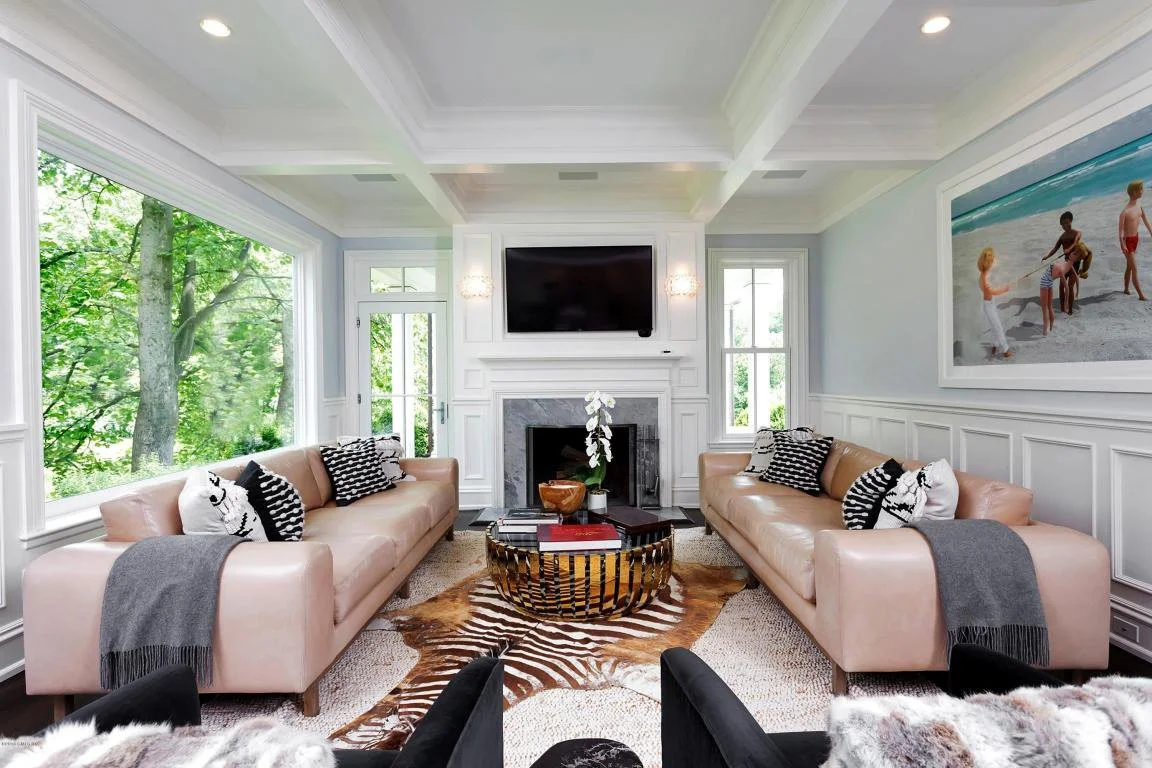
The decorator was right: pictures of that house show that it was in fact almost exclusively painted grey. And so is this one. I’m not sure how one reconciles “not afraid to take chances with color” with such a neutral color scheme, but perhaps these owners are ex-Navy. My own father was, and he taught me the timeless naval adage,

“If it moves, salute it.

If it doesn’t move, pick it up.

If you can’t pick it up, paint it grey.”

I don’t think this house is moving anywhere quickly, and any heavy lifting will only be found in the process of finding a buyer, so … get out the paint.
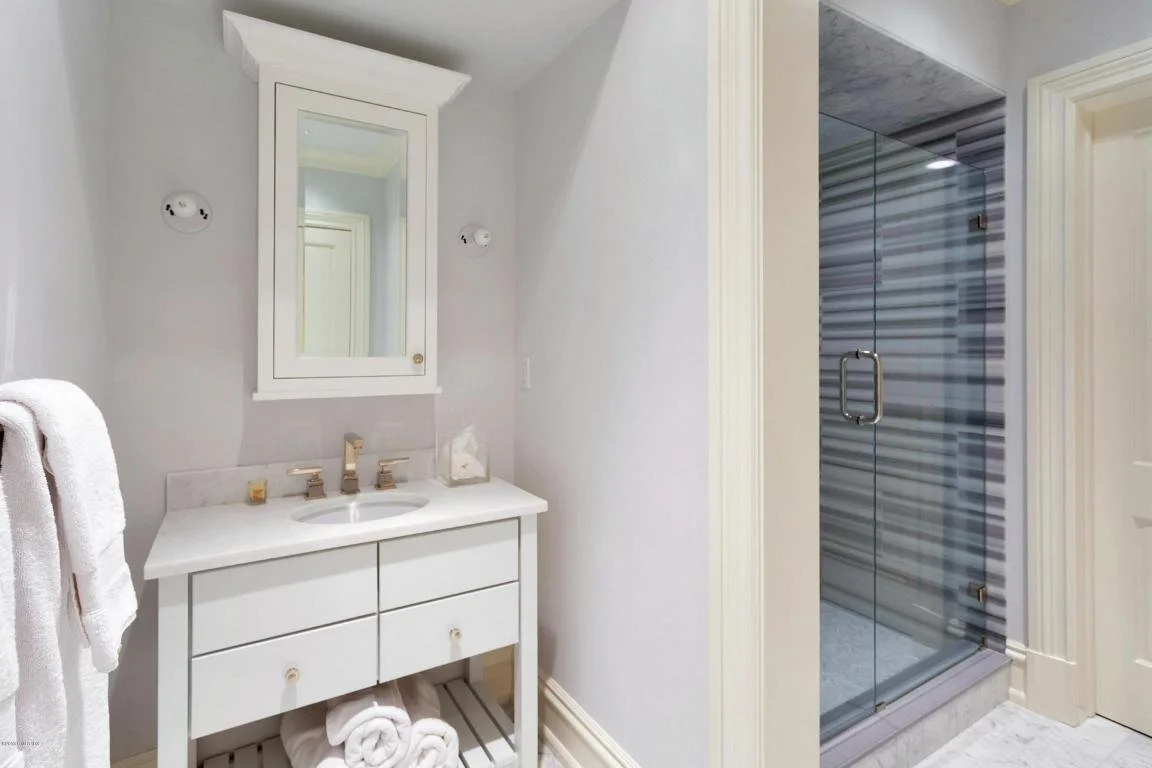
grey 1.jpg
grey 2.jpg
grey 2a.jpg
grey 4.jpg
GREY GOES ON SAFARI

GREY GOES ON SAFARI

Some tenants will use any excuse to escape their lease

Mind if I drop in?

Mind if I drop in?

Tenant claims he’s too traumatized to return home after being given the cold shoulder

A sunbather who narrowly avoided being hit by the frozen corpse of a stowaway that fell out of a Kenya Airways plane and onto his London garden is too traumatized to return home, according to a report.

John Baldock, a software engineer, was in his backyard Sunday when the body dropped from the landing gear of the plane at an altitude of 3,500 feet during its approach to Heathrow.

The corpse landed just inches away from the Oxford grad, leaving a small crater in the garden of the $2.9 million home, where he rents a room in the city’s Clapham neighborhood, The Sun reported.

….

After the near-miss, Baldock left to spend time in his hometown of Exeter, Devon, where his parents are helping him to overcome the traumatic event, the news outlet reported.

His friend Bob Renwick, from whom he rented the room, said: “He was so lucky not to be hit and killed. The impact obliterated the body.

“He didn’t even realize what it was to begin with. He was asleep and then there was a huge impact,” he continued. “The body literally landed one meter away from him and was obliterated. My friend was very shaken.”

The Brits used to be made of sterner stuff.

Pending in Riverside

(The Patrick’s house to you, Cobra)

(The Patrick’s house to you, Cobra)

26 Twin Lakes Drive (Gilliam Lane, really), asking $2.695 million. The owners completely rebuilt and expanded it back in 2011 or so, but it really remained pretty much what it was, which is a modest, 1960 home.

Which probably explains why it failed to fetch $3.950 back then, and why it has zigzagged between the rental and for sale rolls ever since. Properly discounted from this last asking price, it makes sense: Gilliam’s a nice, quiet neighborhood.

Don't mistake an initial opening price for actual value

maher.jpg

Case in point, 24 Maher Avenue, which has been on the market since May, 2017, and which today dropped its price to $1.499 million. That doesn’t strike me as a bad price, if you’re willing to walk up three flights to the master bedroom and can ignore the “sold as is” warning in the listing. But unfortunately for the buyer, she paid $1.850 for it in 2009, and priced it at $2.345 when she started off on this adventure two years ago.

Why the disconnect between value and price paid? Well, in 2008, the then-owner put it up for sale at the preposterous price of $3.175 (David Ogilvy is not the only agent in town with a tendency to overprice his listings), and so paying $1.850 for it in 2009 probably looked like a bargain to this owner. She was wrong.

This impending loss may seem like small potatoes to other Greenwich sellers who are writing off millions on their own misguided purchases, but, after transaction costs, there’s probably a $500,000 loss coming here, and for normal folks, that ‘s real pain.

Who makes a market?

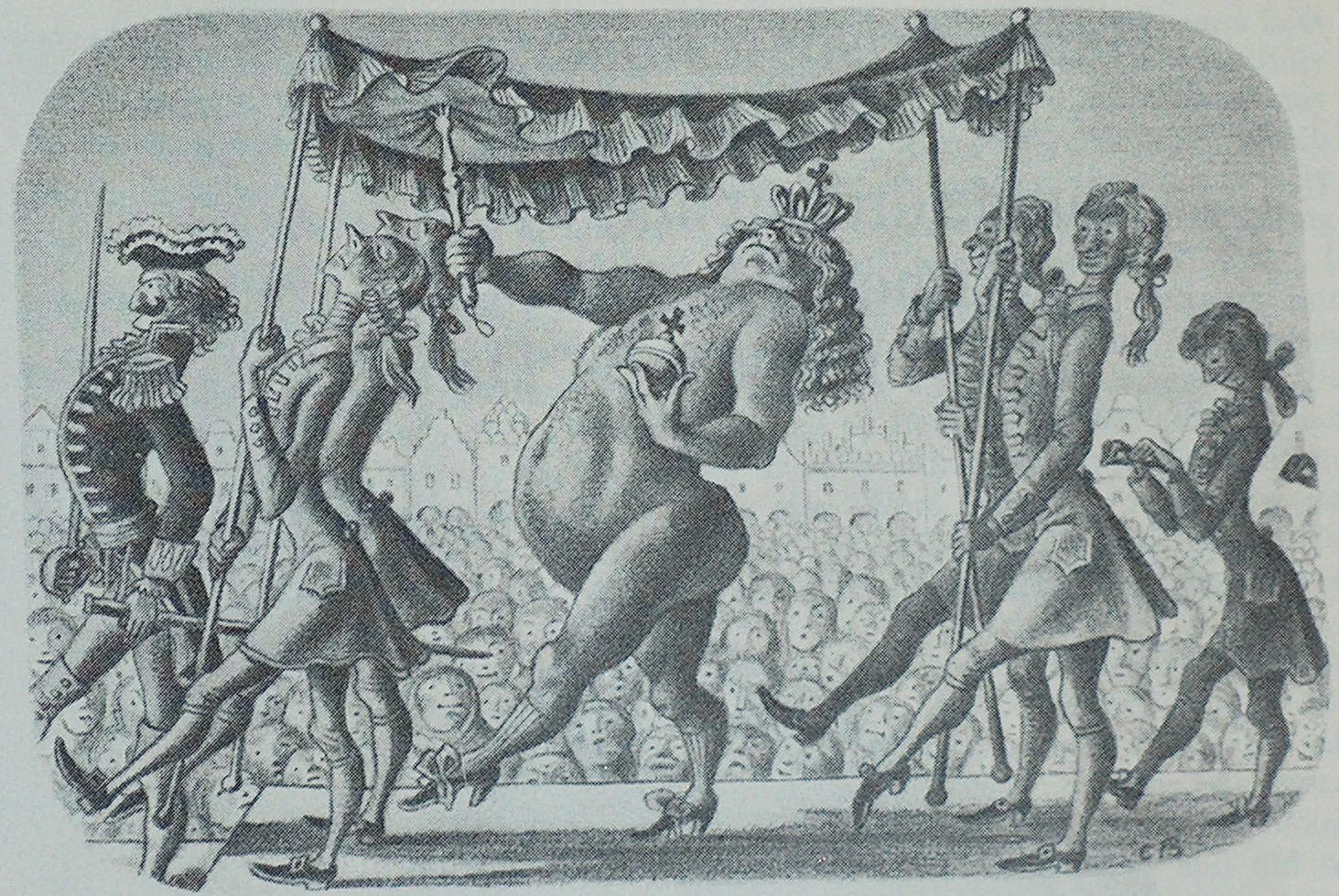
emperor's new clothes.jpg

An anonymous reader takes me to task for crediting David Ogilvy with helping to keep the Greenwich luxury housing segment priced as high as it was for so long: “Brokers don't set prices, buyers and sellers do”, he says, and of course he’s right, in a broad sense, and he’s right that no small group of individuals can expect to forever hold back the tide against the collapse of our financial bubble and Connecticut’s own fiscal woes.

But what that reader isn’t accounting for is another factor: the gradual growth in transparency of our real estate data, a development that transformed a closed, secretive market into a (mostly) efficient one. Sellers, but especially buyers, were at the mercy of their agent, who at least legally, represented the seller. The buyers would present themselves at the broker’s office, be handed a small list of properties deemed suitable for them by the agent (with no pictures available), and be escorted off on the grand tour in the agent’s car: a Rolls Royce, in Marge Rowe’s case, more modest vehicles in others. In that environment, a prominent broker/agent like Ogilvy could opine on the value of a particular house and there was no one to gainsay him. So yes, I do credit him and some of his peers with inflating the value of many homes and propping them up with their puffery and secrecy.

The Internet and real estate sites like Zillow have dispersed much of that darkness, and buyers can see for themselves what’s going on. Better, the law was changed to permit “buyers’ representatives”, who owe their duty of loyalty to their client, rather than the seller, and are thus free to disclose their opinion on value and dish up any troubles in the seller’s personal life that might exert pressure to sell: divorce and pending indictments are always good for that, but downsizing, a murder in the basement, the rumored existence of a pederast next door, all can be useful.

There are still some barriers to transparency, though. I was able to shame the GAR into amending its “days on market” statistic so that brokers can no longer cancel a stale listing and replace it with a new one the same day and reset the clock. Now, there must be a six-month hiatus. Not perfect, but a buyer’s agent can tell you the real story. The “ask to sell ratio” is still with us, and is still useless, based as it is on the last price asked, and not the original. Of course it’s the last price — if it hadn’t sold, it wouldn’t have been the last price, so you can ignore that useless factoid.

I’m certainly no expert on Wall Street, but it strikes me that the same process has affected securities trading, with the same result: prices dropped, and boutique firms went the way of, say, David Ogilvy and Associates.

Got rich, cheated, stayed rich while in prison, and now he's a man of God

Well, maybe. Vanity Fair’s profile of Chip Skowron and his troubles resuming his social life in town elicits little sympathy from me, but I’m not the person to judge other people, so God bless him. I know a couple of the 200 people who lost their jobs when Skowron’s perfidy was exposed, though, and I don’t believe they share my charitable feelings.

No wonder the NEA and its captive politicians hate them

Harlem_0056-716x320.jpg

Bronx charter school 8th Graders ace statewide math exam

An entire Bronx charter-school class in the nation’s poorest congressional district not only passed the Algebra I Regents exam — but aced it, officials told The Post.

A total of 53 eighth-graders at Success Academy Bronx 2 in Concourse Village — where 90 percent of students qualify for free lunch — conquered the rigorous test with rankings of 5 out of 5, according to the charter school’s network.

That mark corresponds to a score of 85 or higher on the math test.

But, and what a surprise,

With its opponents holding sway in Albany, the charter-school sector is facing punishing political headwinds.

Charter opponents accuse the schools of siphoning money from the traditional public system, pruning problematic students and failing to ensure proper transparency.

Success Academy, considered a sector leader, has also come under fire for what some parents and politicians have deemed excessively rigid discipline and suspension policies.

Despite those critiques, demand for charter seats continues to swell — especially in poor minority communities with grim schooling alternatives.

Chronic underperformance continues to plague large swaths of the city, especially at the middle-school level.

The Post reported on Sunday that critics are warning of widespread “grade inflation” in DOE schools — where kids who aren’t passing state English and math proficiency exams are still being graduated from grade to grade.

There were 52,700 students on charter waiting lists this past academic year but lawmakers declined to lift the cap on expansion of the sector.

Roughly 10 percent of all city kids are enrolled in charter schools.

Connecticut is doing its best to restrict charter schools (and abolish discipline in its own public schools), Maine just set a cap limiting charter schools to 10, for the entire state, and across the country, teachers unions, politicians and public school administrators are fiercely resisting this threat to their monopoly. So who are the compassionate ones, turf-protecting Democrats? I think not.