Ah, the Valbella basement tapes

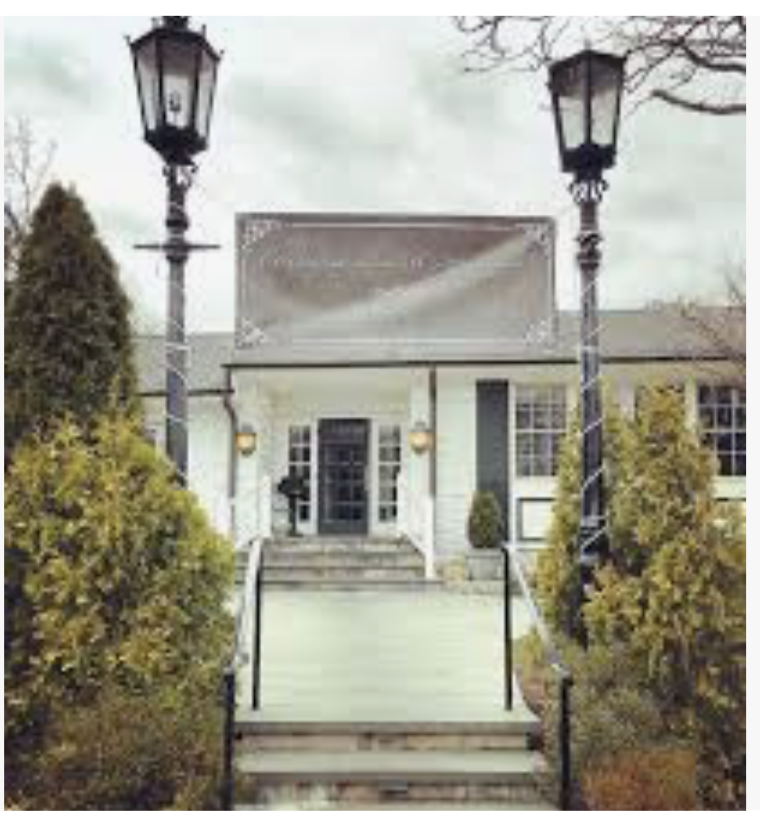
Screen Shot 2020-09-17 at 12.33.55 PM.png

Our P&Z has reluctantly approved Valbella Restaurant’s application for outdoor dining despite continued issues with its unpermitted basement dining space.

Readers with memories that can stretch back to the late 80s or 90s will recall that Valbella replaced the Gas Light (?) and, a week before reopening under new management, burned down — there was a reason for that, so read on. In any event, it did eventually get up and running, with one peculiarity: on weekend nights, the side road off the Post Road was jammed with huge limos bearing NY plates. Two, even three friends of mine whose veracity was unquestioned told me the same story: the basement was supposedly “reserved”, but they’d independently snuck down the stairs to see what was going on, and it was, literally, a mob scene: huge men, all wearing gold necklaces and finger jewelry, dyed-blonde bimbos with pneumatic breasts, and bodyguards along the wall. Brooklyn meets Greenwich.

Many years later the FBI busted a huge Mafia ring down in the city, and released some great details about Valbella. Turns out, the poor owner was the victim not only of the Mafia but also, and worse, the Albanians (a friend and neighbor of mine, a Brit who spend several decades working for FIAT in Italy said that the Albanians make their Italian counterparts look like defanged pussycats). I forget which group burned down his restaurant, but they both took turns extorting him. The Albanians hung him by his heels in that very same basement and beat him until he agreed to pay tribute, the Italians demanded free meals.

The FBI released a hilarious wiretap of the mafioso boss, confined in a prison hospital, yelling at his troops because while he was getting prison food and no money, his guidos were content with stuffing their faces with Valbella meatballs and letting the friggin’ Albanians collect the cash. Which I suppose illustrated my neighbor’s assessment of the two groups’ natures perfectly.

Anyway, that was long ago, and presumably, the competing mobs have gone elsewhere and left the poor owner alone. Still, the illegal basement dining room does seem to have lingered on.

Loss on Will Merry Lane

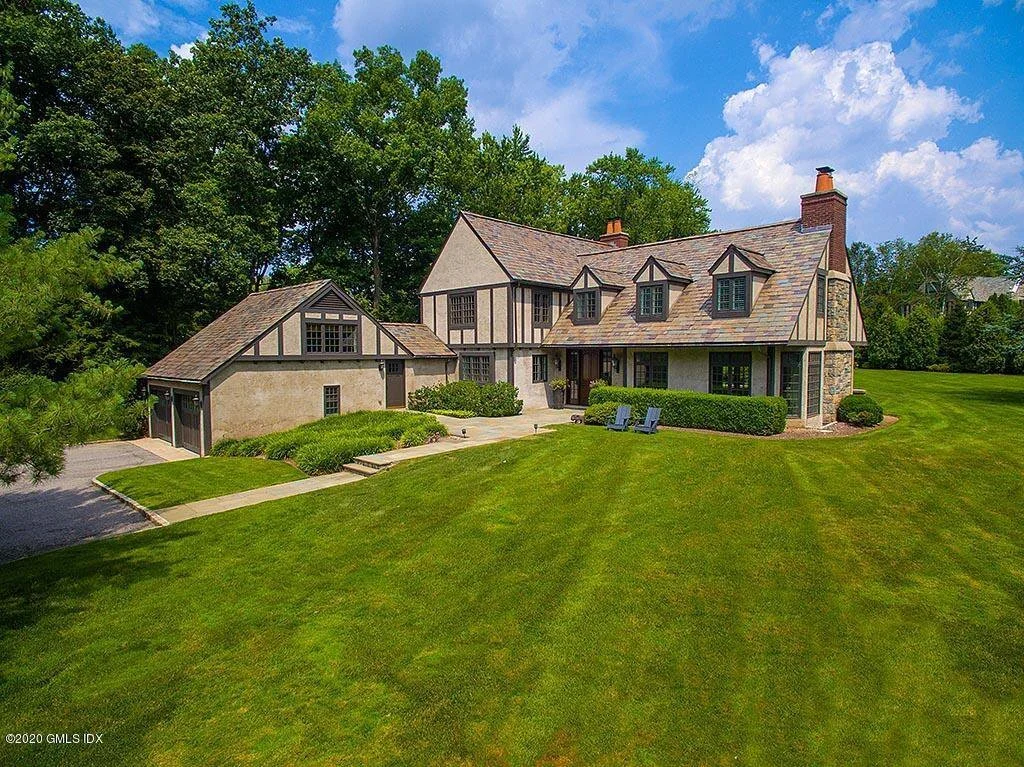
will merry.jpg

46 Will Merry, purchased for $2.525 million in 2011 and originally listed this time at $2.695, has sold for $2.1 million. I don’t gloat over tales like this; there’s no pleasure, only sorrow, in seeing a family take a financial wallop, and I mention it only to illustrate the perils of buying a property in a “compromised” location, which Will Merry is.

The house is a good one, the back yard is great, and the noise level from the Merritt is almost negligible, but the Merritt is there, and historically, prices on this street have been discounted because of that.

That said, $2.1 strikes me as a good price for a very nice house, and I wish the buyers all the best.

Interesting article on leaving Greenwich by Greenwich Time columnist Claire Tisne Haft

Fleeing California (photo credit, Babylon Bee)

Fleeing California (photo credit, Babylon Bee)

It’s behind a paywall, but disabling Java Script on your browser solves that. I don’t know Ms.Tisne Haft, but she writes thoughtful commentary, very well. Here’s an excerpt:

“I think it’s more: We live in an Alpha community — all of us are constantly trying to figure out how to ‘live our best lives,’ ” a Greenwich mom offered. “And COVID has taught us that we can live differently, that we don’t all have to live by ice hockey or lacrosse schedules, and so we’re sort of redefining what happiness looks like right now.

“As a result, people have had these epiphanies and acted on them, without the usual debate they’d normally have with all their friends,” she said. “And then, all of the sudden, you get this email from Colorado, where they’re meditating with their kids on a mountain top with eagles — and it kind of leaves you here, feeling … less evolved.”

Totally. No eagles here — at least not on my road.

“It looks like this,” another Greenwich mom told me. “Everybody in our family has been struggling through this pandemic. Can’t see friends, no camp — or if you can, it’s muffled — and let’s face it: It’s highly likely school will shut down this winter. So moving everyone to a ski mountain is like giving ourselves a treat for enduring all of this … and why not do it now, when we can?”

There was a parent on a Board of Education meeting on Zoom this summer, who asked how GPS could “accommodate” their family with their remote-learning platform, given that they were moving to Hawaii for the winter, and were facing a significant time difference.

Suddenly Tod’s Point doesn’t look so special anymore. The irony is, of course, that Greenwich already feels like Hawaii for many of us who relocated here from New York City.

“Forget eagles,” my transplanted neighbor from Brooklyn told me. “We’re just happy to go for a jog outside with no face mask.”

They, too, had surprised friends, and moved on sudden epiphanies.

“We fled,” Rebecca Stevens-Walker told CNN in a report on relocations. “Our apartment looked like the rapture had come. ... And we definitely had the conversation, ‘What if we don’t go back?’ ”

In July, Pew Research Center found that one-fifth of all U.S. adults had either moved or knew someone who did.

And then there’s the money.

“Typical Greenwich,” a friend from the city snarked. “How about, ‘We’re running out of money, my job’s on the line, things are going to get worse so we need to relocate to a place where life is cheaper and sell this house while we can?’ Does that even happen out by you?”

Truth be told, I know a lot of Greenwich families who relocated to less expensive areas. (They just don’t like to tell anyone.)

Typical Greenwich, right?

“Private schools are literally half the price, the kids ski for gym class, and pan for gold while learning about the Gold Rush,” my Tahoe friend went on.

She had me at “half the price.”

Pending in mid-country

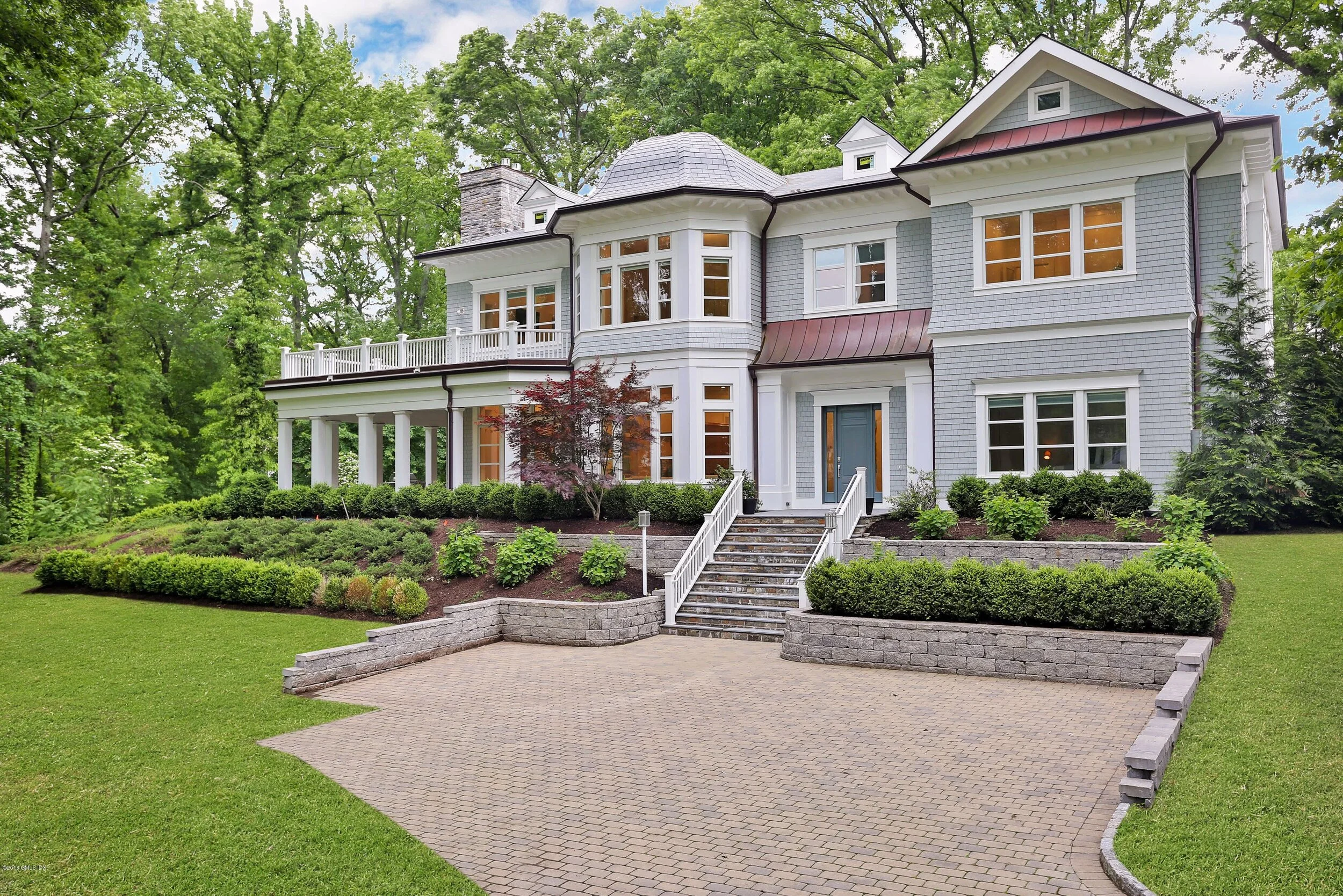
15 flagler.jpg

15 Flagler Drive (off mid-North street), $2.995 million. Owners paid $2.8 for the property in 2001 and depending on who you believe, the tax card or the absolutely trustworthy listing agent Joe Barbieri (I’m not being sarcastic here, Joe’s salt of the earth), it was either built in 1988 or 2004. At the very least, the house was entirely rebuilt and expanded in 2004 and could legitimately claim its pedigree there. Great land, excellent location, and at under $3, not an unreasonable price.

I’ll confess that sales like that are a tad discouraging for buyers’ agents like me, who have done very well over the years scouting out bargains; a year ago, I could probably have helped a buyer grab this at $2.350 or so, and maybe even lower. But at least for the moment, the market seems to be solid, and houses are selling about where you’d expect them to. There are still plenty of overpriced properties, mind you, but once they hit a reasonable level they’re getting snatched up, and opportunities to grab stale listings at below-market value from discouraged owners have diminished.

All of which is great news for sellers, of course, and I’m happy for them; I represent the occasional seller too, and even if I didn’t, a healthy market is a wonderful thing, good for everyone. But sellers, don’t get cocky: if your home’s been on the market since, say, June, and you haven’t received offers, you’ve overpriced it. Drop it now, while the buyers are still out and about.

But they know that our country was founded and sustained on slavery

Schnitzel! You smell a micro-aggression?

Schnitzel! You smell a micro-aggression?

2/3 of our idiot youth know nothing about the Holocaust

Almost two-thirds of young American adults do not know that 6 million Jews were killed during the Holocaust, and more than one in 10 believe Jews caused the Holocaust, a new survey has found, revealing shocking levels of ignorance about the greatest crime of the 20th century.

According to the study of millennial and Gen Z adults aged between 18 and 39, almost half (48%) could not name a single concentration camp or ghetto established during the second world war.

Almost a quarter of respondents (23%) said they believed the Holocaust was a myth, or had been exaggerated, or they weren’t sure. One in eight (12%) said they had definitely not heard, or didn’t think they had heard, about the Holocaust.

Here’s the more significant point, at least in so far as it explains the appeal of communism to these products of modern education:

If they don’t know about the Holocaust, how little must they know about Stalin’s Ukrainian famine, the Khmer Rouge, and Mao’s mass murders?