Stupid is as stupid does
/
LA County Just Paid Its CEO a $2 Million Dollar Settlement Because Voters Hurt Her Feelings
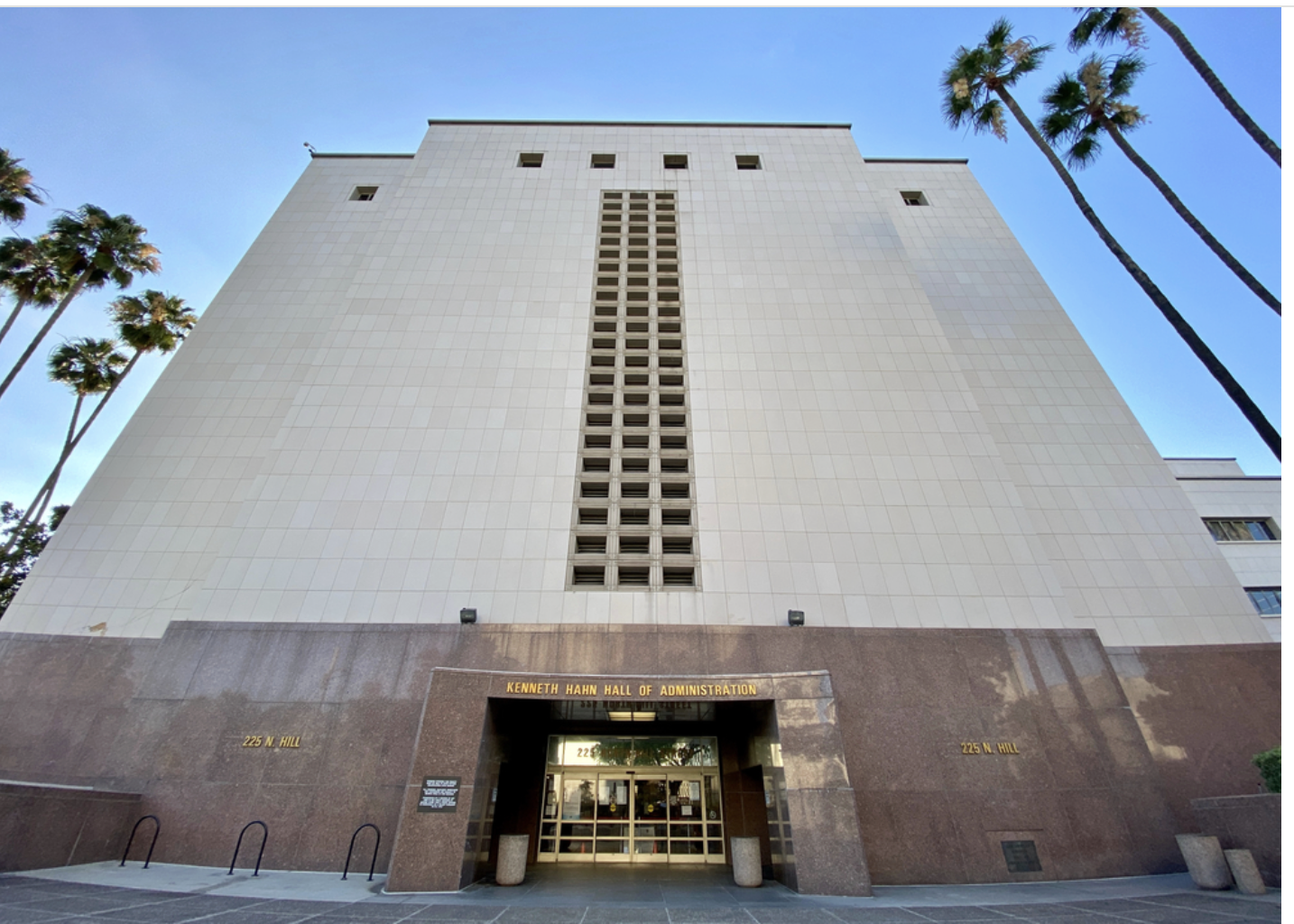
Last November, Measure G was passed by LA County voters. Measure G required voter approval for the position of County CEO. Apparently, being subject to voter approval was too much for the appointed LA County CEO, Fesia Davenport. The CEO is in charge of the county budget, but Davenport had other priorities as well. According to her BIO, her tasks and priorities included:
“...maintaining labor relations with the County’s 64 bargaining units, managing enterprise administrative operations of the County’s 38 departments, and ensuring the successful implementation of key priorities of the Board of Supervisors, including sustainability, poverty alleviation, addressing homelessness, and supporting anti-racism, diversity and inclusion.”
Appointed to her position in 2021, in the spring of 2025, Davenport wrote a letter to County Counsel. She wanted out, and she wanted a bag of cash.
“Measure G is an unprecedented event, and has had, and will continue to have, an unprecedented impact on my professional reputation, health, career, income, and retirement,” CEO Fesia Davenport wrote to county counsel Dawyn Harrison in a letter obtained by the Times. “My hope is that after setting aside the amount of my ask, that there can be a true focus on what the real issues are here - measure G has irrevocably changed my life, my professional career, economic outlook, and plans for the future.”
Apparently, Davenport was demanding her own "poverty alleviation." And, the county rolled. It just paid her $2,000,000. The details of the settlement required her and the county to keep the reasons for the settlement confidential, but her letter to County Counsel makes it pretty clear. Fesia's "feels” were hurt by the supervisors and the voters. And, I think, she wanted out before the house came crashing down around her.
….
This week, she headed for the door without an explanation to the staff, with a figurative bag of money in hand, and a “good luck” wave to the supervisors of an almost bankrupt county. Although Davenport seemed distressed by the near bankruptcy of the county, she wasn't so distressed to ask for, and receive two million dollars because Measure G “changed” her life, her "professional career, economic outlook, and plans for the future.”
From the comments:

Yes, you do, too, but if you care to confirm the obvious, you can go here.
Rogues Hill sale
/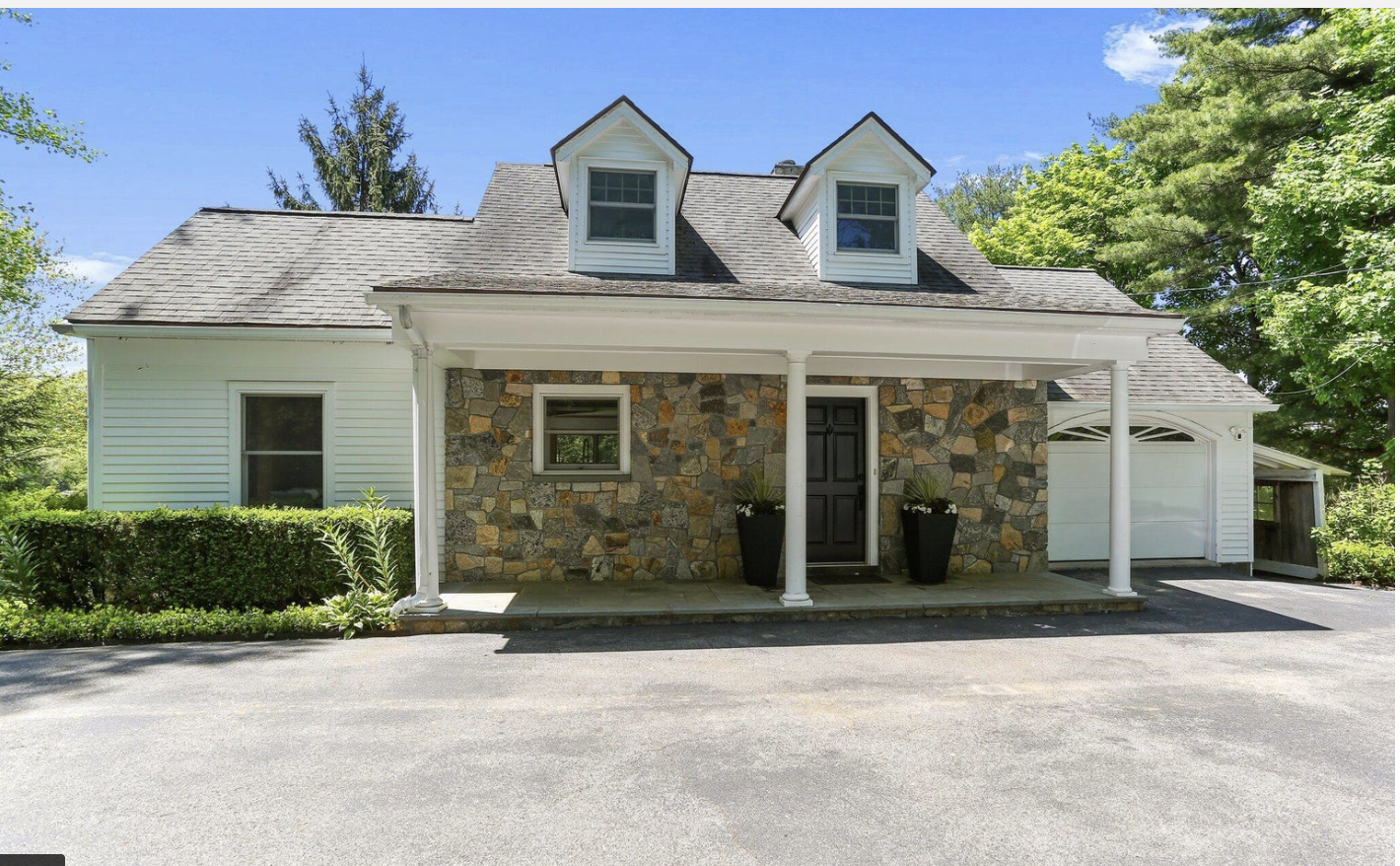
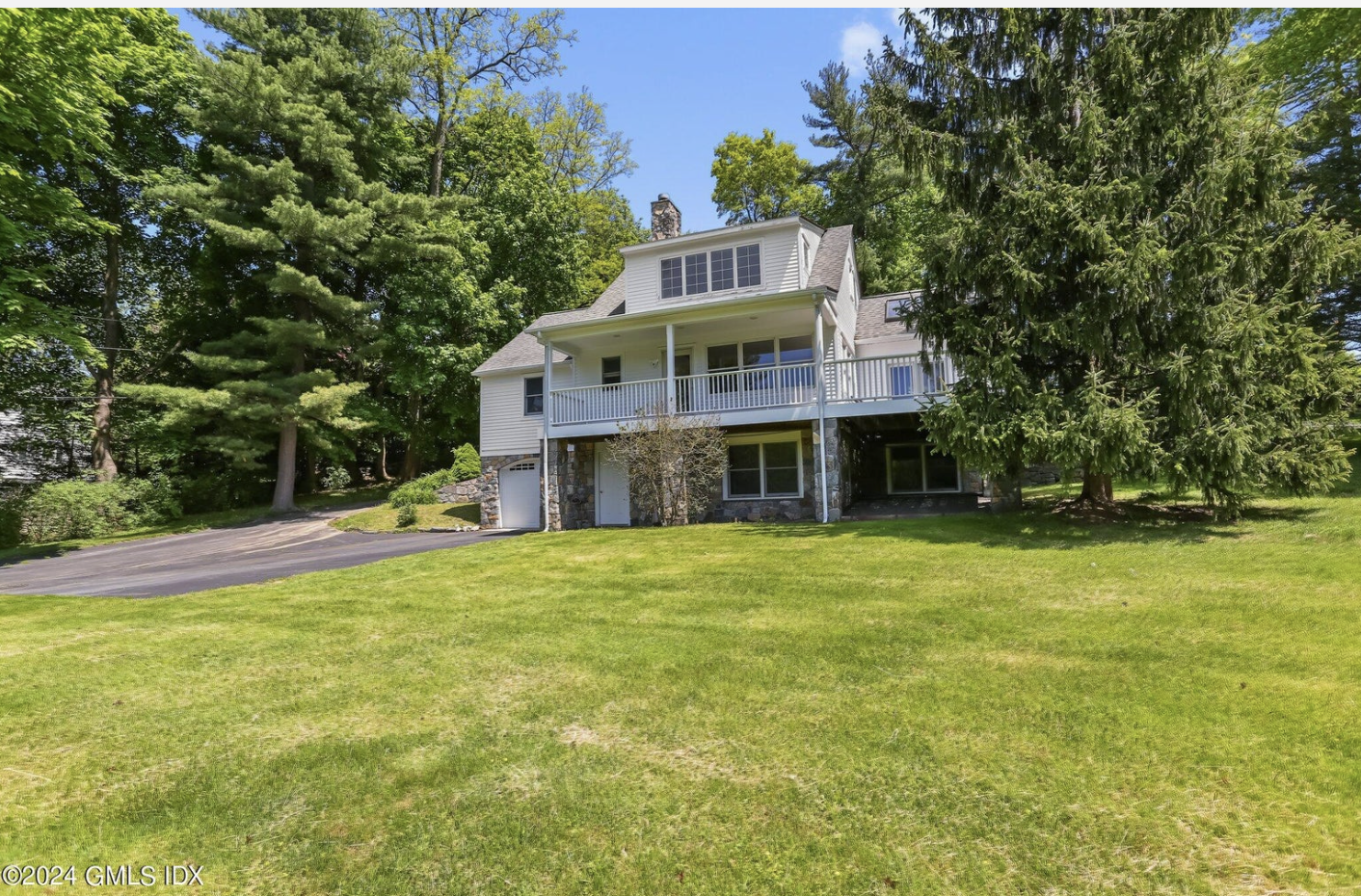
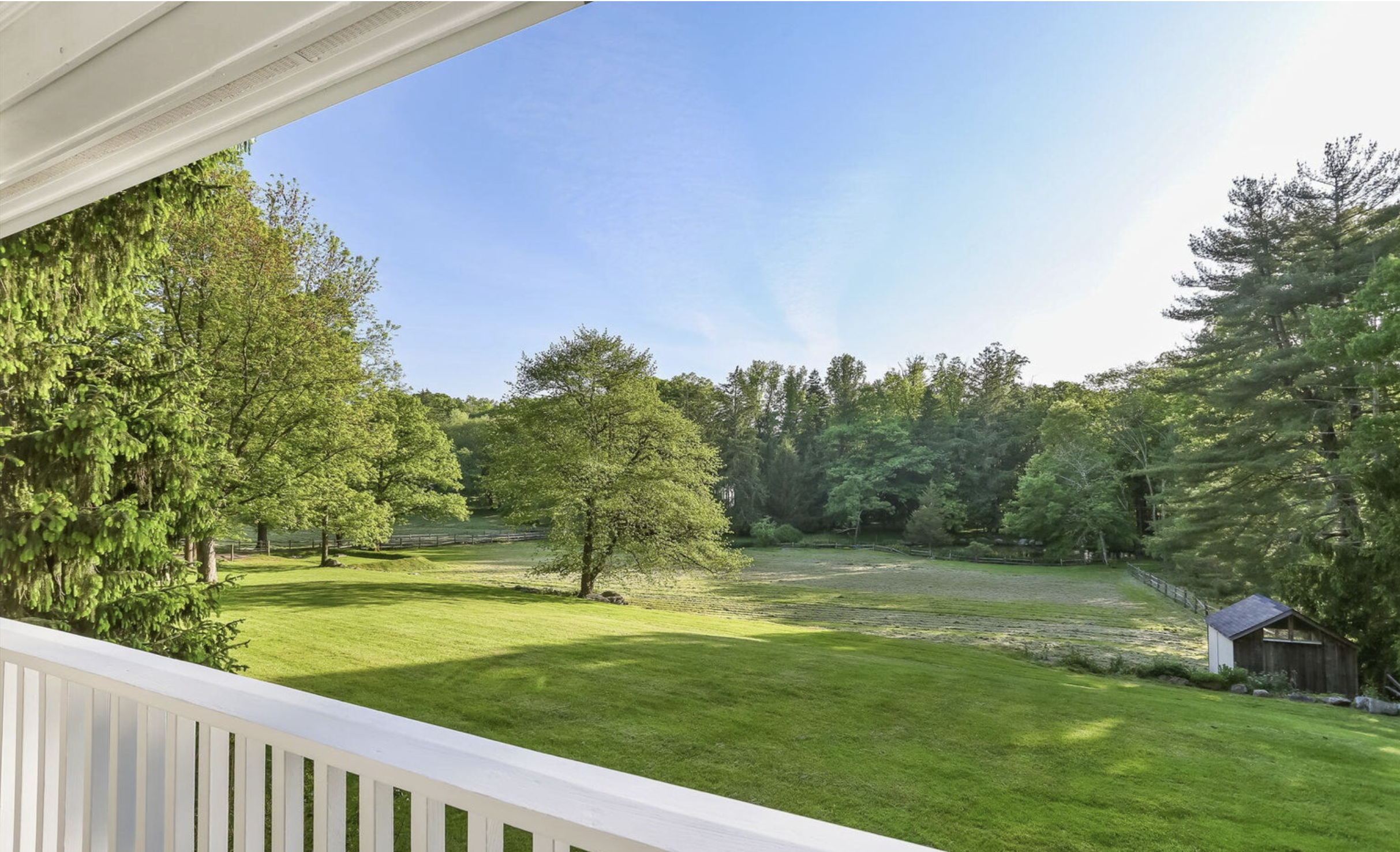
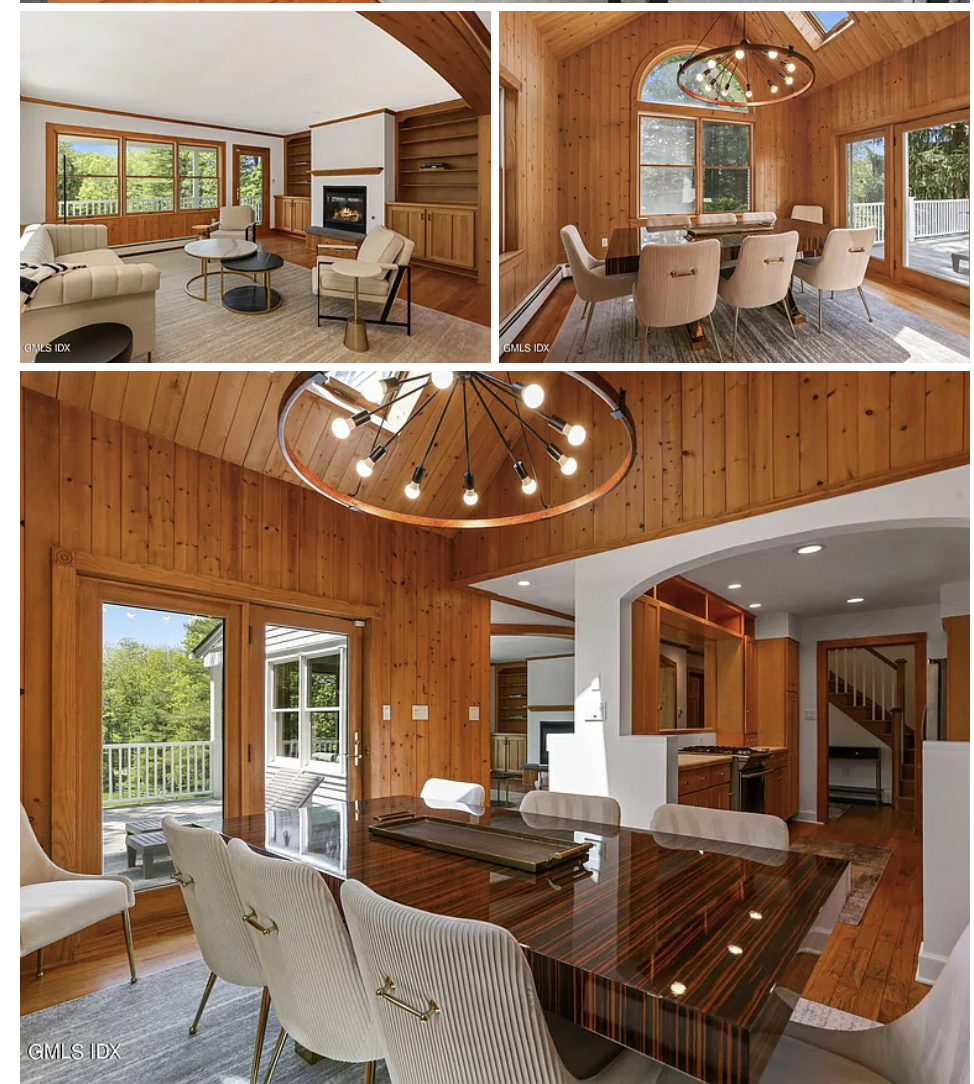
532 Round Hill Road, $3.5 million — full price, but it took a year. Four acres and a cottage built in 1999 which the listing suggests could be torn down, but I can’t imagine anyone doing that if it’s possible to build a new house and retain this one; it’s pretty special.

Another Sears home has surfaced
/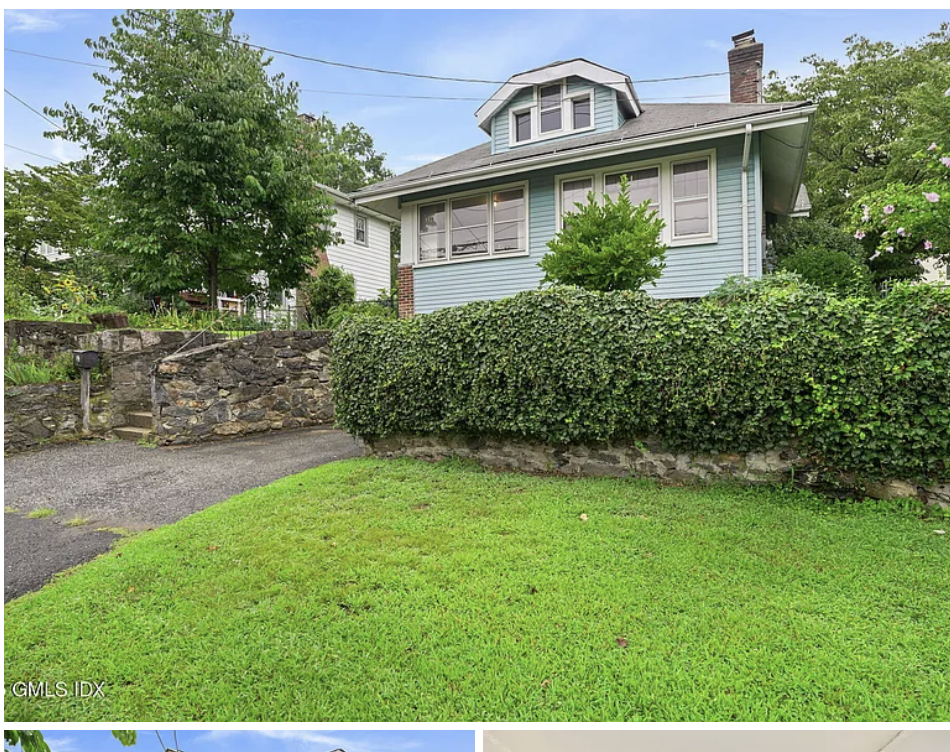
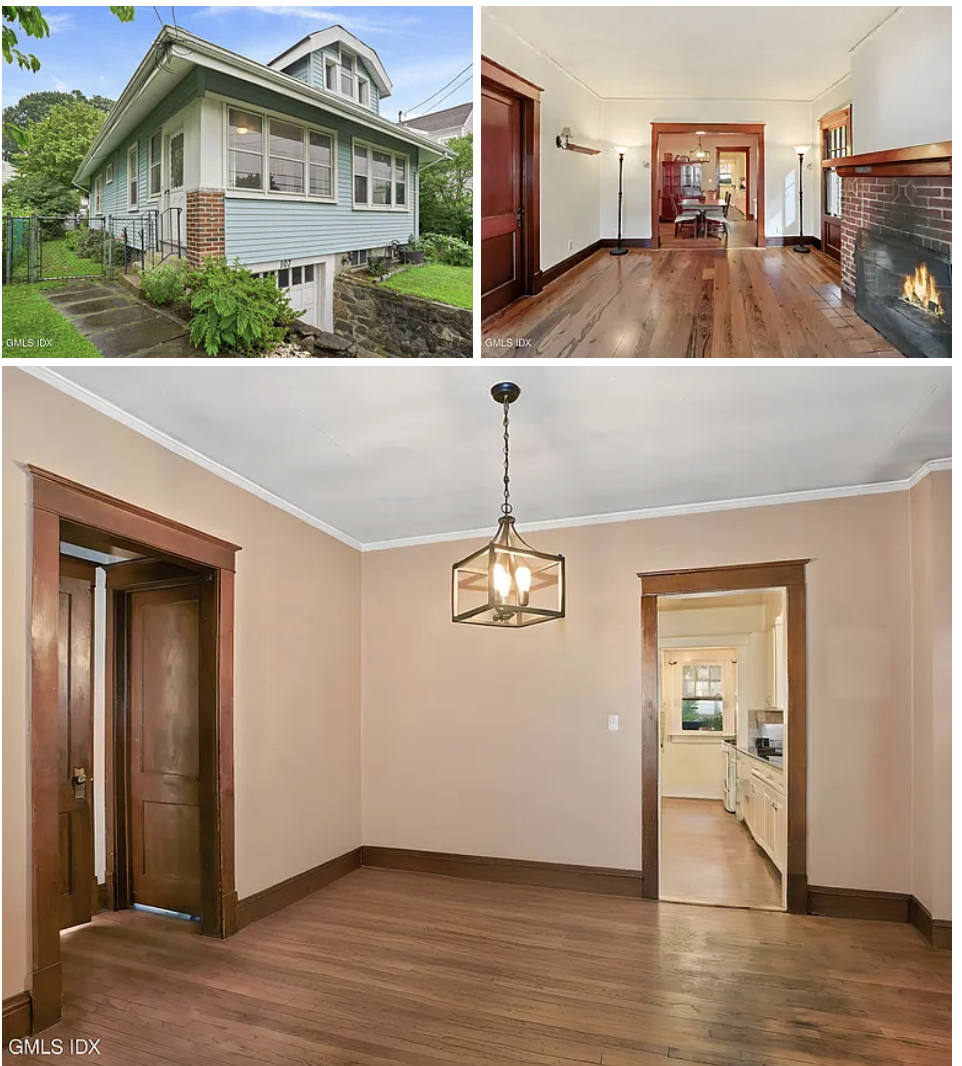
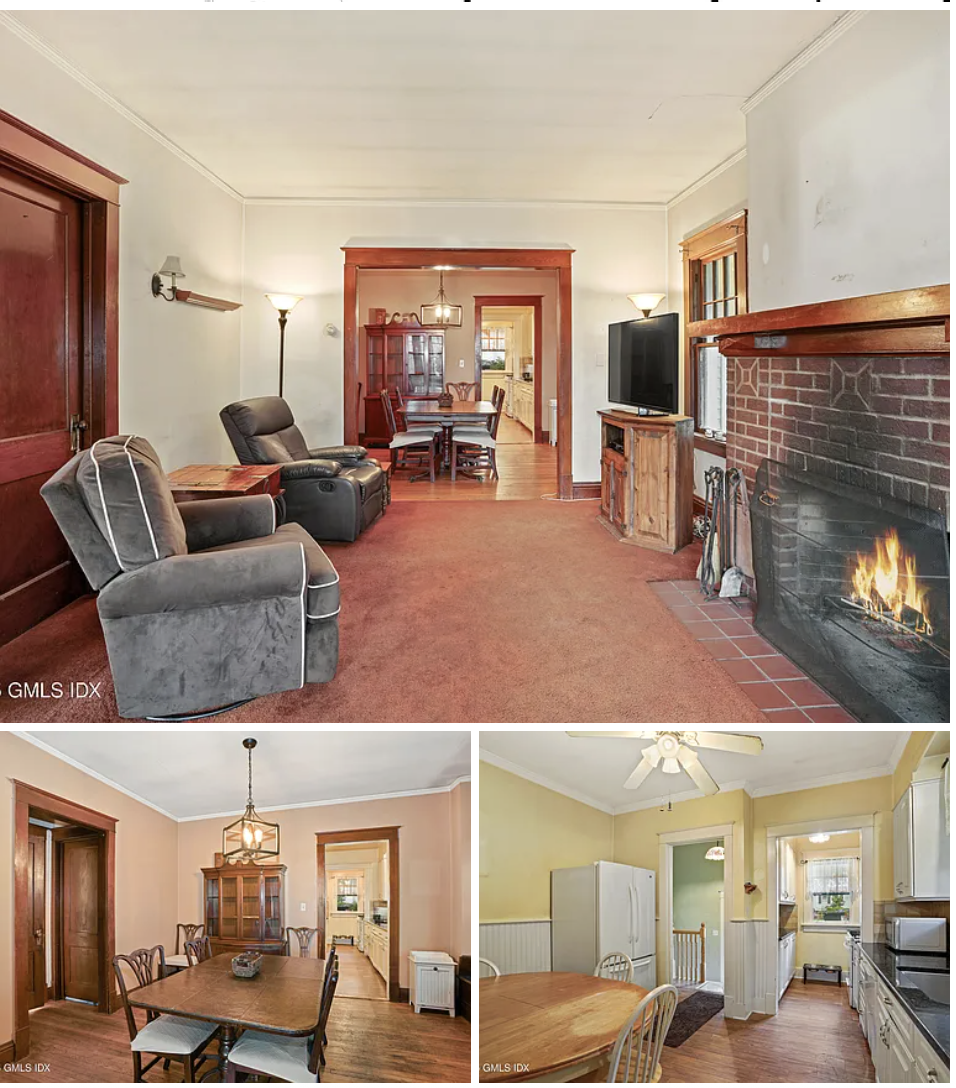
In my post yesterday on Sears, Roebuck mail-order homes I wrote that I was only aware of three in town, all on Chapel Lane in Riverside and all erected in 1911. Today another one, a 1927, 2 bedroom, 2 bath 1,027 sq. ft. model, 107 Pemberwick Road was reported as pending on the other side of town. $795,000.
So it seems there are more scattered around town after all.
Stiles Lane sale price reported
/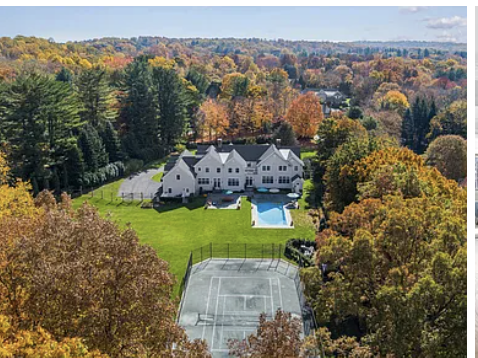
27 Stiles Lane, $5.5 million ($5.9 asked). Purchased in February ‘22 for $4.625, buyers are from Hartsdale (10530 ZIP) which, according to the WSJ, “Is not Scarsdale, but it’s close”. No wonder they moved.
Of bare cupboards and grocery shelves
/There’s no question that the war in Gaza inflicted horrible damage to the city and its inhabitants; next time, think about the consequences of attacking Israel before you cross the border. But it’s also true that the media accepted unquestionably the wildly inflated numbers of dead passed out by Hamas, and carefully posed photographs of suffering actors like Mr. FAFO. Remember the “Starving Child” who became as famous as Maryland Man” last summer?

…. The Times ran the story on its print front page July 25, with the photo of the child and his mother as the leading image. The caption says the child was “born healthy” but is suffering from “severe malnutrition.”
Yet, it turned out there was more to the story.
Five days after the story was published, on July 29, The Times issued an editor’s note (buried at the bottom of the article) as well as a brief statement on its communications social media page that offered readers much-needed context.
The note “clarifies” that the child suffers from serious “pre-existing health problems.”
“We have since learned new information, including from the hospital that treated him and his medical records, and have updated our story to add context about his pre-existing health problems,” a Times spokesperson said in the statement. “This additional detail gives readers a greater understanding of his situation.”
Now new videos are coming out, filmed and posted by Gazans themselves, and people are noticing a strange thing:
BREAKING: Palestinians are posting videos titled “1st day in Gaza without war.”
— Eyal Yakoby (@EYakoby) October 15, 2025
Bustling malls, fully supermarkets, and the brand new iPhone 17 for sale.
You have been manipulated for over two years.pic.twitter.com/RDDUbxqIqb
And this classic from last summer:

"The cupboard is bare — there are no more cuts to be made" N. Pelosi, 9/22/2013
/
Scott Bessent urges IMF to unload swanky Maryland country club: ‘They can start by selling the golf course’
Treasury Secretary Scott Bessent on Tuesday urged the International Monetary Fund to sell a swanky country club it owns in Maryland after The Post revealed how its staff qualify for discounted memberships at the posh golf course.
As first reported by The Post, Bessent’s former chief of staff Dan Katz was picked last month to become the IMF’s second-in-command as the Trump administration plans a shakeup of the global lender, which has long been accused of running a bloated bureaucracy staffed by high-paid paper pushers.
On Tuesday, Bessent exclusively told The Post that Katz may demand that the Bretton Woods Recreation Center go on the block as part of a cost-cutting program.
“They can start by selling the golf course,” Bessent said of the resort, which charges regular customers between $12,000 and $20,000 in initiation fees that are waived for bureaucrats of both bodies. “I don’t think (President Trump) knows about it. I don’t think he would be happy about it.”
The Treasury Secretary said the current commander-in-chief wants officials at the global financial firefighter “to go back to their core mission,” which he said is “providing liquidity, providing backstops, and being useful as an intervention when countries are in trouble.”
Bessent has been a staunch critic of the IMF since joining the Trump administration, accusing it of straying from its original mission of economic stability by focusing on woke causes.
He said the IMF should also slam the brakes on its “dalliance in these climate policies or social engineering.”
The Post has approached an IMF spokesperson for comment.
The Post broke the news in December that staff at the IMF and the World Bank enjoyed cut-price membership of the swanky country club in Germantown, Maryland, with stiff initiation fees automatically waived.@brettonwoodsrecreation/Instagram
Katz, a Yale graduate and Goldman Sachs alum, also served in the first Trump administration.
He recently played a key role in thrashing out the US’s economic partnership deal with Ukraine and is seen as one of Bessent’s closest confidantes.
Katz also has personal ties with the world of global finance: Lord Mervyn King, the former governor of the Bank of England, officiated his wedding ceremony in Riverside, Connecticut, in September 2019. [See Greenwich Magazine — Ed]
The former senior fellow at the Manhattan Institute, who joined the Treasury Department in January, is now the most senior American at the IMF after being formally confirmed in his new role two weeks ago.
Katz formally took up his new role at the International Monetary Fund earlier this month. He has been described as one of Scott Bessent’s closest confidantes.
Last month, The Post reported the Fund’s climate and gender units would no longer operate as standalone divisions inside the body, but would instead be merged into its wider macroeconomic unit.
“The Secretary has been very clear that this woke b——t needs to end,” said one DC insider of Katz’s move to the global organization led by Bulgarian economist Kristalina Georgieva.
This newspaper has repeatedly exposed how the World Bank’s bureaucrats enjoy a jet-setting lifestyle while lecturing poorer countries on how to run their economies.
Aside from the Maryland country club, officials at the IMF also enjoy lavish perks virtually unheard of in the private sector, and many people in the countries that take its loans can only dream of.
Stiff initiation fees at the IMF-owned golf course — which range from $12,000 to $20,000 — are automatically waived for all employees on the payroll of the two institutions. They make up 80% of its membership, according to insiders.
Club documents show IMF employees who pick up $162,699 or less pay monthly dues between $142 and $312 a month, with senior IMF executives who earn over that sum asked to fork out $355 a month.
And no doubt Gay Jews for Palestine contributed generously to their relief fund
/
speaking truth to peta
Palestinian Authority Makes Released Terrorists Millionaires
The Palestinian Authority (PA) had a fortune waiting to reward many of the mass murdering terrorists released by Israel as part of the Trump-brokered deal to bring back the 20 remaining Israeli hostages.
The PA occasionally makes statements encouraging the pretense that, at some point, they will end the “pay-for-slay program,” but they never do. This program provides millions of dollars to terrorists and their families as a reward and incentive for terrorism. And unfortunately, according to the nation of Israel, the jihadis they released this week are already reaping the monetary benefits of the bloody terror attacks that landed them in Israeli prisons to begin with.
Palestinian Media Watch (PMW) released new information that Israel posted on its official feed. Turns out there are more than 150 new millionaires in Gaza thanks to the PA’s generosity (and probably using a significant amount of funding from Qatar, Iran, and numerous Western nations).
160 new Palestinian terrorist millionaires
— Pal Media Watch (@palwatch) October 15, 2025
Israel released 250 terrorists, each serving at least one life sentence for murder, to free 20 hostages
In prison, the PA paid them huge monthly salaries
Total PA terror payout: ₪229,523,000
The PA keeps proving it REALLY pays to slay pic.twitter.com/VQMszHHwAf
PMW added, “Palestinian Authority murder payout for the terrorists released (current rate): $69,740,781.67.”
Meet some of the world’s worst people. Terrorists that Israel is releasing in order to secure the release of our family members, kidnapped from their homes or from a music festival:
— Israel ישראל (@Israel) October 13, 2025
This is Iyad Abu al-Rub.
A senior commander of Palestinian Islamic Jihad in Jenin, he served as… pic.twitter.com/3DQtWz3QVv
Sunday I mentioned a Jerusalem Post article that details how these Hamas and Palestinian leaders amassed billions and are living in luxury in Qatar and Saudi Arabia while they exhort “their people” to continue their destructive war, it’s nice of those thugs to toss some crumbs to a few fellow-terrorists, but a few hundred million is a drop in the bucket from the billions they’ve already collected from their ongoing scam, and they’ll make it up in no time. Here’s that JP article again:
Hamas's blood-soaked billions: How does the terror group stay rich?
Israel and the US have tried to shut down the flow of money to Hamas. Has it worked? According to experts, Hamas seems financially bulletproof.
Sears mail order homes
/
I’ve written about Sears homes before, but this article from Historyfacts.com arrived in my inbox today, and I found it interesting and thought (at least some) readers would too, especially Riverside, where there are at least three homes remaining on Chapel Lane, all delivered in 1911 to the New Haven’s Riverside railroad station and brought to and assembled on Chapel Lane a few hundred yards away. There may be more such homes scattered about town, but these three: 11 Chapel, 13, and 17 are those I know about.
The Rise and Fall of Sears Mail-Order Homes
In 1906, Sears was a flourishing catalog company that had just launched a highly successful initial public offering. The company went public under the name Sears, Roebuck and Co. after completing the construction of an enormous new headquarters and distribution center in Chicago, which totaled 3 million square feet of floor space over 40 acres of land. Sears advertised the new complex as “the largest mercantile plant in the world,” and included illustrations of it on the backs of its catalogs. It was a heady time for the company, but not everything was running smoothly.
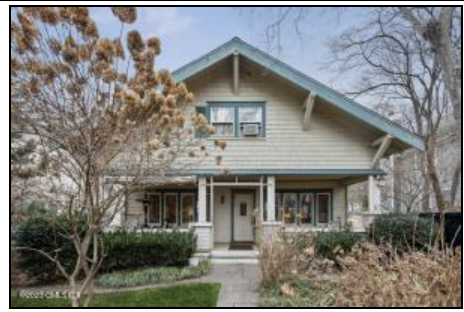
Crossman Manor 17 Chapel Lane
Though Sears was growing, its building supplies department was proving unprofitable, and a decision to close it loomed. Manager Frank W. Kushel was appointed to oversee the liquidation of the department, but he instead developed a way to sustain it: All the supplies needed to construct a home were bundled together with blueprints, and shipped directly from the factory. This eliminated the need to warehouse the materials, thus saving costs, while simultaneously creating a bigger-ticket product line. The Book of Modern Homes and Building Plans — the first catalog of Sears mail-order houses — was sent to prospective customers in 1908.
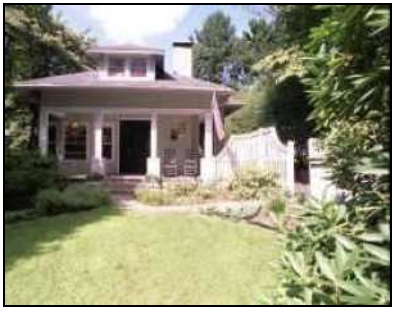
17 Chapel Lane
Sears was not the first company to sell kit houses — the Aladdin Company, Montgomery Ward, Lewis Homes, and others were also in the market around the same time — but Sears touted its status as one of the “largest commercial institutions in the world” with its massive distribution center, and promised to save customers between “$500 and $1,000 or more” in building costs, while guaranteeing the quality and reliability of materials. Balloon-style framing design, with drywall instead of lath and plaster, reduced the carpenter hours needed to build a house, in turn lowering the total cost for the buyer. In the initial 1908 catalog, 22 home designs were offered, ranging in price from $650 to $2,500 (roughly $20,000 to $80,000 today) and in sizes from unassuming to approaching grandeur.
Not surprisingly, delivery of materials was a complex operation. The average buyer didn’t have the space to store all the building pieces at once, so shipments were phased. The lumber and nails for the frame arrived first, in order to allow the roof and enclosure to be built, thus ensuring adequate shelter for the ensuing materials. When the customer was ready, they sent for the next shipment, which included millwork and inside finish. Hardware, paint, and any additional furnishings were the third and final shipment.
The majority of mail-order houses arrived by train; the buyers hauled the materials from the boxcar to their building site, unless they were well heeled enough to pay for the railroad to truck the supplies from the station. The first orders for homes were placed by customers around late 1908 or early 1909.
Sears moved aggressively to improve home offerings and stimulate sales. In 1909, it acquired a lumber mill in Mansfield, Louisiana. The following year, electric lights and gas (high-end amenities at the time) were included in home designs. The next two years saw the completion of an additional lumber mill in Cairo, Illinois, and the acquisition of a millwork plant in Norwood, Ohio.
The new facilities enabled the company to manufacture its entire line of homes using its own sources, which allowed for an expanded number of home designs. By 1912, the Modern Homes department reached an annual sales volume of $2,595,000, which equated to a profit of $176,000. This was enough to wipe out the previous losses from the department’s former building supplies incarnation. Kushel’s plan was a success.
In 1916, Sears introduced the feature that is most often associated with its mail-order homes: ready-cut lumber. Cut in the factory to fit, the lumber did not require any trimming before it was nailed together. This allowed for cost savings for the buyer as fewer carpentry hours were needed (a savings Sears estimated at 40%), and it was advantageous for the company as well: Sears was able to purchase lumber in more economical lengths, as well as use second-grade lumber and convert it to first-grade via trimming. The trimmed pieces were often repurposed for other materials — with the timber waste removed, freight costs were substantially reduced. To further encourage sales, Sears reintroduced its own mortgage program, which had originally been active from 1911 to 1913.
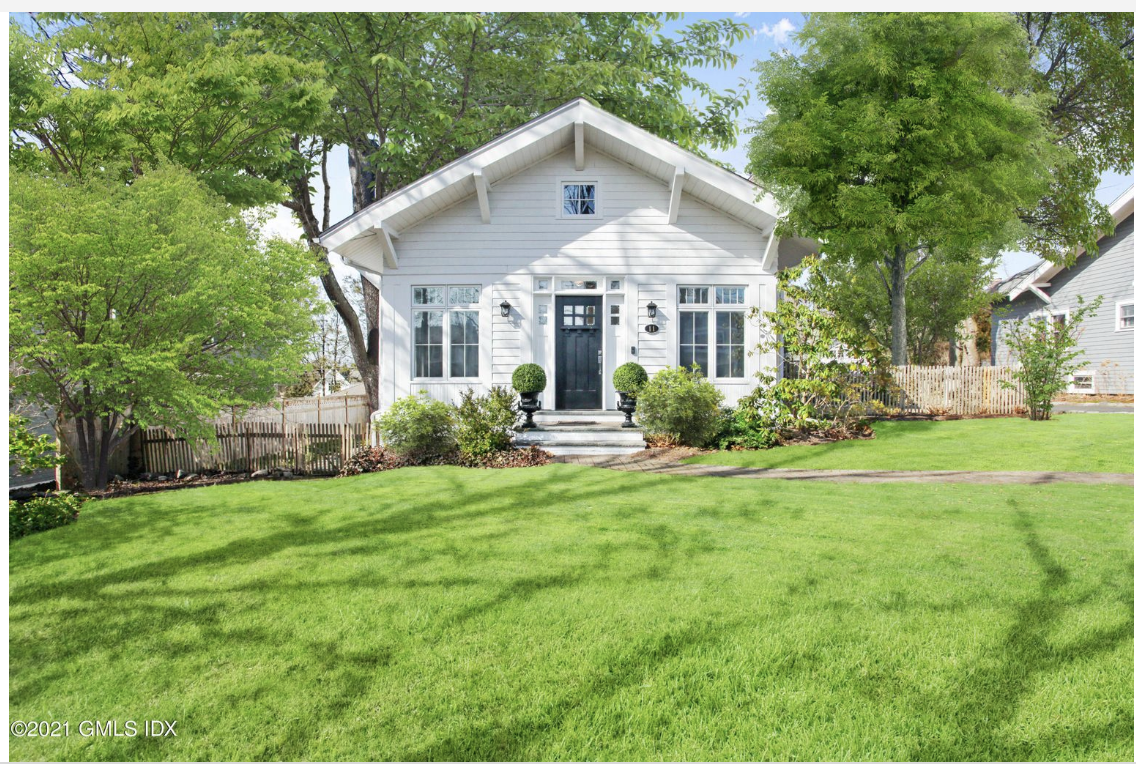
11 Chapel Lane
In 1919, the end of World War I brought with it the end of wartime building restrictions. A housing boom ensued, spurred on by the return of soldiers. Sears introduced three tiers of Modern Homes: Simplex Sectional (small two-room structures), Standard Built (less-insulated homes best suited for warmer climates), and Honor Bilt, high-end homes that featured amenitiessuch as cypress siding, kitchens with white tile sinks and enameled cupboards, and “Air-Sealed Wall construction.” Sales from 1912 to 1920 totaled $29,160,000, at a profit of $3,377,000. During that same time frame, around $3.8 million in mortgage loans were written.
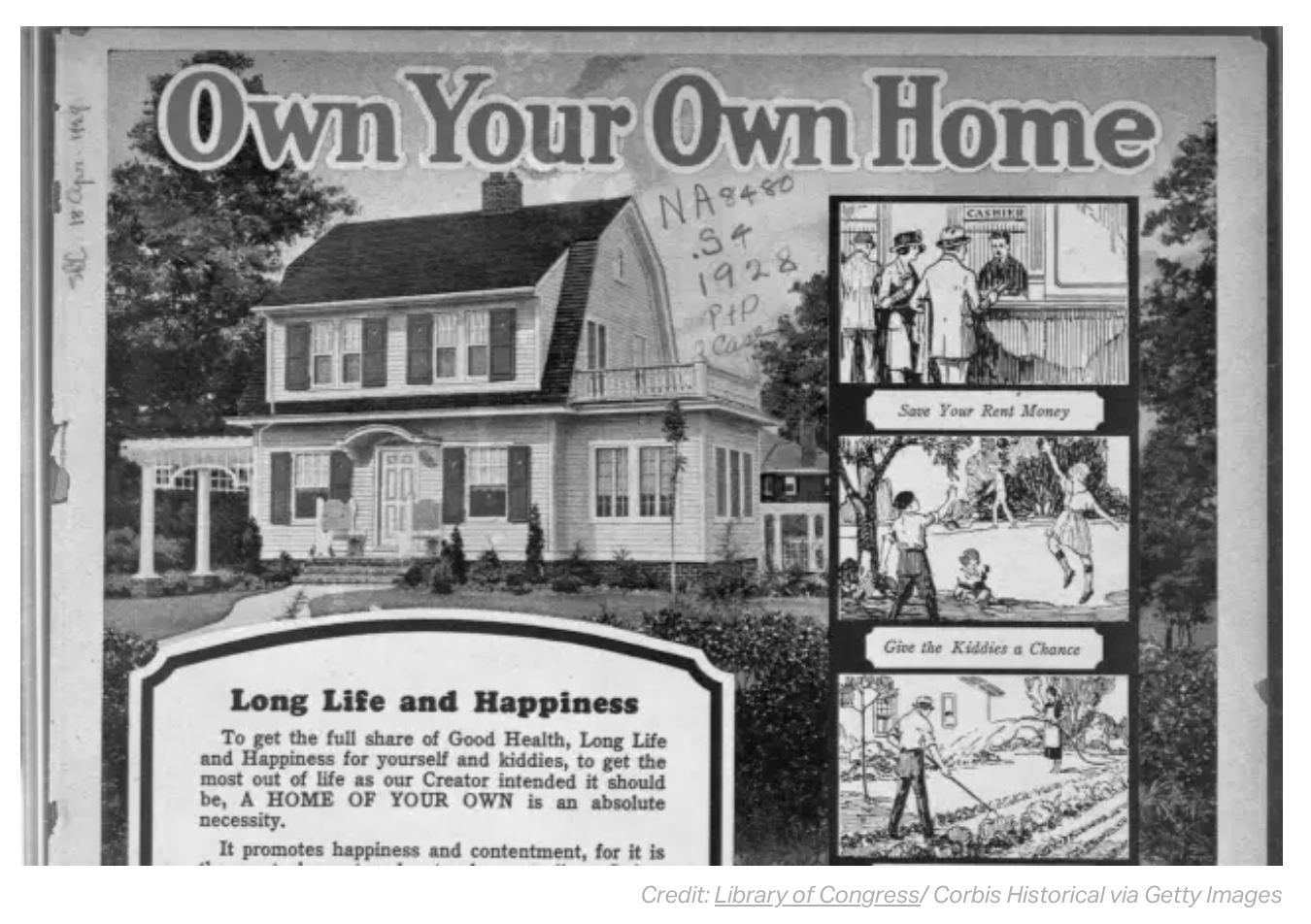
During the 1920s, Sears set its sights on maximizing the booming housing market. The company had opened its first sales office specifically for Modern Homes in Akron, Ohio, in 1919, and in 1920, it built a Philadelphia plant that became the base of Sears’ East Coast operations. In 1921, sales offices opened in Pittsburgh, Cleveland, Cincinnati, and Dayton, followed by sales offices in Chicago, Philadelphia, and Washington the following year.
The offices used the Sears mortgage program as a major selling tactic, steering buyers toward mortgages, and the company’s loan policy became more and more lenient in response to sales pressure. Accordingly, sales were booming, increasing from an average of 125 units shipped per month in 1920 to 326 units in May 1926 from the Cairo plant alone. But by 1926, mortgage loans represented 97% of sales.
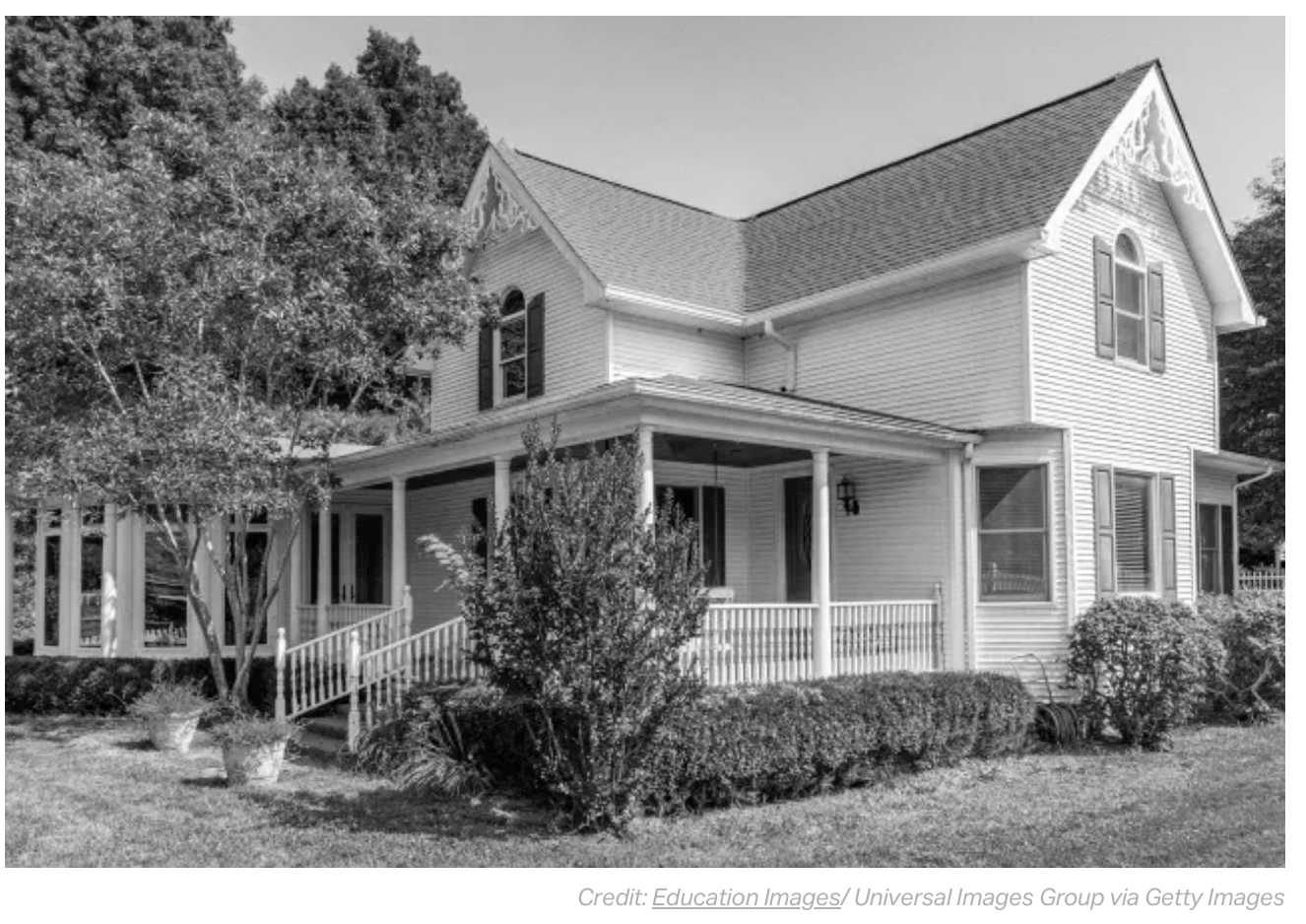
(from the article — Not a chapel lane home)
The year 1929 was set to be a banner year for Sears Modern Homes. The department had sold 49,000 houses from its inception up to that point. It was averaging 250 units shipped per month just from its Cairo plant, and had a sales staff of 350 people in 48 different offices throughout the country. The $12,050,000 in sales for 1929 represented the highest total the department had ever had. But when the stock market crashed in October 1929, eventually plunging the United States into the Great Depression, Sears Modern Homes was one of the many businesses the bottom fell out of.
The decline was swift. The Sears annual stockholder report for 1932 plainly stated, “Since September 1931, [the Modern Homes department] has operated at a loss. Its sales declined over 40% in our fiscal year, with resulting losses of $81,154,984 during the year.” Two years later, the annual report relayed the dire state precipitating the end of the department: “About $11,000,000 in mortgages were liquidated during the year and the Modern Homes Department was discontinued.”
The department was reopened in 1935 under a different configuration, selling prefab houses by Chicago’s General Houses, Inc., and the Modern Homes catalog continued to be issued until 1940. Modern-day Sears house enthusiasts cite 1942 as the final year a Sears mail-order home was built, as orders from the final 1940 catalog continued to be filled in the year or so after the catalog was published. Unfortunately, Sears’ own records of home sales were destroyed, complicating a definitive date.
Though the 1929 stock market crash and Great Depression provide a tidy explanation for the beginning of the end of the Sears Modern Home department, historians Boris Emmet and John E. Jeuck made a different assessment in their seminal 1950 book, Catalogues and Counters: A History of Sears, Roebuck & Company. The book points out the unsustainability of the business model. Increased sales thresholds for Modern Homes necessitated building (or acquiring) more manufacturing plants to handle the increased production needs. The costly production facilities required investments in shipping and transportation, too, along with an increasingly growing and complex service organization to support the business.
The push for sales meant relying on ever more lenient mortgages and approving otherwise undesirable credit risks, creating what Emmet and Jeuck called an “ever increasing and ever more unsound mortgage receivable structure.” Ultimately, the business was simply not scalable: As sales increased, profit margins declined. The peak profit margin for Modern Homes was 15% in 1919 and 1920. It dropped to an average of approximately 10% from 1921 to 1926, and fell under 5% by 1928. The narrowing margins left the business unable to weather a slowdown in sales, let alone a large economic crisis. As Emmet and Jeuck wrote, “At any time subsequent to 1926, the onset of a [sales decline] would probably have developed losses comparable to those which actually were incurred after 1929; the condition was inherent in the structure.”
New listing, old home in Old Greenwich
/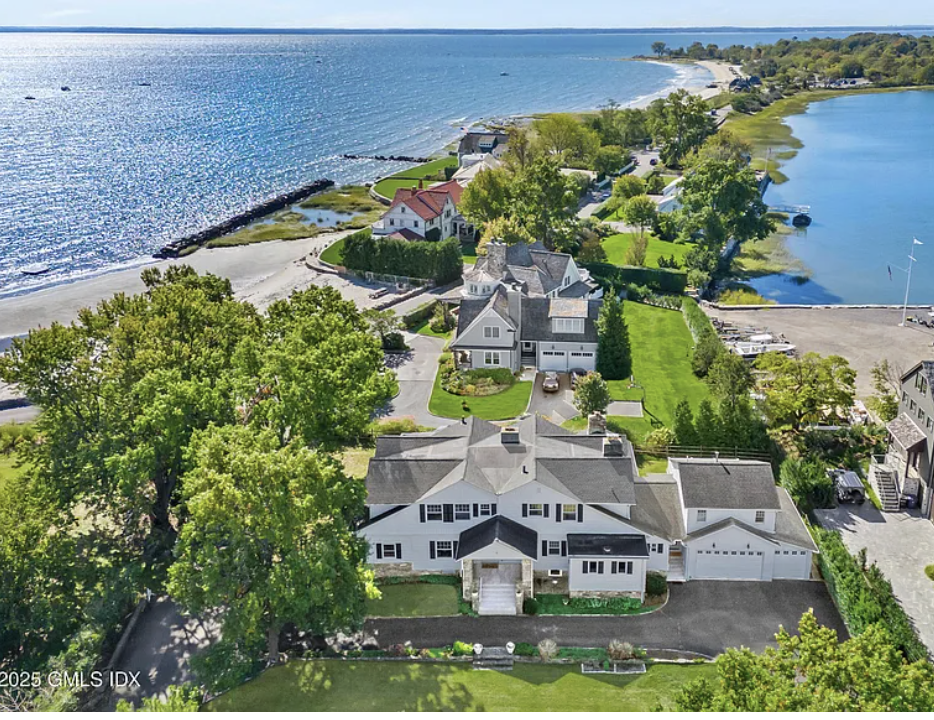
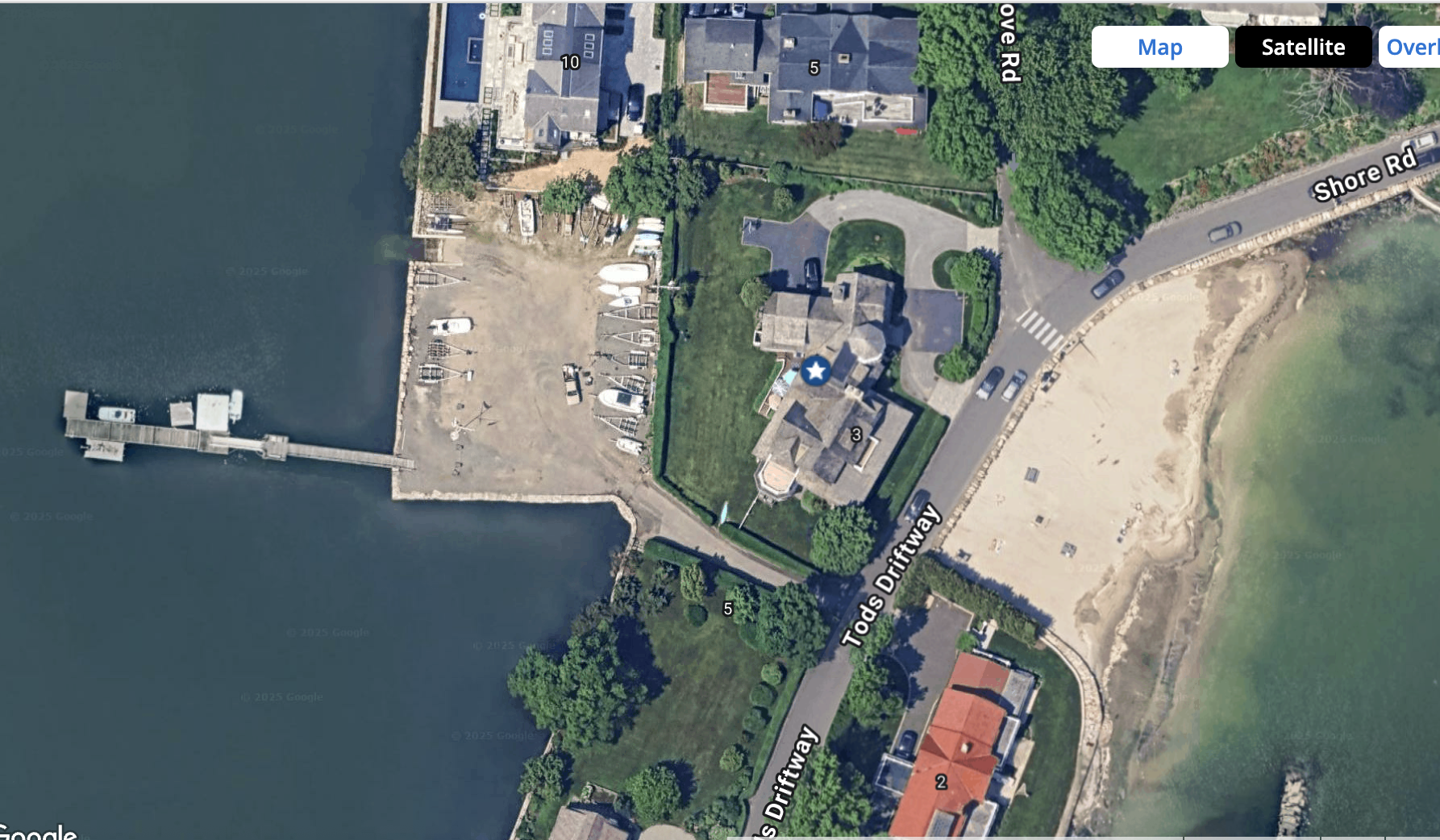
3 Cove Road, $5.995 million. Built in 1898 and nicely maintained/ updated since, it has the Lucas Point Beach across the street and the Lucas Point boatyard in back. The latter is a very small operation used exclusively by Lucas Point residents, so shouldn’t be objectionable; it certainly didn’t prevent the late Hal Park from staying put and raising a family here for decades.