Odd doings among the stacks

Greenwich Library closed until Tuesday due to 'maintenance issue,' officials say

GREENWICH — The main branch of the Greenwich Library will remain closed until Tuesday due to an undisclosed maintenance issue, officials said. 

In a Facebook post, the Greenwich Library said the West Putnam Avenue location closed early at 4 p.m. Thursday due to the issue. 

Why the secrecy? What could have possibly happened that’s severe enough to (a) close and evacuate the building; and (b) keep it closed for days following? Radioactive fuel spill? HIV residual cooties from the recent transgender child grooming show? We may never know, because library management won’t say, but it’s curious.

The Bee continues to stray from its mission by reporting straight news

U.S. — Members of the generation that oversaw putting America $39 trillion in debt gathered in solidarity this week to lecture Gen Z about its reckless financial habits.

Boomers and Gen X Americans scoffed at new college graduates who imprudently spent $9 on a cold brew coffee, preferring instead to add another trillion dollars in debt to keep Social Security checks coming.

"Young people today just don't understand responsibility," said 71-year-old retiree Dennis Whitmore. "If you don't have the money in your account, then you just have to cut back. You can't keep on spending and expect someone else to take care of it. They're so entitled. These kids go out and spend all this money they don't have, not worrying who's going to be left with all the debt. It's disgusting."

According to sources, the Boomers and Gen X were fearful about the financial state of the country. "These idiots spending money on avocado toast are going to ruin the economy," said Linda Markham, 78. "We're looking at a generation that thinks money just appears out of nowhere. These kids have no concept of living within their means. I'm worried about what they might do to this nation."

At publishing time, Congress had approved a $4.2 trillion educational initiative to warn young Americans about the importance of budgeting.

I'm glad to hear they rounded up some of the criminals, but how do they not catch this one?

Minnesota fraud suspect hobbles away after jumping from 4th-floor balcony to flee FBI

The FBI is on the hunt for a suspect tied to a $90 million fraud case in Minnesota who evaded officers by jumping from a fourth-floor balcony and hobbled away.

Muhammad Omar, one of 15 people accused of defrauding Minnesota’s Medicaid programs, ran from FBI agents on Thursday morning just before officials led a conference on the case.

Footage from the scene showed Omar hopping along the grounds on one foot while holding a shoe in his hand.

He was seen wearing a white shirt and bright blue shorts, with the suspect tripping and falling before walking into an unknown building.

Colin McDonald, the Assistant Attorney General for the National Fraud Enforcement Division, called on the public to help find Omar. 

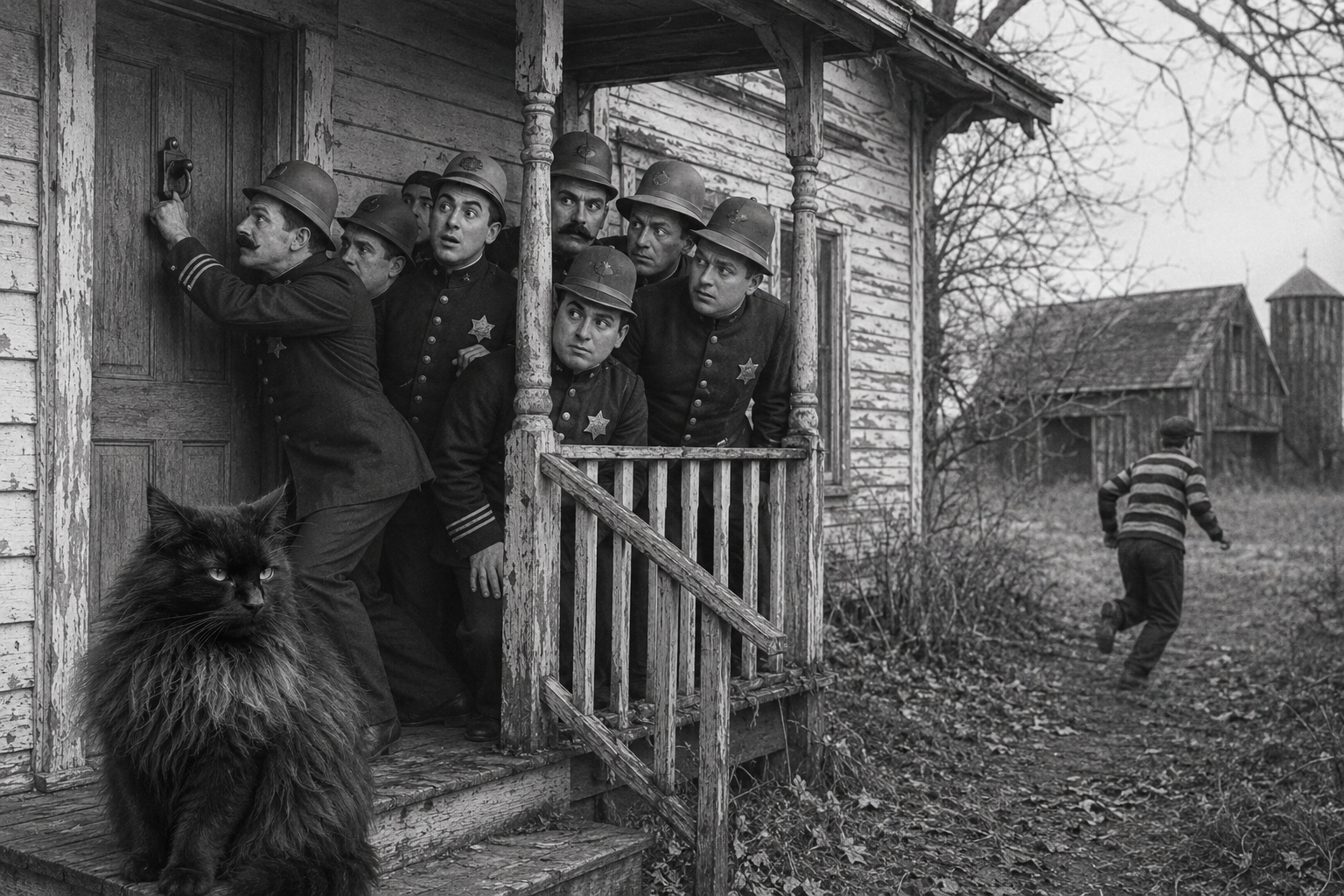
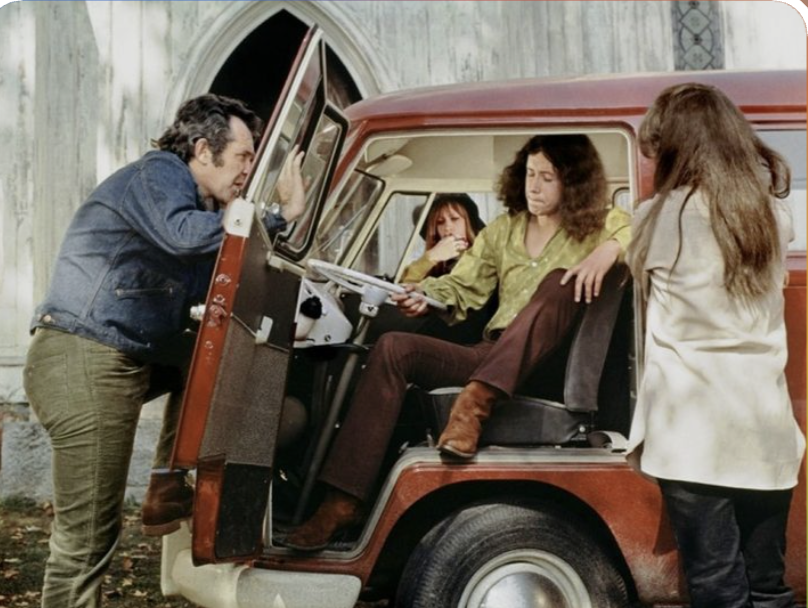
He hobbles off after a four-story jump and no one notices or can catch him? Reminds me of the time when, years ago, our own boys in blue showed up to arrest a member of the Chimblo gang, but, while all 12 of Greenwich’s Finest crowded onto the front porch, their intended target strolled out the back. Here’s an actual, guaranteed-authentic picture of that incident:

At least one observer was not impressed by the performance

Old Greenwich sale

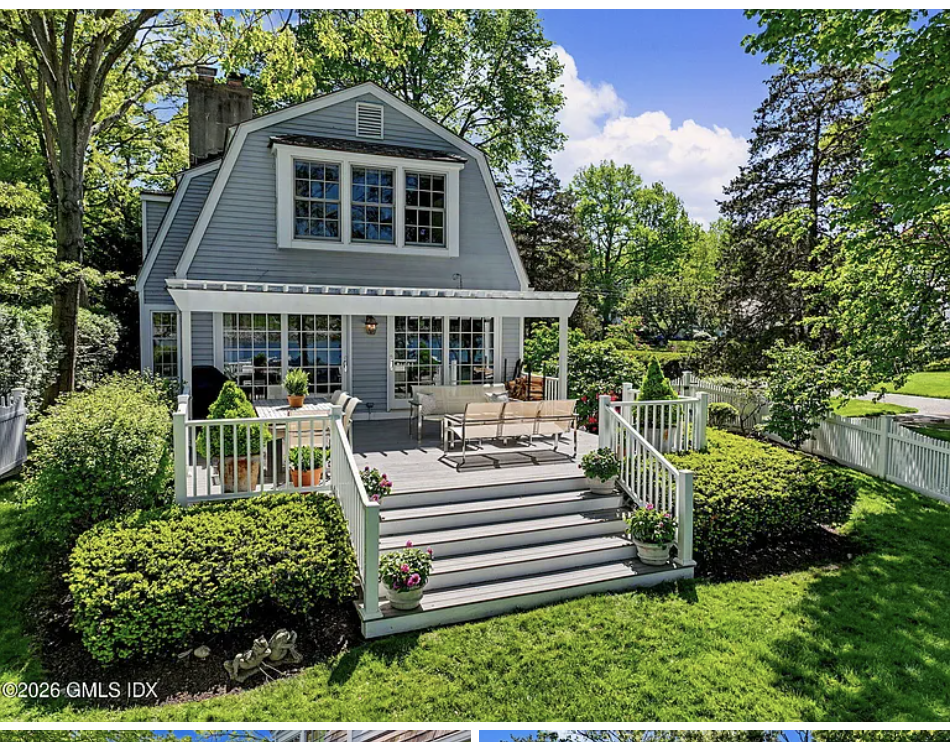
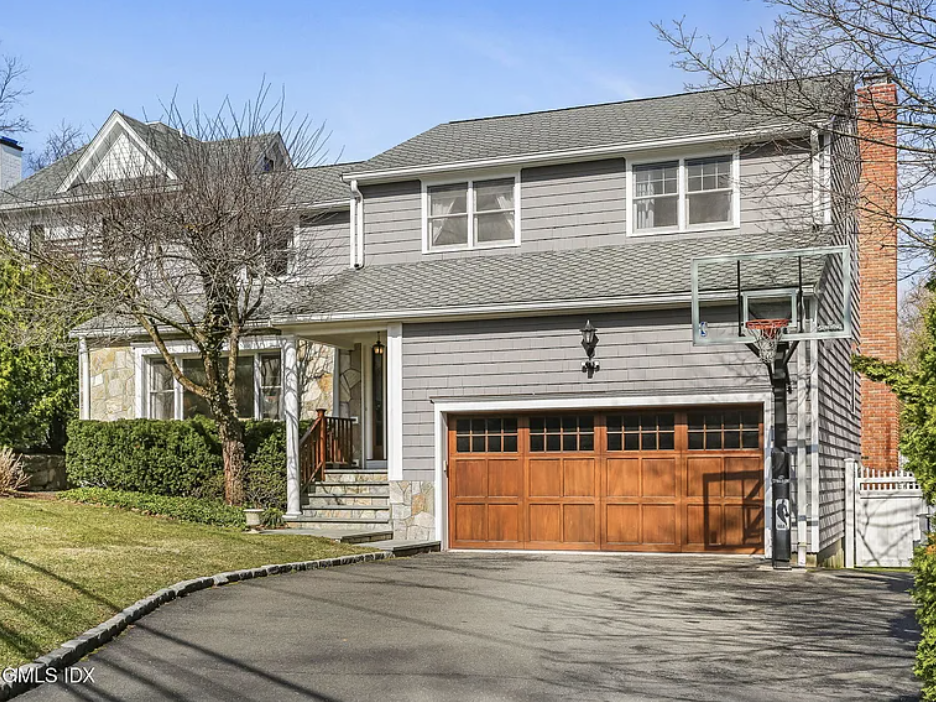
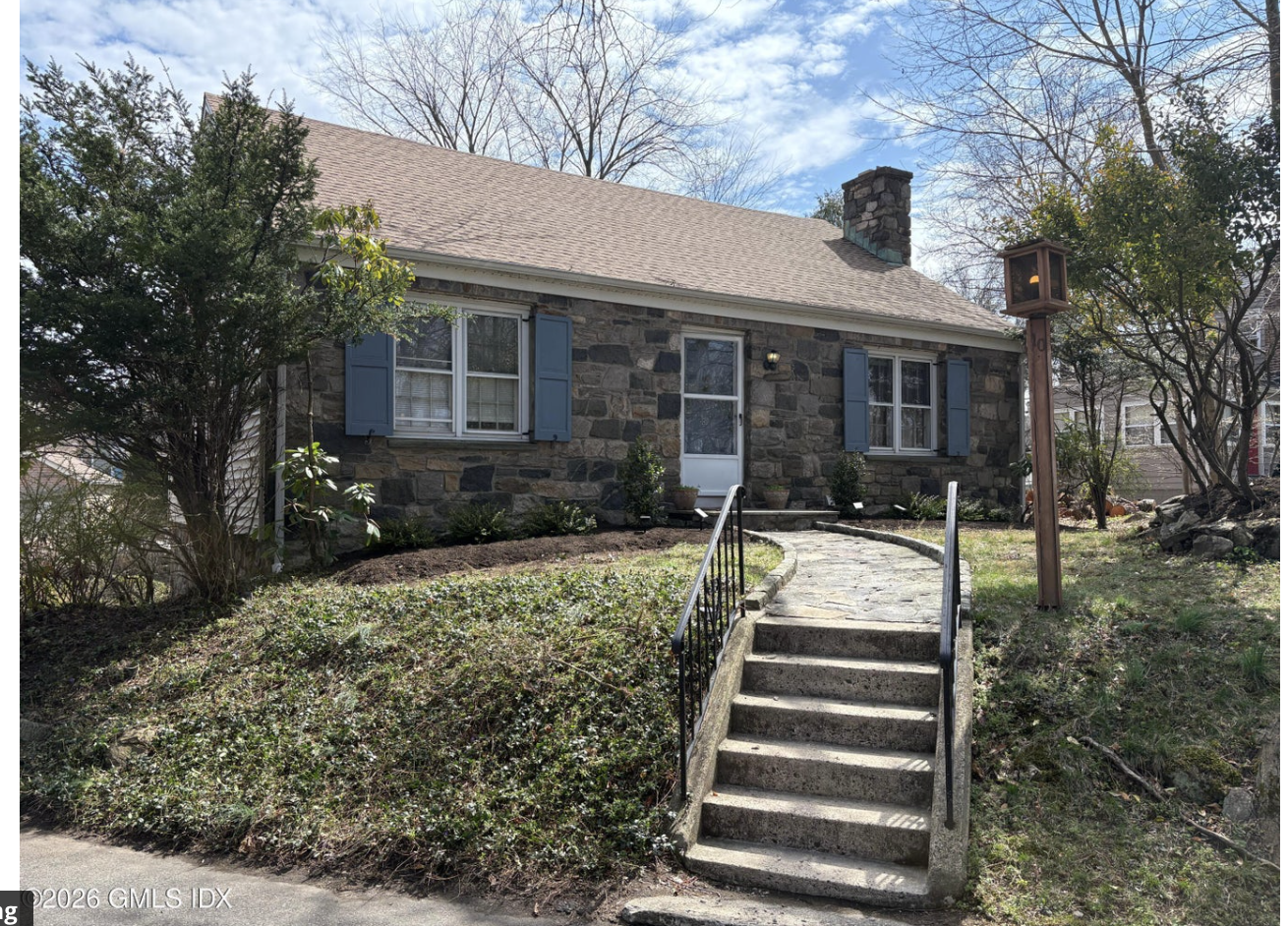
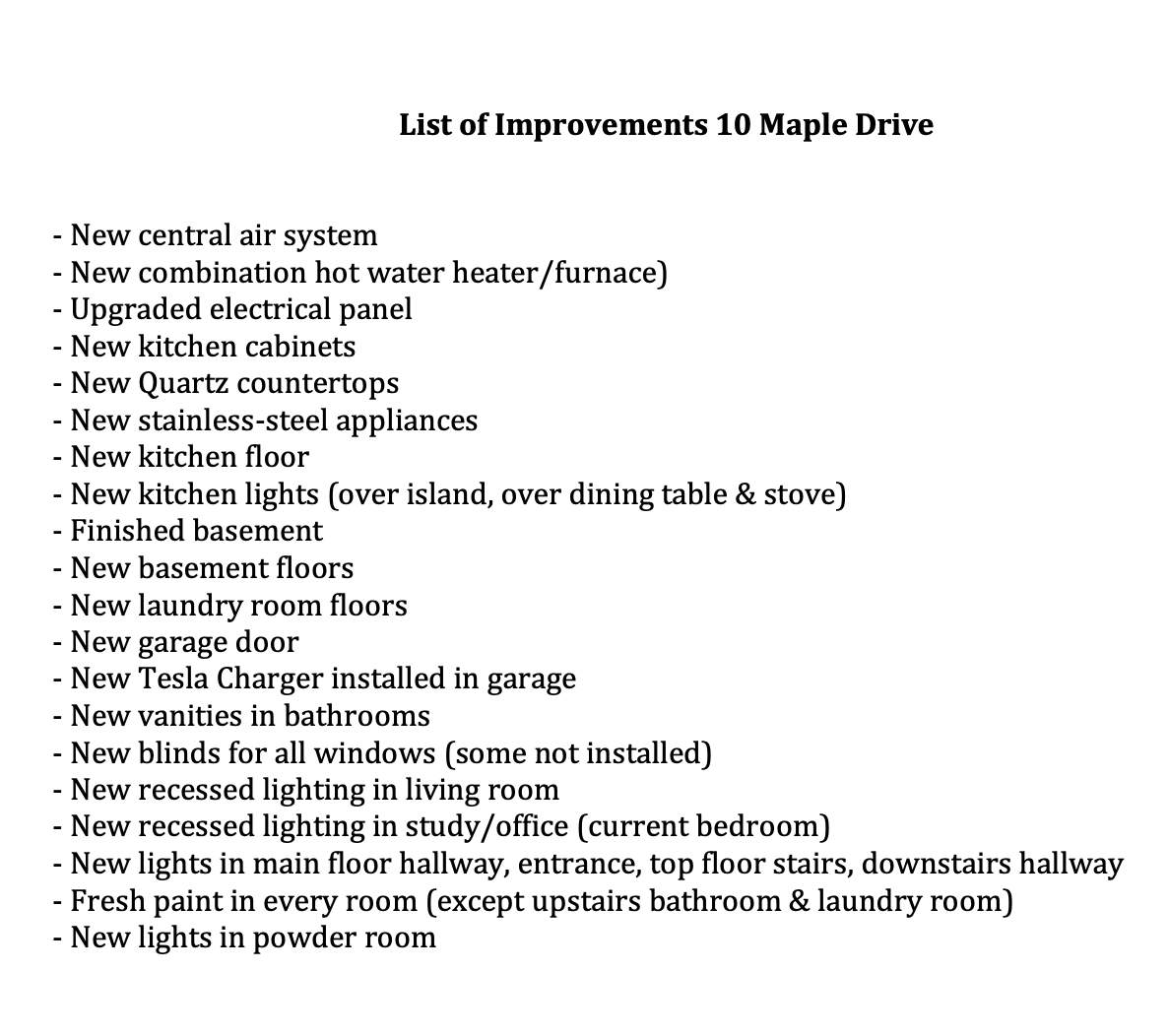
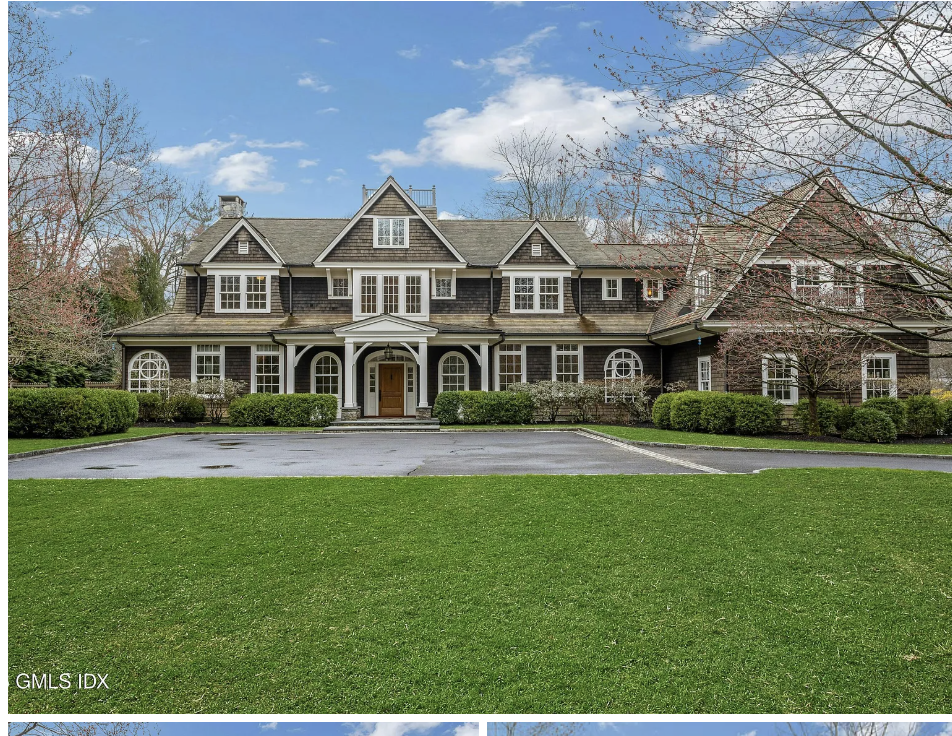
10 Maple Drive was in very nice shape when it sold via bidding war ($889 - $999,111) in May of 25. The buyers made it even nicer, replacing the kitchen, upgrading the baths, new HVAC, etc, and put it back up for sale in April for $1.2 million; it sold today for $1,258,000. I don’t know whether there was a change of plans here or if was always intended as a flip project, but there was a lot of work done for not all that much gain.

Either way, I can see why it sold so quickly, and over-ask. Buyers came from Hempstead, by the way.

After seeing what a $29,500 per month rental now looks like, I suppose I shouldn't be surprised by what $5,000 brings

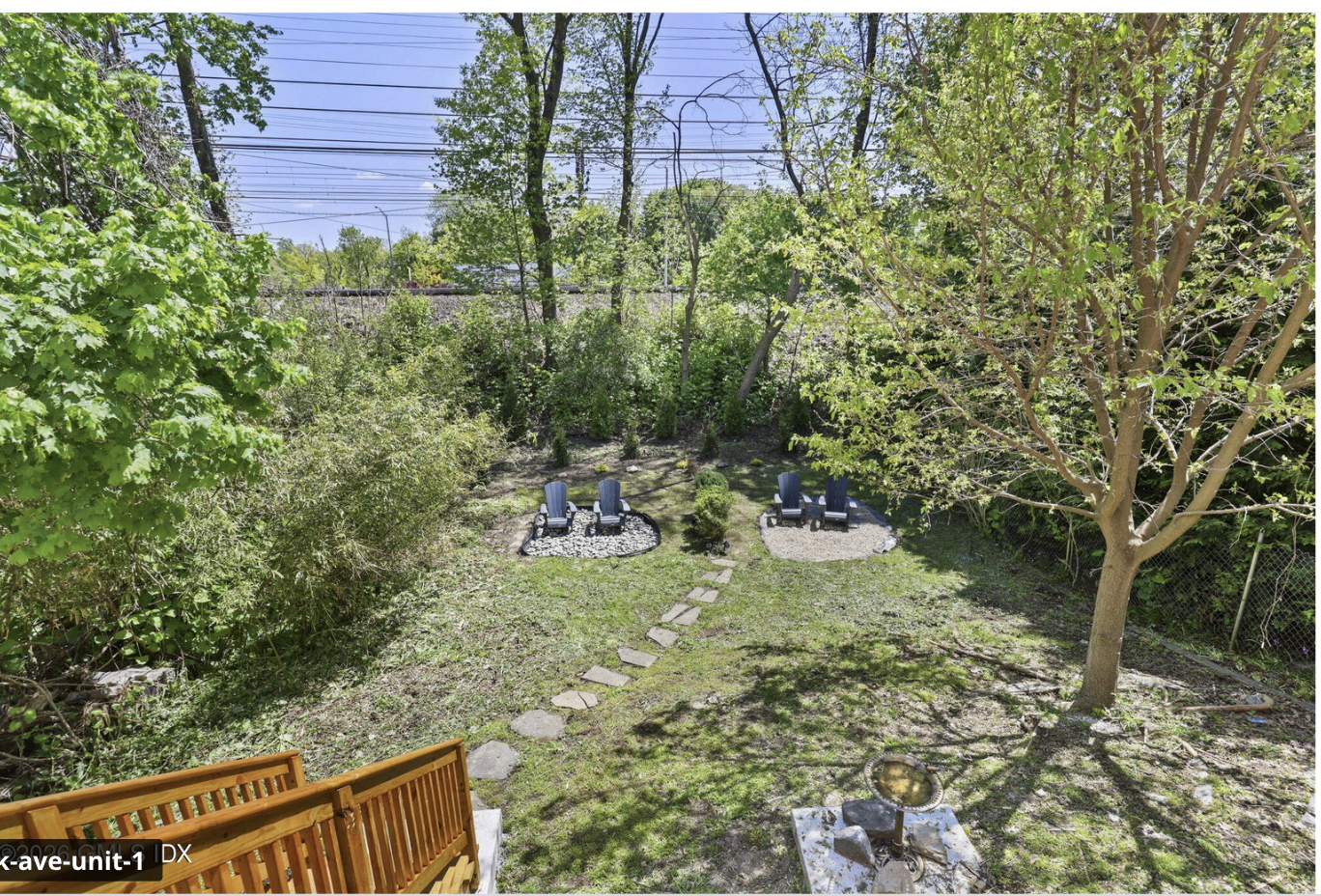
$29,500 yields a nice Old Greenwich house with semi, sort-of waterfront; $5,000, not so much.

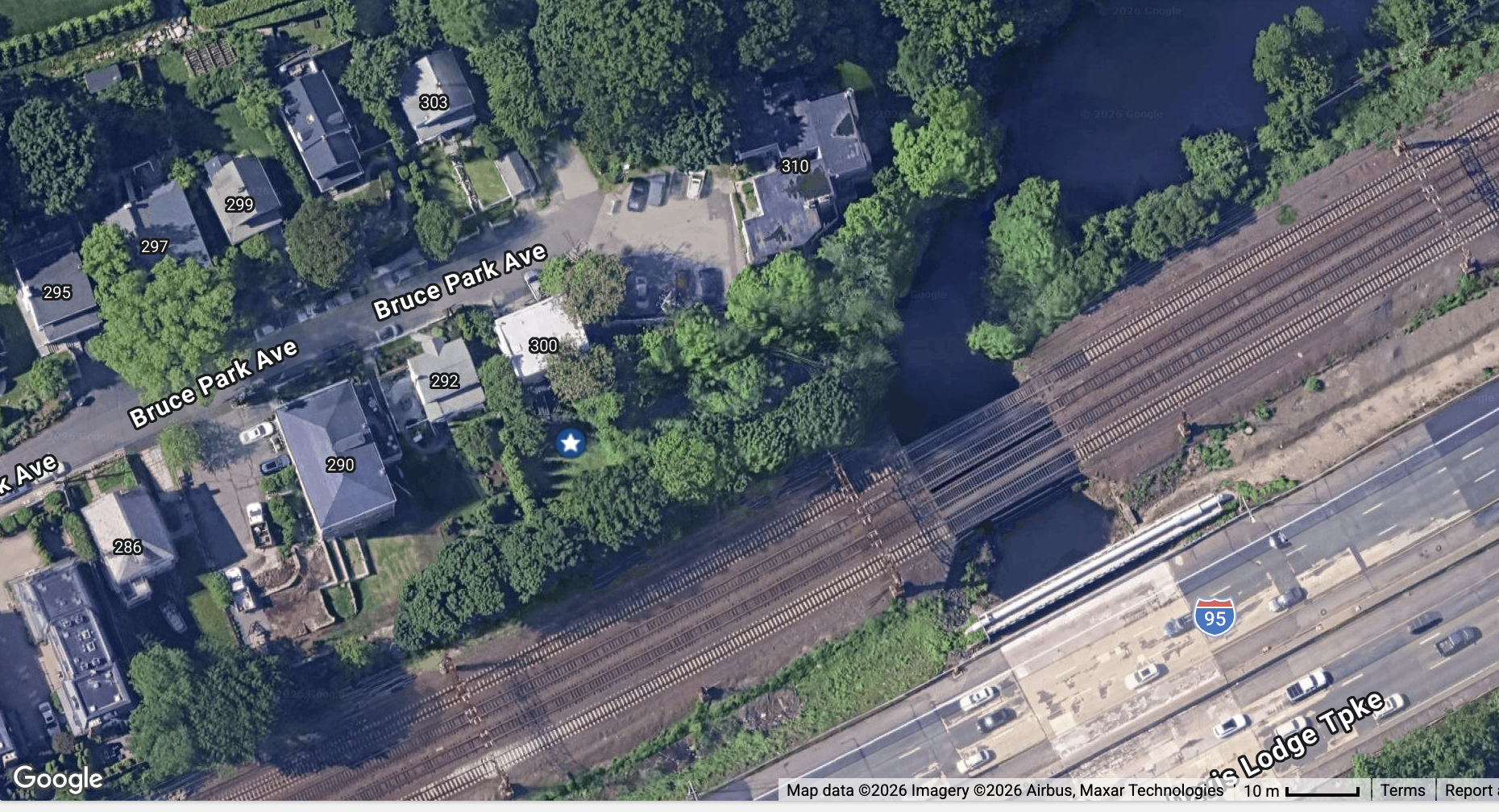
300 Bruce Park Avenue has cut its ask from $5,500 per month to a mere $5,000, and I assume it will get something close to that number.

At this price, even the poor Zebra’s been downsized and bleached:

artisan flagstone separates you from your fellow-tenant, affording unparalleled privacy

and super-convenient to transportation

Price controls

This article from PowerLine focuses on price controls and the economic illiteracy that produces it, but that ignorance is much more widespread than that: a huge portion of Americans support socialism, as reported by the Associated Press:

A Gallup poll conducted in September 2025, [after Mandami had been nominated but before his election] find sthat while U.S. adults overall are more likely to have a positive view of capitalism than socialism, Democrats feel differently. According to the survey, only 42% of Democrats view capitalism favorably, while 66% have a positive view of socialism.

That news reader Katy Tur, who I wrote about yesterday, is a college graduate (a philosophy major, no less, which embarrassed me, until I remembered that UC People’s Republic of Santa Monica is not realy going to teach anything of value), revealed over the weekend that she has never read the Declaration of Independence. Her ignorance is typical of her generation and the ones following (and, to be fair, my own generation as well) and bodes ill for the Republic.

BAD IDEAS NEVER DIE

John Hinderaker:

“Price controls are in the Hall of Fame of bad ideas. They have an unbroken record of failure, stretching back literally thousands of years. And yet, they remain alluring to people with no knowledge of either history or economics, or–probably more relevant–to failing governments.

“There was a time when Britain’s government was known for a certain level of financial sophistication. No longer:

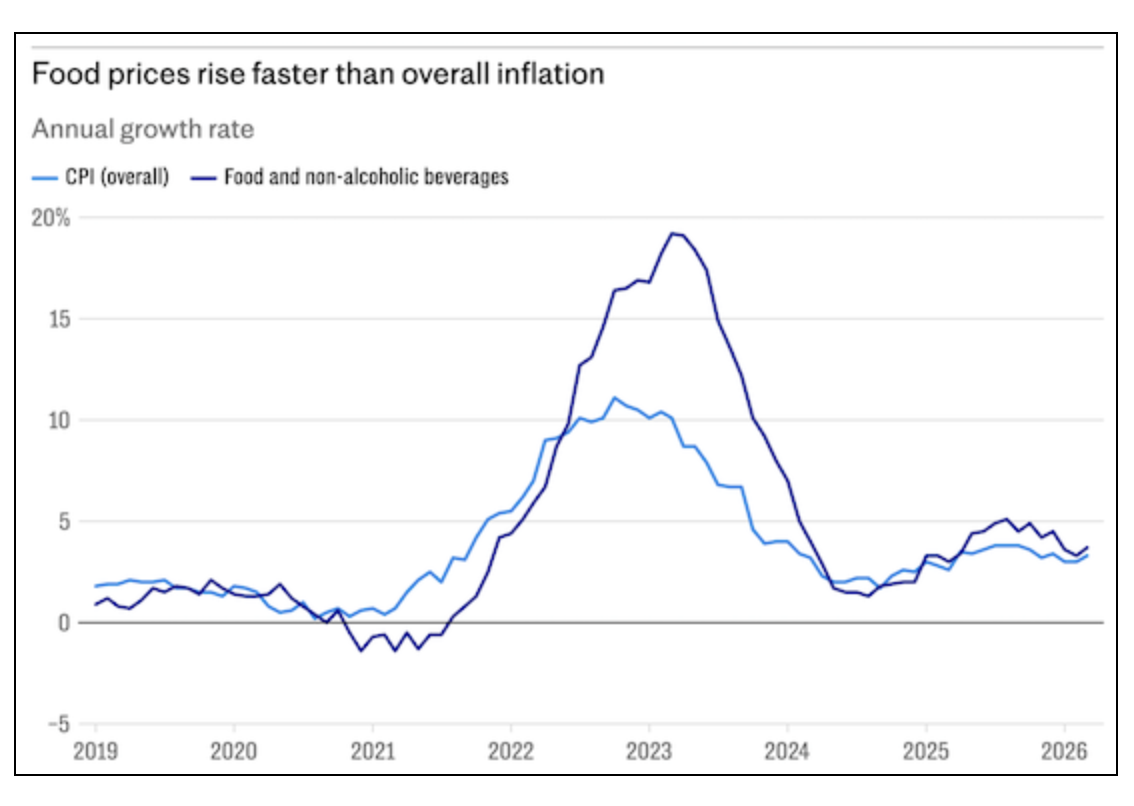
[British Chancellor] Rachel Reeves is pressuring supermarkets to cap food prices in an attempt to limit inflation unleashed by the Iran war.

“The Iran war has nothing to do with it. The inflation rate on grocery prices in the U.K. is lower than in mid-2025, and the world has plenty of oil. A temporary disruption of a single channel of transportation will have no impact on gas prices beyond a couple of months:

“The proposal being floated by Keir Starmer’s government would cap prices on around 20 food items. The government is invoking the incoherent theory of “price gouging”:

Before the announcement, Ms Reeves unveiled plans to hand new powers to regulators to stop firms from price gouging during times of crisis.

This would include allowing the Competition and Markets Authority to name and shame companies that it believed to be raising prices more than necessary.

The Chancellor said on Wednesday that she would be willing to go further if needed, including potentially fining companies if they engaged in “exploitative pricing practices”.

“The ignorance on display is enough to make you want to cry. Or maybe to require a test of basic economic literacy as a qualification to serve in government. Or, better yet, to vote.

“Reeves’ proposal has gotten very bad reviews:

Helen Dickinson, the chief executive of the British Retail Consortium, a trade group, said price caps represent a return to the failed policies of the 1970s.

“The UK has the most affordable grocery prices in Western Europe thanks to the fierce competition between supermarkets,” she said.

“The challenge facing retailers is a combination of higher energy and commodity costs resulting from the Middle East conflict, and the soaring cost of the Government’s domestic policies.

“Rather than introduce 1970s-style price controls and trying to force retailers to sell goods at a loss, the Government must focus on how it will reduce the public policy costs which are pushing up food prices in the first place.”

“Britain’s suicidal “green” energy policies are an obvious culprit.”

Others have been blunter in assessing Reeves’ proposal:

The governor of the Bank of England has warned ministers against “artificially moving prices” after the Treasury held talks with supermarkets about freezing the cost of essential goods.

Andrew Bailey said price freezes were “not a sustainable thing”, while food producers and retail bosses described the proposals as “completely preposterous” and “embarrassing nonsense”.

“Well, they are. But the episode is a good reminder that even an advanced democracy is never more than one election away from horrifically incompetent policies.”


And a flash from the past: Nixon:


AI Overview

President Richard Nixon instituted sweeping wage and price controls on August 15, 1971, to combat escalating "stagflation". Known as Phase I of his New Economic Policy, the move temporarily froze most U.S. wages and prices for 90 days—marking the first time the government enacted such controls outside of wartime.

The Evolution of the Controls

The Nixon administration’s Economic Stabilization Program shifted through several phases:

UNT Digital Library 

  • Phase I (August - November 1971): A mandatory 90-day freeze on all wages, prices, and rents at levels no higher than those in the preceding 30 days.

  • Phase II (November 1971 - January 1973): The freeze was replaced by the Pay Board and Price Commission

    . These boards were established to set standards and approve allowable wage and price increases.

  • Phase III & IV (1973 - 1974): Controls became increasingly voluntary and sector-specific before eventually being phased out entirely by April 1974, as supply chain issues and energy crises made the system unmanageable.

Economic Impact

While initially popular and effective at temporarily halting inflation, the controls ultimately created widespread economic distortion:

  • Shortages: By fixing prices below market levels, the controls led to severe shortages across various sectors, ranging from steel to agriculture and eventually consumer energy.

  • Distortions: Artificially depressed prices forced farmers to destroy crops or livestock to avoid losses, which disrupted food supply chains.

  • Inflationary Rebound: Once the rigid controls were lifted, suppressed inflation surged back into the economy, compounded by the 1973 oil crisis.

Further historical context and economic analysis of these policies can be explored through the Federal Reserve History Essay or the PBS Commanding Heights breakdown.

  • Remembering Nixon's Wage and Price Controls | Cato Institute

    August 16, 2011 • Commentary. By Gene Healy. This article appeared in The DC Examiner on August 16, 2011. Remember “TARP,” “

    And from of all places, Politico (!)

  • When Richard Nixon Wrecked the Economy - POLITICO

    Initially, it was a political success; 73 percent of Americans applauded Nixon's imposition of wage and price controls, and for a ...

    [Read it all, if you’re curious — devestating]