Pending in Riverside

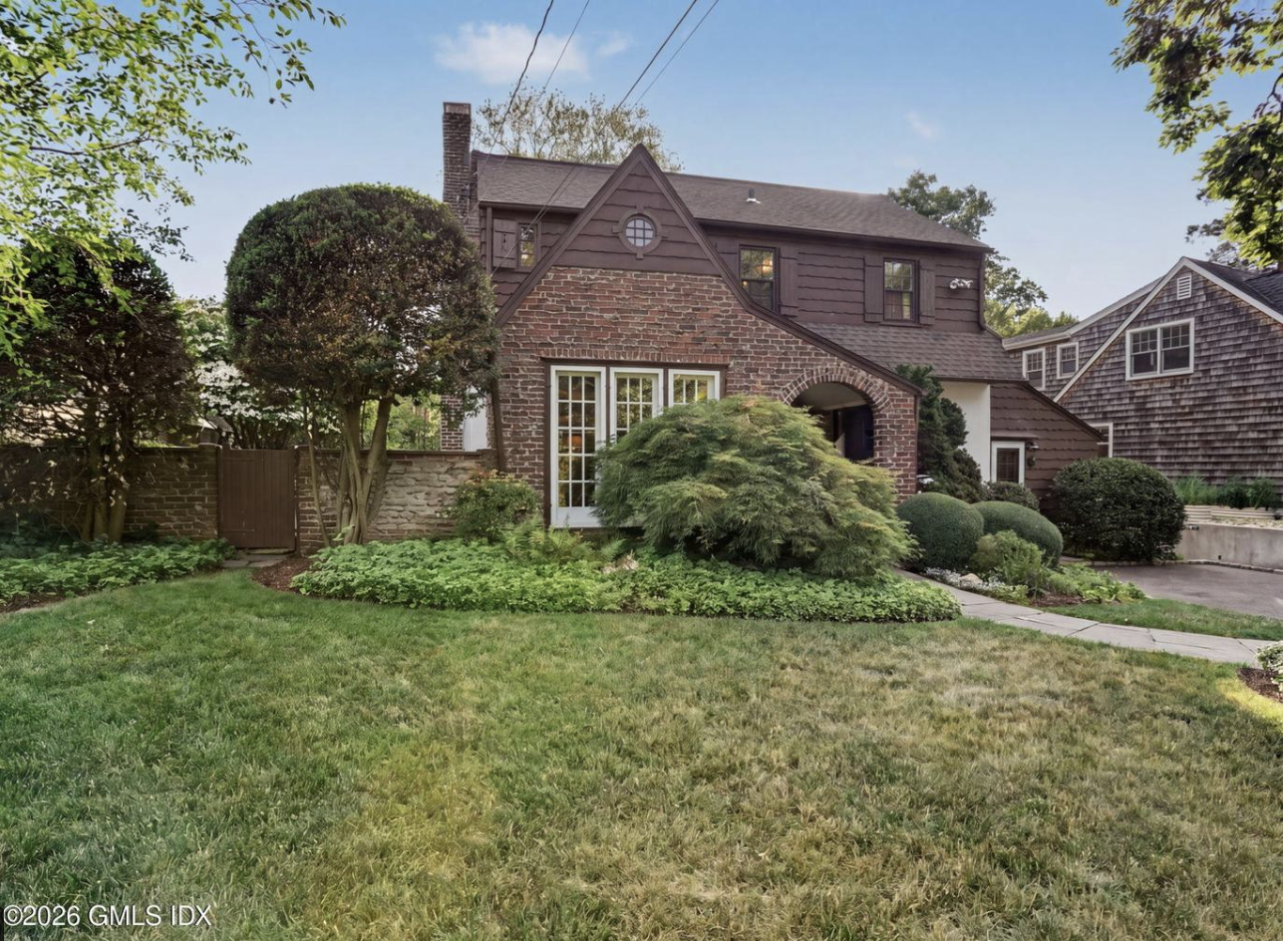
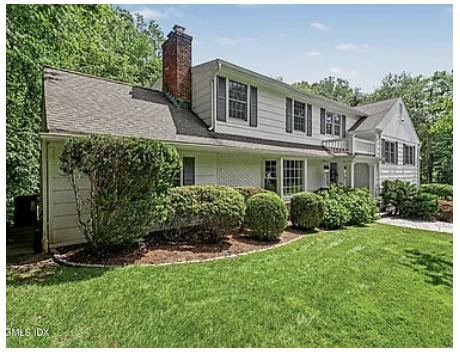
24 Oval Avenue, guide price $2.495million, 19 days. 1939 Tudor, convenient to everything and on a nice street.

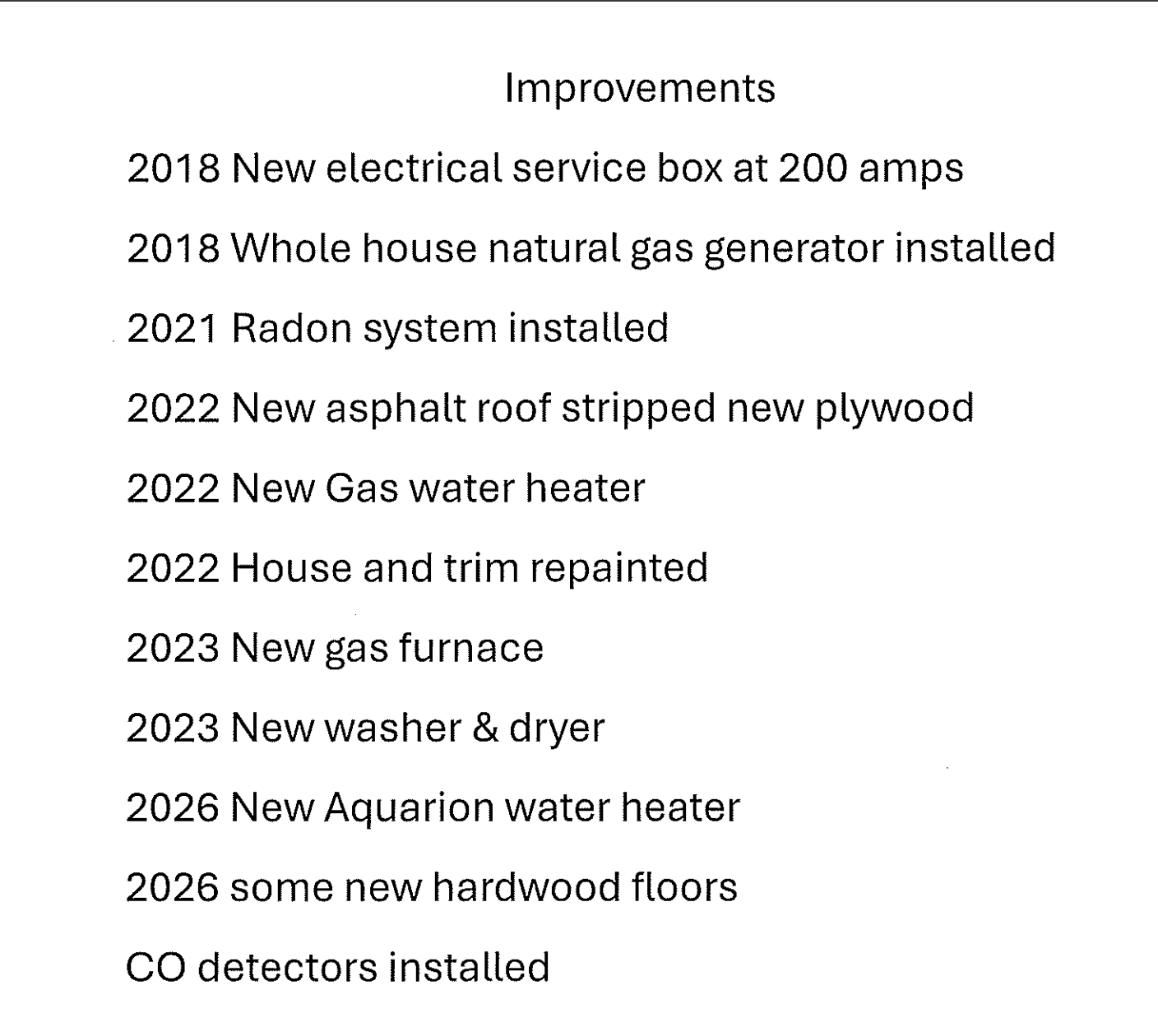
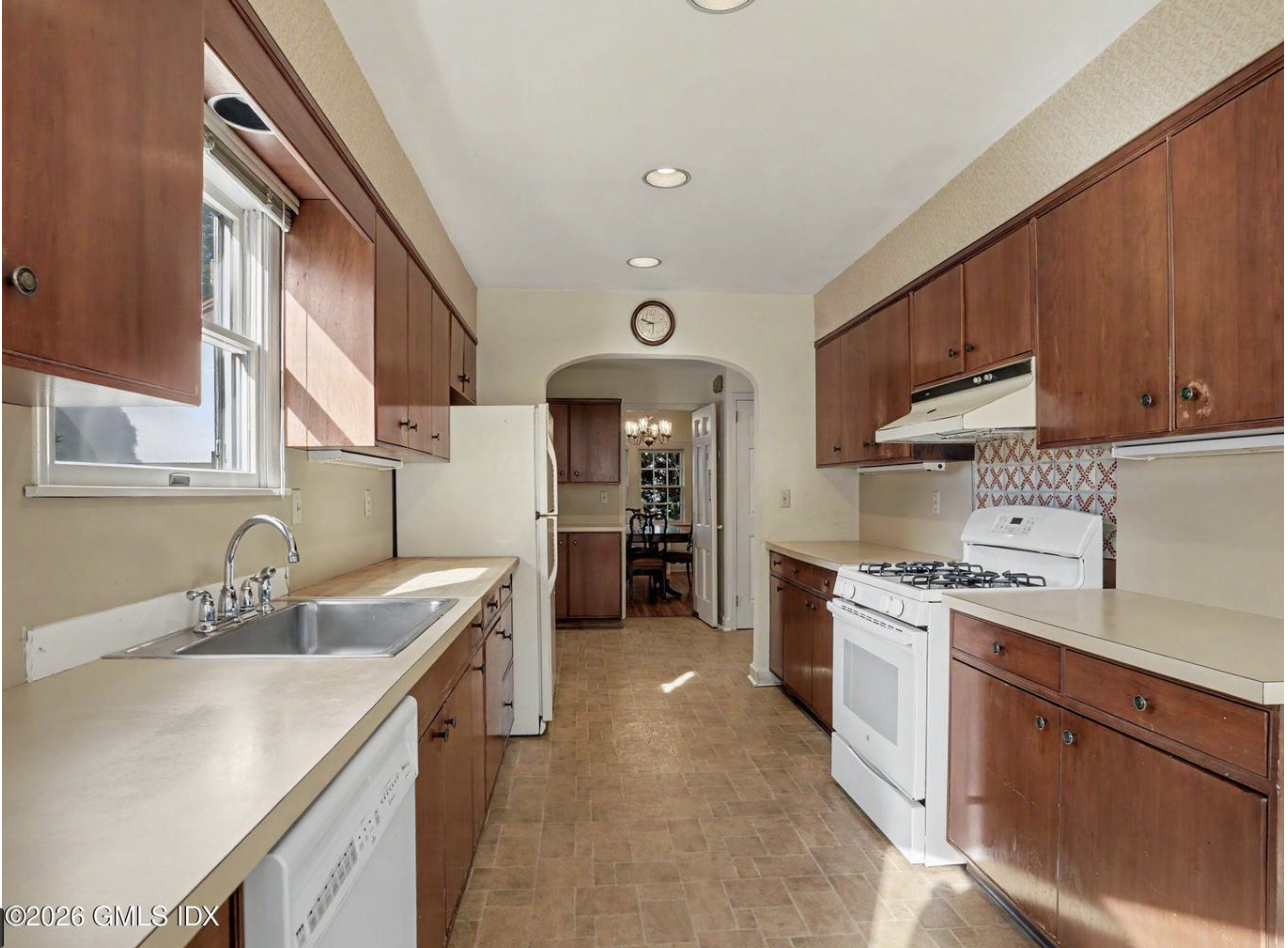
The late owner lived there until he died last December at age 99, so he and his family got full use of the house since their purchase in the 1960s. Some improvements to the house were made recently, but the new owners, assuming this isn’t being sold to a developer, will want to upgrade the kitchen and baths at the very least, and — who knows? — maybe even add a garage.

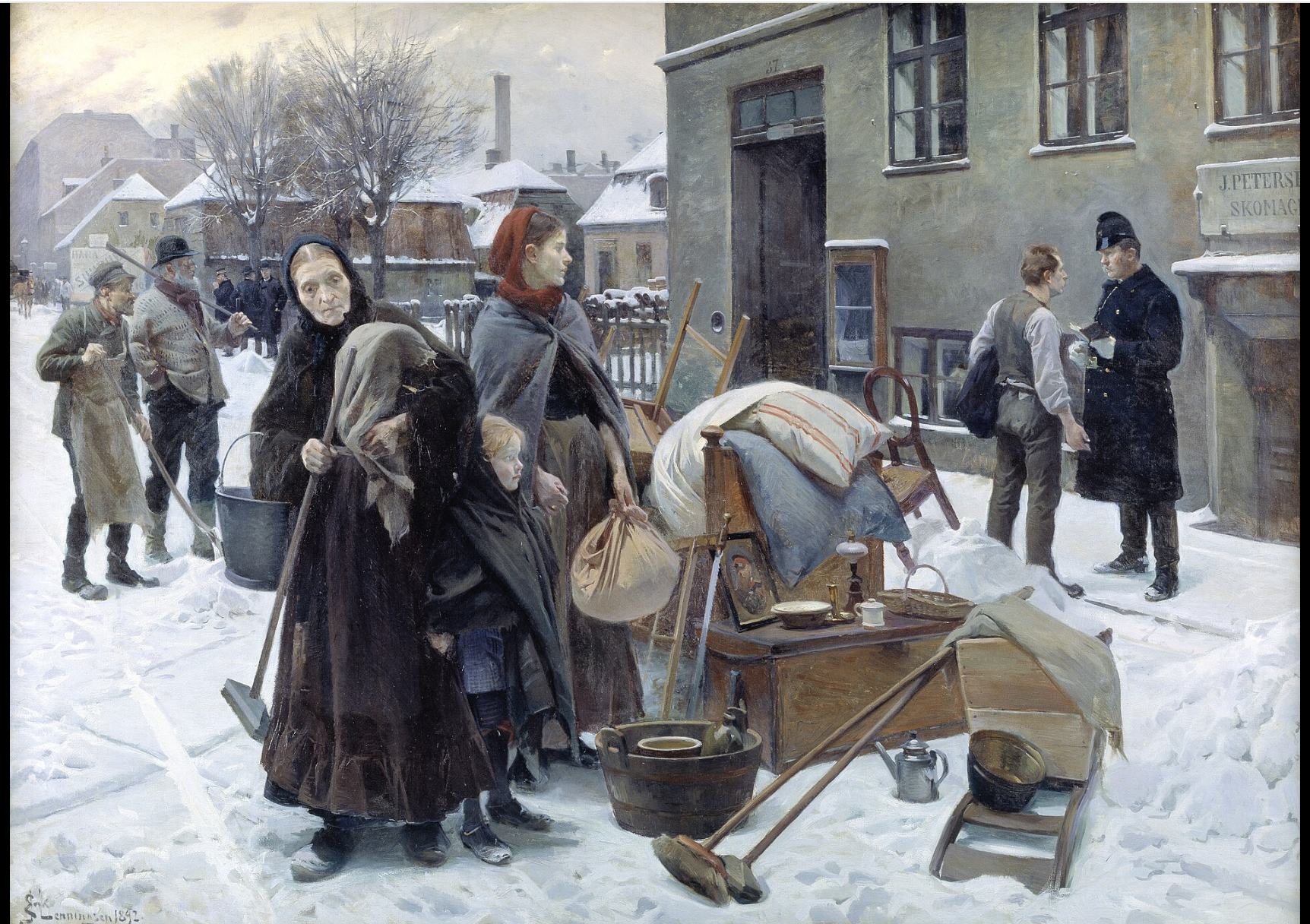
Oh, the humanity!

New work requirements could end Medicaid for 1/3 of current welfare recipients in CT.

Starting this January, 2027, those collecting welfare from their working neighbors will have to spend 80 hours a month either:

  • working

  • Participating in job training

  • volunteering, and/or

  • Enrolling in and attending higher education, technical school or a high school equivalency program.

Twenty hours a week devoted to any combination of those activities unless the welfare recipient:

  • suffers from blindness, other disabilities,

  • is enjoying a “chronic substance use disorder” (alcocholics and junkies, you can relax),

  • is nuts

  • Has cancer or HIV or any number of other debilitating illnesses

Connecticut Department of Social Services estimates that one-third of the 316,000 recipients of HUSKY D could be forced to get out of their houses and do something useful either for themselves or others; that’s a lot of deadbeats who are going to suffer such an indignity, so it’s no wonder Connecticut has joined with 24 other Democrat-led states to block the changes.

I’m so old, I remember when Bill Clinton and his Democrats enacted the same workfare requirements, only harsher:


AI Overview

President Bill Clinton reformed welfare through the Personal Responsibility and Work Opportunity Reconciliation Act (PRWORA) of 1996. The legislation replaced the open-ended entitlement program with the Temporary Assistance for Needy Families (TANF) block grant, mandating that recipients engage in work activities within two years of receiving benefits or face termination of assistance.

Key federal workfare requirements of the law include:

  • Time Limits: A lifetime limit of 60 months (5 years) for federal welfare assistance.

  • Work Hours: Able-bodied adults are typically required to participate in work or work-related activities for at least 30 hours per week. [Trump wants 20 — Ed]

  • State Flexibility & Sanctions: States design their own specific workfare programs but must meet strict federal participation rates. If states fail to move a required percentage of their caseloads into the workforce, their federal funding is reduced.

    Food Stamp Limits: For childless, able-bodied adults, Supplemental Nutrition Assistance Program (SNAP) benefits are generally limited to three months in a 36-month period unless the individual is working or participating in a workfare program.

Schumer: "we'll substitute cow dung for hamburger"

Bringing new meaning to “Chuck steak”

STEVE FORBES: Chuck Schumer has a beef with beef, but doesn’t even know how to grill it

Politicians who demonized beef now want Washington to get involved in regulating the industry

Senate Minority Leader Chuck Schumer, D-N.Y., has never worked a cattle ranch. He has never run a meatpacking plant. And after America saw his backyard grilling stunt, it is fair to ask whether he knows how to properly grill a cheeseburger.

Yet as Americans prepare to celebrate the 250th anniversary of our nation’s independence this July 4th — in the heart of summer grilling season — Schumer wants Washington to muscle its way into the U.S. beef industry.

What could possibly go wrong?

Schumer’s so-called "Family Grocer and Farmer Relief Act" is classic Washington liberalism: find a real problem, misdiagnose the cause, prescribe a cure that makes things worse and call it "relief." We have seen this in healthcare, energy, housing and education. Politicians create or worsen a crisis, blame private enterprise and then use the pain as an excuse to expand government control.

Beef prices are high. Families feel it every time they go to the grocery store. But the cause is not a cartoon conspiracy by meatpackers. It is basic economics: strong demand and tight supply.

Retail beef demand rose sharply from 2019 to 2025, while America’s cattle herd fell to its lowest level in 75 years. According to the U.S. Department of Agriculture, total U.S. cattle and calves stood at just 86.2 million head as of Jan. 1, 2026. That is down sharply from Jan. 1, 2019, when the inventory stood at 94.8 million head, a drop of roughly 9% in seven years. The 2025 calf crop was a record-low 32.9 million head, the second consecutive year a new record low was set.

That is not price gouging. That is supply and demand.

For years, drought battered major cattle-producing states. Ranchers faced soaring feed, energy, land, labor and regulatory costs. Inflationary Biden-era policies — backed by Schumer and his allies — made everything more expensive for farmers, processors and consumers alike.

Now Schumer wants to punish the very supply chain families depend on.

Cattle are not widgets. Congress cannot pass a bill and produce more beef. Chickens can be raised for market in weeks. Beef cattle take years. From the birth of a heifer to the point where her offspring can ultimately enter beef production, the process can take roughly three years. That long cycle depends on weather, feed, financing, land, labor, trade policy and confidence that government will not suddenly change the rules midstream.

No Senate press conference can speed up biology.

The facts on meatpacking also demolish the Democratic price-gouging narrative. Beef packer margins in 2025 averaged a loss of roughly $138 per head. Tyson Foods reported an operating loss of more than $1 billion in its beef division that year. These are not the numbers of monopolists pocketing windfall profits. They are the numbers of a capital-intensive industry squeezed by the tightest cattle supply in more than three generations.

But Schumer’s bill ignores all that. It also ignores the damage done by years of anti-business policies imposed by the same politicians now pretending to be champions of consumers.

Instead of lowering costs, reducing regulatory barriers, encouraging investment, expanding processing capacity and keeping trade channels open Schumer wants Washington to politically restructure the beef industry in the middle of a supply crunch.

That is economic malpractice.

Breaking up companies may make for good populist sound bites, but it is rarely clean, quick or cheap. In meat processing, forced restructuring would mean duplicated infrastructure, higher financing costs, stalled investment, litigation and uncertainty across the supply chain. The likely result: fewer efficiencies, less capacity, more risk and higher prices at the meat counter.

Wealthy shoppers buying prime cuts from boutique butchers may barely notice. Working families buying ground beef for burgers, tacos, meatloaf and weeknight dinners will.

There is a better way. Washington should reduce the cost pressures that made beef more expensive in the first place. Ease unnecessary regulatory burdens on farmers, ranchers and processors. Lower energy and transportation costs. Keep import and export markets open during changing supply cycles. Reduce tariff and input-cost pressures that make herd rebuilding slower and more expensive.

Most of all, let markets work.

And let us not forget who is pushing this scheme. Schumer’s allies include the Sen. Elizabeth Warren, D-Mass., and Sen Bernie Sanders, I-Vt., wing of politics — the same crowd that has spent years demonizing beef, lecturing Americans about what they eat, and flirting with Green New Deal ideas that would make food, fuel and electricity more expensive.

Inflationary Biden-era policies — backed by Schumer and his allies — made everything more expensive for farmers, processors and consumers alike.

One day they tell us to eat less beef to save the planet. The next day they pretend to be shocked that beef is more expensive.

America’s beef market will recover, but not if Washington turns a supply problem into a government-control problem. Herds can be rebuilt. Investment can return. Prices can ease. But that requires stability, lower costs and confidence — not politicians threatening to remake an entire industry for a campaign talking point.

Price cuts

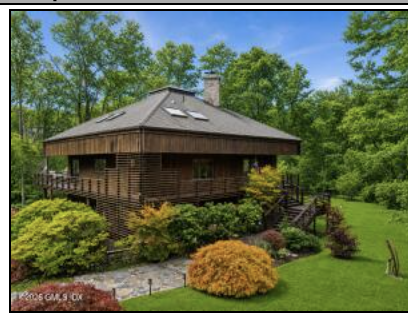
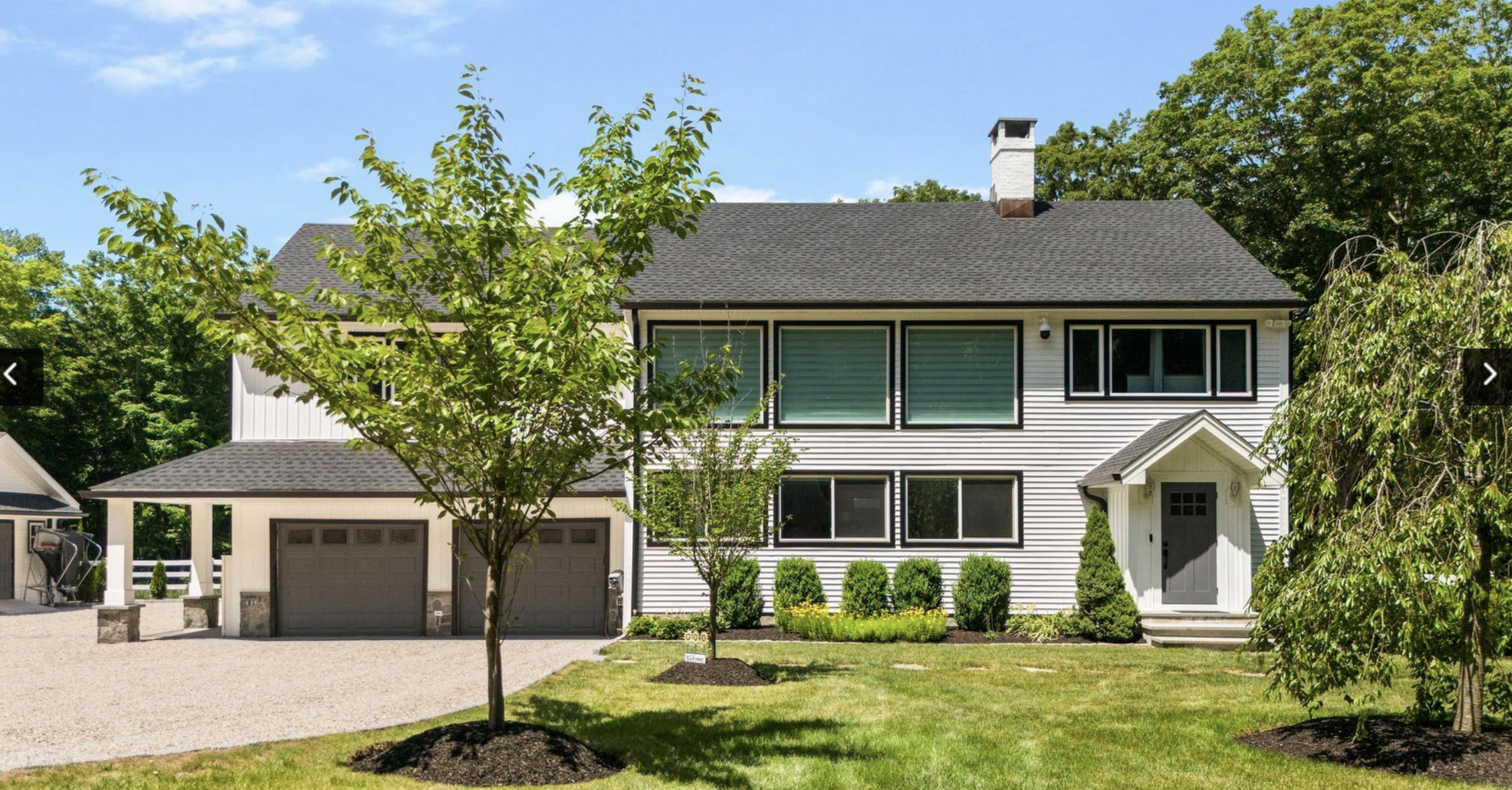
48 Byfield Lane, 3% — $3.495 million to $3.395. I might have been tempted to take a larger reduction, given current market conditions that are seeing properties go almost overnight, but at least this cut was taken after just nine days; no sense waiting around.

Speaking of “adjusting” an original price, the Stamford blockhouse (Greenwich mailing address) at 198 E. Middle Patent Road has taken a second, modest reduction after 245 days on the market: $1.995 November 4, 2025, $1.895 on January 15th, and now $1.795 as of today.

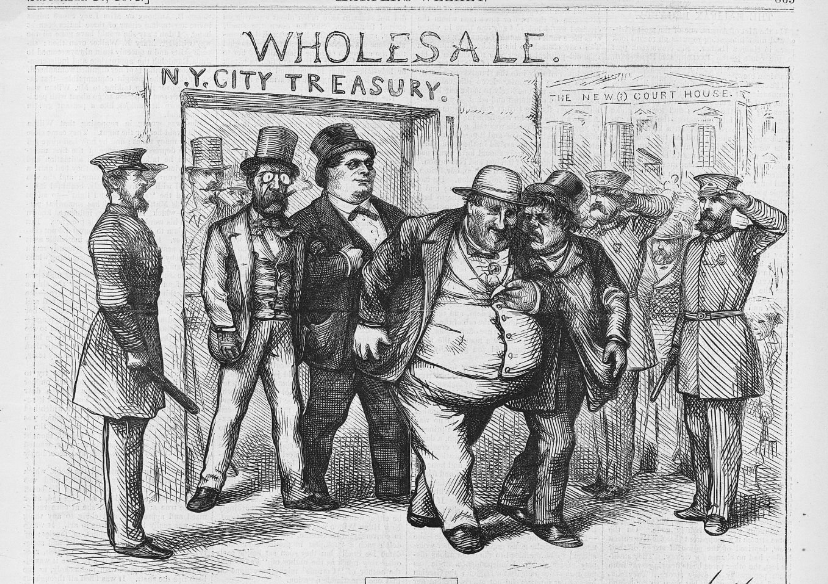
"People's" Housing" and "People's Rutabaga Emporiums" – Tammany Hall returns to New York

Update, but I’ll put it here on top, to set the stage:

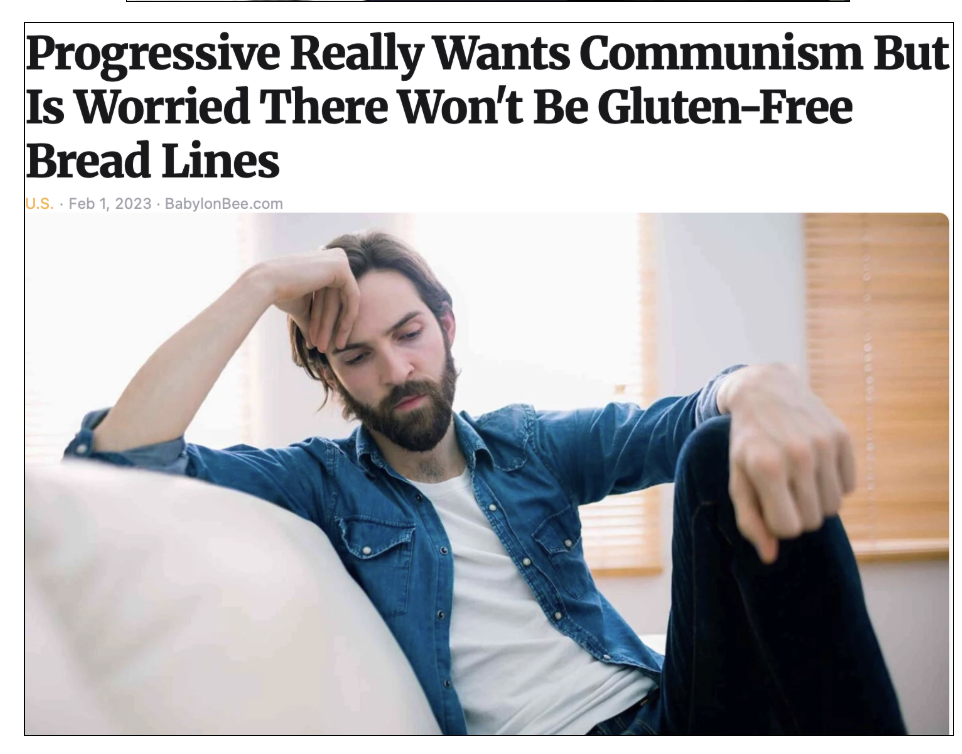
DON SURBER: Why They Try Communism. “Communism is not about economics. It is about power.”

Mamdani officials scramble to ease concerns about public supermarkets — but local business leaders aren’t buying it

The Mamdani administration is scrambling to ease concerns about its plans to open government-owned supermarkets — but recent talks have instead raised even greater alarms among local business owners, The Post has learned.

New York City bodega owners came to City Hall last week for a “roundtable discussion” at the invitation of Julie Su, deputy mayor for economic justice — only to get barraged with “intrusive” questions about their businesses, a source close to the situation said.

[“Deputy mayor for economic justice” says it all. — Ed]

Ahead of the meeting last Monday — attended by reps from city agencies and trade groups for the city’s 13,000 bodegas — Su asked the group in a questionnaire, “What items are sold the most at your stores?” and “Where is your profit margin the greatest?” sources said.

There are some 13,000 bodegas in New York City, who were represented at a meeting on Monday with city officials.c.moulton – stock.adobe.com

The bodega reps declined to answer, according to sources.

“They wanted us to share proprietary information with them but they don’t answer our questions and that’s why there is distrust,” said a bodega rep who did not want to be identified.

Business owners gripe that city officials are only now seeking their input — and seemingly as an afterthought — after sparking alarms in April with a surprise plan to build a public grocery store in East Harlem at La Marqueta. That store will cost a whopping $30 million to build and threatens the livelihood of more than a dozen existing stores nearby.

The city insists its socialist-inspired vision for at least one public supermarket in each of the city’s five boroughs – the first of which will open in Hunts Point in the Bronx next year – will not directly compete with existing stores nearby.

“We met with bodega owners so they could help us plan and ensure that we take into account their challenges and their role as a part of the food ecosystem,” Su said in a statement to The Post.

“One of the questions we wanted to understand is whether there are key products bodegas sell and rely on that we should not sell. That’s how serious we are about not undercutting them.” 

Grocers and bodega owners, however, are struggling to make sense of such claims.

“Mamdani’s plan to subsidize the grocery stores with taxpayer funds so they can offer rock-bottom prices on essential items threatens grocers who operate on 2% to 3% profit margins. They say they have been forced to raise prices as costs from fuel, tariffs and property taxes have soared.

….

So far, the Mamdani administration’s promises sound like empty campaign slogans, say industry executives. Meanwhile, it’s provoking alarms with nosy questions that have also included, “What is the main thing people come into your store for? What else do they buy while there?”

“It seems like a clumsy, one-sided fishing expedition,” a food policy expert who did not want to be identified told The Post.

“I would be put off if my local government asked me questions about my profits and margins,” the source who does business with the city said. “It’s none of their business.”

Of course, like all socialist projects, it’s about graft and loot passed on to cronies, not “the People”. This particular 9,000 sq. ft vegetable stall will cost $3,000 sq. ft. vs the typical $900 sq. ft. a Trader Joe’s or other commercial supermarket spends: $30 million vs $2.7 million: plenty of money to pass around to political friends.

Mamdani’s $30M city-owned grocery store will cost 4 times the normal price to build — and lose $300K a year in perpetuity: experts

Mayor Zohran Mamdani’s $30 million city‑owned East Harlem grocery store is going to cost taxpayers roughly four times what rival markets spend on construction, industry sources told The Post — and will likely run at a loss in perpetuity.

At $30 million, Mamdani’s 9,000-square-foot East Harlem grocery store [built on city-owned land] would cost more than $3,000 per square foot to construct.

But when it comes to building a new Whole Foods or a Trader Joe’s from the ground up, the costs are much lower, according to a real estate broker who works with prominent grocery chains. Those costs would run at about $800 per square foot, or $7.2 million, for a 9,000-square-foot location.

As for Mamdani’s $30 million shop, according to a grocery store consultant with knowledge of New York development, “no supermarket operator would pay that number.”

“Over $3,000 psf?” the broker emailed. “Someone is making extra vacation money!”

What’s more, the market would have to bring in a whopping $137,000 in daily sales (equivalent to $50 million a year) — which would convert to a roughly $13,000 daily profit — to recoup the $30 million outlay in six years.

That’s an astonishing annual sum, especially because the top five city supermarkets — often with larger footprints — roughly earned between $16 million to $27 million in annual sales in 2025, according to Food Trade News.

The ranking of the top 20 city markets overall for annual sales included familiar names. Key Food notched about $11 million per store, Krasdale scored about $9.4 million per location, ASG Stores — with brands like Associated — also did about $11 million per store. Fine Fare brought in $6.5 million per locale, and Food Bazaar averaged about $20 million per store.

The store will likely lose at least $300,000 a year, possibly in perpetuity, despite the store being rent-free, according to the consultant, a cost that will have to be borne by the taxpayer.

The La Marqueta store wouldn’t open until 2029, with other municipal grocery store sites selected and opened sooner, officials said.

It wasn’t immediately clear why it would require so many years for the store to open. Typically, upon taking possession of a space, it would take six to 12 months to construct a grocery store, the firm partner said.

The store will likely lose at least $300,000 a year, possibly in perpetuity, despite the store being rent-free, according to the consultant, a cost that will have to be borne by the taxpayer.

The La Marqueta store wouldn’t open until 2029, with other municipal grocery store sites selected and opened sooner, officials said.

“It wasn’t immediately clear [and never will be — Ed] why it would require so many years for the store to open. Typically, upon taking possession of a space, it would take six to 12 months to construct a grocery store, the firm partner said.”

PUBLIC SLUMS

Mamdani's Rent Freeze Threatens Everyone Who Owns Anything

David Strom, HotAir:

  Tenants' groups and leftwing activists are cheering New York City's newly announced multiyear rent freeze. But Mayor Zohran Mamdani's rent scheme is headed for a judicial smackdown at the U.S. Supreme Court.

        In 2023 and twice in 2024, a hesitant Supreme Court declined to hear challenges by building owners to New York state's rent regulations. Lower courts had ruled that the regulations diminished the value of rental properties, but the state had good reasons to balance the rights of owners with the need to protect tenants.

        At that time, Justice Clarence Thomas said the constitutionality of New York's rent regulations is "an important and pressing question," and he looked forward to a case that clearly demonstrated the government was going too far to take an owner's property.

        Mamdani is giving Thomas what he's been waiting for -- on a silver platter.

        Moscow Mamdani's scheme to deny landlords any rent hikes at all reeks of the kind of expropriation of private property that occurs in Cuba, Venezuela and other socialist nations. Not in America. It is prohibited by the U.S. Constitution.

        The Fifth Amendment bars government from imposing regulations that make a person's property worthless.

        Everyone who owns anything -- a home or a business of any sort -- should feel threatened by Mamdani's Bolshevik scheme to deny building owners fair compensation, doom rental properties to rapid decay, and then literally seize their buildings. After landlords, who's next?

        Under the framework established by the New York state legislature, the Rent Guidelines Board must determine allowable rent hikes based on the specific costs landlords incur. But Mamdani's handpicked RGB members threw the letter of the law out the window.

        Fuel costs went up 11% in the last year, and insurance went up 10.5%, but Mamdani's RGB announced Thursday that landlords will get no increases this year or the next. And, according to Mamdani's campaign promises, not even in the years after, as long as he is mayor.

        Zero rent hikes will cause buildings to rapidly fall into disrepair -- just what the new mayor intends. On May 29, he announced that when landlords fail to keep buildings up to code, "we will take aggressive legal action" to "transfer ownership to responsible stewards -- stewards that include community land trusts, nonprofits and even the tenants themselves."

        New York law already allows that, but only under extreme circumstances. It applied to fewer than 30 properties in 2024 and generally doesn't result in permanent confiscation. But Mamdani's rent freeze will turn many landlords into targets because they'll lack the revenue to keep apartments up to code. The rent freeze deliberately creates the conditions for widespread confiscation. Building owners get zip.

        Think Bolshevik Moscow in 1917, when the communists annulled private property rights, seized buildings and decreed them communal living spaces. Lefties now become the new land barons.

And what happens when “the people” do take over housing? Exactly what you

We've Never Tried 'Real Social Housing': Hall Of Eternal Shame

Mitch Berg 8:30 AM | July 03, 2026

It's one of those things that probably sounds like a great idea in a sophomore political science study group, or at a tony yoga studio full of upper-middle-class non-profit workers:   get rid of landlords, and convert the housing market to "social housing".   Which is another term for "socialist housing", without the "ist".  

I mean, like so many things coming from the ultra-left, it seems to wrap a solution to a difficult problem in a neat, simplistic, dare I say reductionist package that rolls right off the tongue, or the keyboard:

To paraphrase the classic sophomore political science cliché, just like the problems with Marxism, "we've never tried "real" "public builder social housing".  

But if you are old enough to have cognitive memories of Bill Clinton's administration, you know - yes, we have. 

In the 1950s-1960s, when a previous, much more innocent generation of the left embarked on the "Great Society and the War on Poverty", there was a well-meaning campaign of building public ("social") housing.   

The results were socially, criminologically, and economically catastrophic.  Some of the projects are still synonyms for horribly misguided government interventions with horrific results.  

For those that are too young to remember that more sensible age, and whose education ignored that history, I present to you...

...the Top Ten Worst "Social Housing" Fiascos Of the 1950s- 1990s.  

These are the ten worst, most dismal examples of "social housing".  

So far. 

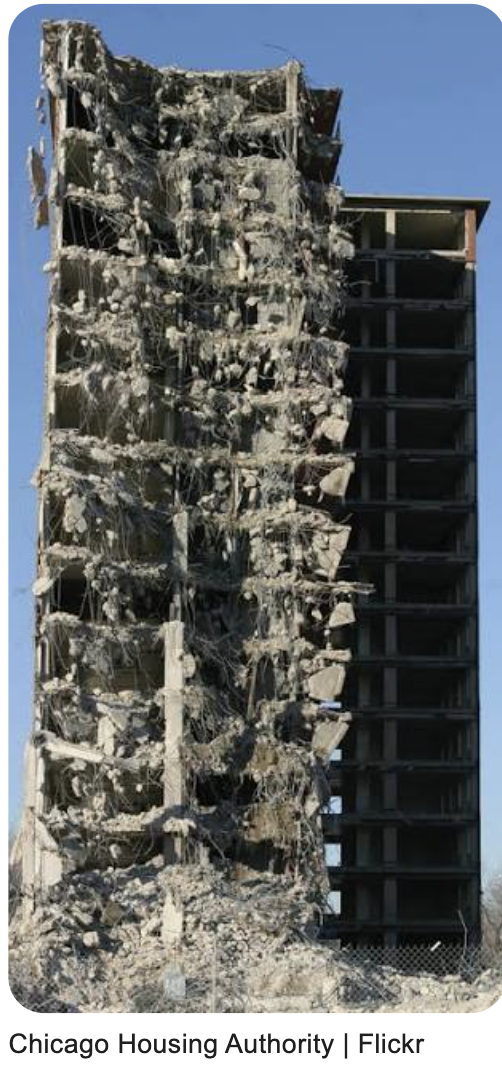
10, 9 and 8. Rockwell Gardens, Henry Horner Homes and Stateway Gardens

Chicago's housing authority was particularly aggressive at building "social housing" from the 1950s into the '70s; the city was (and remains) highly represented on lists of places with tight correlations between government housing and all manner of blight.   

All three were demolished in the 2000s as even Chicago started to realize they had a problem:

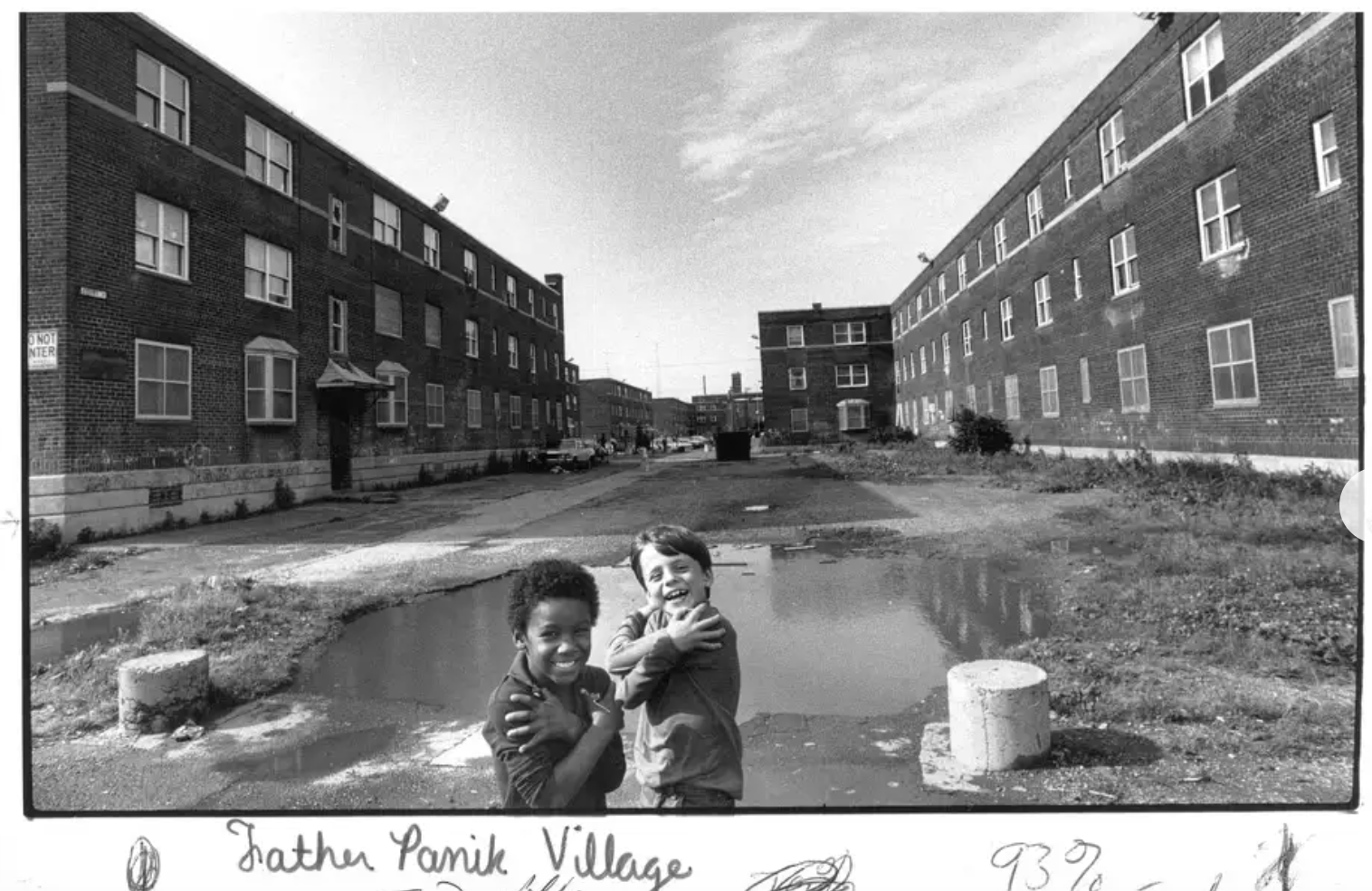
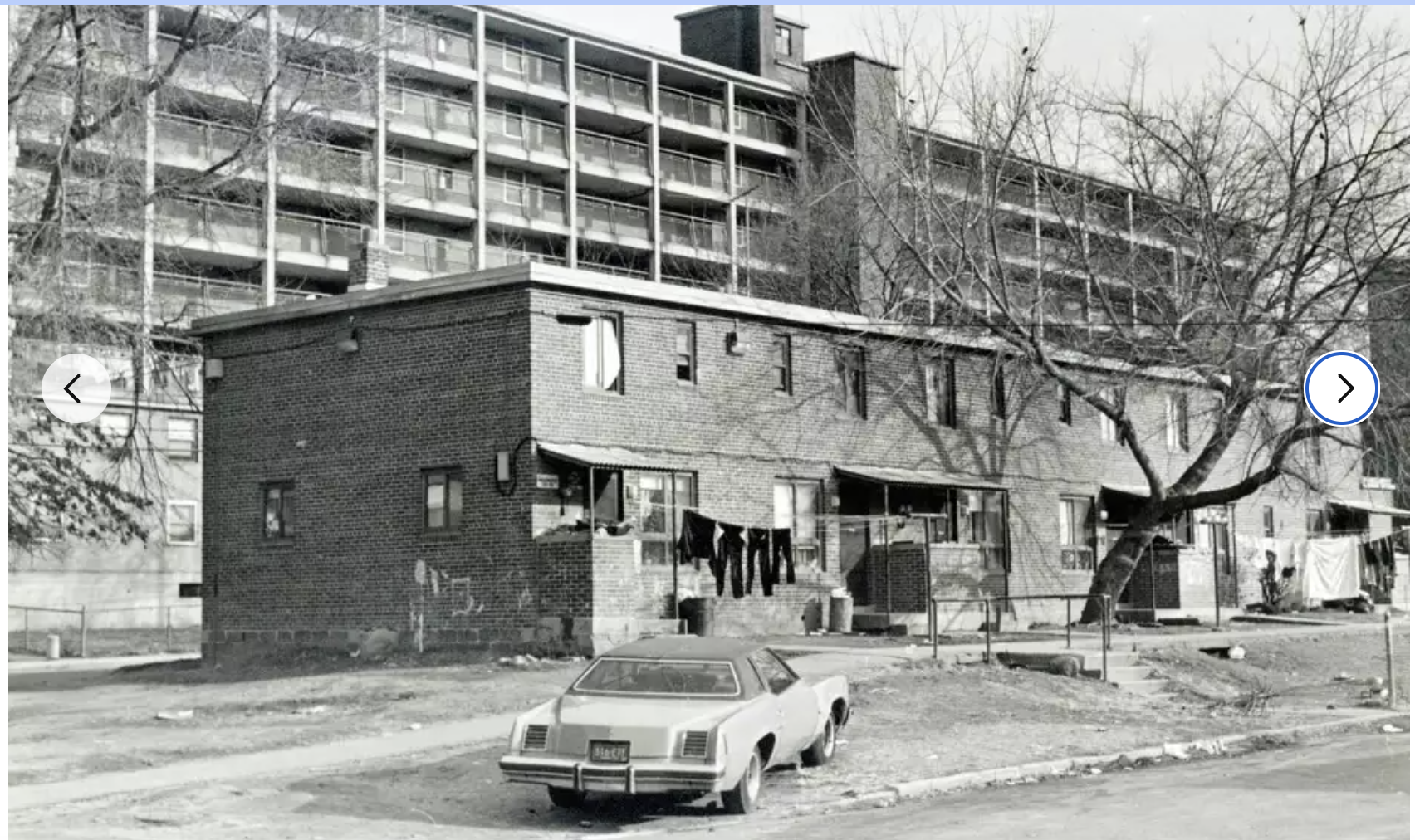
You can follow the link to Berg’s top ten list, but closer to home, we have Bridgeport’s Father Panik Village as the perfect example:

I originally drafted this post with lengthy excerpts from two different articles and you can read them here and here, but this post is already too long, so here’s an AI summary: bottom line, two-parent, blue collar working families moved out, welfare-mothers and their undisciplined children moved in, chaos and destruction followed.


AI Overview

Father Panik Village, a public housing project in Bridgeport, Connecticut, was demolished in 1994 due to severe gang violence, open-air drug markets, deindustrialization, and chronic municipal neglect. The area ultimately fell into such extreme decay that officials condemned it as a "criminal's paradise".

The demise of the complex was driven by several interconnected factors:

  • Deindustrialization: Following WWII, the factories bordering the complex (like the Remington Arms plant) downsized or closed. This led to mass unemployment and poverty within the community.

  • Drug Epidemic & Gang Violence: In the 1970s and 1980s, the complex was heavily impacted by the crack cocaine epidemic. Courtyards became open-air drug markets, and the area was plagued by constant shootings, murders, and firebombings.

  • Systemic Disinvestment & Poor Management: The Bridgeport Housing Authority failed to properly maintain the property. As conditions worsened, maintenance ceased, leading to severe rodent infestations, uncollected trash, and broken-down facilities.

As for what awaits New York City, we already know that, too: we have the example of that city’s largest slumlord, the New York City Housing Authority:

AI Overview

The New York City Housing Authority (NYCHA) faces a systemic crisis of disrepair across its 330+ developments. The agency requires an estimated $78 billion in capital repairs, struggling with aging infrastructure, vermin infestations, lead hazards, frequent heat and hot water outages, and broken plumbing.

A skeleton on the floor means no title to the door

Winning bidder on Burlington home where 3 bodies were found wants to delay closing

Bottom line, the “seller” can’t deliver clear title unless and until the late owner of the third set of bones and his time of death are determined.

BURLINGTON — Unanswered questions about when three people died at a home are raising concerns about whether the foreclosure process may have been legally defective, prompting an attorney's request to delay the closing. 

An attorney for the winning bidder of the Stanwich Lane home asked the judge to reopen the judgment after the title insurance company said it cannot issue a clear title. 

Three bodies were found inside the secluded home on June 14 by the new homeowner who won a bid for the property during a foreclosure auction on June 6, the attorney said. 

The home was owned by Paul and Sally Cash. They purchased the home in September 2019 for $535,000, according to town records. The couple took out a $385,000 mortgage on the property, according to town land records. 

Court records indicate no $3,255 mortgage payment was made since December 2024.

Court records show a foreclosure was recorded on the property on Aug. 6, 2025.

The state Office of the Chief Medical Examiner announced June 22 that two sets of remains, Sally Ann Cash, 54, and her son, Brian Cash, 22, had been identified, and that a third set is still being tested for DNA. The cause and manner of all three deaths are still pending. 

Consultations with Connecticut Attorneys Title Insurance Company determined the foreclosure may be legally defective depending on when the property owners died. Presuming the third body is Paul Cash, if they died before the foreclosure was recorded, their heirs, the probate court, the Connecticut Department of Revenue and the Connecticut Attorney General's Office should have been named in the foreclosure action, wrote John C. Lewis III, attorney for the winning bidder, Edward A. Marchion. 

"In other words, Mr. Marchion cannot currently obtain adequate title insurance at this time because CATIC would necessarily take exceptions from coverage for parties omitted from the foreclosure process such as the heirs of the estate," Lewis wrote in his motion. 

Lewis asked that the closing date be suspended until the completion of the Connecticut State Police investigation "so that it may be determined whether the foreclosure action is valid or defective." 

Lesson for home buyers: always check for cellar dwellers during your final walk-through.

Oh, Popie, just shut up

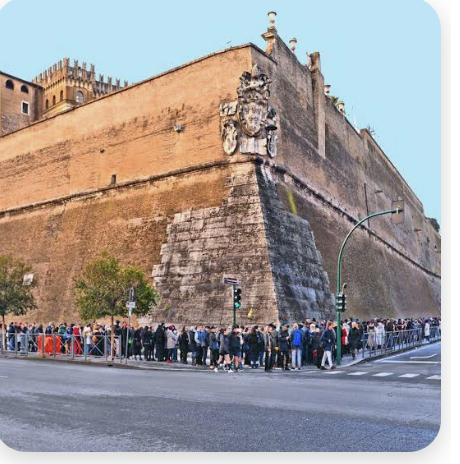
vatican city: Mr. Leo, tear down this wall!

Speaking from behind his guarded Vatican walls, Pope Leo urges US to welcome immigrants in America 250 speech

The first American Pope cited the Declaration of Independence before flying to Lampedusa to address Europe's migrant crisis, where he stayed long enough to praise religious freedom and berate Europeans for not letting in more muslims, known world-wide for their tolerance of different faiths.

Pope Leo XIV urged Americans to embrace the U.S.'s history of welcoming immigrants in a virtual address to the National Constitution Center in Philadelphia on Friday while accepting the 2026 Liberty Medal in recognition of his commitment to religious freedom.

"In these past 250 years, for so many peoples throughout the world, it was the firm resolve to achieve the noble vision of the nation's founders that made America a byword for freedom, as the country opened its doors to successive waves of immigrants, enabling them and their children to play their part in shaping the future of the nation," Pope Leo, the Catholic church's first American Pope, recited.

"I would just like to recall the words signed by the founding fathers of the nation 250 years ago in Philadelphia in the Declaration of Independence. It said that we hold these truths to be self-evident, that all men have received fundamental rights from our creator, and they include life, liberty, and the pursuit of happiness," he continued.

…. "Today, as we look to the future, this historic anniversary presents us with the opportunity to reflect once again on the nation's founding principles in the hope that America will remain ever true to the dream that has earned it the title of land of the free and home of the brave," the Pope continued, bolstering a steady commitment to advocating for immigrant and migrant rights, a position he's taken a strong stance on since ascending to the papacy in 2025.

"The moral greatness of a nation is manifested, above all, in its capacity to support, protect and cherish the lives of all, especially the most vulnerable and those whose worth is questioned," Leo concluded.

Following his virtual address to the Philadelphia crowd, which he delivered remotely from The Vatican, the Pope departed for Lampedusa, an Italian territorial island off the coast of north Africa that's become a hotspot for migrants seeking to gain entry into Europe.

There, again, Leo urged the world and Europe to accept more migrants

Pope Leo XIV's brief day trip lasted exactly 3 hours and 36 minutes from the moment he landed to the time he lifted his skirts and hurried back to hide in the Vatican, safely removed from unwashed migrant terrorists.

.Update. I can’t link to TikTok in Wordpress, but check this video from BBC AUS: Lampedusa, population 6,000, now has up to 7,000 African migrants a day landing on its shores — 127,000 in 2023 and increasing each year — where the Italian goverment scoops the, up and brings them to the mainland so they can settle in or move on to infest the rest of Europe. The arrivees are primarily muslims from Tunisia and neighboring African countries: the Pope wants more of them.