Maine Fail
/
vertical fraud
So, we were talking about Maine’s “Green Energy” initiatives the other day, and that prompted a response from a reader who’s been enjoying the benefits of that scheme. Just for fun, I’m including a related story that’s making the news this week, on an ongoing federal/state-funded scam. First, the reader:
Sidebar to your blog post about Maine residents putting their money where their mouths are...
My wife and I own a cottage in a large development in Wells. A few years ago, to fund green energy initiatives, The state regulators and CMP decided one source of revenue could be the "monthly meter fee". Their brilliant plan was to raise it from $20 per month to $200 per month, on commercial properties only. I assume the whole thing would have gone down in flames if they tried that with residential properties. Our residential development is deemed commercial, for reasons unimportant to this tale. We also have a total of 24 meters. So our association's cost went from $480 per month to $4,800 per month. THAT should fund an EV charger or two! Way to go, Maine. Letters to state legislators asking for relief have gone unanswered.
Cheers,
"A Reader Up North"
And on a larger scale, there’s this report from The Maine Wire. Small beans, perhaps, but multiply these boondoggles across 50 states, add in USDAID projects across the world, instructing Afghan men on women’s rights, funding Peruvian transvestite dance groups and such, and pretty soon you’re talking real money.
Salad Tossed: $88M “Green” Project Celebrated by Maine Democrats Faces Foreclosure
The “urban farm” received tens of millions of dollars in taxpayer funding, both from the Biden Administration and from the State of Maine, with Maine Gov. Janet Mills even visiting the alleged salad producer for a photo op.
At the time, we peeped through the windows to see millions of dollars in equipment sitting idle, with maybe one or two bags worth of microgreens growing.
We reported with much irony that Vertical Harvest CEO Nona Yehia told me the fantastic contraption would be “churning out salad at close to full capacity by the end of the year.”
“The facility is currently churning out salad at a limited capacity,” Yehia said.
In April Jon Fetherston and I visited the offices of the much-ballyhooed “Vertical Harvest” to find a ghost town, unpaid taxes, and barely a bag of micro greens.
The “urban farm” received tens of millions of dollars in taxpayer funding, both from the Biden Administration and from the State of Maine, with Maine Gov. Janet Mills even visiting the alleged salad producer for a photo op.
Fast-forward to today: Vertical Harvest is facing foreclosure on one of the many “green” loans from the government.
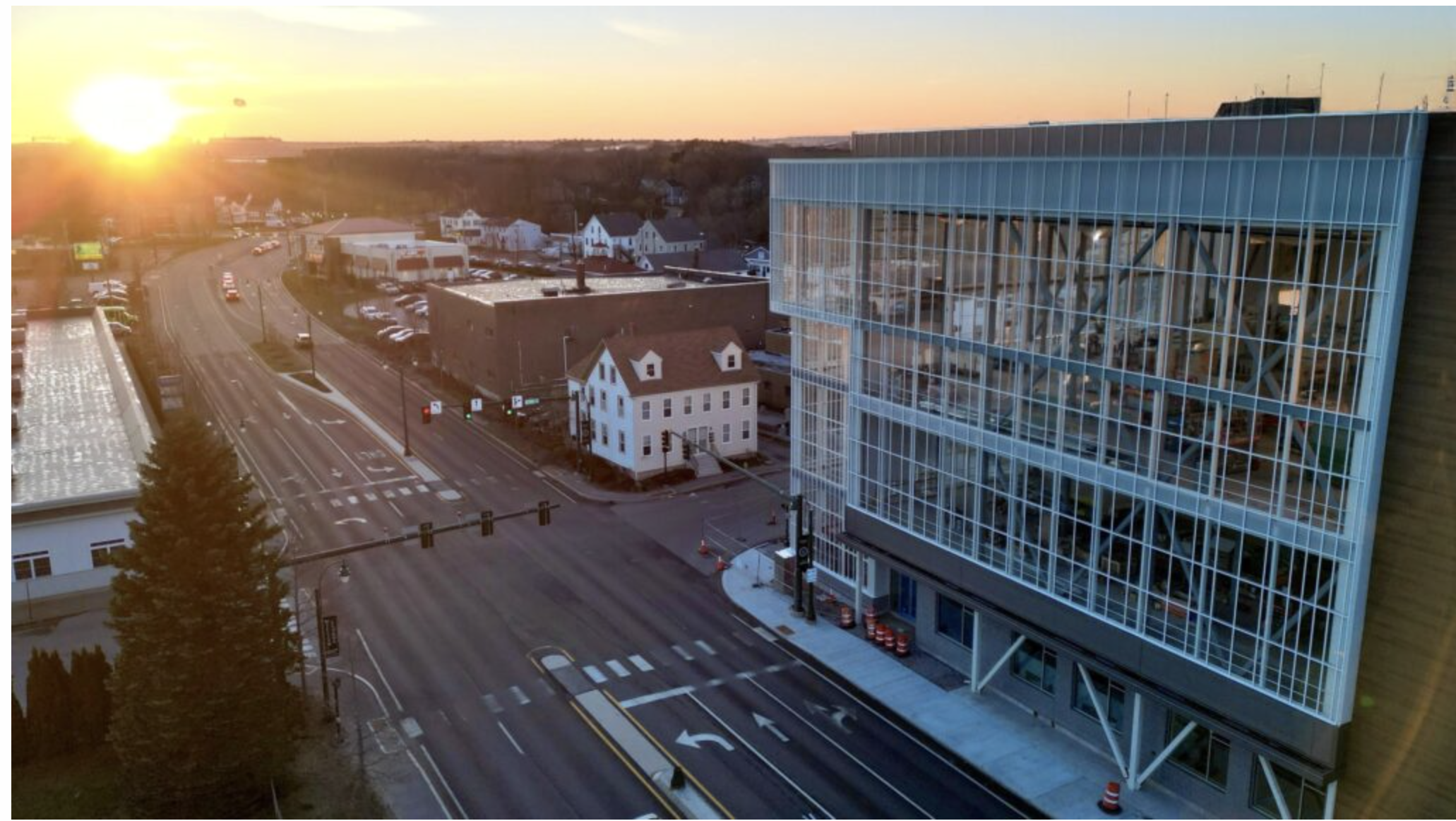
An $88 million hydroponic farming project in downtown Westbrook that received tens of millions of dollars in federally backed financing, state loans and other public support is now facing foreclosure over an approximately $8.6 million clean-energy financing agreement, adding another serious financial challenge to a project the Maine Wire previously reported was operating well below its projected capacity.
The Portland Press Herald reported Monday that Foundation Infrastructure Debt Fund I LP filed a foreclosure action last month against Vertical Harvest Maine L3C involving the company’s facility at 5 Vertical Way.
According to court records cited by the Press Herald, the foreclosure stems from a Commercial Property Assessed Clean Energy, or C-PACE, financing agreement originally entered into in December 2023 between Vertical Harvest, the City of Westbrook and Greenworks Lending LLC.
The financing initially totaled roughly $8.25 million and was structured over 22 years at a 12 percent annual interest rate, according to the Press Herald’s reporting. Greenworks later transferred its interest in the financing to Foundation Infrastructure Debt Fund, and the total financing amount was subsequently revised to approximately $8.66 million. The interest rate is scheduled to rise to 18 percent in 2028.
Efficiency Maine has previously identified Vertical Harvest as Maine’s first approved C-PACE project, saying the program facilitated more than $8 million in financing for the Westbrook facility.
The foreclosure action seeks to enforce the C-PACE lien against Vertical Harvest’s leasehold interest and improvements at the downtown property. Vertical Harvest does not own the underlying land outright.
The foreclosure action adds yet another obstacle to the Westbrook farm ever becoming a viable agricultural concern — in addition to the other mathematically insurmountable obstacles.
In our original report, we revealed that Yehia had previously entered into a financial arrangement, separate from the C-PACE agreement, the Westbrook financing, the FAME financing, and the federal financing, in which it agreed to pay massive interest to the Canadian broker who helped secure the federal windfall.
The broker subsequently sued Vertical Harvest alleging fraud.
According to the complaint, Vertical Harvest was unable to pay a two percent brokerage fee—$975,000—when the nearly $49 million federal loan closed in April 2024. Instead, the company scraped together just $75,000 at closing and deferred the remaining $900,000 into a highly punitive subordinated note.
Under that agreement with broker Waterside Commercial Finance, Vertical Harvest’s debt doubled to $1.8 million by month eight and continues to accrue a 25 percent annual default interest rate.
Depending on how the subordinated note calculates interest, Vertical Harvest’s obligation to its broker is increasing anywhere from $37,500 to $39,000 per month.
That’s a lot of salad!
Operating at 2% capacity, 6 employees
AI Overview
Vertical Harvest in Westbrook, Maine, is a four-story, 70,000-square-foot hydroponic vertical farm and mixed-use development located at Mechanic Street and William Clarke Drive, designed to produce millions of pounds of fresh produce year-round and champion inclusive employment.
🗓 📅 Chronological History
2010–2016: Company founded in Jackson, Wyoming; opened first flagship vertical farm.
Mid-2020: Project announced for downtown Westbrook by CEO Nona Yehia and co-founder Caroline Estay.
Mid-2022: Ground broke on the Mechanic Street site with local leaders like Mayor Mike Foley.
2023–2025: Steel framing and vaulted glass completed; facility prepared for hydroponic installation and first crops.
💡 📌 Background & Mission
Social Impact:
Employs individuals with intellectual and physical disabilities.
Targets 40% to 50% inclusive workforce representation.
(“While the company aims to have 40 percent of its workforce identify as having physical or intellectual disabilities, Yehia confirmed that during this current limited ramp-up phase, the Westbrook facility employs only two people who meet that criteria.”)
Agricultural Tech:
Soil-less hydroponic growing systems.
Yields greens and microgreens 365 days a year.
Leave it to the Beaver: With 1/8 the population, more Canadians now die from government-assisted "suicide" than Americans die from gun homicides
/
The ultimate land recognition program: depopulate the nation and return it to its original inhabitants, Buckey and friends
🇨🇦 Deaths from assisted dying: 16499
— 𝐓𝐡𝐞 𝐀𝐫𝐭 𝐨𝐟 𝐏𝐮𝐫𝐩𝐨𝐬𝐞 🇺🇸 (@creation247) September 21, 2026
🇺🇸 Deaths from firearm homicaide: 15364
More people died through Canada’s assisted dying program than were killed with guns in the United States.
Make it make sense... pic.twitter.com/wUXYba27KM
Let's check with The Post Millennial for the report, which looks at Canada's most recent euthanasia report.
A total of 16,499 people received MAID in Canada in 2024, according to Health Canada's Sixth Annual Report on MAID, the latest report available. In the US, 15,364 people were killed by a gun in 2024, per a report from the Johns Hopkins Center for Gun Violence Solutions. The MAID total is 1,135 higher.
MAID deaths reached a record high in 2024 and made up around 5 percent of all deaths in Canada, or about 1 in 20.
Canadian grandma allegedly sobbed ‘I made a mistake’ before medically assisted death
"Well, now we know where perma-masked Taylor Lorenz hangs out these days." Ed Driscoll
/
A lesbian bar in Greenfield eased its stringent mask mandate, a decision that has splintered the queer community in the city and beyond. https://t.co/FuaTxqqjso
— The Boston Globe (@BostonGlobe) September 22, 2026
The Boston Globe reports:
The August 31 Instagram post from Last Ditch Bar and Arts Venue, a lesbian bar in Greenfield, was upbeat, teasing a new DJ lineup and a volunteer meetup. But partway down the rainbow-hued post labeled “UPDATES!” was a sentence that would splinter the queer community in this small Pioneer Valley city and beyond.
“It is with love we inform our immunocompromised disabled divas we will be opening Saturday nights as mask optional,” wrote Last Ditch.
Previously, patrons were required to wear a well-fitted KN-95 mask “or better” at all times.
The new policy was not received with love.
“Just say you’re being complicit in a mass disabling event and get it over with,” wrote one commenter.
“people like you kill disabled people in the name of your own leisure and convenience,” posted another.
“I hope your venue gets firebombed for robbing my fellow immunocompromised people of their Saturday plans just to scrape extra revenue from ablists [sic],” wrote a third.
And of course ….
The bar apologized in an Instagram post, but that only made things worse, as it wasn't an accessible Instagram post. "Instead of defusing the situation, the apology seemed to make things worse," The Globe reports. "The bar had erred: it posted an Instagram card without providing alt-text for the visually impaired."

And you can bet the NGOs are already recalling staffers and making room in their bank accounts for the resumption of business as usual
/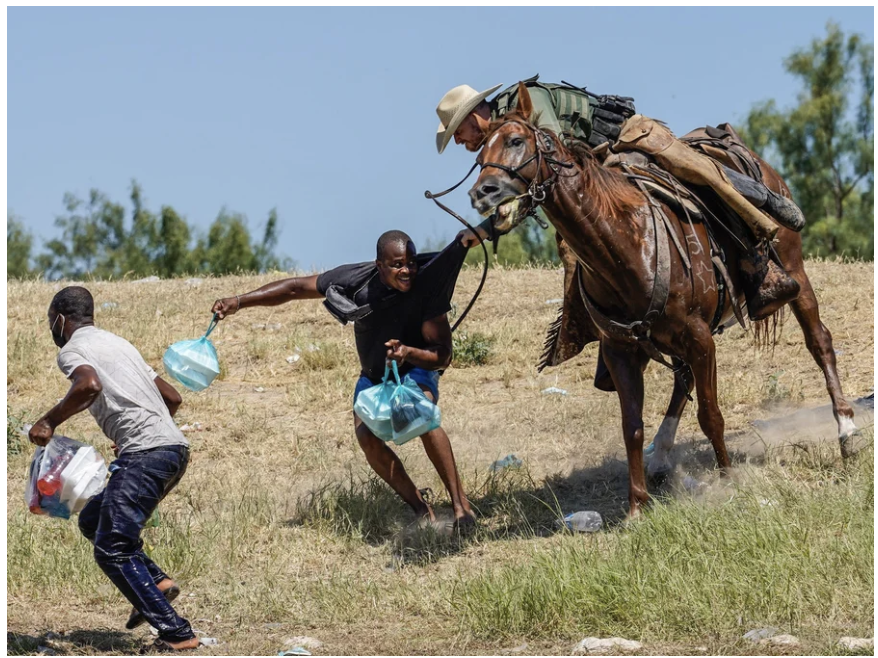
(For a fun “reporting” on this picture, see NPR’s coverage, below)
Anticipating a Democrat Congress, the First Migrant Caravan Steps Off
I can’t improve upon PJ Media’s Althea Thorne’s description of these people or what the effects they’ll have, so I’ll just quote from her column:
In anticipation of what it sees as imminent Democrat victory in the midterm elections, the international left is firing up the invasion hordes migrant caravans to cram in as many line-jumpers, leeches, fraudsters, and future birthright Democrat voters as it possibly can.
This new planter parade, no doubt the first of many, stepped off from the Gran Central Metropolitana in San Pedro Sula, Honduras, with a modest 400 souls in its ranks. Who knows how much those ranks will swell as the caravan treks across Guatemala and grinds up the 1,500-plus miles through Mexico? It's like watching hurricanes form up in the Atlantic whenever Democrats are in danger of taking power: Uh oh, it's migrant season! Tropical Parade Miguel is forming up in Central America, expected to intensify into a Category 3 Migrant Caravan over Mexico before crashing into the southern border.
… Here come hundreds of billions of dollars in expenses Democrats will force those of us who still contribute to society to pay for — universal pre-K, 13 years of schooling, medical care, food, shelter, and on and on. And of course, all the birthright citizens these women will produce will secure the benefits of the gravy train for the whole family.
La Prensa Honduras covered the vanguard invasion:
Lack of employment, insecurity, and the rising cost of living are some of the reasons that, according to the migrants themselves, led them to once again embark on the journey to the United States.
More than 400 Hondurans, including young people, mothers with their children, and people from different parts of the country, gathered at the Gran Central Metropolitana in San Pedro Sula to begin their journey north.
The travelers arrived from various municipalities hoping to find job opportunities and improve their living conditions. Some indicated that their income was insufficient to cover basic expenses, while others cited insecurity as one of the factors that motivated them to leave Honduras again.
Just a reminder: These eventual "asylum seekers" will pass thousands of miles through two Spanish-speaking countries on their way to our southern border. They are by definition not fleeing persecution; they are looking to sneak into our country or lie to authorities about conditions in their homeland to take advantage of our asylum laws.
NPR, September 21, 2021:
U.S. Border Agents Chased Migrants On Horseback. A Photographer Explains What He Saw
Images of U.S. Border Patrol agents on horseback chasing Haitian migrants along the Rio Grande are "horrific," the White House says.
The migrants were attempting to return to a camp near the international Bridge in Del Rio, Texas, where thousands of migrants have gathered on the U.S. side of the border river. Many of them carried food they'd just bought in Mexico.
But when the migrants attempted to cross the river and return to the U.S. side of the border, agents used their horses to try to turn them back. Homeland Security Secretary Alejandro Mayorkas announced that the agents have been placed on administrative duties while their actions are being investigated.
The dramatic scene immediately sparked new questions about how a "nation of immigrants" treats people who are desperate for a better life.
The photographer's viewpoint
Video from the scene shows an agent whirling his horse's long reins as he tries to block a man from entering the United States. And in widely seen photographs, an agent lunges nearly out of his saddle to grab a man by the shirt as the man carries bags of food.
"I thought the Haitians were quite scared, and I think there was probably some panic, which resulted in them trying to run around the horses," photographer Paul Ratje told NPR's Morning Edition.
"The agents tried to block them, and then the one agent grabbed a man by his shirt and then kind of swung them around," said Ratje, who frequently covers border issues. "And I don't know what prompted that."
An illegal tried to run around the horse of one of the men charged with enforcing our border and he was grabbed by his shirt — well, gee, I can tell you what prompted that.
Pending south of the Village
/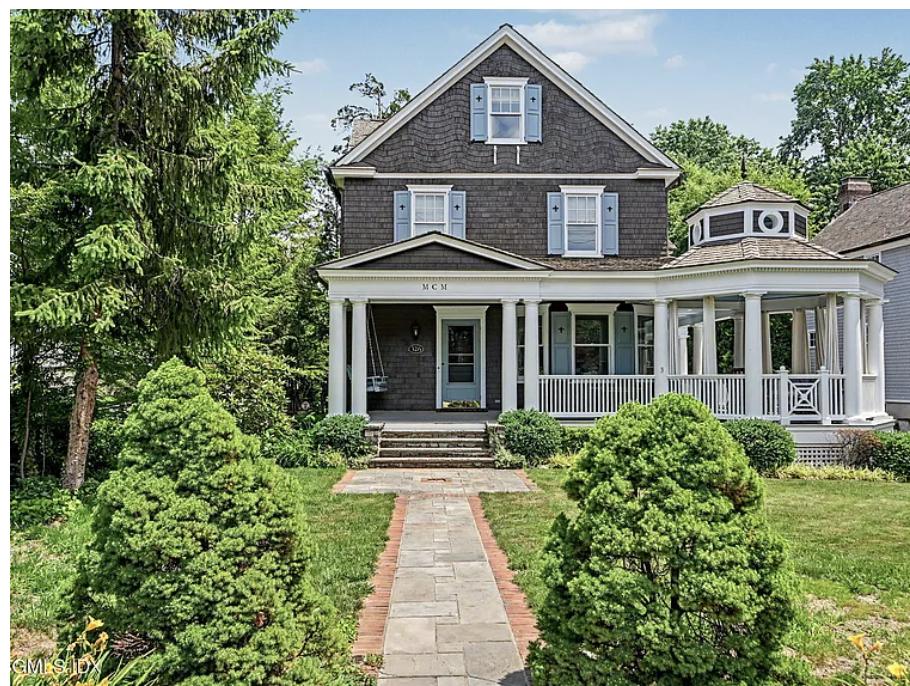
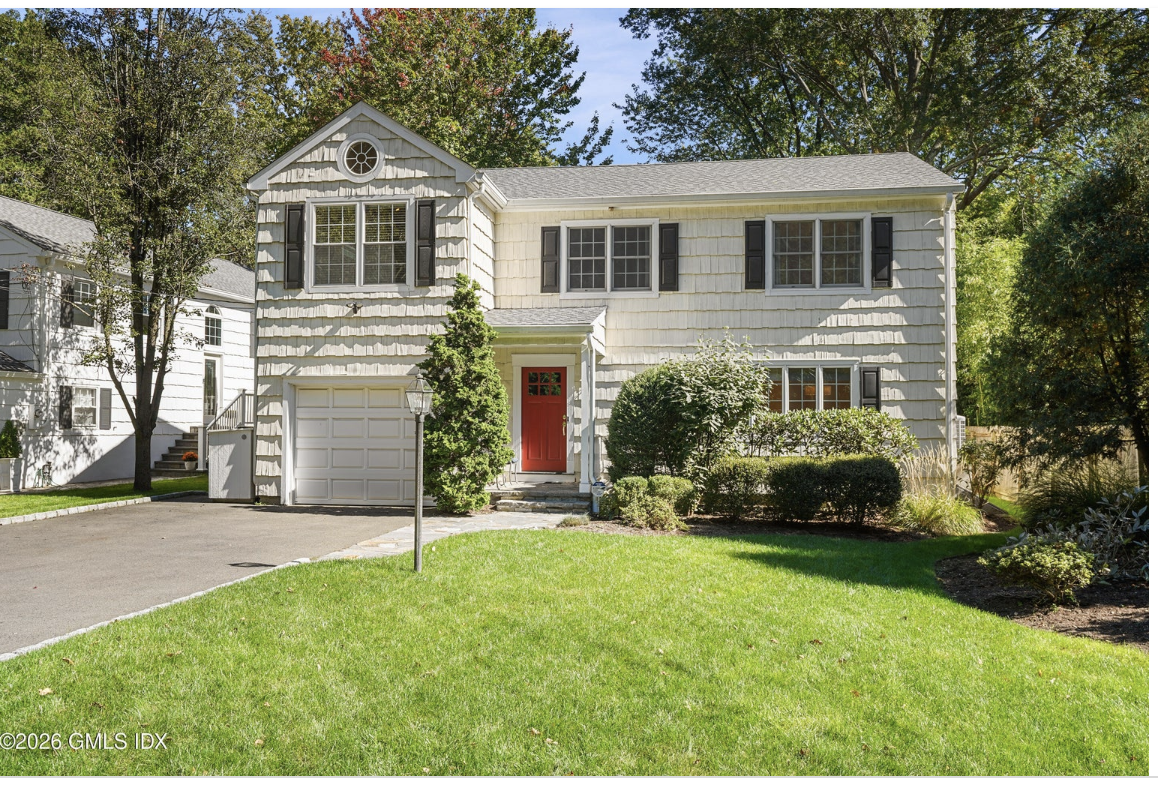
326 Sound Beach Avenue, asking $5.1 million, but spent 68 days on the market, so it may be going for less.
Built in 1900, beautifully renovated in 2007, it was still in great shape in 2018 when it sold via bidding war to these owners for $2,717,500. Nothing significant appears to have been changed or improved since then except, of course, its price.
Cos Cob sale
/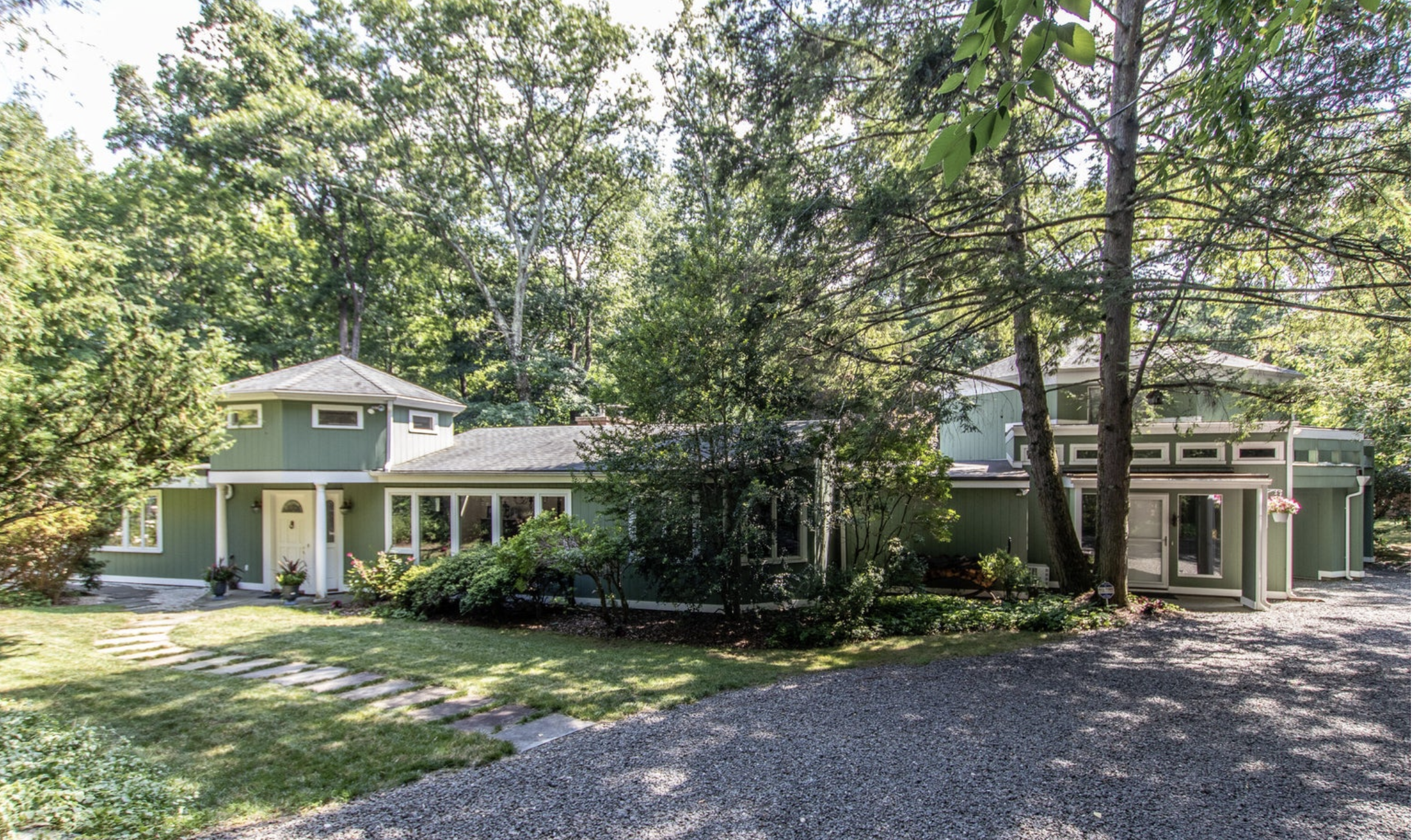
10 Steep Hollow Lane, off Cognewaugh, sold for its full price of $2.499 million to Midtown (10036) refugees.
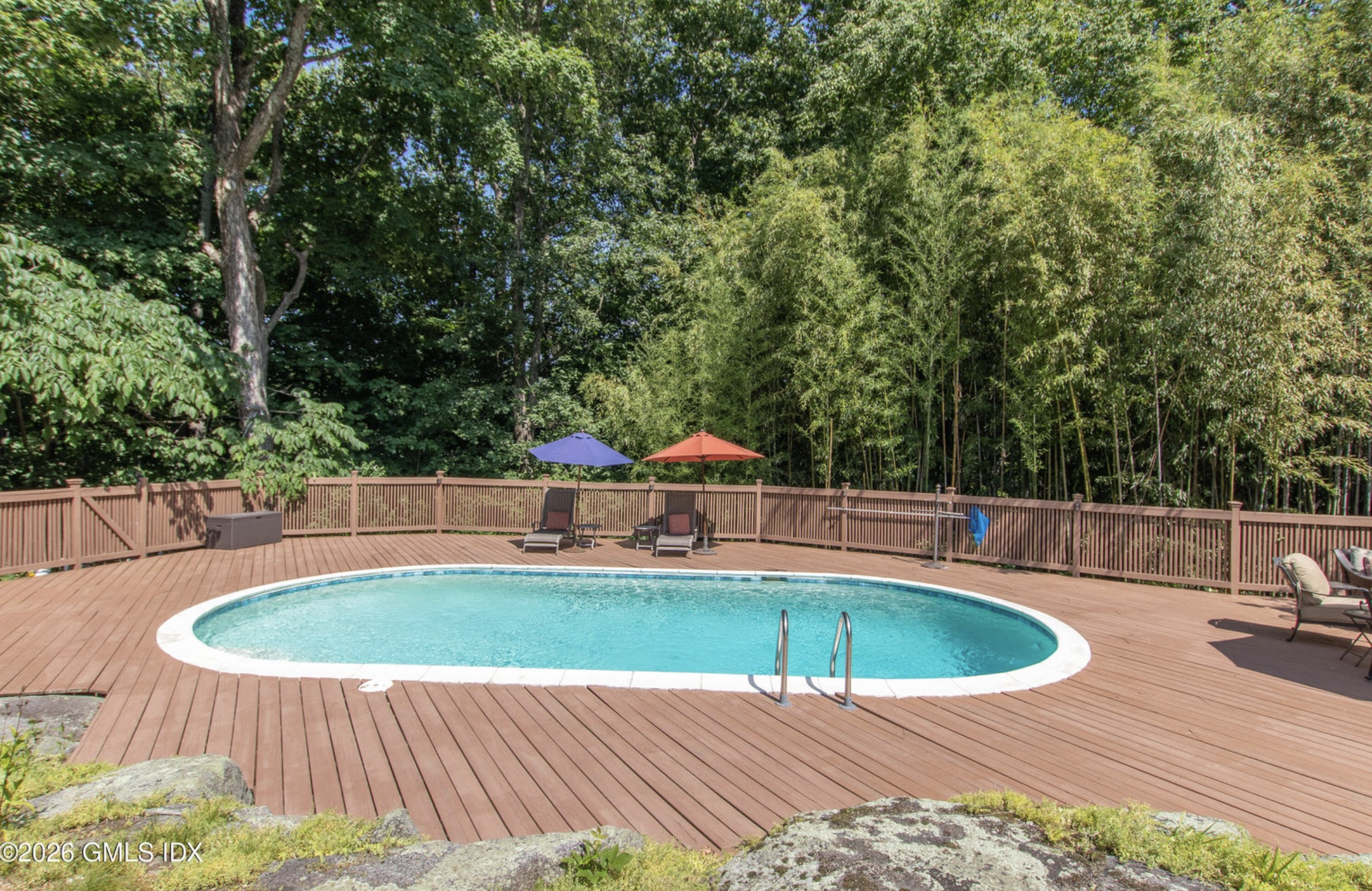
this wealthier part of the district often sees a deck around the standard above ground cos cobber
The End of the World as We Know It
/
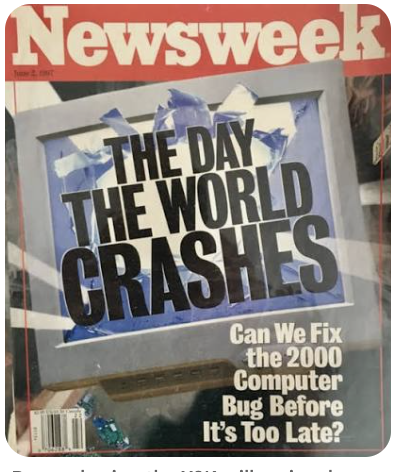
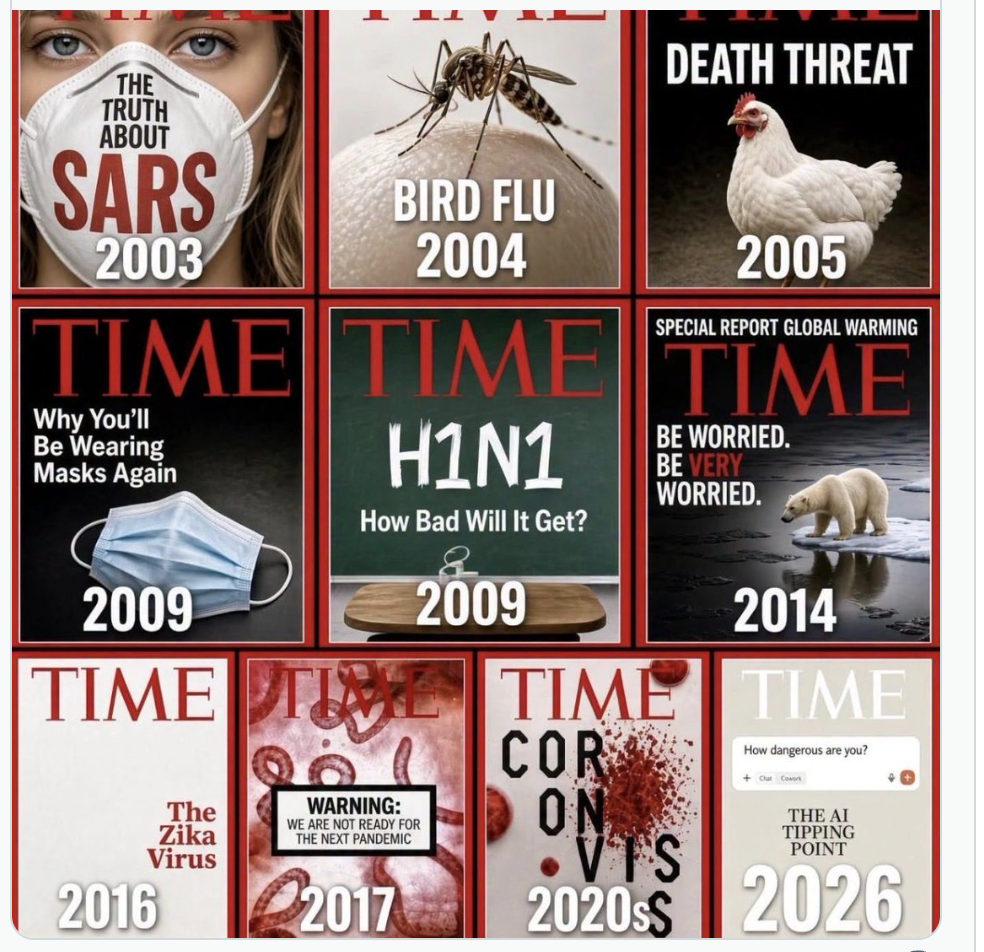
I miss the honest reporting of the Weekly World News



Although, to be fair, they did occasionally sink to the level of what passes for the mainstream press:

Greenwich only has six of them? Where’d we go wrong?
/
These 7 CT billionaires are some of the 'richest people in America,' new Forbes list says
New York Mets owner and Greenwich resident Steve Cohen had the highest net worth out of the seven Connecticut residents on the list. The 70-year-old has a net worth of $26.7 billion, and he ranked No. 43 overall on the list. In 2025, Cohen had a net worth of $23 billion.
Bridgewater Associates owner and Greenwich resident Ray Dalio ranked No. 62 overall with a net worth of $18.9 billion.
Greenwich resident Brad Jacobs ranked No. 98 with a net worth of $13.3 billion, and most of his wealth comes from Greenwich-based roofing and building materials company QXO Inc., according to Forbes.
Clifford Asness, who cofounded Greenwich-based quantitative investment firm AQR Capital Management, ranked No. 215 with an $8 billion net worth.
Greenwich resident and founder of hedge fund Lone Pine Capital Stephen Mandel Jr. ranked No. 302 with a net worth of $5.7 billion.
The seventh Connecticut billionaire to make the list was Ratmir Timashev, a Greenwich resident who is the cofounder and former CEO of the data management firm Veeam. Timashev ranked No. 315 with a net worth of $5.4 billion.