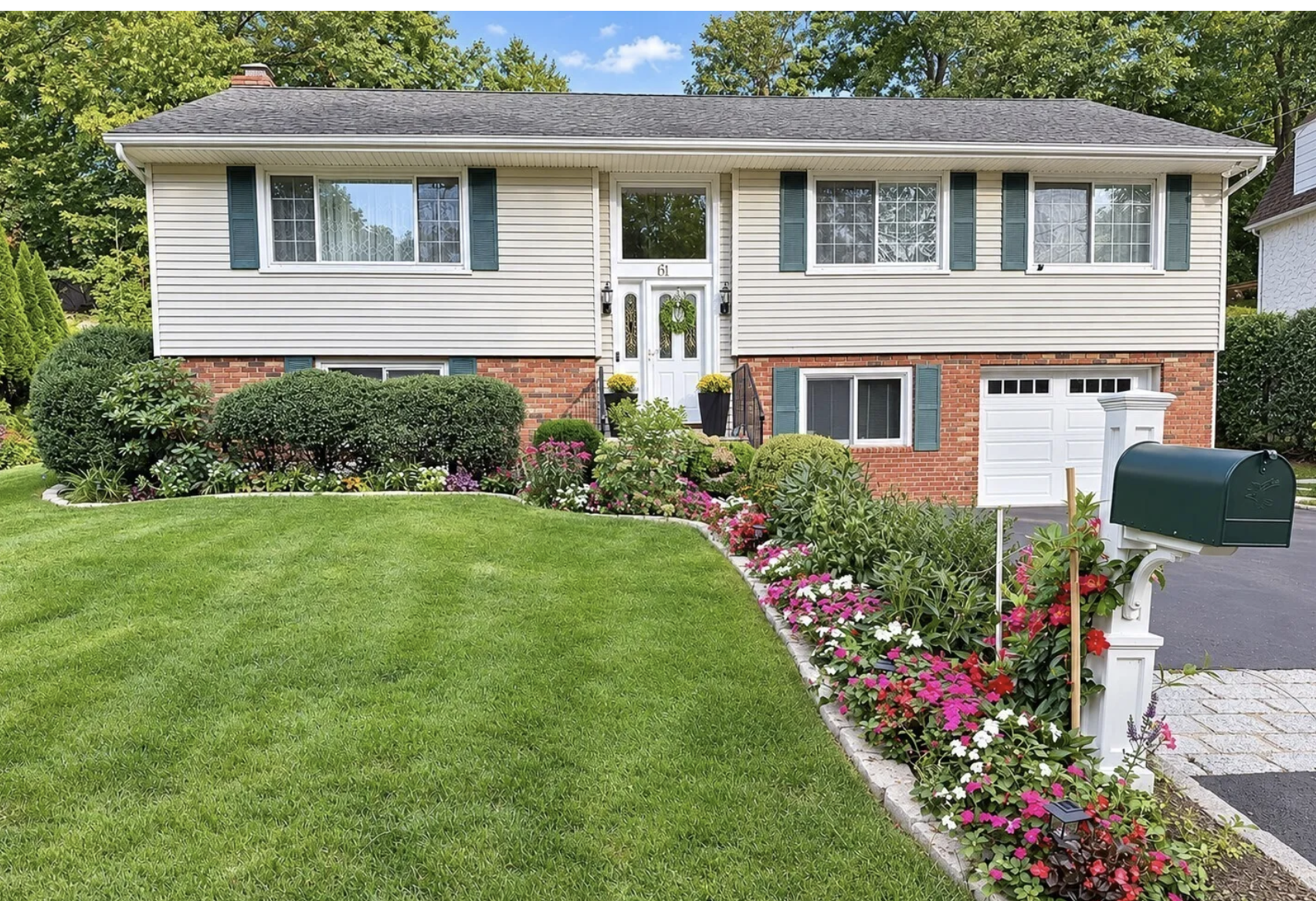
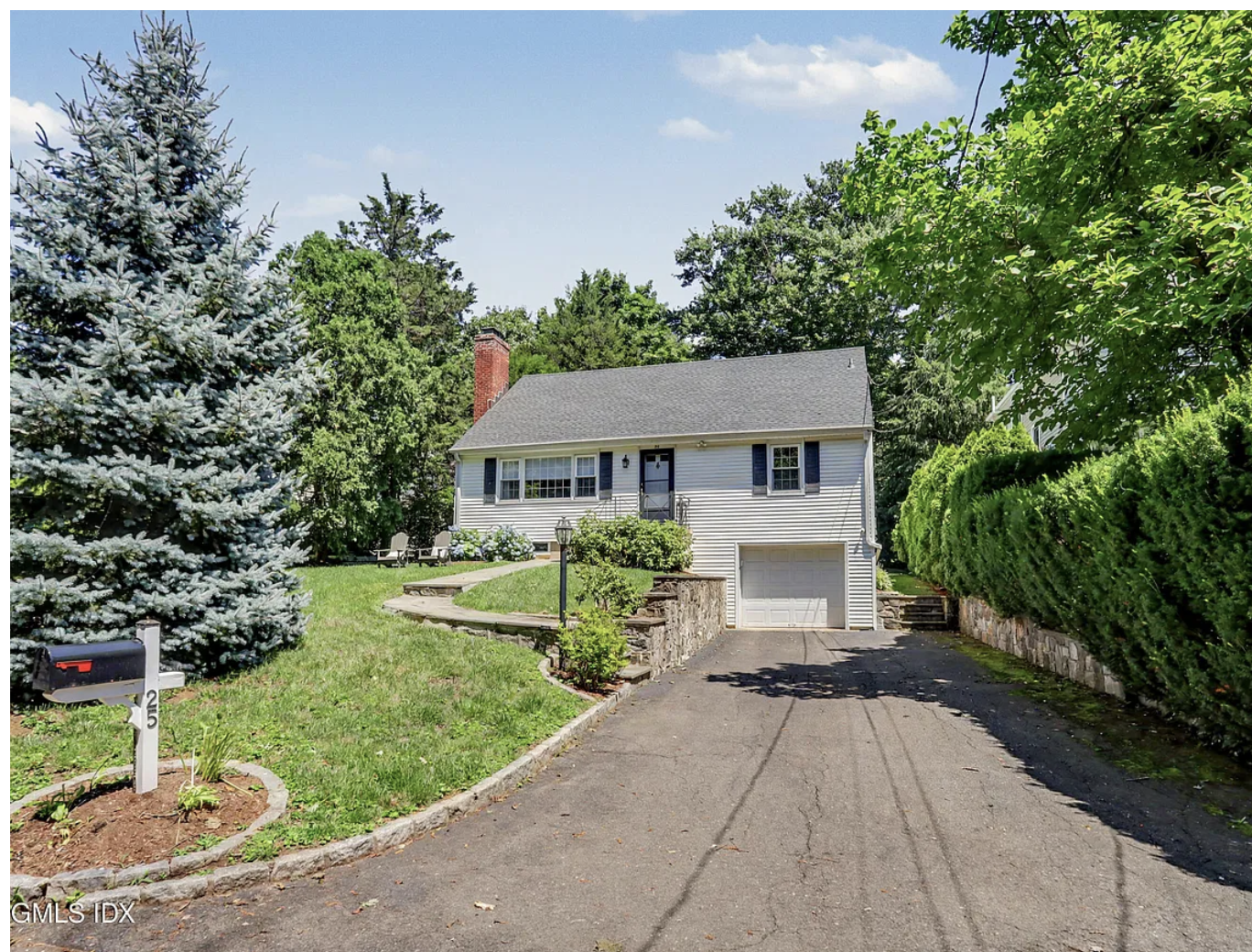
Well of course it is; now the only suspense is waiting to learn how much above ask it went for
/8 Highview Avenue, Old Greenwich, $4.195 million, pending after 14 days.
Greenwich, Connecticut real estate, politics, and more.
Greenwich, Connecticut real estate, politics, and more
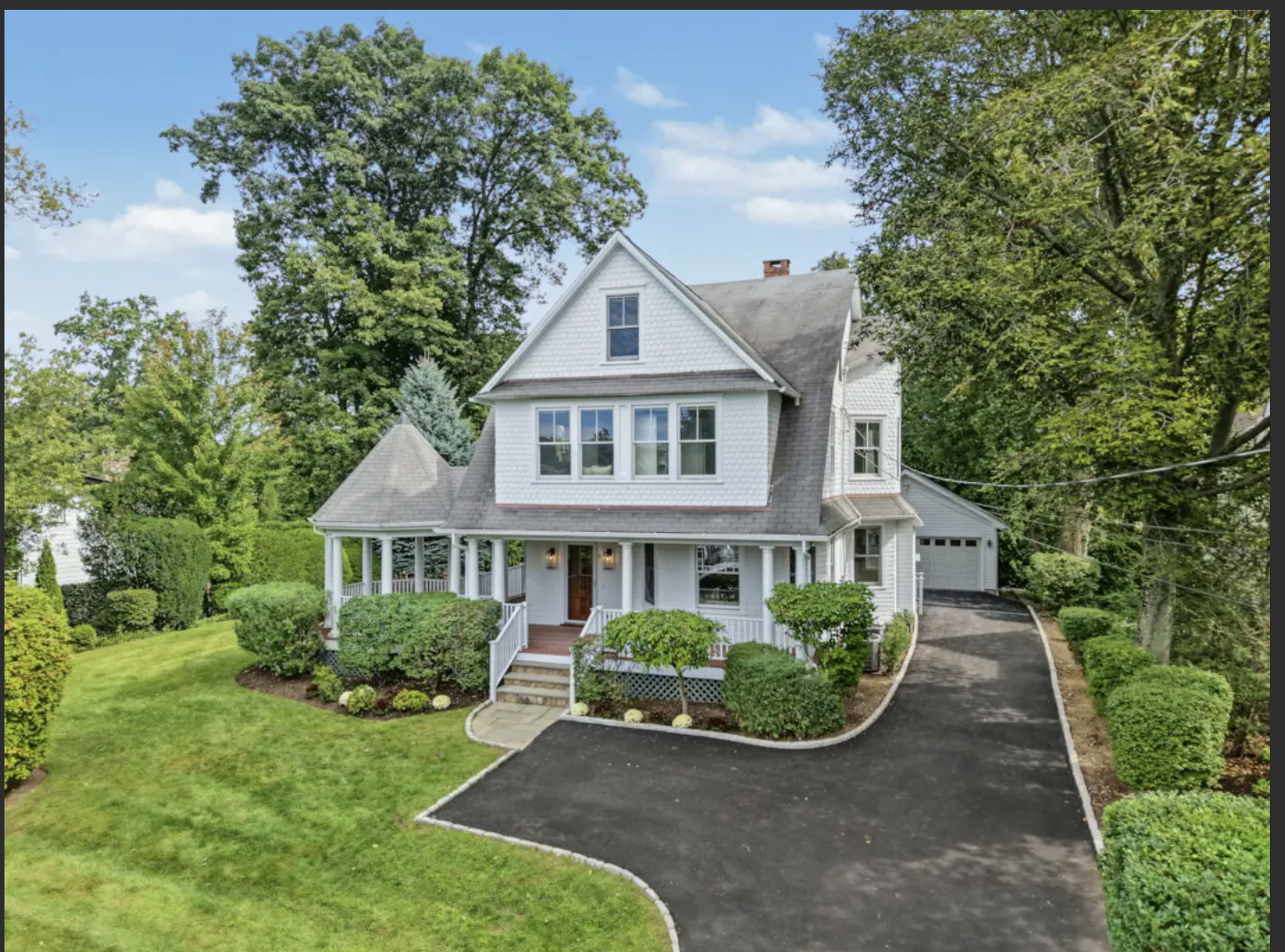
8 Highview Avenue, Old Greenwich, $4.195 million, pending after 14 days.

Greenwich Free Press published a decent article on a recent event at Tod’s Point:
The trouble is, either the young high school student who wrote the article forgot, or his editor dropped, the most important question that readers will ask: why? Why does this event matter, why should I care?
I spent a lot of time back in the day volunteering with the Shellfish Commission, and, knowing the importance of eelgrass to the marine environment, I was annoyed at this article’s omission. I put aside my irritation when I saw that the reporter was a high school student, but the efforts of these volunteers are important, so I asked ChatGTP to help Jimmy Olsen out:
Eelgrass is one of those unassuming plants whose ecological importance is wildly disproportionate to its appearance. A healthy eelgrass meadow is rather like an underwater forest, nursery, water-filtration system, and shoreline stabilizer rolled into one. And its disappearance from Long Island Sound has had consequences extending well beyond the loss of some underwater greenery.
Eelgrass (Zostera marina) is a true flowering plant, not seaweed. It has roots, produces flowers and seeds, and forms extensive underwater meadows in shallow coastal waters.
Its importance comes from five interrelated functions.
1. It's a nursery for marine life. Young fish, crabs, shrimp, and other creatures find shelter among its blades. The vegetation provides protection from predators and abundant opportunities to feed. Species such as bay scallops are particularly dependent on eelgrass habitat.
2. It supports the marine food web. Tiny organisms grow on the eelgrass blades, attracting small invertebrates, which in turn feed fish and larger predators. Eelgrass also contributes organic material to the food web as it decomposes.
3. It improves water clarity. Its leaves slow currents, allowing suspended particles to settle. Its roots help hold bottom sediments in place, reducing the amount of mud stirred up by waves. Clearer water, in turn, allows more sunlight to reach the plants.
4. It protects shorelines. By reducing wave energy and stabilizing sediment, eelgrass meadows help limit erosion, particularly in sheltered coastal environments.
5. It captures and stores carbon. Like land plants, eelgrass absorbs carbon dioxide through photosynthesis. Some of that carbon can be stored in the sediments beneath its meadows for long periods. This is part of what's known as blue carbon.
The third function is especially interesting because it creates a feedback loop: eelgrass helps keep water clear, and clear water helps eelgrass survive. Conversely, once a meadow disappears, sediment can become more easily disturbed, making it harder for eelgrass to reestablish itself.
There have been several major causes:
Disease: In the early 1930s, an epidemic of eelgrass wasting disease devastated meadows along the Atlantic coast, including Long Island Sound.
Nitrogen pollution: Fertilizer runoff, sewage, and other nutrient sources encourage algae to proliferate. These algae block sunlight, sometimes coating eelgrass directly.
Warming water: Eelgrass is a cool-water species. Prolonged summer heat can damage or kill it.
Coastal development: Dredging, construction, boat traffic, and changes to shorelines have destroyed or degraded suitable habitat.
Invasive algae can also compete with eelgrass, but the evidence points primarily to pollution, warming, disease, and physical disturbance as the major causes of its decline in the Sound.
This is another fascinating aspect of the problem.
Even where water quality has improved sufficiently for eelgrass to grow again, there may be no nearby eelgrass meadows to supply seeds. The habitat has become suitable, but the plants can't easily recolonize it.
Researchers are experimenting with an ingenious solution: attaching eelgrass seeds to live clams, which carry them down to the seabed and burrow into the sediment. An October 2025 report described plans to deploy 40,000 seed-bearing clams near Duck Island in Westbrook, Connecticut.
The idea is to establish enough healthy plants that they eventually reproduce and maintain the meadow without further human intervention.
So, this blogger’s helpful, if unwanted advice, is to try inserting a “why” paragraph into your next article early on, to tell the reader why he should keep reading. No need for a lengthy essay, something short will do, like this:
Eelgrass meadows are among Long Island Sound's most valuable marine habitats, providing shelter and feeding grounds for young fish, crabs, and shellfish while improving water clarity, stabilizing sediments, and reducing shoreline erosion. Once widespread, these underwater meadows have declined dramatically because of pollution, disease, coastal development, and warming waters. Restoring them could help rebuild the Sound's marine ecosystem.
Class dismissed.
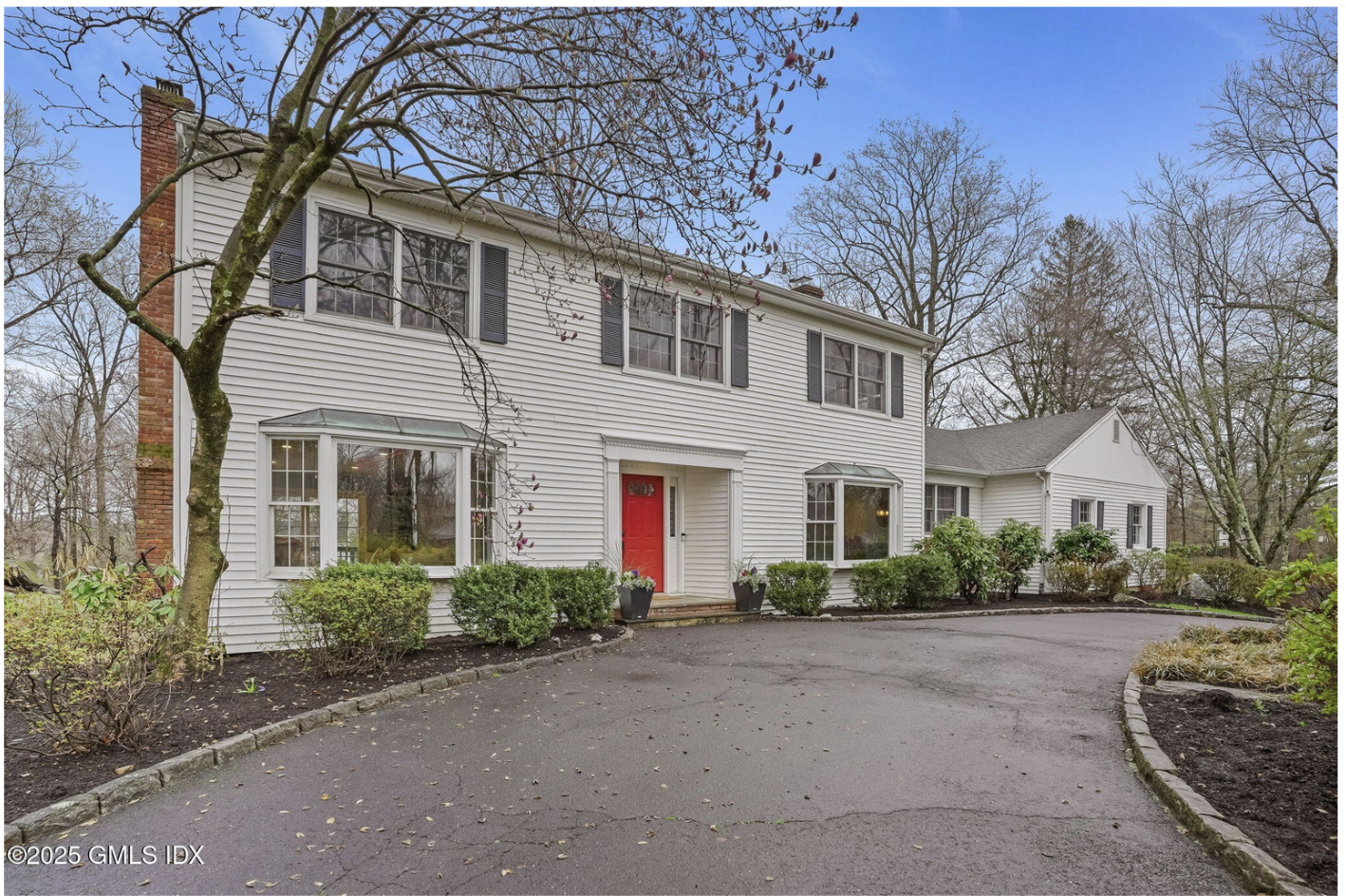
The buyers of 35 Turner Drive, in the “sought-after Calhoun Association” paid $2.7 million on its asking price of $2.395 back in May 2025, offered it for rent at $15,000 in October of that year, settled for $10,000 in March, and placed it back up for sale as land in August 2026 for $3.950 million. There was no noticeable rush of buyers eager to take advantage of this stunning opportunity, and that March rental expires today, so the property’s back, this time as either land or residence, take your pick, each with the same enticing new price of $3.695.
Hey, if you don’t ask, the answer’s always no.

Rabid Trump hater Joni Mitchell has been sworn in as a U.S. citizen. “Now I can vote against Trump!” Oh, well, her fellow-Canadian and far-less talented, far more obnoxious colleague Neil Young did the same thing in 2020 for the same reason, and we survived.
Besides, when has lack of citizenship ever stopped anyone from voting in our elections? And on the plus side, Joni’s “arrival” — she’s been living here since 1965, Young since 1970 — may be offset by the departure of the completely talentless castrato Art Garfunkel, who is “mulling” leaving our shores. There must be fifty ways to do that Art; pick one and go.

John served as First Selectman practically forever, and although he had an annoying tendency to deflect decisions to “committees” where they’d be studied to death and ultimately die, unmourned, the tactic worked, as shown by his re-election, term after term, by citizens who liked his style of governance. As did I, except when I was representing clients whose interests were being deferred. But John was always a gentleman, always ready to listen, and just a genuinely nice guy - and in truth, some of my clients’ demands were ideas best buried and forgotten anyway.
My all-time favorite memory of our First Selectman occurred one summer in the mid-80s, early 90s, when massive schools of bluefish herded millions of bunker into Cos Cob Harbor and up against the dam, where, as will happen, the bunkers used up the available oxygen in the water, suffocated, and died. After a few days baking in the hot, hot August sun, the stench was horrendous — if you’d forgotten to roll up your windows when crossing over the Route One bridge, you’d remember quite smartly, for sure.
Neighbors up and down the harbor, Riverside and Cos Cob alike, were, understandably, screaming for relief and demanded that the town send in, at huge expense, earthmoving equipment, workers and trucks to scrape up the tons of rotting, stinking piscatorial flesh, and relieve them of their burden, but Margenot, careful steward of the taxpayers’ money that he was, refused, and as was his wont, deferred to a higher authority, saying “God put them there, God will take them away.”
Which, eventually, God did. And now John’s off to thank Him and is, presumably, already giving him tips on how to govern large groups of disputatious people. God speed, John, and thanks for all you did for the town and for treating, sometimes gently guiding, obnoxious young lawyers like myself whenever we wandered into your office unannounced and without appointment. You brought Mayberry to Greenwich, and did it well.

“an exciting opportunity to be reimagined for its next chapter”
***Main house and cottage are both GUTTED shells. House and cottage require everything.***
The owners of 12 Woodside Road in Rockefeller’s Deer Park paid $8.9 million for the house in September 2023, gutted it, (presumably) changed their minds about redoing it themselves, and returned it to the market a year later at an improved price of $9.495. That didn’t work out as they’d expected, so they pulled it back and reintroduced it this past April at $10.850 (hey— they didn’t ask me). Today it’s dropped to $8.350 million.

41 Mohawk Lane, priced at $11.750 million last April, has now taken its second scalping and is down to $8.995.
Hard to believe no one’s clamoring to settle here.
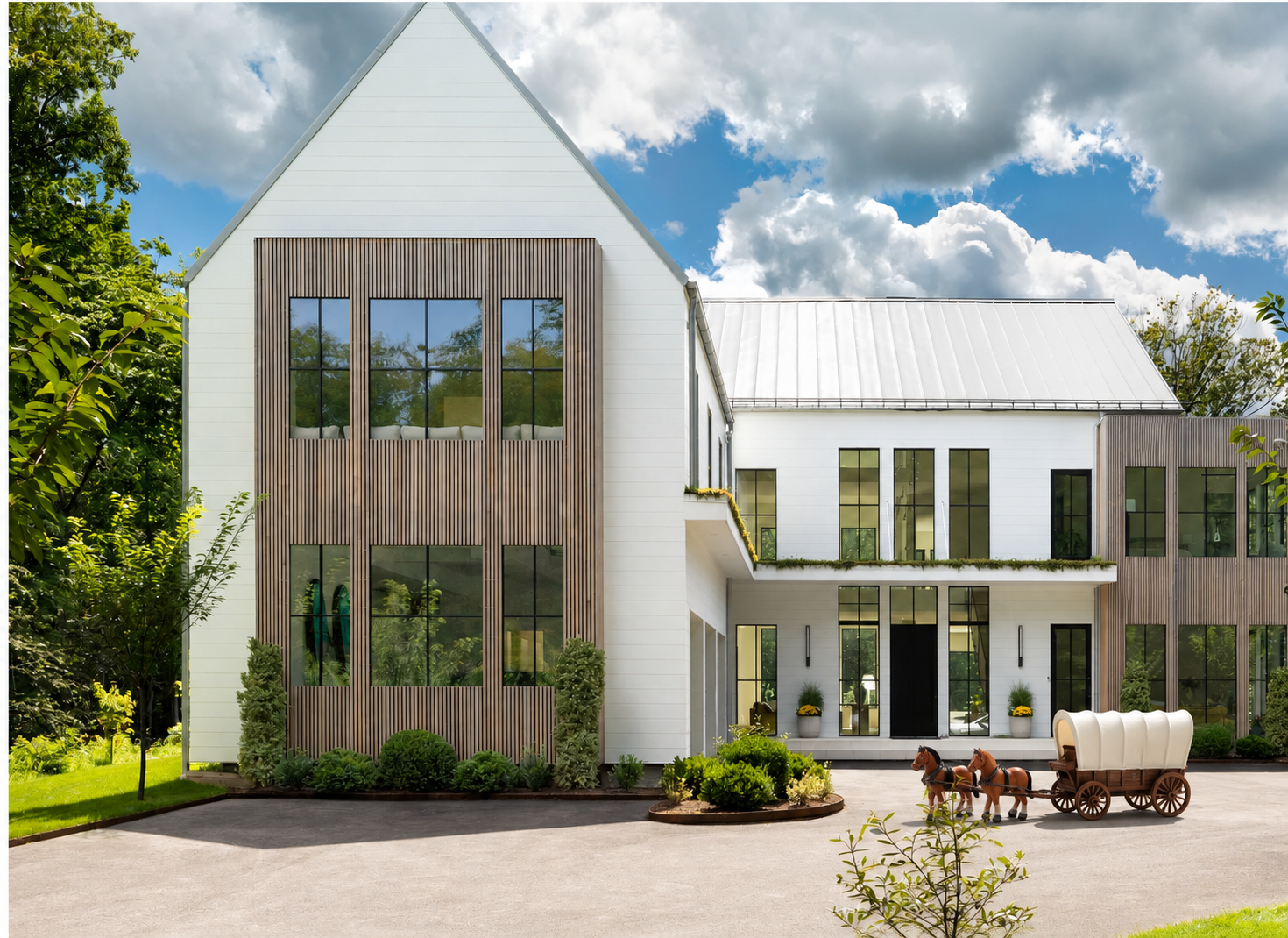

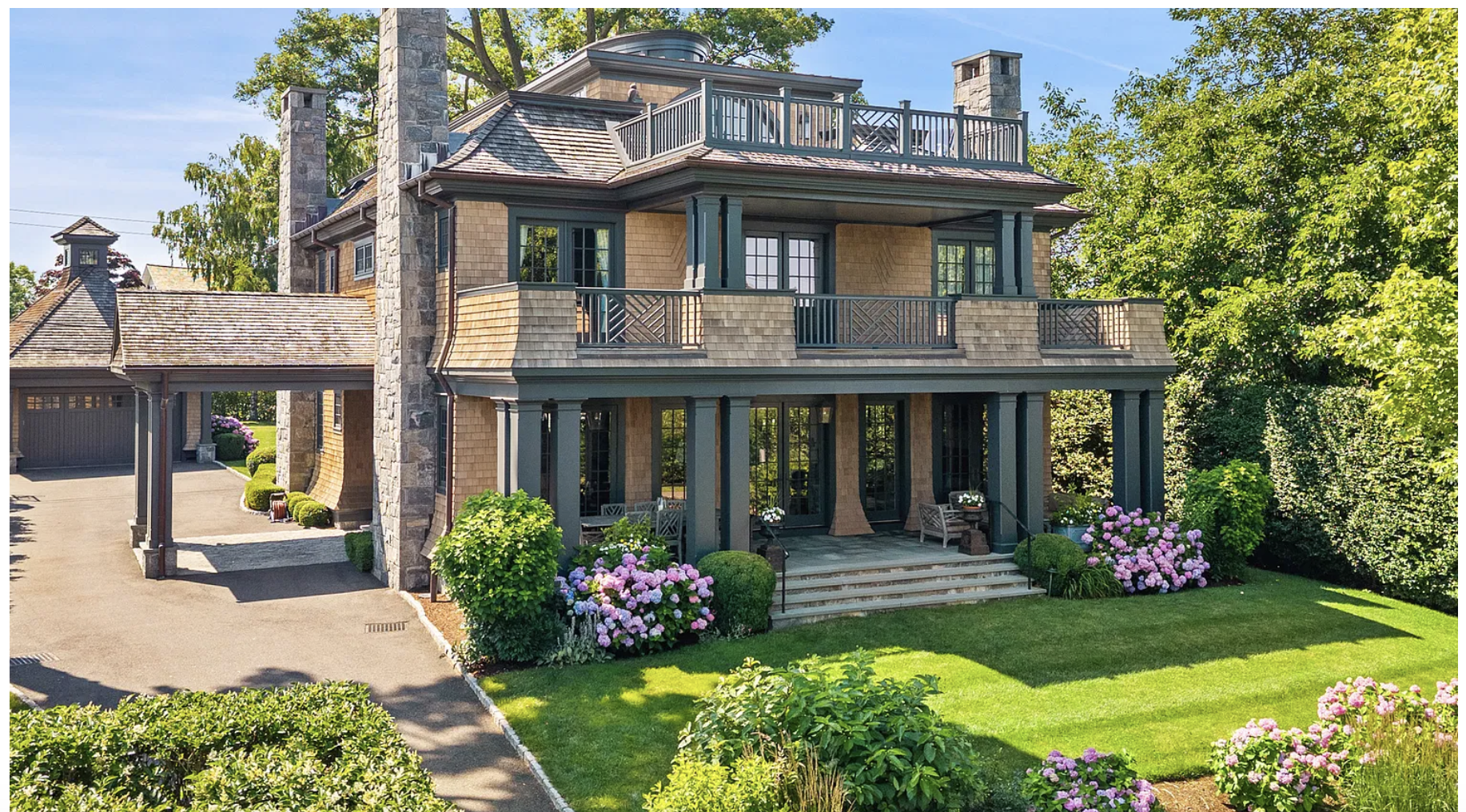
203 Shore Road (Thanks, Mick), Lucas Point, asked for $9.875 million but could only get $9.5 — that’s almost a 4% discount! Oh, what will we do, what will we dooooo??!
Of course, none of this will probably matter a month from now:

Up the coast in Westport, 46 Compo Mill Road, currently priced at $5.895 million and undoubtedly selling for less, is reported pending. Began at $7 million in October 21. What took so long? Well, perhaps the listing itself offers a clue: there’s no vehicle access.
Remarks: Everything stays on the other side. That is what people here say about the footbridge. You cross it, and whatever you were carrying does not come with you. 5,567 SF, Brooke Girty-designed shingle style, 2008 … five fireplaces, Viking and SubZero kitchen
Agent to Agent Rmrks: House is being sold fully furnished.
Of course it is: once rafted on, this stuff won’t be floating off again until the next hurricane.
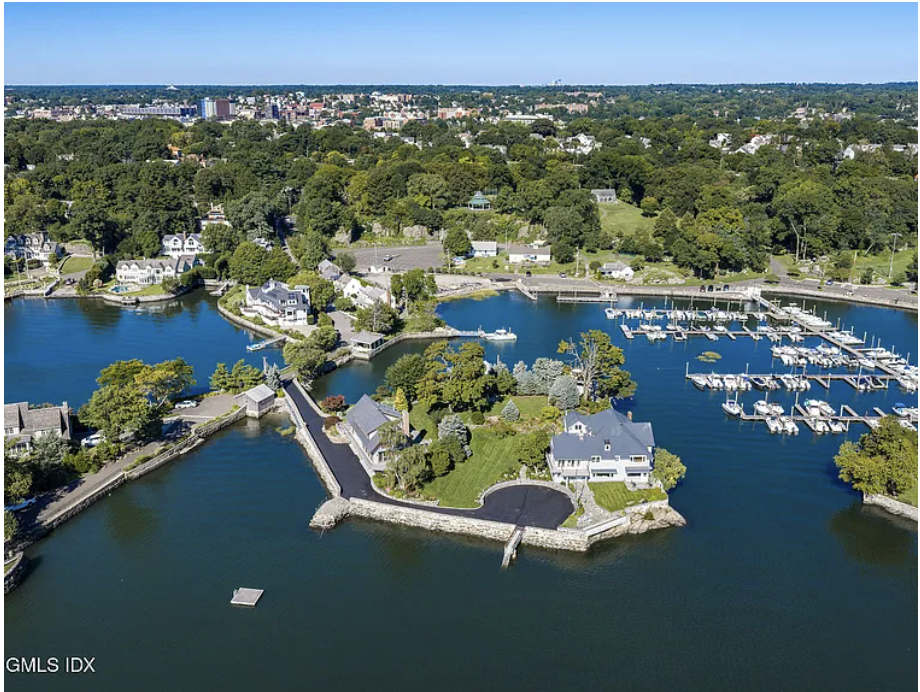
36, 38, And 0 GAME COCK
Closer to home, and almost in Greenwich (well, Byram) 36 Game Cock Road has been sold to Armonk buyers for $18 million. Began 610 days ago at $25 million.

A Democratic candidate in Indiana is going wildly viral for a car-crash interview in which she slurred her words and rolled her eyes while bragging about having “guns” and promising to fire all Republicans.
Jaime West, who is running for county council in Fayette County, appeared confused from the start of her televised forum sponsored by local outlets TV3 and the Connersville News Examiner, admitting that she had not prepared an opening statement, as expected
Her rambling, slurred monologue viewed millions of times on X only got more surreal when it sounded like someone on a microphone loudly farted.
When West was asked what unpopular thing she would do in office, she slurred again as she replied, “Firing all Republicans.”
“I don’t even talk to them…. I don’t like being around ’em,” West rambled about her opponent party members.
“I mean, y’all did this to us. Y’all voted for us. You made this happen, this ICE coming into our communities, stealing people’s jobs. I mean – arghhh,” she continued, before ranting about President Donald Trump’s supporters.
“There are good Republicans out there. But then there’s these MAGAs, who are just racist and aren’t very intelligent at all,” West said.
She also claimed a sheriff’s nephew once tried to “blow my head off,” and, when asked for a final message to the voters, she looked directly at the camera and threw her hands in the air as she bizarrely said, “We have guns too.”
The clip has gone viral since being shared by TV3 on YouTube on Friday, with Libs of TikTok stressing, “This is NOT a skit.”

“This is what happens when you’re at happy hour and are reminded you agreed to do an interview about your race,”

Be notified of new posts! Sign-up here:
Want to comment without registering?