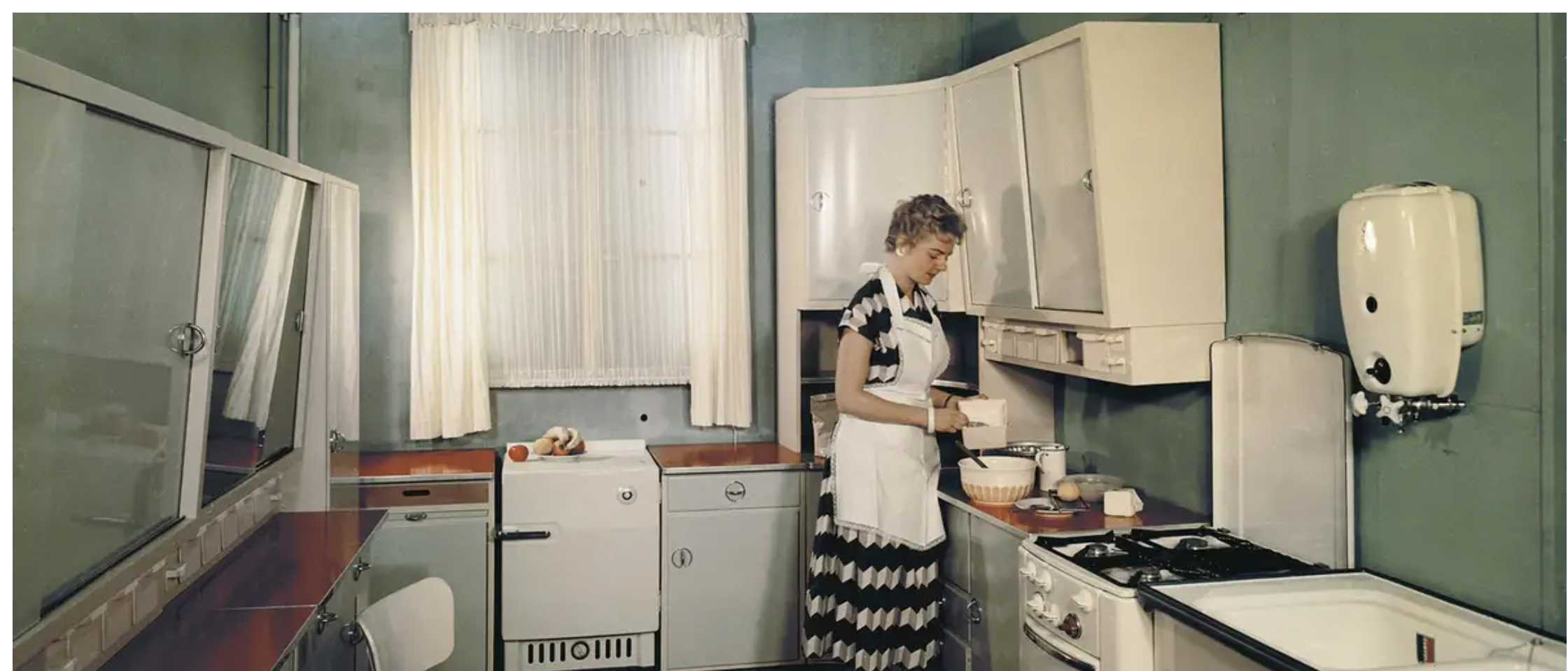
Speaking of happy home design, let's not forget the original communist model, the Frankfurt KItchen, designed by a communist and built for the 1925-1930 New Frankfurt Project

It’s architect trundled off to the Soviet Union along with the other originators of the scheme, but her influence remains; in fact, look for the resurgence of the entire package: communal housing, kitchens and right-thinking alike, come next Tuesday.

The Guardian October 7, 2021

Meg Conley:

Invisible fridges and cooling cubbies: how kitchens have been designed for the rich

The latest status symbol in kitchens is invisible appliances – but hiding behind that fridge disguised as a cabinet is a long history of people trying to engineer society

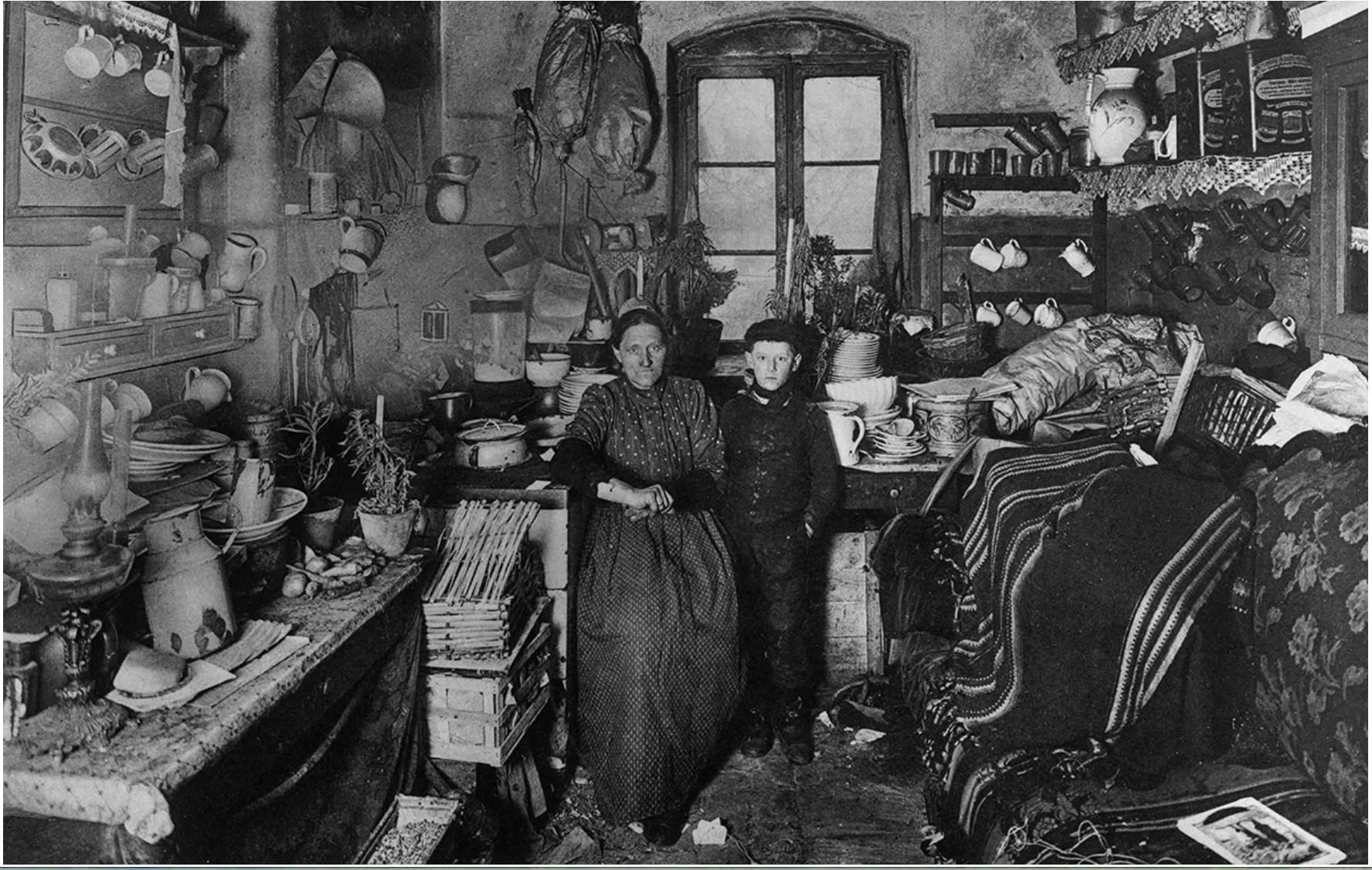
…… A practical theory of kitchen design didn’t emerge until the 20th century. Until then, kitchens were just random bits of furniture and a stove shoved in attics, basements and poorly ventilated back rooms. Architects didn’t care about kitchens because their high-end clients’ kitchens were filled with servants.

After the first world war, the architects behind New Frankfurt, in Germany, were tasked with finding a way to build affordable housing that fostered community and equality by design. This time, the architects decided to include kitchens in their world building. Grete Schüette-Lihotzky, the first female architect in Austria, was in charge of the kitchens. In a 1997 interview before her 100th birthday, she said: “Before I conceived the Frankfurt kitchen in 1926, I never cooked myself. At home in Vienna my mother cooked, in Frankfurt I went to the Wirtshaus. I designed the kitchen as an architect, not as a housewife.”

She was not a housewife, but that did not keep her from respecting the women who were. Lihotzky believed the work of the home was real work. She thought it should be treated with professional dignity.

Using the research of the home economist Christine Frederick, Lihotzky created an orderly layout of storage, appliance and work surface. Frederick was an odd silent collaborator. Lihotzky was a passionate communist dedicated to an egalitarian future, while Frederick is widely credited with disseminating the 20th-century version of the separate spheres of men and women. She was also influential in arguing that all mass-produced home goods should be made to fall apart so that industries could keep making mass-produced home goods. (This is called planned obsolescence, and tech companies still do it today.)

Still, Lihotzky took Frederick’s measurements seriously. Cabinets, shelves, appliances, work surfaces were each fixed in place, fitting precisely.

Inspired by the efficiency of research labs, Lihotzky standardized kitchen workflow and under cabinet storage. Your kitchen looks a little like a lab, standing work surfaces and cabinets lining the wall, because in 1926 a woman decided to give it the dignity and efficiency of one.

Lihotzky’s kitchen is boldly utilitarian. It’s gunmetal green because research suggested flies disliked the color [Whose “research?” Lysenko’s — ED]. Form follows doggedly after function on every surface and in every cubby. She created the first fitted, or built-in, kitchen, complete with standardized cabinets and standardized liberation. Ten thousand of Lihotzky’s Frankfurt kitchens were built in New Frankfurt.

In 1930, buoyed by the success of her kitchen, Lihotzky accepted a commission to help design cities for the first of Stalin’s five-year plan. The first plan was supposed to turn the Soviet Union into a great industrial power while creating a collective Soviet culture. She was asked to help design a world that could foster Soviet ideals. Lihotzky helped design Magnitogorsk, an industrial city built around steel production. Magnitogorsk served as a shining example of the supremacy of the Soviet Union.

Shockingly, the Guardian author actually inserted this tiny caveat into her artcle before resuming her Marxist cant:

While Lihotzky designed a new world, others were subjugated for it. People were imprisoned so they could provide the hard labor required by Soviet ideals. Agricultural land owned by the peasant class was collectivized through brutal, bloody force. People kept dying but Lihotzky remained.

Then back to her regularly scheduled program:

She finally fled the Soviet Union in 1938 during Stalin’s final Great Purge. Even the architects who helped build Stalin’s world were not safe any more. In 1940, she returned to Vienna to join the resistance against the Nazis. She was caught by the Gestapo and jailed for four years. Her liberation was designed by US troops in 1945. Despite the success of the Frankfurt kitchen, Lihotzky was not invited to help rebuild her country after the war. People were too wary of communist design. She spent the rest of her career working as a consultant for communist governments, rationalizing liberation through standardized measures.

The Frankfurt kitchen sought to help women put drudgery in its place. Twentieth-century American appliance advertisements promised to free women of the drudgery altogether. Washing machines, dryers, dishwashers, toasters, refrigerators, garbage disposals and adjustable temperature irons all made their first domestic appearances in the first half of the century.

Once appliances could be mass produced, they needed to be sold. Thanks to planned obsolescence, once they were sold, they’d always be bought again.

In the 1920s and 30s, appliance advertisements called appliances “invisible servants”. By the 1950s, the domestic help angle was dropped in favor of domestic pride. Kitchen design was overtly political once again, and the purpose of the home was remade.

Historically, homes have been a unit of consumption and production. Some homes consumed grain while producing children and textiles, for example. In cold war America’s propaganda and policy, the home became exclusively a unit of consumption. The kitchen was the consuming center of that home. It was a white woman’s patriotic duty to have a house full of capitalist produced, time-saving appliances. She was supposed to use her saved time to devote herself to the American model of womanhood – a careful, carefree housewife with pristine children and a pristine home. Her home wasn’t a work space, it was a lifestyle.

Marietta Shaginian, a Soviet journalist in the 1950s, called the American kitchen “‘ideologically inappropriate’ because it was designed not to help the working woman achieve self-realization but to compensate the middle-class ‘professional housewife’ for her lack of a place in the public arena”. American housewives were not expected, or welcome, in the public arena. And they certainly weren’t about to be paid for their work in the private arena. You could hardly pay a woman for her work in the home if you were determined to prove consumerism ended her work.

Some racist white feminist architects envisioned a life truly free of domestic work spaces. They sought to free white women, and their homes, of kitchens altogether. The oppression of Black women and women of color was often an integral part of their designs. In the early 1900s, Alice Constance Austin was commissioned to design a socialist commune of kitchenless houses. Food would be cooked in a central kitchen and sent to communal patios by a series of underground rails. Laundry would be taken care of this way too. The central kitchen would be staffed with paid labor.

Applications to become a member of the commune were open exclusively to white socialists. The commune’s founder didn’t think it was “expedient to mix the races in these communities”. There’s no way to know what their employment terms would have been, however. Austin’s vision of a home without a hearth was never built – the commune fell apart over a lack of water and leadership.

Sometimes the kitchenless house got literary support. In Women and Economics, Charlotte Perkins Gilman, author of the feminist classic The Yellow Wallpaper, opines: “Take the kitchens out of the houses, and you leave rooms which are open to any form of arrangement and extension; and the occupancy of them does not mean ‘housekeeping’. In such living, personal character and taste would flower as never before … The individual will learn to feel himself an integral part of the social structure, in close, direct, permanent connection with the needs and uses of society.”

An early precursor to today’s “No Human is Illegal, Who’s Going to Empty Our Bedpans and Rake Our Leaves?” open border crowd:

Certainly a house without a kitchen still holds people who need to eat. If the men and women of the house aren’t doing housework, who is? Who is dusting those rooms where taste flowers and the form of society itself is touched? For Gilman this was “a need for labor unmet”. In 1908, she published a paper in the American Journal of Sociology explaining how to meet that need, titled, “A Suggestion on the Negro Problem”. Gilman wrote that the mere fact of Black people in America caused “social injury”. Her “suggestion” for that “problem”? A forced labor corp, complete with uniforms and bases.

She argued that Black people “should be taken hold of by the state” and “enlisted” into forced labor. “Men, women, and children, all should belong” to her “proposed organization”. The “enlisted” would be made to labor on farms, in mills and in building roads and harbors. Gilman suggested the state build “a training school for domestic service” at each enlistment base. Once trained, “individuals could be sent … on probation … to remain out in satisfactory home service. In case of unsatisfactory service they should be re-enlisted.” In Gilman’s ideal world, Black people were “free” to clean Gilman’s house or face enslavement – a chilling and dystopic vision.

And the author’s conclusion? Exactly what the next generation of paste-eaters is being fed in our schools todaay:

None of their blueprints made room for the meaning of the work in the kitchen

White communists, white socialists, white feminists, white capitalists and white supremacists were all hoping to engineer whole societies by designing the kitchen. Each saw kitchens as permanently fitted with women – they just disagreed over what that meant. All kept the footprint of patriarchal understanding and most anchored deep into racist foundations. None of their blueprints made room for the meaning of the work in the kitchen. Forget the meaning, they could hardly be bothered with the function.

It’s time to design the kitchen for the world we’ve engineered. Women have traditionally cooked in the kitchen. But they’ve wept and screamed there too. What work surface will bear our scratches best? Is there a line of cabinets deep enough to hold our grief?

Maybe the rich have got it right with their hidden fridges. Why pretend the substance matches the surface? It never has. We could start covering everything with cabinet panels. Sinks, stoves, counters, windows. The new status symbol is an invisible kitchen. Everything is cabinet now.

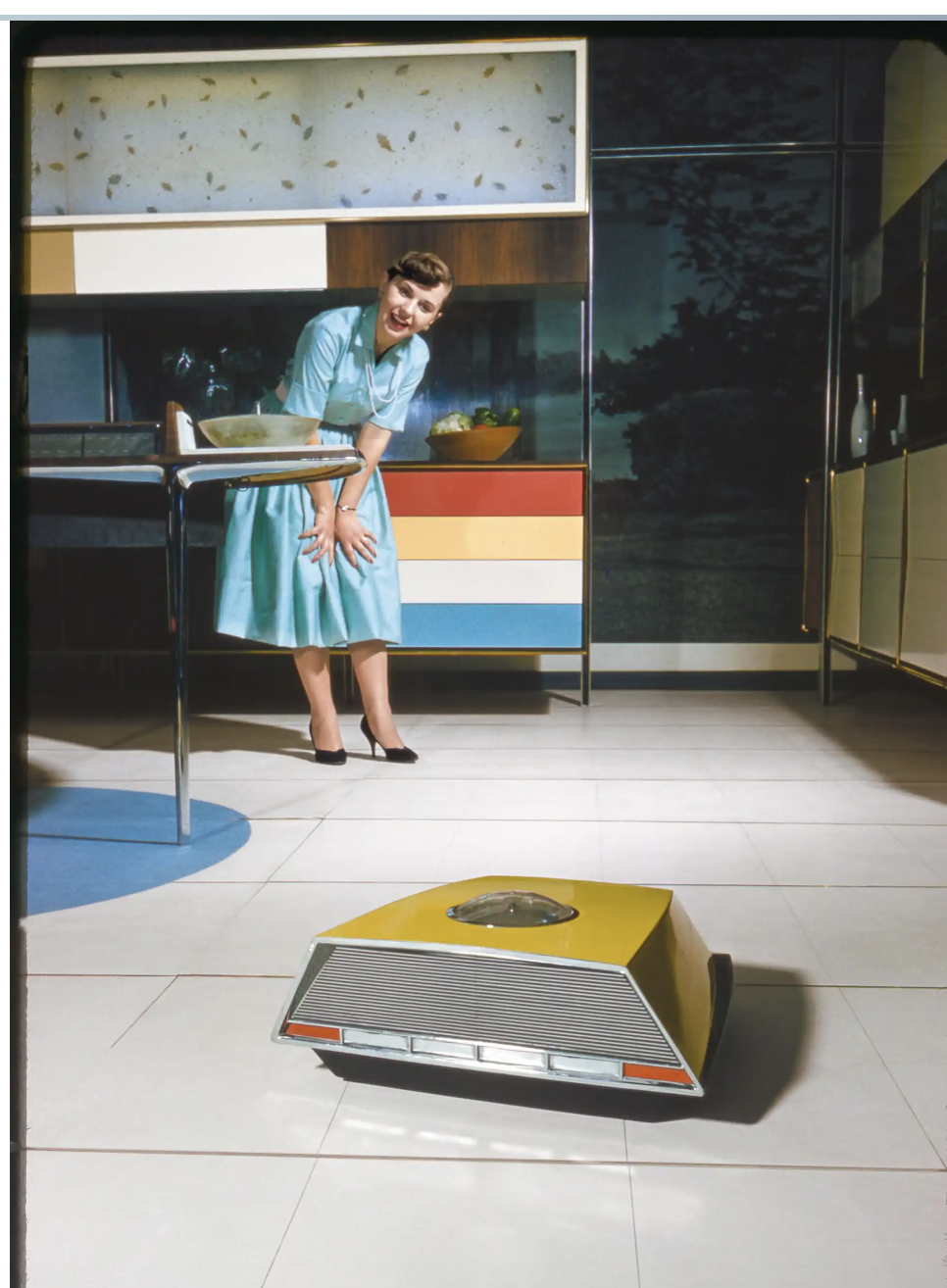
Your kitchen of the future, Soviet style:

Formica vs Corian vs granite vs quartzite vs quartz

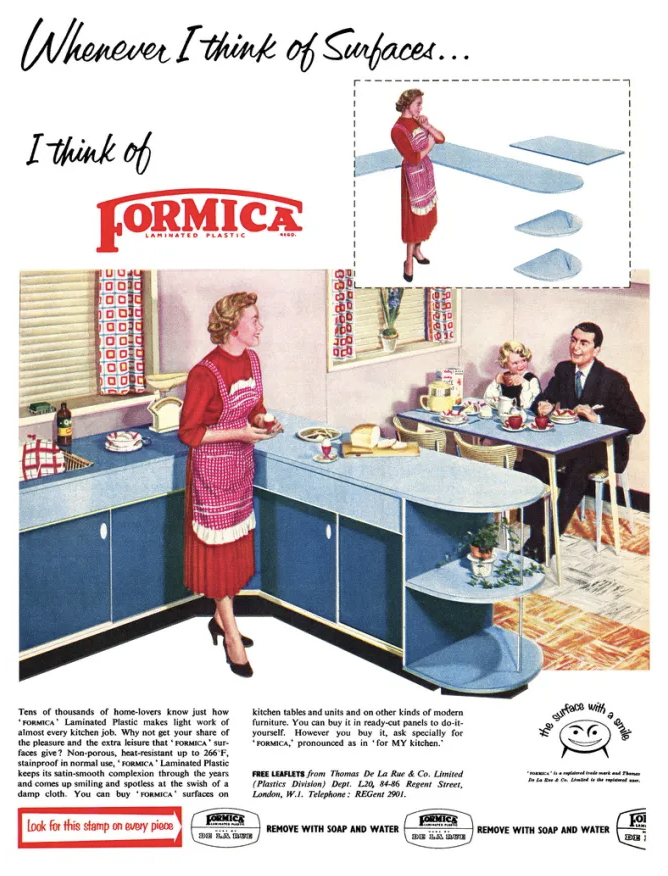
“This housewife is a ‘FORMICA’ kitchen enthusiast – but aren’t we all? Won’t you feel life is good when you own a kitchen where all the surfaces are jewel-bright-clean-at-a-wipe ‘FORMICA’ Laminated Plastic?”

Nothing in real estate goes out of fashion faster than kitchens and bathrooms. Don’t believe me? Do you remember the ubiquitous gold-fixtures/jet pool bathrooms of the 90s? I rest my case.

But let’s not talk about bathrooms today, let’s discuss what’s happened to kitchen countertops, because, why not?

Countertops came to my attention the other day when I ran across an article that blamed granite’s falling-out-of-favor with consumers on, in part, an hysterical fear of silicosis; a lung disease that can be caused by prolonged inhalation of massive amounts of granite dust — common enough in the manufacturing process, and an absolutely non-existent risk from the installed countertops themselves. Doesn’t matter, the absurd overestimation of risk is persistent, as can be seen in the continued use of lead aprons for dental x-rays; they’re are no longer necessary – haven’t been for decades – and in fact can hamper the efficiency of the examination. Dentists and hygienists I’ve spoken with tell me that, while they know that, their patients still demand them, so they remain in use.

So granite’s going (helped along with the television home style shows, which need a continuous supply of fodder to broadcast). What’s next? Today, it’s Quartzite and Engineered Quartz; tomorrow, look for Formica to make comeback, and can Corian II be far behind?

Here’s some AI generated stuff explaining the differences:

Market Trends & Popularity

  • National Kitchen & Bath Association (NKBA) data shows that engineered quartz and quartzite have shifted market momentum, with a recent industry forecast ranking quartz and quartzite ahead of granite in designer consideration (with quartzite leading specific designer source lists at around 78%). [1, 2]

  • Granite has slipped to third place in many contemporary trend reports, though it still commands respect for its high heat resistance and unique, organic earth-tones. [1, 2]

Key Material Differences

  • Engineered Quartz: An artificial composite made of crushed quartz stone bound with resins. It is non-porous (requires no sealing), highly uniform in pattern, and easy to clean, though less heat-resistant than natural stone. [1, 2, 3]

  • Natural Quartzite: A 100% natural metamorphic rock transformed from sandstone. It offers the coveted, soft veining look of marble combined with a hardness level superior to granite, though it is porous and needs periodic sealing. [1, 2, 3]

  • Granite: A natural igneous rock known for bold, speckled, or exotic patterns and superior resistance to heat, though it requires regular sealing to prevent staining.

But wait, there’s more!

Quartz vs. Quartzite: Here's the One Experts Say Is Best for Your Home

And:

Are Granite Countertops Outdated in 2026? A Practical Answer

1. Why Granite (and Stone) Left Corian Behind

While HGTV and home improvement shows undeniably amplified the "granite craze" to the masses, the preference in ultra-luxury markets like Greenwich came down to fundamental material differences:

  • The Luxury Value of Rarity: Corian is an engineered, man-made acrylic polymer. No matter how premium the blend, it is a factory product that can be infinitely replicated. Granite, marble, and quartzite are geological art pieces formed over millions of years. Wealthy homebuyers value the exclusivity of owning a completely unique, non-replicable slice of the earth. [1, 2, 3, 4, 5]

  • The "Plastic" vs. "Cold Stone" Feel: In high-end kitchens, weight and tactile feedback matter. Corian is chemically a plastic, which means it feels warm to the touch and sounds hollow when a glass is set down. Granite is heavy, dense, and permanently cool—sensory traits that buyers instinctively associate with wealth and structural permanence. [1]

  • The Achilles' Heel of Corian (Heat): In a high-end chef's kitchen, Corian has a major functional drawback: it melts and scorches at roughly 212°F. Accidentally setting a hot cast-iron skillet directly on a Corian counter will permanently scar or discolor it. Granite is entirely impervious to direct heat from a stove or oven. [1, 2]

While Corian holds the advantage of being completely non-porous and seamlessly repairable, high-end buyers overwhelmingly chose the prestige [emphasis added] and heat resistance of stone.

2. The Safety Panic: What is Replacing Silica-Heavy Stone?

Your intuition regarding the "panicky homeowner" and fabricator safety is spot on. The industry is currently facing a massive reckoning over silicosis—a fatal lung disease caused by breathing in fine crystalline silica dust generated when cutting engineered stone and certain natural rocks. Australia completely banned engineered stone (quartz) because of this, and California has enacted strict emergency regulations to protect workers.

While the dust poses a severe danger only to the workers cutting the slabs during manufacturing and installation (it is perfectly safe and inert once installed in the home), the bad press and shifting tastes are driving luxury homeowners away from standard engineered quartz and speckled granite.

The modern replacements in top-tier homes include:

  • Natural Quartzite: Not to be confused with engineered quartz, quartzite is the current undisputed king of luxury real estate. It is a natural metamorphic rock that offers the spectacular, dramatic veining of high-end marble but is actually harder and more scratch-resistant than granite. Homes with quartzite countertops are commanding a premium at resale. [1, 2, 3, 4]

  • Porcelain Slabs: This is the massive technical leap forward. Large-format porcelain slabs are engineered from clay, but they are fired at such high temperatures that they become entirely non-porous, highly heat-resistant, and scratch-proof. High-end porcelain can beautifully mimic rare marbles, and because it contains significantly less crystalline silica than quartz, it is being embraced as a safer option for fabrication. [1, 2]

  • Sintered Stone: Brands like Lapitec and Dekton have developed "silica-free" or ultra-low silica mineral slabs made entirely of natural minerals bonded under extreme heat and pressure. They are practically indestructible—impervious to UV light, scratching, and direct flame.

All of which is far more than you ever needed or wanted to know, but here it is.

If a WNBA team runs into the forest and no one's there to see them, have they really run at all?

WNBA's bizarre national anthem controversy shows just how much the league needs Caitlin Clark

Matt Calkins:

Caitlin Clark isn't quite the women's basketball equivalent of Tiger Woods, but there's a reason she's been compared to the 15-time major champion.

She brought millions of new eyeballs to a league that had long struggled for mainstream attention. She's also a marketing juggernaut, with endorsement deals from the likes of Nike, Gatorade and State Farm. But like Tiger in his prime, perhaps the greatest measure of Clark's star power is that when she's absent — the audience is, too.

Nothing illustrates that phenomenon better than the WNBA's national anthem controversy.

All year long, players and coaches from the Atlanta Dream and Golden State Valkyries have been running off the court before the Star-Spangled Banner is played. Then, just after "the home of the brave" is sung, they return to the floor. Neither team has publicly explained why it follows this routine, nor have they said what the players and coaches do during those 90-some-odd seconds. But the wildest part of all this is that, until these WNBA Finals — nobody seemed to notice.

If an NFL or NBA team had engaged in a similar practice during the regular season, it would be one of the biggest sports stories — or even news stories — in the country. Pundits would be regularly weighing in on the matter, activists would be mobilizing, and a nationwide debate on the issue would ensue.

…. But a Caitlin-free WNBA game simply doesn't matter to the majority of American sports fans. The scheduled start time for Game 6 speaks to that.

Monday, it was announced that what could be the final WNBA game of the season will be played at 12:30 p.m. Eastern time on a Thursday. The reasoning is that the Dream wanted a venue change — moving the game from Gateway Center Arena (capacity 3,500) to State Farm Arena (17,000). The problem is that the Hawks are scheduled to play that same day, meaning Game 6 will occur when most Americans are working or in school. Again, it's hard to believe that happens if Clark and the Fever were involved.

This national anthem mystery is one of the more bizarre sports stories I've ever seen. That players and coaches have repeatedly left the court without offering an explanation is strange enough. That it's taken this long for anyone to notice might be even stranger.

But this is what happens when the league's true needle-mover isn't on the court. Caitlin Clark has made the WNBA impossible to ignore. Without her, apparently, it's still remarkably easy.

Perhaps when the Atlanta Dream’s top draft starts playing later this year, attendendance will soar to, say, 22? 23?

These are the people the Bushes and our G&T Republicans want to return to power

And it won’t stop at Musk — see last entry, below — and that’s just fine with these nominal Republicans: every trace of Trump and the peasant rebellion must be erased

Politico. One Week Ago

Capitol agenda: Dem gavels are coming for Elon Musk

Democrats have long eyed investigating the world’s richest man and the GOP’s top donor. They may get their chance if they win back congressional power in November.

Calen Razor

10/20/2026, 4:55am ET

Elon Musk is facing a gauntlet of Democratic oversight.

Democrats have long eyed investigating the world’s richest man and the GOP’s top donor. They may get their chance if they win back congressional power in November, and senior members are mulling how a range of panels could target Musk and a huge swath of his businesses.

Their list of potential probes is growing.

Some members are eager to dig into Musk’s possible role last week in throttling crucial internet access to the Ukrainian military as President Donald Trump seeks to pressure the country into cutting a peace deal with Russia.

“What happens when one guy gets a giant contract from the government and then uses it to do something that shuts down communication in a war that has been extremely important to the United States to support Ukraine?” Rep. Pramila Jayapal said in an interview.

The incident is one of a glut of alleged conflicts of interests members cited as ripe for oversight, as Musk’s companies like SpaceX and Tesla rake in multibillion dollar federal contracts and subsidies.

“The sheer number of conflicts of interest are astounding,” top Space, Science and Technology Democrat Rep. Zoe Lofgren said.

Spokespeople for Musk did not respond to multiple requests for comment.

Members of House Oversight and other panels also want to examine Musk’s role in eliminating over 250,000 federal jobs during his time at DOGE, withholding congressionally appropriated money and accessing sensitive government data.

“Congress must demand a full accounting of the damage Mr. Musk and DOGE caused, and we will not let anyone obstruct our oversight,” House Foreign Affairs ranking member Rep. Greg Meeks said in a statement Monday, referring to the so-called Department of Government Efficiency Musk headed last year.

Meeks named Musk’s part in “the cruel dismantling of USAID” as a prime target for his panel next year.

Some Democrats are not waiting for gavels: House Homeland Security Democrats demanded last month Musk testify under oath about a watchdog report claiming DOGE overstated its savings. And Ways and Means Democrats called for an investigation into the group’s alleged data theft from Social Security records.

But even members on panels with less obvious ties to the tech mogul are eyeing targets. Rep. Maxine Dexter, who sits on Natural Resources and Veterans Affairs, said she sees Musk among “the well-connected billionaire, trillionaires who have seen government contracts as a way to subsidize their own company’s research, development, and bottom line.”

“We need to shut that down,” she said.

A la lanterne!

continued. …. “If these corporations think that the Democrats, when they come back in power, are going to play by the old rules…they’ve got another thing coming." “There will be an accountability agenda." “This is not going to be an instance of forgive and forget."

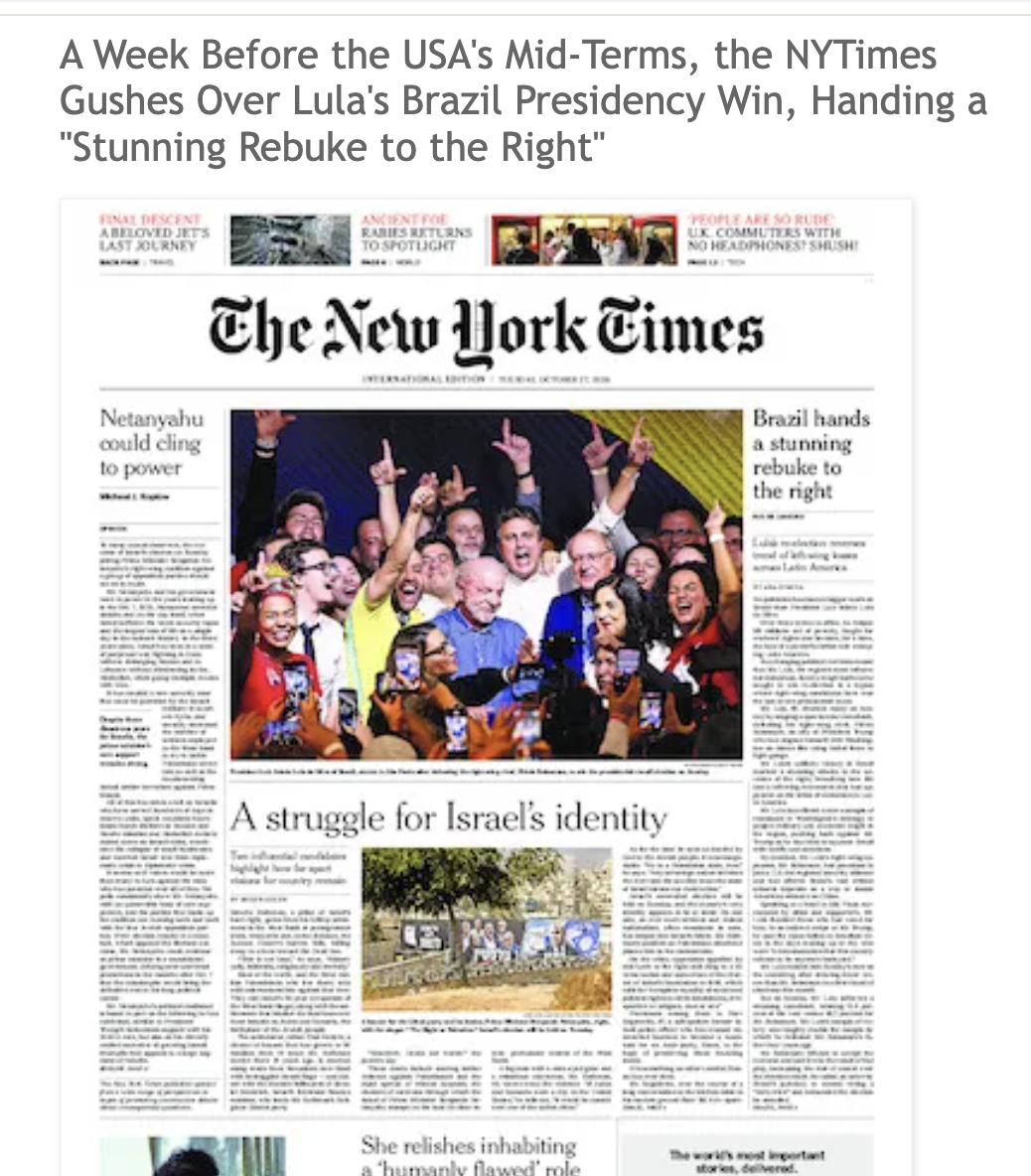
Communism dodges a bullet, for now, and so has Bolsonaro

Well, with the Cuban communist government on the way out*, and the US at least an election away from its own version, someone has to keep Marxism alive in the western hemisphere, and so the Left will just keep Brazil going for the interim.

HotAir’s Beege Welborn has today’s developments on the Brazilian “election”; the background material below hers is from a draft I was preparing yesterdy and hate to see my efforts go to waste.

Brazil Bug Out: Bolsonaro Bolts for the Border

Things are moving rapidly in the aftermath of the contested Brazilian election, and one of them appears to be the candidate who wound up on the short end of the Lula-engineered polling malarkey - Flávio Bolsonaro.

Bolsonaro had been leading in most of the polls after pulling off a surprise win in the first round of the presidential voting, only missing the majority to take the whole thing by the merest fraction. That's what threw the race into a run-off with the incumbent Brazilian president, Lula Da Silva.

The other candidates in the first round had also been right-of-center to Lula's hard left. Everyone expected, especially after they all endorsed Bolsonaro, that most of their voters would still swing to the right.

That's initially how the very close election last Sunday seemed to be heading, until a literal last-second appeal from Lula to extend voting for two additional hours was approved. This was done not by the Superior Electoral Court, which constitutionally has control over all election functions in the country, but by Lula's former personal lawyer, now a Brazilian Supreme Court justice. He sent out the order for the polls to remain open. 

It was timed so badly, perhaps purposefully so, that many of the districts had already closed at the prescribed times, sealed their ballot boxes, and turned off the machines. Those cannot be restarted. Curiously, many Lula strongholds didn't miss a beat and kept votes rolling in. 

As the votes were counted, it was clear that a sea change in the election's direction had taken place precisely when the order came down. The closed polling stations effectively disenfranchised Bolsonaro voters.

…. In his victory speech, Lula laid the groundwork for taking control of social media platforms to roars from the crowd, and his Supreme Court toadie, the creepster who channels an 18th-century vampire, Alexandre de Moraes, gave the high court blessing to a call to confiscate Lula's opponent's passport.

When Flávio Bolsonaro walked out of his seriously ill and under house arrest father's home yesterday, regime thugs were waiting in the street outside to demand he surrender his passport.

*Related:

Cuba's Government Has Collapsed and Cubans Know Who to Blame

The Atlantic published a story today which says the Cuban government has all but collapsed. Officially it still exists, but in most of the country, and even in Havana, there are few signs of its presence.

The Cuban regime has stifled any viable domestic opposition. But the withering of the state—a process that has been under way for decades—has accelerated, and is shocking to see up close. The ration cards that used to guarantee basic foodstuffs for every Cuban had been blank for weeks when I visited in August. Police and soldiers were once ubiquitous throughout the country, but I saw hardly any...

The government still purports—on faded billboards, in party speeches—to meet all of the material and spiritual needs of its citizens, but it is now bankrupt in every sense. Almost no one believes in the system anymore, and many, especially outside Havana, behave as if the government simply does not exist.

The only thing that Cuba's government seems equipped to do at this point is take the blame. Even regular people the author encountered have had enough of communism.

Not long ago, the country bristled with informants working for the Committees for the Defense of the Revolution. But when I asked people about the CDR, some laughed, and few seemed worried about being overheard. One evening on a beach in Baracoa, a man in his 30s asked me what I thought about Communism. He was lying in a hammock talking with four other men, drinking cheap sugarcane rum from a plastic bottle; they had been complaining about the ever higher prices of rice, beans, and other basic foods. I told him I thought Communism was a lousy way to run a country.

He looked squarely at me and said, “I shit on Fidel Castro’s mother.” The other men laughed. He uttered a few more obscenities. Then, suddenly, all of the humor drained from the man’s face. His voice went taut with anger, and tears welled up in his eyes.

“Cuba is frozen in time!” he shouted. “There’s no hope. It’s a sad thing to be born a Cuban. That’s what I think, and I don’t care; they can send me to prison if they want.” The other men had gone silent.

Surprisingly, no one is blaming President Trump, not even when prompted to do so.

During nine days of travel around the island, I did not meet a single person who blamed Donald Trump or the United States for their situation...

“I don’t see any change since January,” a retired engineer named Guillermo Almeida told me. “That oil from Venezuela wasn’t reaching the people anyway.”

In Havana he visited a nursing home full of old men who'd once had roles in Cuba's government. One man, age 65, had been a big supporter of the revolution and even had a tattoo of Che Guevara on his arm. But his opinion of communism had changed.

I asked him what should be done to make things better. Cuba needed to be bombed, he told me. Specifically, Raúl Castro, Fidel’s brother and successor, should be bombed. And Raúl’s daughter Mariela. And the prime minister, Manuel Marrero Cruz.

All that's left now is for something to replace the failed government of Cuba. Last Friday, Secretary of State Rubio encouraged Cubans to partner with the CIA.

It survived two seperate foreclosures, but it's now been fixed up and is ready to go again

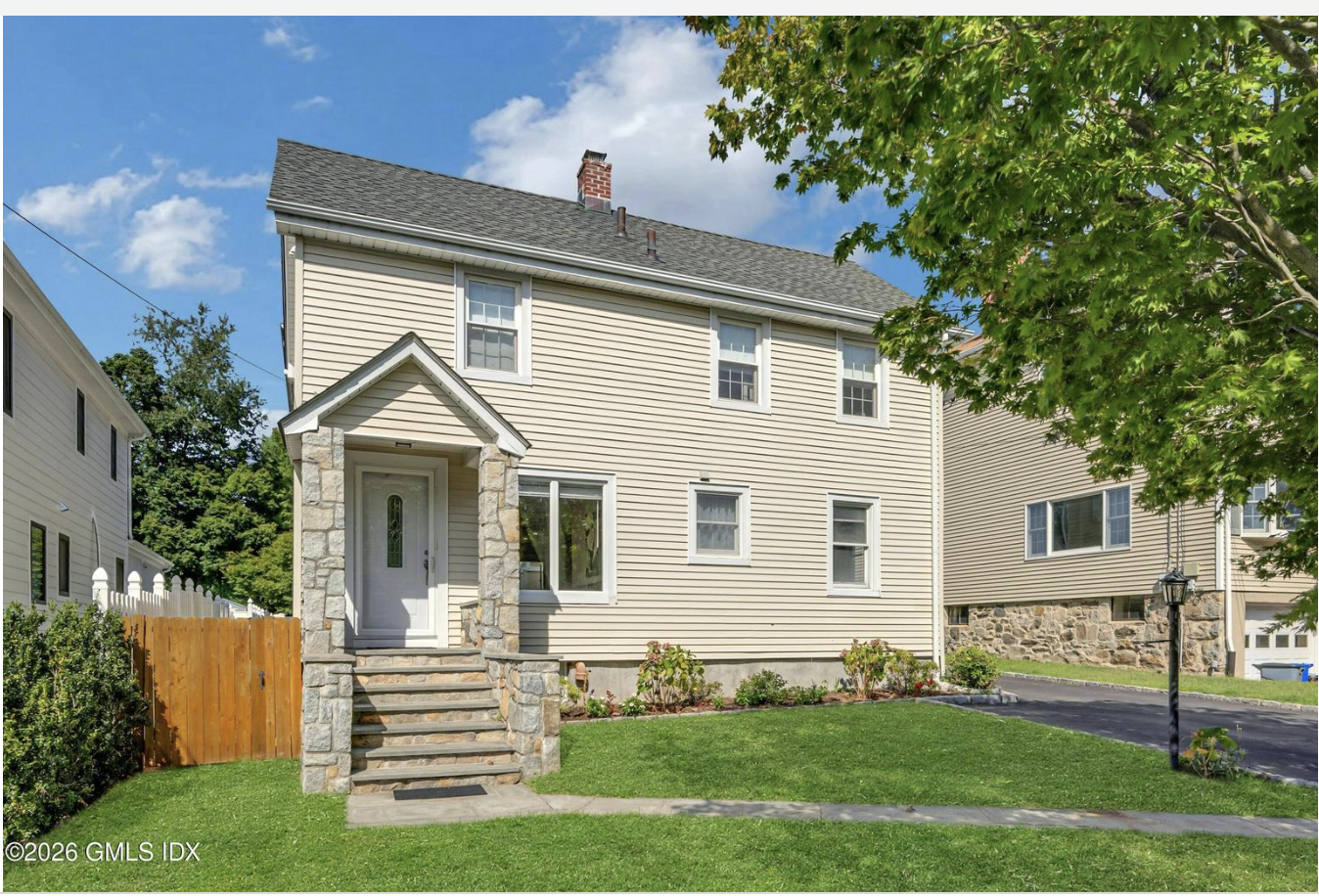
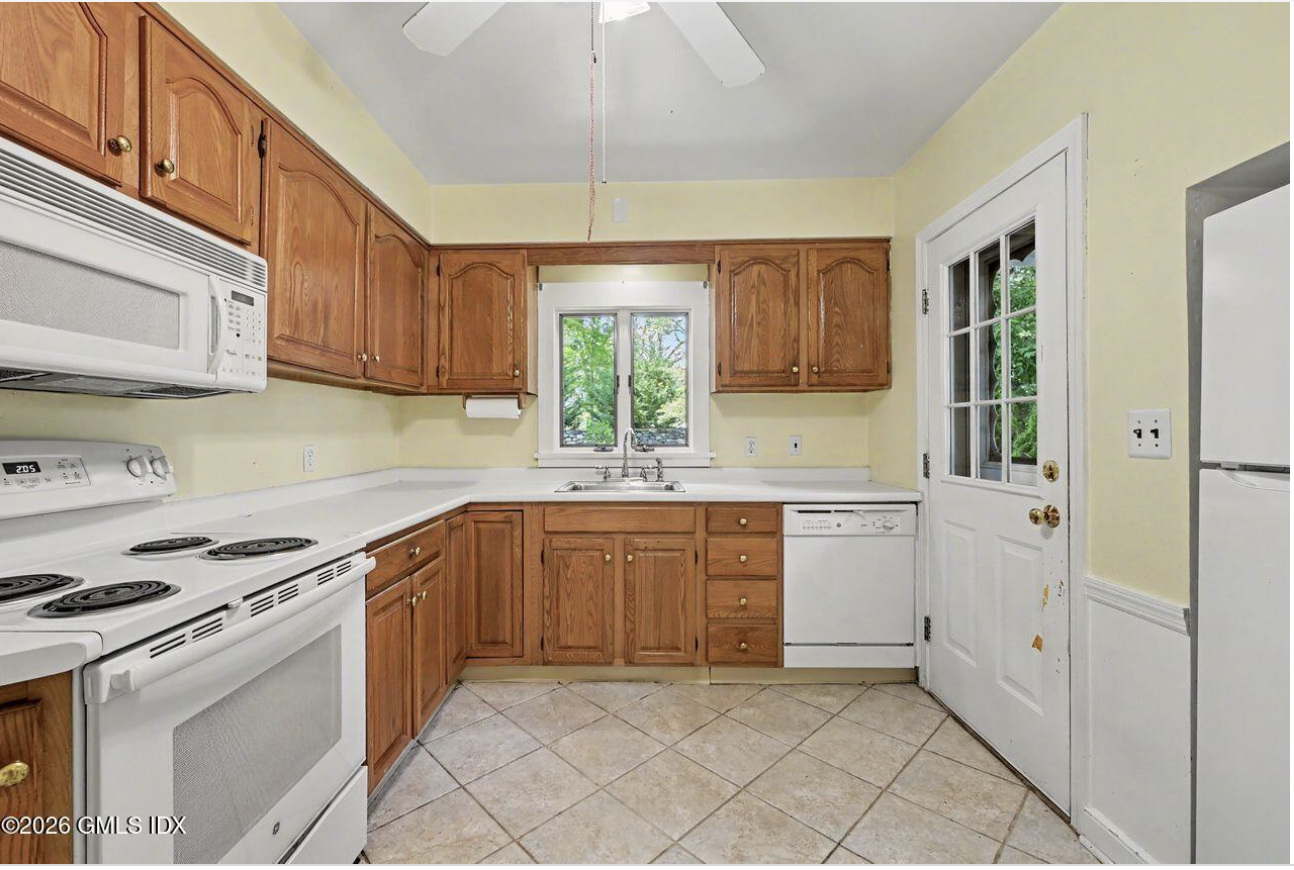
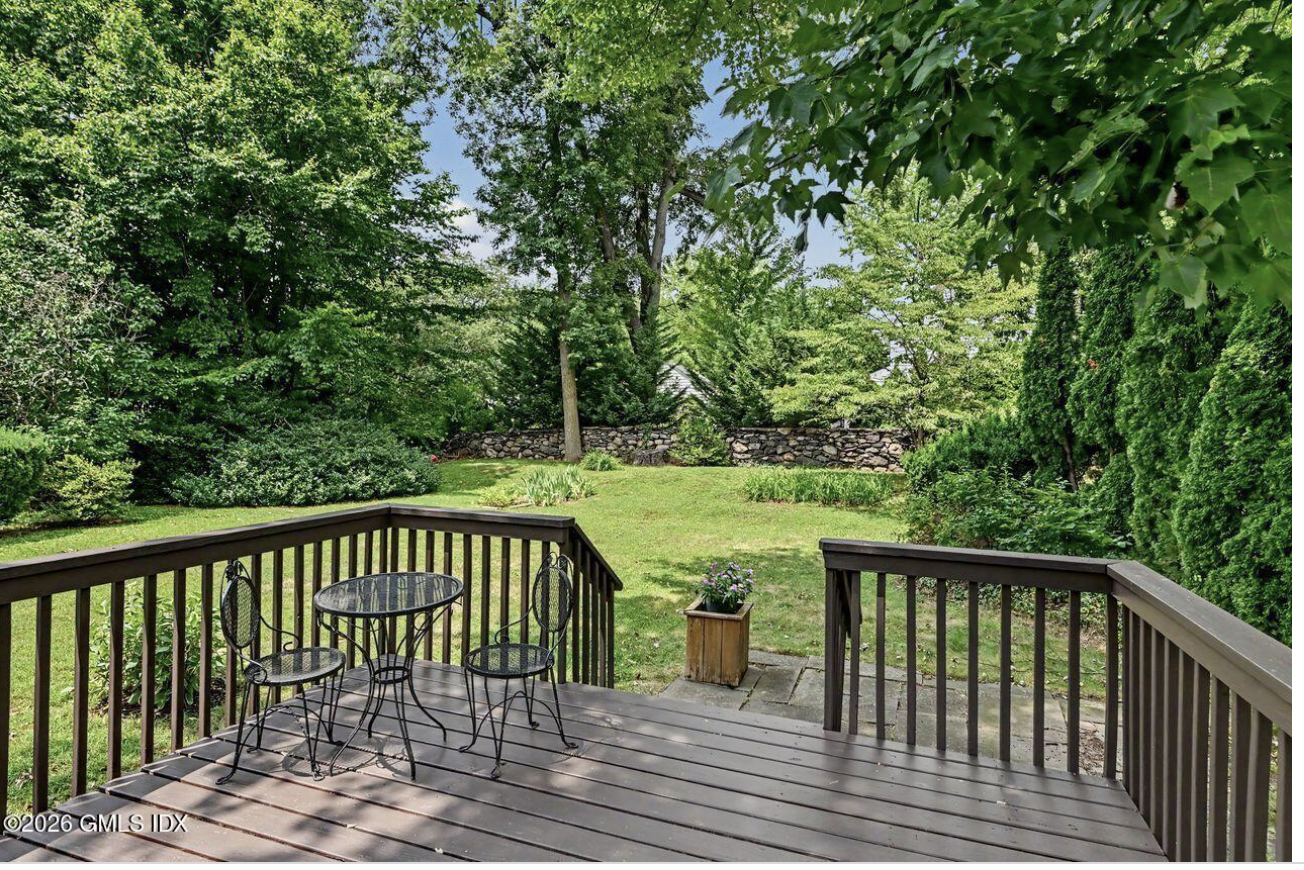
18 Dwight Lane hit the market today at $4.5 million. Previous owners have not done well here: Foreclosed on by a lender in 2016, it was sold by the bank to new owners in 2017 for $1,359,750, and they, in turn, lost it in their own foreclosure in 2019. These current owners paid that bank $1.299 million in 2020, and, as noted, have fixed it up.

It needed it: the place was wreck when I toured it during its first foreclosure, and it only deteriorated further during its second go-round. Looks better now, if you like this kind of style and layout. Very nice grounds.