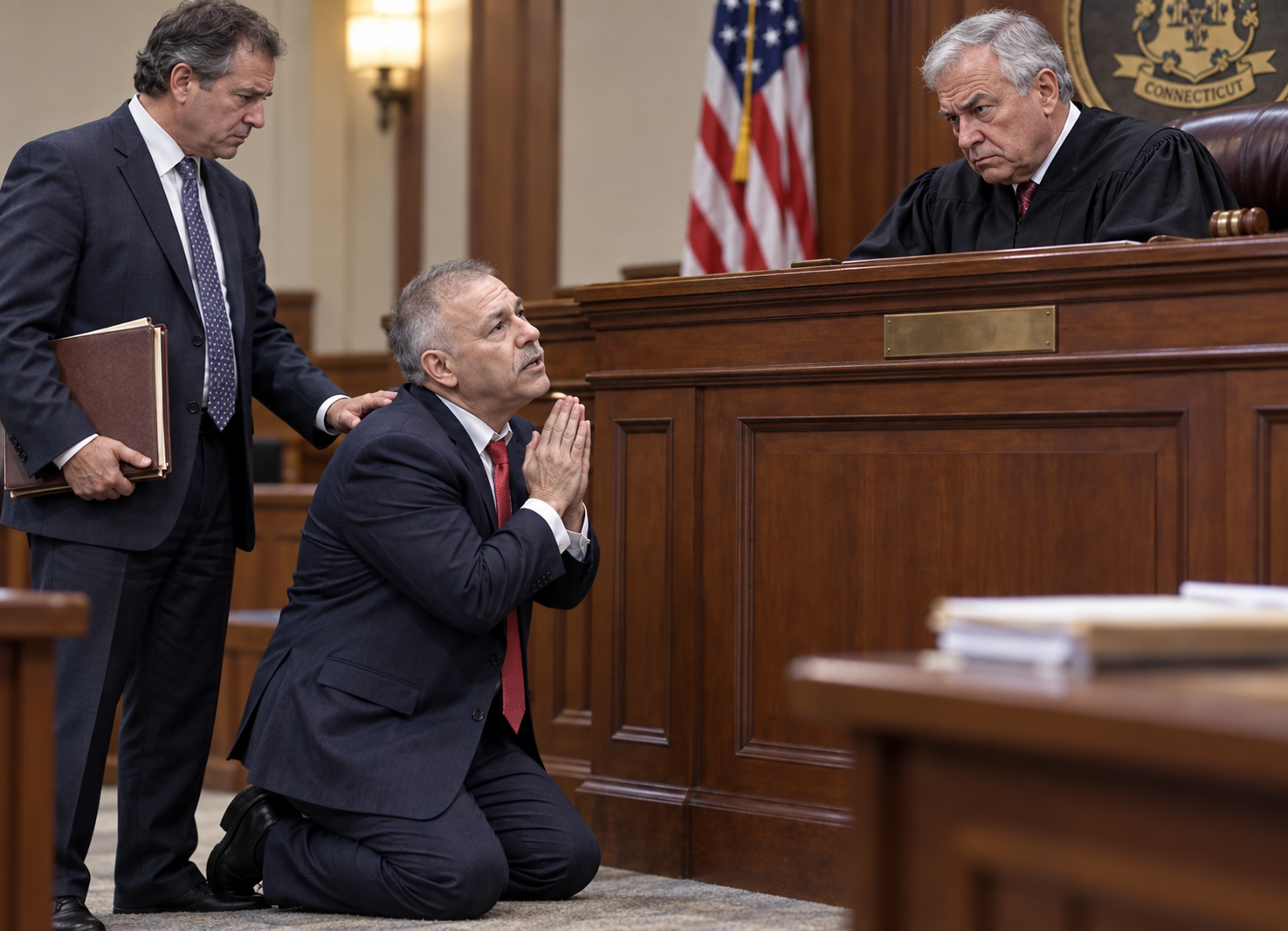
Contrary to common understanding, “a capella” is actually an ancient Bantu phrase for “let’s go raid whitey’s welfare fund” — who knew?
/
Kent State a cappella group bans white students from solo auditions
The Kent State Vocal Intensity A Cappella group restricted certain solos strictly to 'people of color' over 'cultural appropriation' concerns.
Emails show Kent State student disciplined after opposing race-based solo policy.
Emails obtained by Campus Reform display how Vocal Intensity A Cappella limited certain solos to “people of color,” claiming white students would be engaging in “cultural appropriation” if they were to perform them.
Mark Phillips, a three-year member and the a cappella group’s beatboxer, contacted a board member to inquire about how the exclusion of white students aligned with Kent State’s anti-discrimination policies. Phillips suggested the limitation seemed “at odds with equal opportunity” in his message to the executive board.
“I fully respect concerns about authenticity, but I also believe that whoever gives the strongest performance should be given the chance,” he wrote. “Art, music, and culture are meant to be shared and celebrated, not gatekept.”
In response, the board accused him of violating the university’s anti-discrimination policy, placed him on probation, and scheduled a disciplinary hearing requiring him to “plead his case” before the entire group.
The board later reaffirmed its position, confirming that the solos would remain restricted to black students unless overturned by a vote.
According to the group’s constitution, discrimination is prohibited on the basis of race, and Kent State University’s policy also bans racial discrimination and specifically retaliation against students who challenge it.
Here’s the racist interpretation of the term, which we now know is entirely false:
A cappella (Italian for "in chapel style") is music performed solely with the human voice, without instrumental accompaniment, using voices to create melody, harmony, and rhythm. Originating from sacred church music, the term now covers all styles, from choral arrangements to modern pop covers, emphasizing vocalists mimicking instruments and creating complex sounds through pure vocal technique.
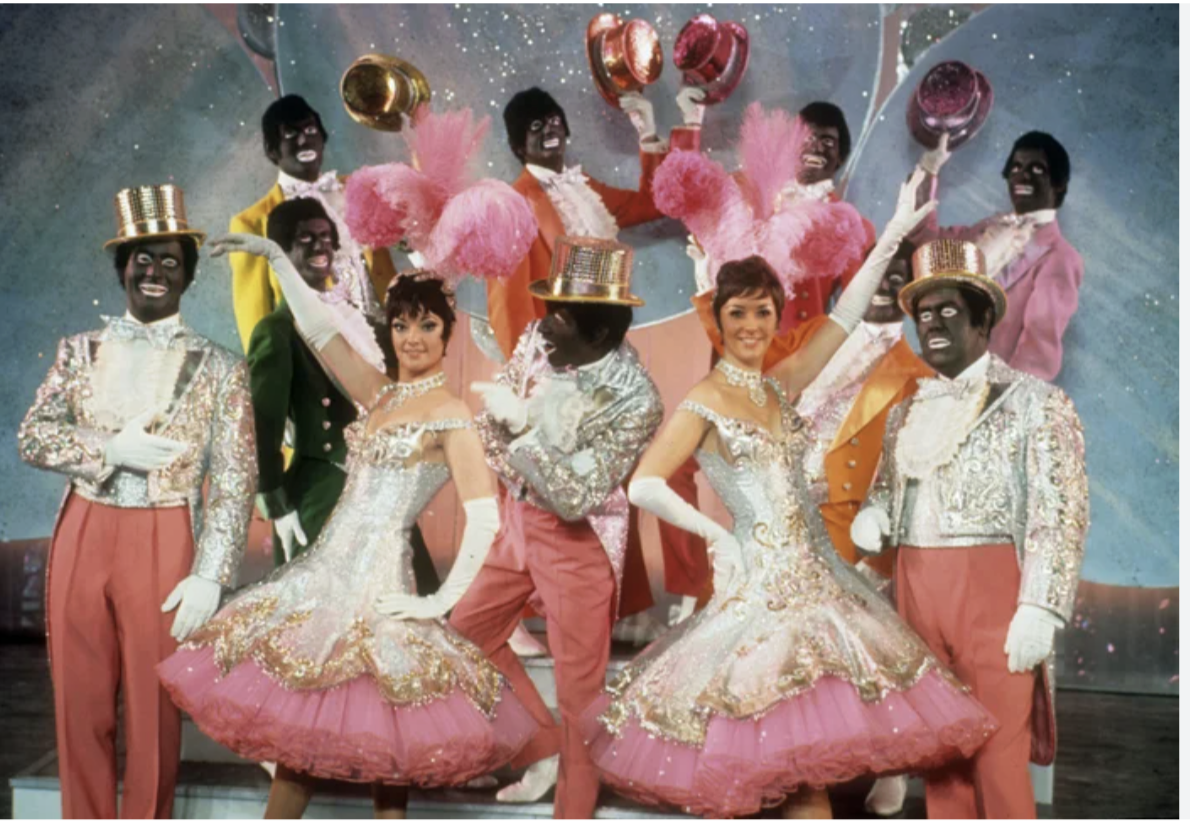
True a capella is restricted to the performance of old negro spirituals although, with permission, whites may join in, as seen here: