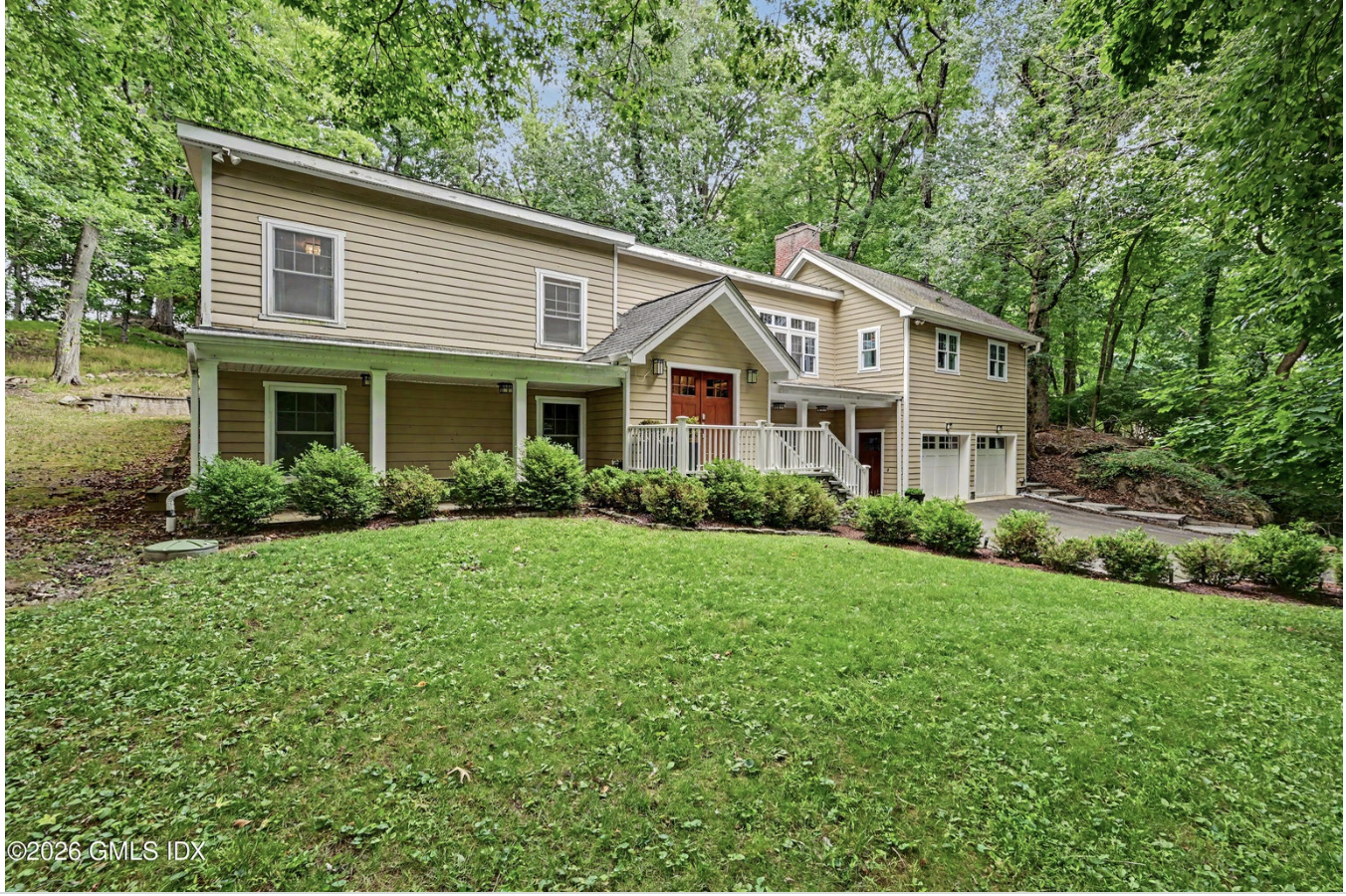
Under contract in Lucas Point
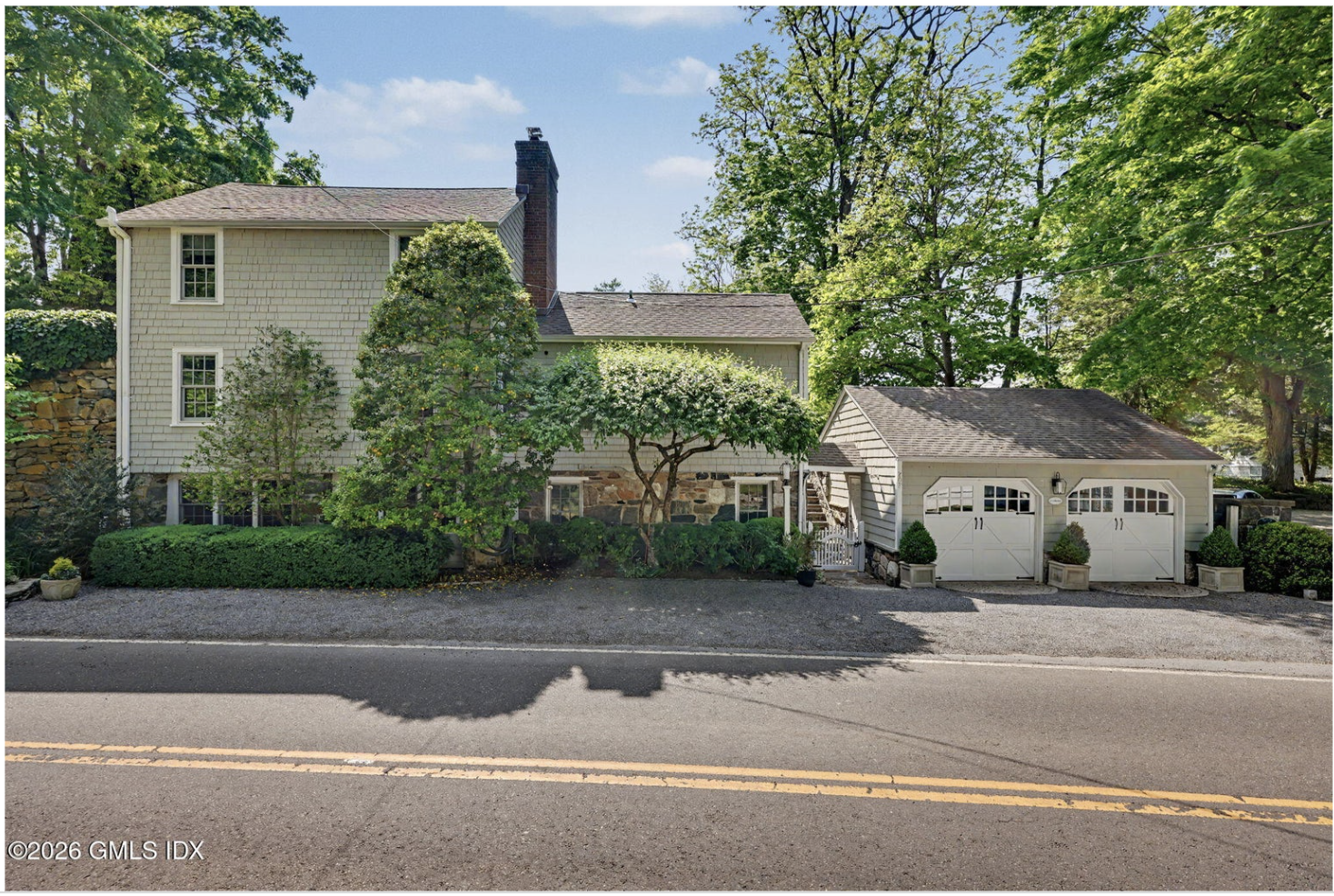
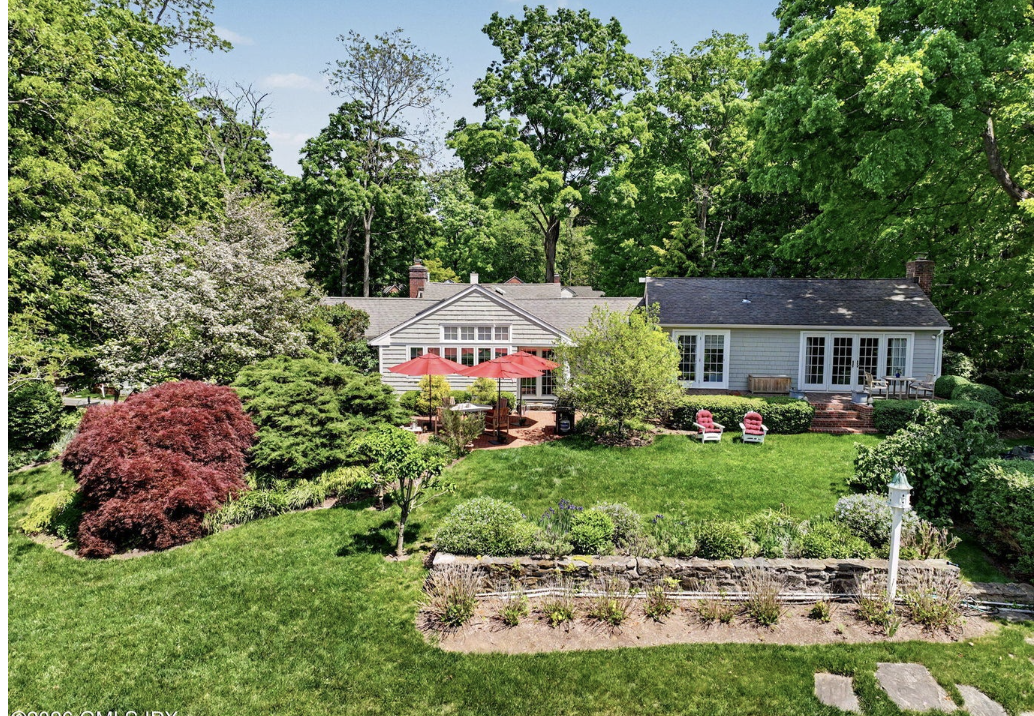
/203 Shore Road, Old Greenwich, $9.875 million, 57 days on market. Built in 2016 on land purchased for $2.7, this house is way cooler than the 1904 home it replaced.
Greenwich, Connecticut real estate, politics, and more.
Greenwich, Connecticut real estate, politics, and more

203 Shore Road, Old Greenwich, $9.875 million, 57 days on market. Built in 2016 on land purchased for $2.7, this house is way cooler than the 1904 home it replaced.
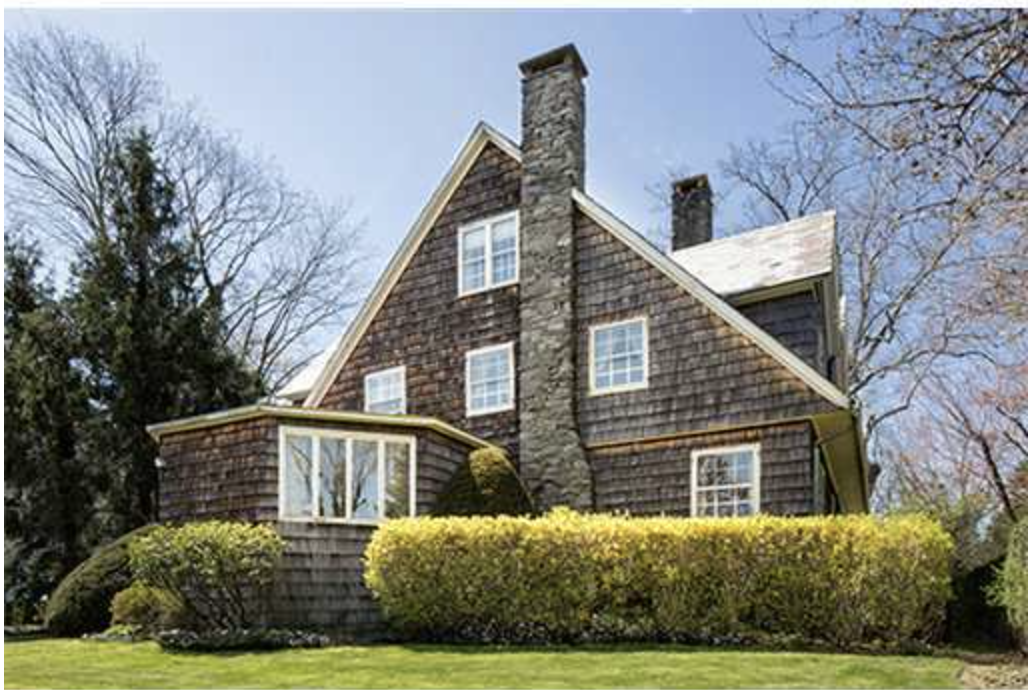
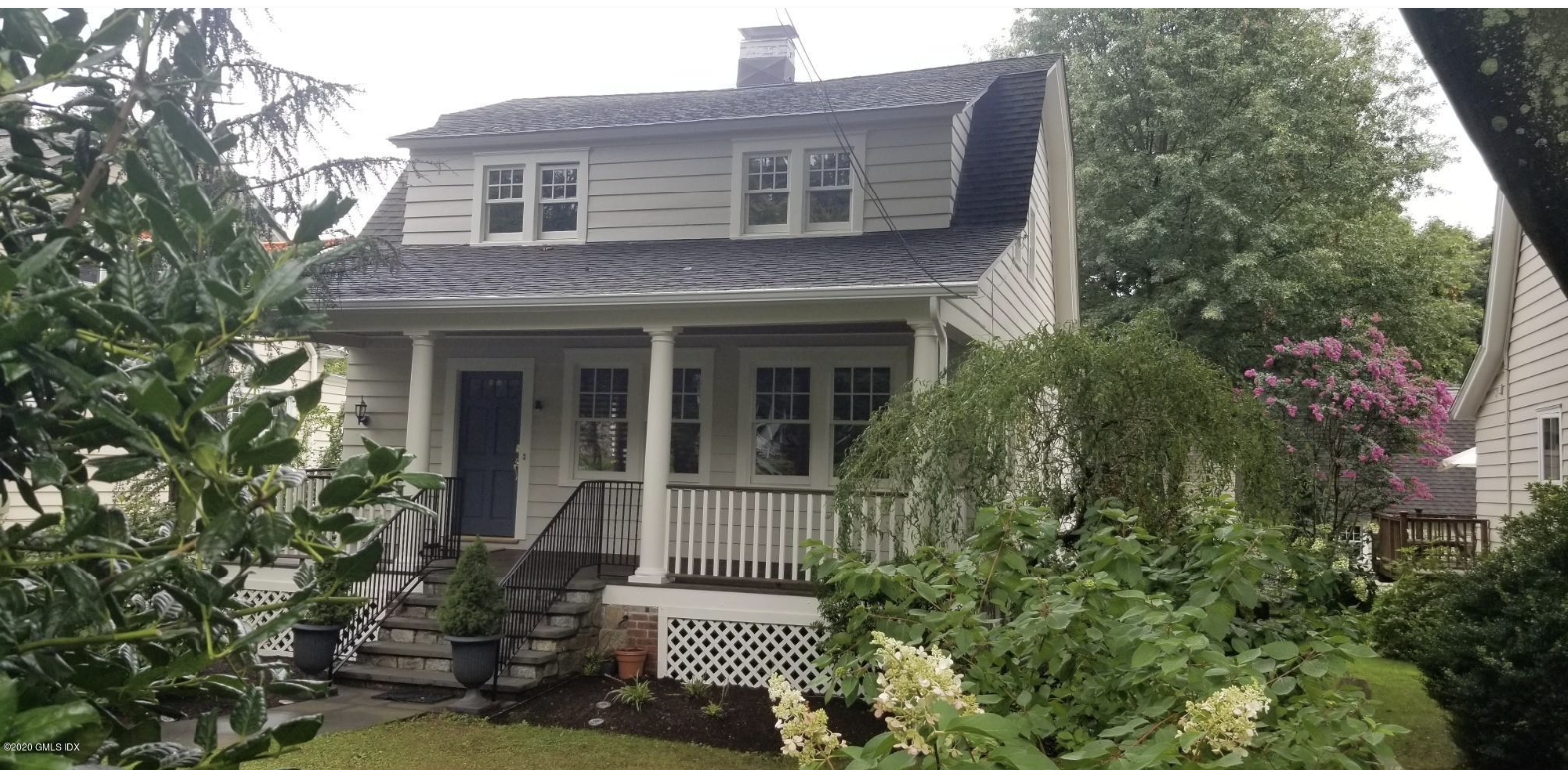
That’s how the broker describes 49 Riverside Avenue, 1928 home listed at $1.995 million and sold for $2.150. Who are we to argue?

kenny habul is coming to park avenue
This past July, we learned of “proposed” (the existing houses on the properties had already been razed and land clearing begun) of an18,000+ Sq Ft Mega-Mansion to be built on four merged lots on Park Avenue and Maple.
The proposed dwelling would be 18,631 square feet, to contain five bedrooms, two three-car garages, a basement including an indoor pool, squash court and art gallery and an area for the applicant’s car collection would provide 40 spaces. As part of the house design, a center atrium would be provided, and as part of the patio adjacent to the first floor of the house, an outdoor pool is proposed. A tennis court is also proposed, as well as a detached guest suite that would have a living room and two bedrooms.
Surprising no one, the neighbors don’t like it, and are saying so:
Tuesday’s Planning & Zoning Commission meeting included a discussion item for a single family home proposed to replace four demolished houses at 63 Maple Avenue, 75 Maple Avenue, 59 Maple Avenue and 8 Park Avenue.
…. David DeWahl from 102 Park Ave said the actual total footage, including underground space was approximately 39,000 sq ft – 18,600+ above ground and 20,000 in the finished lower level. There is also a guest house of unspecified square footage.
Based on the owners’ pre-application, Mr. DeWahl said the above ground portion of the main residence would be roughly five times as large as the median size of the 15 homes located most closely to the proposed structure.
But wait, the would-be mansion owner is an “environmentalist”, so that’s allright, eh, mate?
It comes as an enormous relief to learn that Kenny Habul, the owner of this proposed monstrosity is anAustralian former race car driver grown rich on the solar energy scam, and is “a leader in sustainable building technology”. Nothing shrieks concern for the environment louder than an 18,600 sq. ft. mansion with two 3-car garages and additional underground garaging for another 40.
And a separate guest cottage, of course; it’s this last that will probably be designated moderate income housing for one of the Habul maids and bring the whole project under CT’s 8-30g protection.
Kenny Habul Greenwich, CT is an Australian born race car driver living in Greenwich, CT. He started his race car driving career at the age of 6 when he started karting, and has participated in Formula, V8, CASCAR, NASCAR, NASCAR Trucks, and SportCar racing. Kenny also holds a law degree from Bond University.
Mr. Habul is the President and CEO of SunEnergy1, a commercial solar provider. Kenny Habul started in solar in 1996 and is recognized as a leader in sustainable building technology. He was partner of Habul Brothers Luxury Home Construction, a preeminent builder in Queensland, Australia.

Well now they’re looking, no thanks to the Democrats.
Fraud has been all over the news since Donald Trump resumed office in January 2025. First, Elon Musk and DOGE went to work and uncovered abuse at USAID and elsewhere; independent journalists like Nick Shirley and RedState’s own Jennifer Van Laar regularly expose the epic graft targeting state and federal programs; and Director for the Centers for Medicare & Medicaid Services Dr. Mehmet Oz and “Fraud Czar” Vice President JD Vance have made it their mission to crack down on the con jobs.
What’s so shocking about the crimes when they are uncovered is just how brazen the perps often were, and how they didn’t even try to hide their operations because they knew nobody was checking. See: Minnesota’s infamous “Learing Center.”
(Possible) case in point: a respiratory therapist named Curtis Kurkova, who allegedly received millions from California Medicaid and lived the high life, including buying a $28 million mansion next to the Kardashians. That’s not exactly keeping a low profile.
City Journal reports:
“The experts told us it had all the red flags for fraud.” Ya think?
How is Medi-Cal spending $226 billion per year?
— Kenneth Schrupp (@kennethschrupp) September 2, 2026
One respiratory therapist is flying private and buying mansions after scaling his Medi-Cal billing to tens of millions of dollars per year, despite having an apparent “ghost” business.
Our @CityJournal team has the receipts. https://t.co/6czrLyGdOS
Kurkova’s social media accounts are full of videos of him and his husband Christian frolicking in hot spots around the world, posing in one of their several mansions, and flying on private jets. Guess I should have become a respiratory therapist, huh?
No one has been charged, but has anyone in government checked why the company that billed only $8,000 in 2020 was getting reimbursed for $18.8 million four years later? The operation claimed on its website to focus on respiratory products for children, but the authors note HeroCare billed for catheters as well. Claiming almost $19 million in just one year for plastic parts is pretty eye-popping. Nobody thought to at least take a look?
As City Journal reports, it gets worse. “We spent months following the money trail and found something very strange. There's no evidence that their company even exists.”
Their website doesn't work. They have empty social media accounts. And when you call the phone number, nobody answers. The mailbox is not currently accepting messages. We wanted to take a look at their physical operation, so we drove to HeroCare's address in Chino, but the business wasn't there.
The reporters made further efforts to verify the business and/or get in touch with Kurkova, but had no luck.
Do Gov. Gavin Newsom and the state of California care about what appears to be massive fraud going down regularly within their borders? It sure doesn’t seem like it — Newsom signed AB 2624 in late August, which some have labeled the “Stop Nick Shirley Act” (although the Dems were already working on the plan before his investigations went viral). The bill basically criminalizes investigative reporting and protects “immigration support services providers” and their employees, volunteers, and household members from scrutiny (among other censorious provisions disguised as "protections").
The entire City Journal article has many more details and is highly recommended reading for those suffering from low blood pressure.
Closing shot:
California has long been a gold mine for Medicaid fraudsters. As City Journal reported, HHS sources have estimated that Medi-Cal’s fraud rate is 25 percent since 2019.
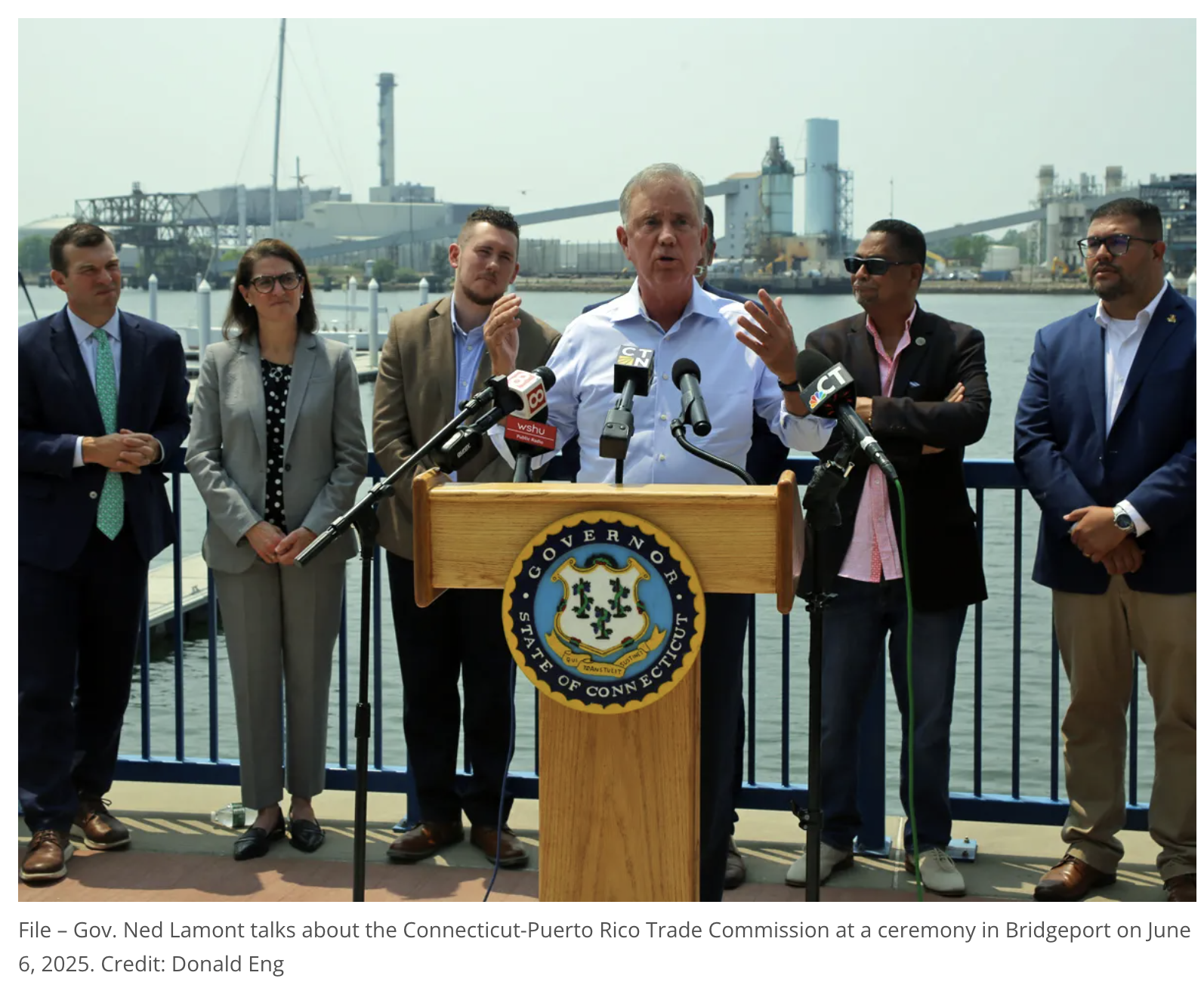
Saw this headline and thought, uh-oh, Ned’s got a new plan for wasting our money, but, whew!
HARTFORD — The state government in Connecticut stands ready to answer any request from Puerto Rico for assistance during the island's ongoing water crisis, Gov. Ned Lamont said Wednesday.
"We're ready to provide support when requested," he said.
Lamont told reporters in Hartford that state and Puerto Rican officials have been in contact but Puerto Rico Gov. Jenniffer González-Colón has yet to ask Connecticut for help.
"We've had some outreach," he said.
"Look, we're standing by. We've got water companies ready to step in when asked and help with infrastructure," he said. "The Connecticut National Guard is ready to step up as needed when asked."
Fortunately, it turns out that it’s merely a public relations ploy and shouldn’t cost us anything:
"This is basically a message to people of Puerto Rico, [said State Rep. Christopher Rosario, D-Bridgeport] 'Connecticut, estamos presente.' We're ready. We're here to help in whatever way we can," he said.
To that end, the Aquarion Water Authority has agreed provide a $1,500 contribution to a nonprofit organization that the Connecticut-Puerto Rico Trade Commission recommends to assist Puerto Rico get through its ongoing water crisis, said George Logan, the director of community relations for the nonprofit, quasi-public corporation.
Problem solved! Except that it’s not the (lack of) humidity failing Puerto Rico, it’s the stupidity.
(Readers should feel free to skip the rest of this post; I just write these things because I get bored in the morning and like to do deep dives into subjects that interest me. Executive Summary: Puerto Rico’s a mess, and always has been, because it’s nothing but a steaming pile of corruption and incompetence). Now go on with your day.)
Back on August 26th Greenwich Times’s parent company ran a weepy AP article on the drought, devoting paragraph after paragraph on the island’s troubles and finally, after blaming global warming, finally admits the heart of the problem in these four throw-away sentences:
Dry conditions aside, Puerto Rico is also struggling with a lack of water blamed on crumbling infrastructure.
Thousands of Puerto Ricans were already experiencing water shortages and changes in pressure for up to a year.
The lack of water unrelated to the drought prompted San Juan Mayor Miguel Romero to sue the island’s Water and Sewer Authority in late May, with the governor acknowledging the agency’s infrastructure has lacked investment and maintenance for decades.
Puerto Rico previously implemented water rationing measures in 2020 and in 2015, when about 400,000 utility customers received water only every third day.
This has been known for decades, yet nothing has been doen to correct it. Here’s a summary from our friends (?) at Google AI:
Major Infrastructure Failures
Massive Water Loss: Long before the current drought, nearly 60% of all treated water produced by the Puerto Rico Aqueduct and Sewer Authority was lost before reaching homes. This loss stems from leaking water mains, broken pipes, inaccurate meters, and unauthorized use. [1]
Pipeline Ruptures: A series of major breaks in the Superaqueduct—a critical 72-inch pipeline carrying water 50 miles along the northern coast to San Juan—drastically disrupted supplies ahead of the emergency. [1]
Lack of Maintenance and Investment: Decades of deferred maintenance, government inaction, and a lack of funding for structural resilience have left the island's reservoirs and distribution networks highly fragile. [1, 2]
Public Consensus on Neglect: Most users on Reddit agree that systemic infrastructure decay and failure to modernize reservoirs are primary drivers of the crisis, far beyond just the lack of rain. [1]
One of Google’s cited sources is the Yale Climate Connections newsletter and, having perused it pages before, I can attest that its editors would far prefer to blame global warming for all the earth’s woes. Yet …
U. S. citizens in San Juan, Puerto Rico, are spending hours waiting for water trucks after water rationing went into effect amid drought on the island archipelago. Puerto Rico Gov. Jenniffer González declared a state of emergency in late July as the water in key dams dropped below levels that can support communities.
Seven of the most populous of the 78 municipalities on the island archipelago are experiencing a rotating schedule of 48 hours – or more – without water, with more than 500,000 people affected.
How did this water crisis get so bad? Read on to get up to speed.
It’s been raining in Puerto Rico, so why isn’t there enough water?
Seventy-two percent of the land area of Puerto Rico is experiencing drought, according to the U.S. Drought Monitor. But this water crisis isn’t just about a lack of rain: high temperatures, lack of dredging sedimentation in reservoirs, deteriorating infrastructure, and mismanagement have led to Puerto Rico facing one of its worst water crises since 2015.
…. As Yale Climate Connections contributor Yessenia Funes explains in her newsletter (you should subscribe!), the Indigenous inhabitants of Puerto Rico chose the island for its plentiful rainfall. But as Puerto Rican journalist Manuel Guillama Capella points out, residents are now experiencing a culmination of decades of poor maintenance of collapsing infrastructure.
“For more than three decades, the Puerto Rico Aqueduct and Sewer Authority has staggered from one crisis to the next,” he wrote in Spanish in an article published in Puerto Rico’s most-read newspaper, El Nuevo Día. “Fiscal crises, operational problems, failed privatizations, poor planning, and inefficient execution of capital improvement projects that, in theory, should provide the stability needed for the production, treatment, and supply of drinking water service required by nearly 1.3 million households and businesses across Puerto Rico.”
A 2015 drought crisis caused prolonged rationing and disrupted daily life for millions of people – and disrupted farming. Although the current situation doesn’t exactly replicate the 2015 drought in terms of duration and geographical areas affected, it shares troubling features: a sustained decline in water sources, limited recovery after isolated rainstorms, pressure on filtration plants, and prolonged service interruptions.
This year, extreme heat has made the problem worse by increasing water consumption and driving greater evaporation from reservoirs and other bodies of water.
What is the government doing about the problem? (Spoiler alert: nothing)
The 2015 drought was a warning that still hasn’t fully translated into public policy.
Even before the water crisis, approximately 65% of potable water either did not reach clients due to water leaks or went unbilled.
The González administration has faced ongoing criticism of its handling of the situation, including a lack of communication about where and when there will be water rationing. Recently, unionized employees of the Puerto Rico Aqueduct and Sewer Authority went on strike, stating that they can no longer live on $10.50/hour.
The Federal Emergency Management Agency, or FEMA, announced that it would send water trailers to Puerto Rico to assist with water distribution, ABC reported.
What about desalination as a solution?
[In] this case, desalination doesn’t seem to be a potential solution. It can be useful, but it requires high-energy consumption on an island with already failing infrastructure. Desalination also requires a lot of investment, specialized maintenance, and proper brine management.
So, there’s Puerto Rico’s water infrastructure. What about the electrical grid in this, the Democrats’ would-be 51st state? Brace yourself, Bridget.
It’s actually far worse than this (almost) sympathetic ChatGTP summary says it is, but this will do for now:
The political/financial history is arguably the key to understanding the physical condition of the grid, because PREPA's problem wasn't simply that it "ran out of money." It spent and borrowed enormous amounts of money while systematically failing to price, budget, govern, and maintain the utility like a utility.
There's also an important twist: the privatization experiment has produced some genuine operational improvements, but not the dramatic improvement in reliability that Puerto Ricans were promised. And separating the system among PREPA, LUMA, Genera, the Energy Bureau, the fiscal Oversight Board, Puerto Rico's government and federal agencies has created a new coordination problem of its own. GAO's June 2026 report is quite explicit about that.
At first glance it seems paradoxical:
If PREPA borrowed ~$9 billion, shouldn't Puerto Rico have ended up with $9 billion worth of shiny new power plants and transmission lines?
No.
A significant part of the borrowing was effectively compensating for a utility whose revenues did not cover its true costs.
The Oversight Board's reconstruction of PREPA's finances says that for decades PREPA failed to set rates sufficient to cover operating expenses—including its pension obligations. It borrowed for fuel, didn't adequately fund its retirement system, accumulated unpaid vendor obligations, and borrowed to service existing debt. Meanwhile, maintenance was deferred.
That's an extremely dangerous financial model.
Imagine a homeowner doing this:
Income: $60,000
Actual annual expenses: $70,000
Home maintenance needed: $10,000
Solution: borrow $20,000.
Next year:
Income: still $60,000
Expenses: $70,000
Maintenance: postponed
Interest: now $2,000
Solution: borrow another $12,000.
Repeat for years.
Eventually the homeowner has enormous debt and a roof that leaks.
That is surprisingly close to what happened.
Time out to mention that this is how our own federal government has operated for decades, and will continue ti do so until it can’t — Ed]
PREPA was not an ordinary investor-owned utility.
For most of its history it was simultaneously:
a power company + government agency + employer + borrowing vehicle + political institution.
That matters enormously.
Electric utilities require politically unpleasant decisions. If transformers are reaching end-of-life, you have to spend money replacing them even though customers see no immediate benefit. If fuel costs rise, rates eventually have to reflect it. If staffing isn't efficient, you have to restructure it.
Politicians have powerful incentives to postpone all three.
Puerto Rico's fiscal Oversight Board now describes PREPA as having operated with a structural financial deficit since 2004, and says PREPA went more than 30 years without comprehensively evaluating its long-term system needs.
That's extraordinary for a utility.
And the problem wasn't necessarily that Puerto Rican electricity was cheap—it famously wasn't. Fuel was extremely expensive.
Rather, money customers paid was heavily consumed by fuel and current operating expenses, while rates weren't structured around what was actually necessary to rehabilitate the physical system.
The Oversight Board describes the old budgeting logic this way: budgets essentially started with "how much money do we have?", rather than "what does this electrical system actually require to remain reliable?"
Those are profoundly different questions.
PREPA also wasn't simply charging every customer the full cost of serving them.
Puerto Rican law created various subsidies and preferential arrangements. Municipalities historically received electricity through a contribution-in-lieu-of-taxes arrangement, and other categories of customers received subsidized rates.
Congressional testimony examining PREPA's crisis specifically identified legislatively mandated subsidized service and municipal arrangements as contributors to its financial problems.
Individually, some of those policies were defensible public-policy choices.
The financial problem arises when government says:
"Electricity for X should be subsidized."
but doesn't separately appropriate enough tax money to pay the utility for that subsidy.
Then PREPA itself becomes the social-policy funding mechanism.
That cost ends up somewhere else in the system.
This was perhaps the biggest structural mistake.
Puerto Rico built much of its generating system around imported petroleum.
That was particularly painful after the oil shocks of the 1970s, and it remained painful for decades.
Oil isn't merely expensive. Its price fluctuates wildly. So PREPA had a utility whose largest operating expense could suddenly explode because of events thousands of miles away.
From 2002 through 2017 alone, PREPA spent roughly $27.7 billion purchasing fuel, predominantly oil, according to an analysis of PREPA records.
Think about that number relative to the ~$9 billion debt.
Puerto Rico wasn't necessarily borrowing $9 billion to build $9 billion of infrastructure.
It was operating a machine that continuously consumed imported fuel while simultaneously carrying debt and postponing maintenance.
That's how you can spend spectacular amounts of money and still end up with rusty generating plants.
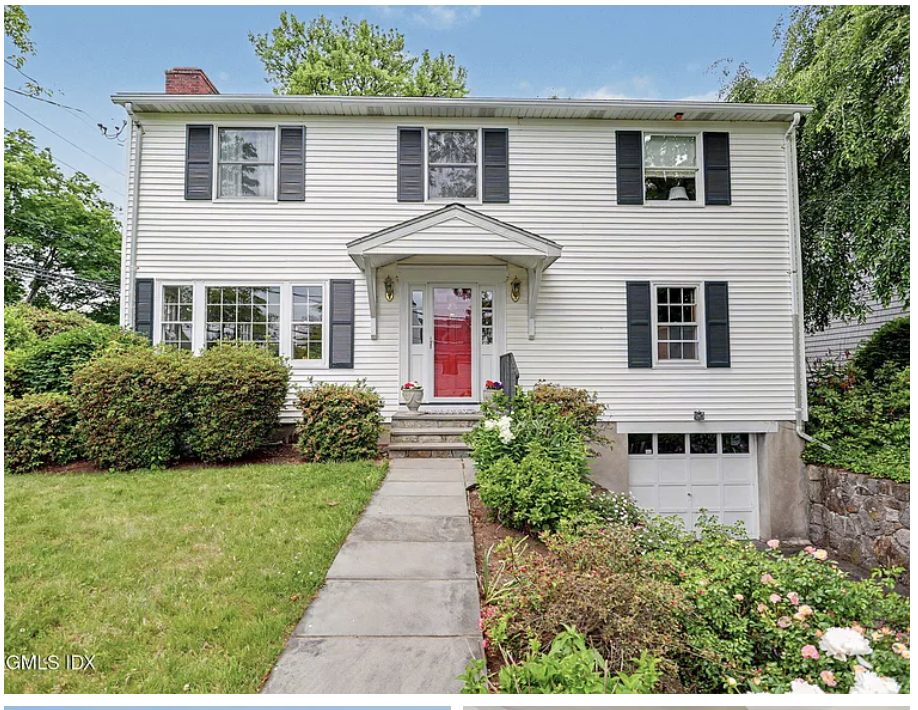
26 Linwood Avenue, listed at $2.425 million, sold today for $2.525. What Linwood has always had going for it, besides a reasonably convenient location, is nice people: I’ve known many of them over the years, and nice people make for a nice neighborhood. That’s more important, in my opinion, than any particular hardware features or a chef’s kitchen.

🚨🇺🇸 CAR@LHO, QUE LAPADA! 🔥🔥🔥
— Paulo Spitzbarth 🇧🇷🇩🇪🇮🇱 (@PauloSpitzbarth) September 1, 2026
CNN: “Este é um imigrante sem documentos...”
Miller: “Eles estavam aqui ILEGALMENTE?”
CNN: “Quero que esta seja uma discussão de boa-fé...”
Miller: “Quando você usa uma linguagem feita para ocultar a verdade, isso NÃO é boa-fé. Um ESTRANGEIRO… pic.twitter.com/l8AQqGhWeN
CNN: “This is an undocumented immigrant...”
Miller: “They were here ILLEGALLY?”
CNN: “I want this to be a good-faith discussion...”
Miller: “When you use language designed to obscure the truth, that’s NOT good faith. An ILLEGAL ALIEN is an ILLEGAL ALIEN. They’re not ‘undocumented immigrants’.”
CNN: “Stephen, we’re trying to humanize the debate...”
Miller: “Humanize? Then let’s humanize the Penal Code too. The bank robber becomes a ‘specialist in unscheduled withdrawals’. The con artist turns into an ‘entrepreneur of alternative financial narratives’. The guy who breaks into your house uninvited is just a ‘visitor with pending documentation’. How about that?”
CNN: “That’s a crude analogy.”
Miller: “Crude is pretending federal law vanishes because CNN’s copy desk cooked up a cuddlier euphemism. ‘Undocumented’ sounds like someone who forgot their wallet in an Uber. No. It’s someone who crossed the border without authorization, stayed, and now the press treats the legal statute like it’s a matter of writing style.”
CNN: “But many contribute to the economy...”
Miller: “Ah, the classic argument: crime stops being crime if the person washes dishes or builds roofs. By the same token, the cigarette smuggler ‘contributes’ too, creates jobs in transport. Want us to call him an ‘informal logistics entrepreneur’? Would CNN go for that?”
CNN: “You’re polarizing.”
Miller: “No. I’m rejecting the marketing dictionary. You change the word, then accuse anyone who uses the legal term of being ‘inhumane’. It’s the oldest trick in the book: first soften the vocabulary, then declare moral victory. The United States is tired of this theater. Call it what it is. Or admit the goal was never clarity—it was narrative control.”
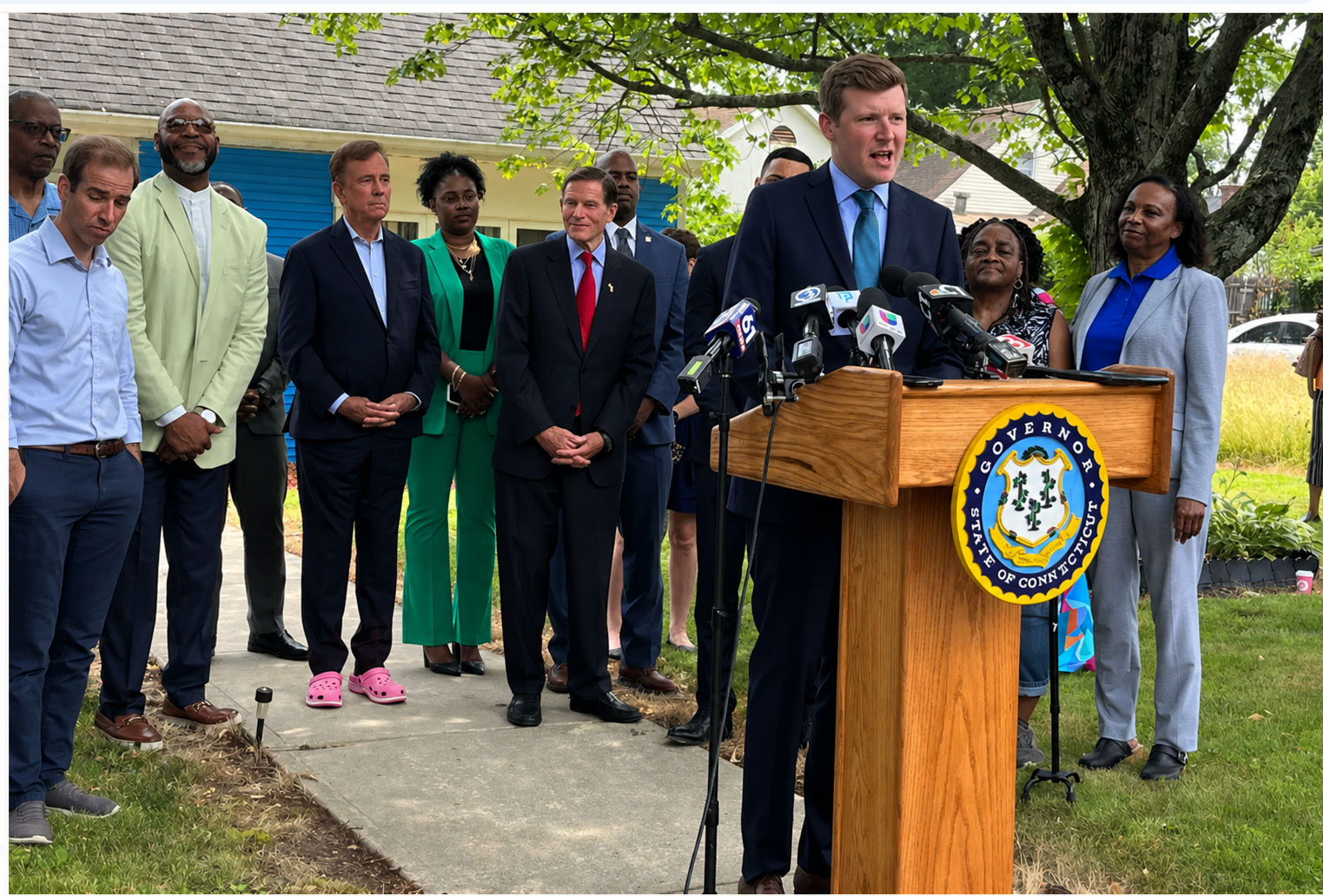
This little scam amounted to no more than $65 million or so, total: CT’s been pasing out hundreds of millions of dollars to these scammers for decades.
After poring through records for eight months, a team of auditors and forensic accountants was unable to find documentation to account for $2.4 million in taxpayer money distributed to businesses and nonprofits through the Blue Hills Civic Association, according to a new audit.
The audit was commissioned by the Department of Economic and Community Development after state officials learned that Sen. Doug McCrory, D-Hartford, used the Blue Hills Civic Association as a passthrough to subgrant millions of dollars to other organizations, including several businesses that are now the subject of an ongoing FBI investigation.
The 128-page audit highlights how little oversight the state had over the money that McCrory directed through the BHCA in recent years, and how poor the recordkeeping was at some of the organizations that received those funds.
The auditors from CliftonLarsonAllen noted that several of the organizations that received money from BHCA could not document how they used tens of thousands or hundreds of thousands of dollars, despite a requirement that they keep such records for at least three years.
“As a result of these conditions, in many instances CLA was unable to fully substantiate the allowability, timing, or purpose of expenditures reported by subrecipients,” the auditors wrote.
“These limitations increase the risk of unallowable costs, misuse of funds, and undetected instances of fraud, waste, or abuse,” the auditors wrote.
Meanwhile, one of the largest beneficiaries of the state grant funding refused to cooperate with the auditors entirely, citing the ongoing FBI investigation.
Sonserae Cicero, who is being investigated because of her alleged relationship with McCrory, declined to turn over any records to auditors even though her companies, which operate under different versions of the name SHEBA, received $1.2 million through the Blue Hills Civic Association.
“In response to document requests, legal counsel for Ms. Cicero indicated that, based on publicly available information suggesting a potential ongoing federal investigation into related matters, SHEBA would not provide any documents or information absent a legal obligation to do so,” the auditors wrote.
The auditors noted that Cicero signed a contract that granted the state and its auditors access to the company’s records “upon request.”
Are they going to pursue Miss Cicero further? In Bureaucratese, no.
Asked if DECD would pursue legal action to force SHEBA to open its books, spokesperson Jim Watson said, “DECD has taken all reasonable steps through available mechanisms to recover and/or hold any funding allocated to entities identified in the audits and will continue to evaluate whether any additional action is merited or likely to lead to the recovery of funds.”
The audit findings are the latest twist in a ongoing political scandal that has destroyed the Blue Hills Civic Association, contributed to McCrory losing his senate seat and forced state lawmakers to rethink how they hand out money.
The auditors attempted to trace more than $6.5 million that was subgranted to 31 organizations in the North End of Hartford and other parts of Connecticut.
Auditors also sought records from RH Realty Services, a company that Blue Hills paid $225,000 over two years to provide mortgage coaching to low-income households.
Roberta Hoskie, who previously served on the state’s Minority Business Initiative Advisory Council with McCrory, gave auditors bank statements that they say suggested she may have used portions of that state funding for personal expenses.
The auditors noted multiple instances in which Hoskie’s company paid for meals, hotel stays and payments to a Jaguar-Land Rover dealership. There were also expenses for Edge Fitness, Mondovi Dental and Pearl Vision, as well as multiple ATM cash withdrawals.
The auditors questioned how those expenses related to the homeownership coaching program that Hoskie was supposed to be providing.
“The available documentation does not demonstrate how these expenses are directly related to program delivery, raising concerns that some may represent personal or mixed-use expenditures,” the auditors wrote.
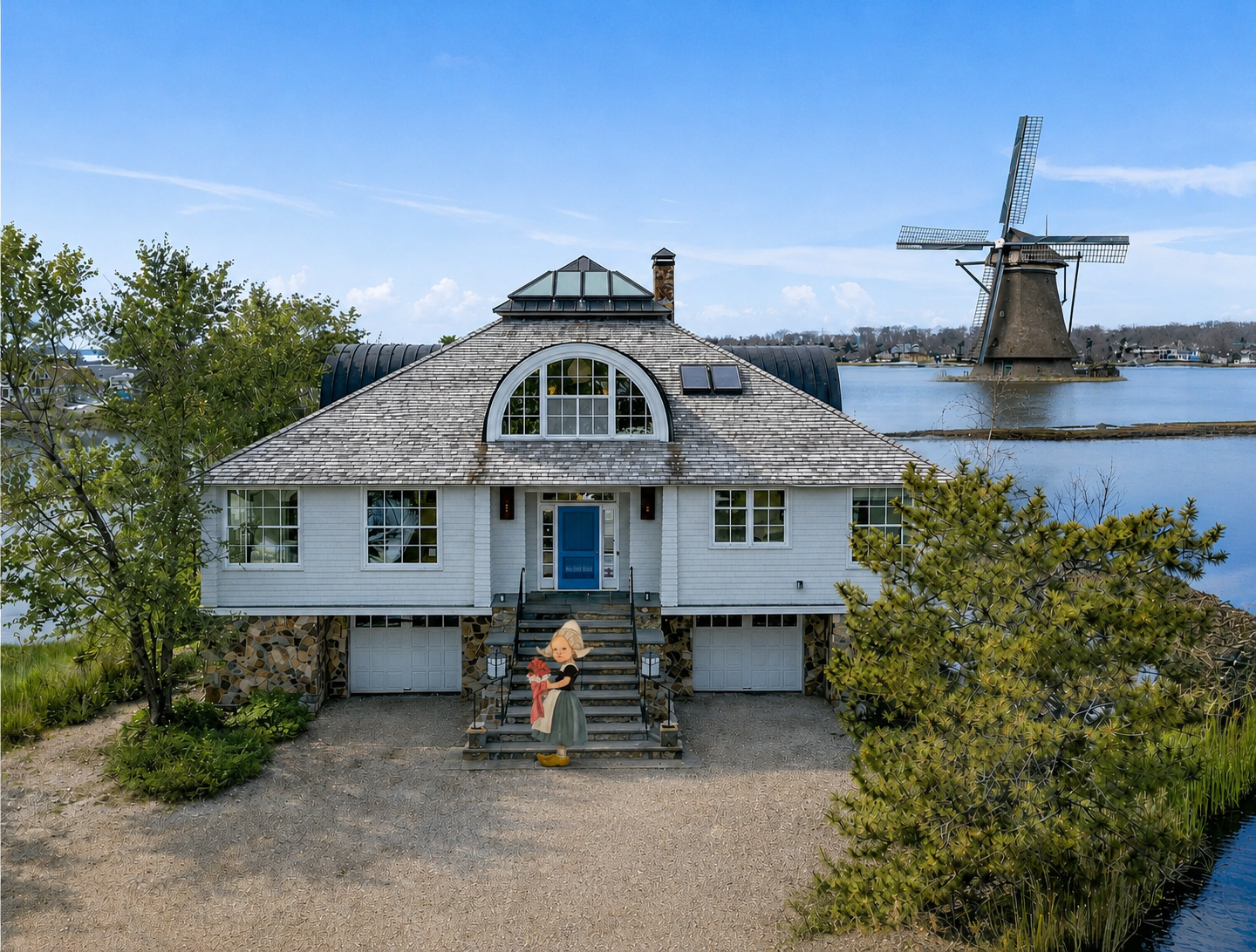
It took a while, but 189 Shore Road, originally listed in April at $10.950 million, has sold for $7.950. The house is perched on fill that juts into the VE zone, but it hasn’t washed away yet. Old Greenwich’s own Little Dutch Girl, Daphne Lamsvelt-Pol found the buyers, probably fellow countrymen who are used to this kind of waterpark fun.
Be notified of new posts! Sign-up here: