80-30g housing project on Lake?

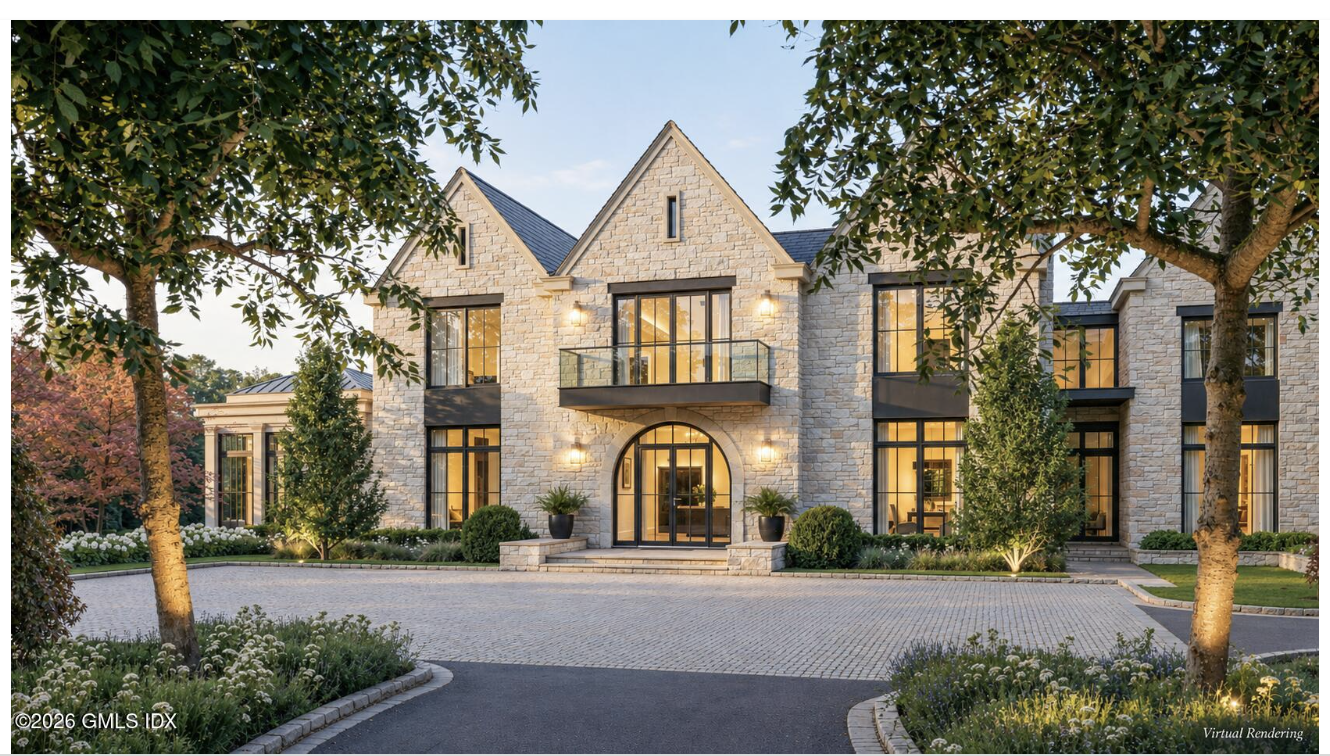
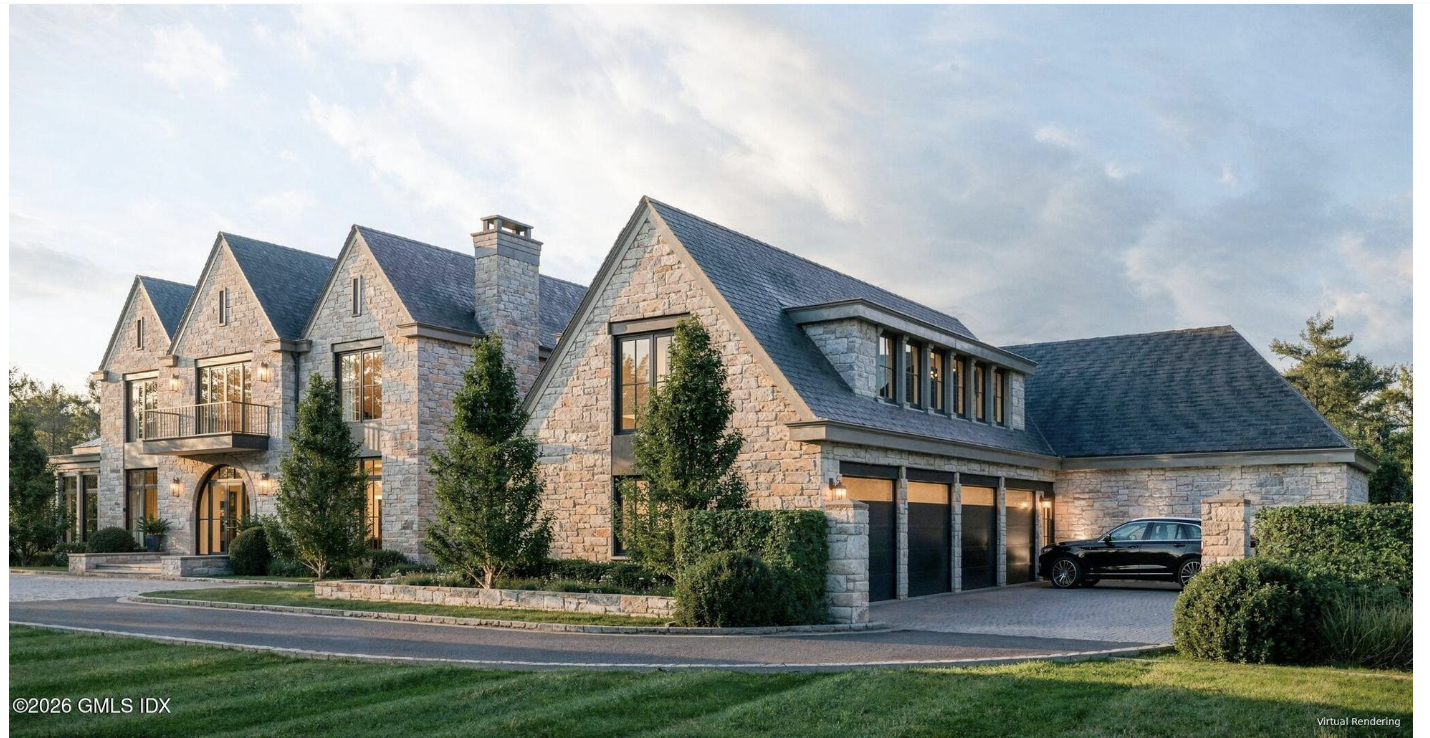
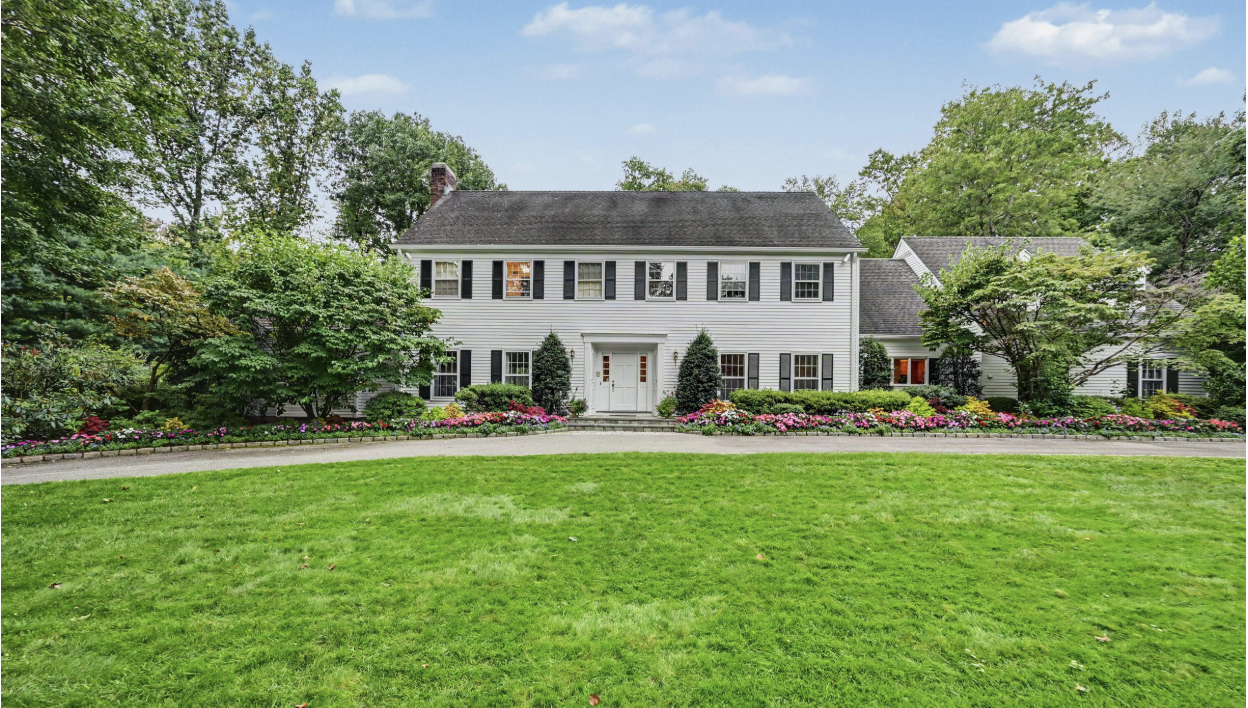
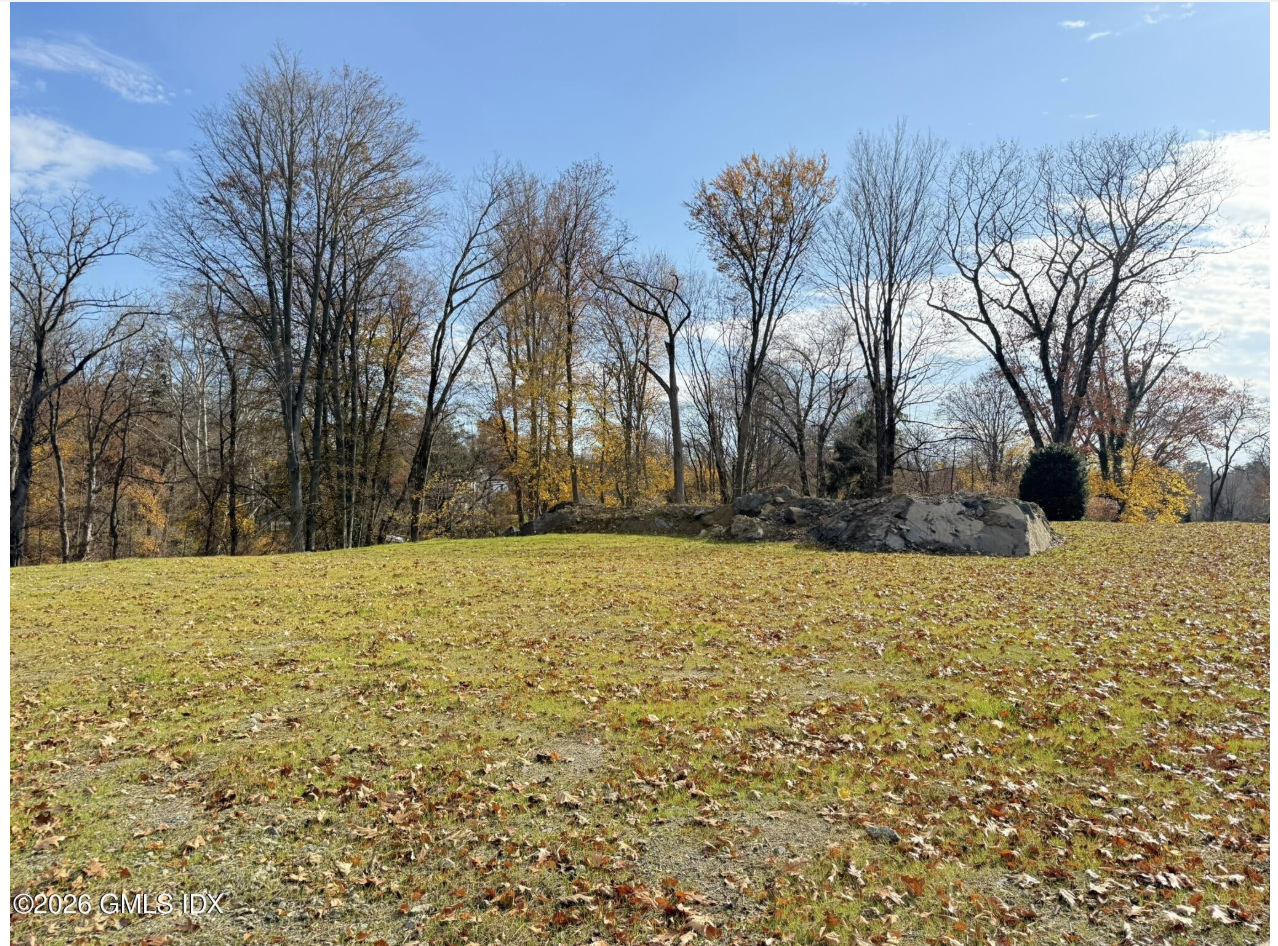
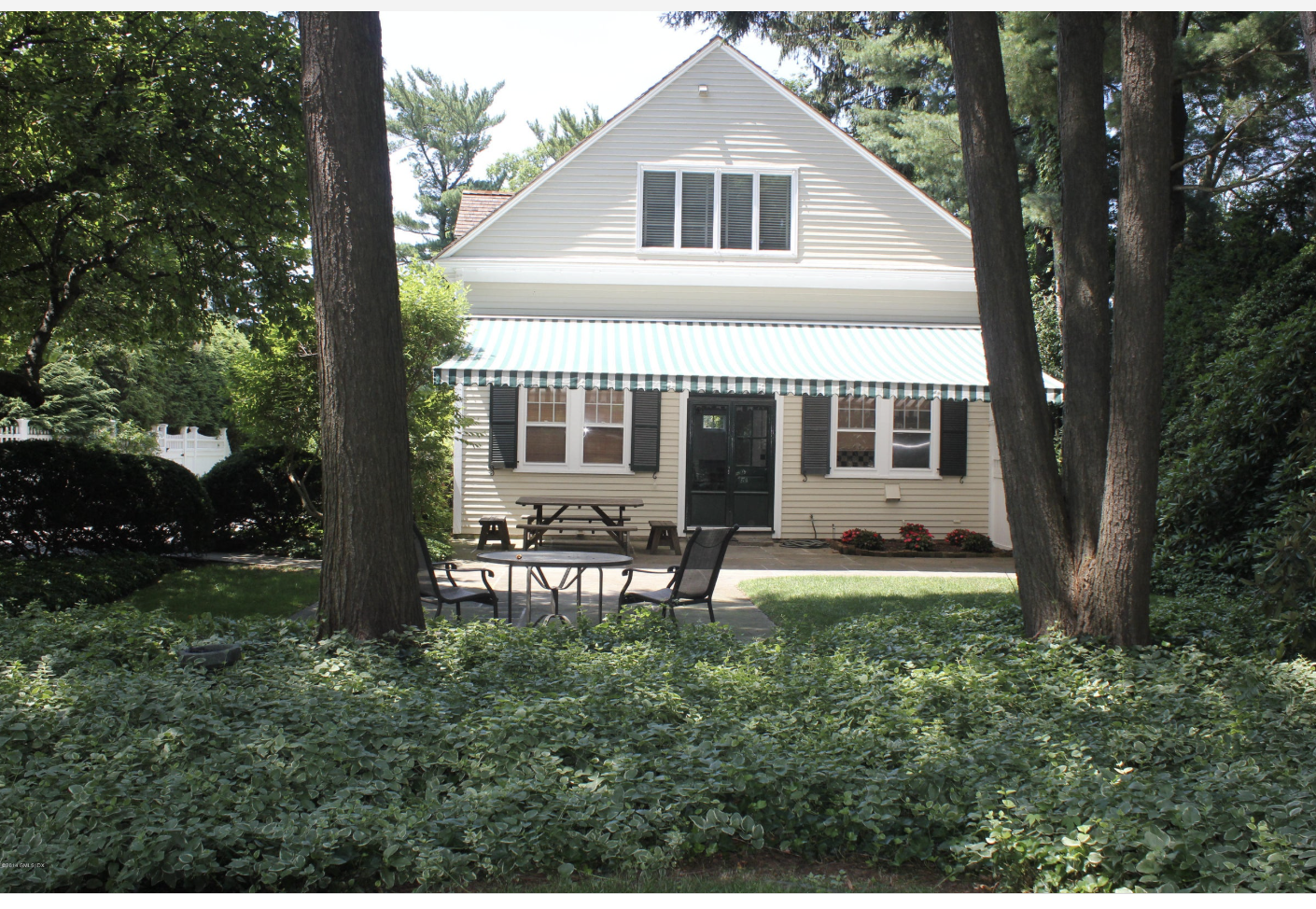
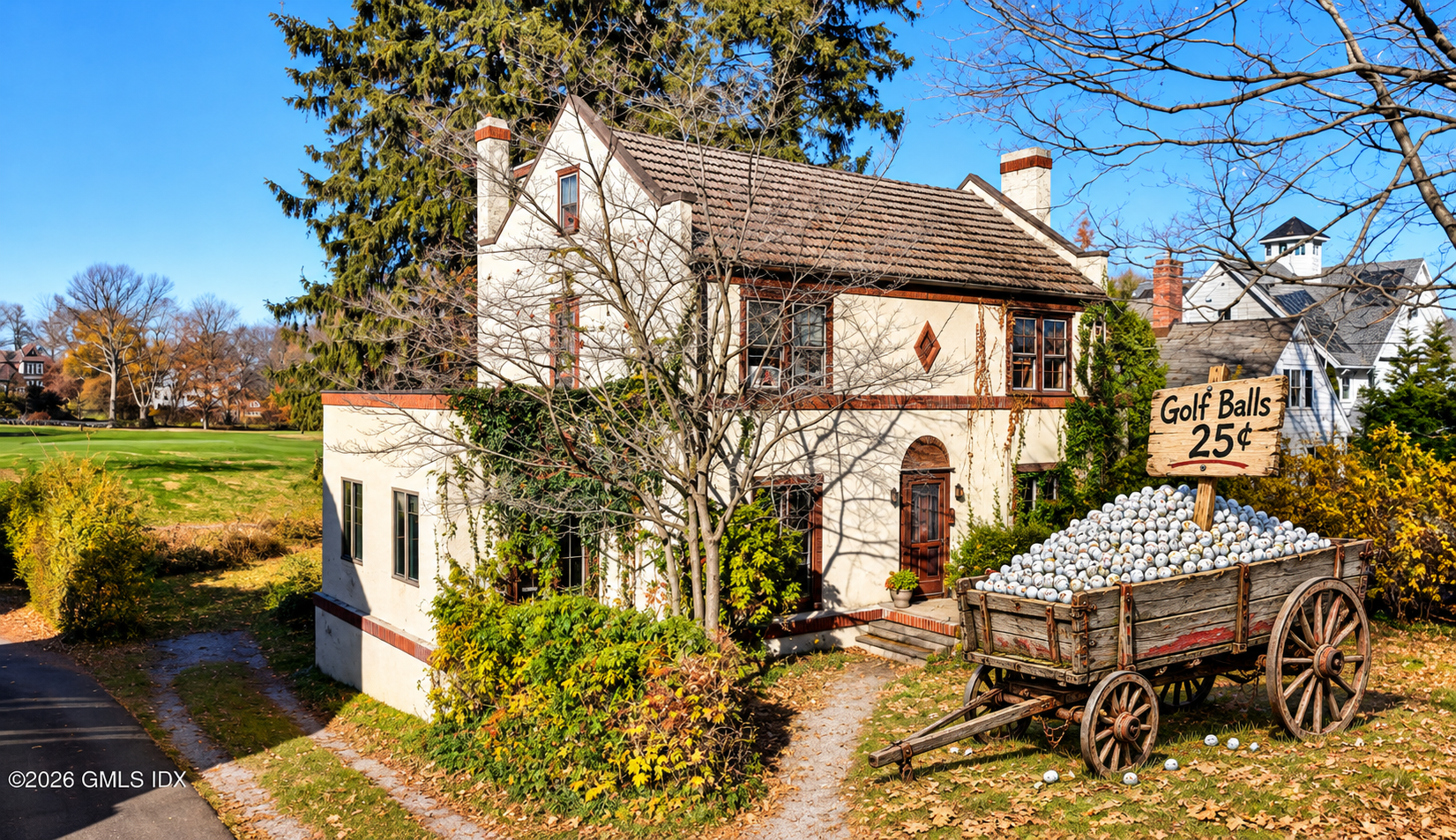
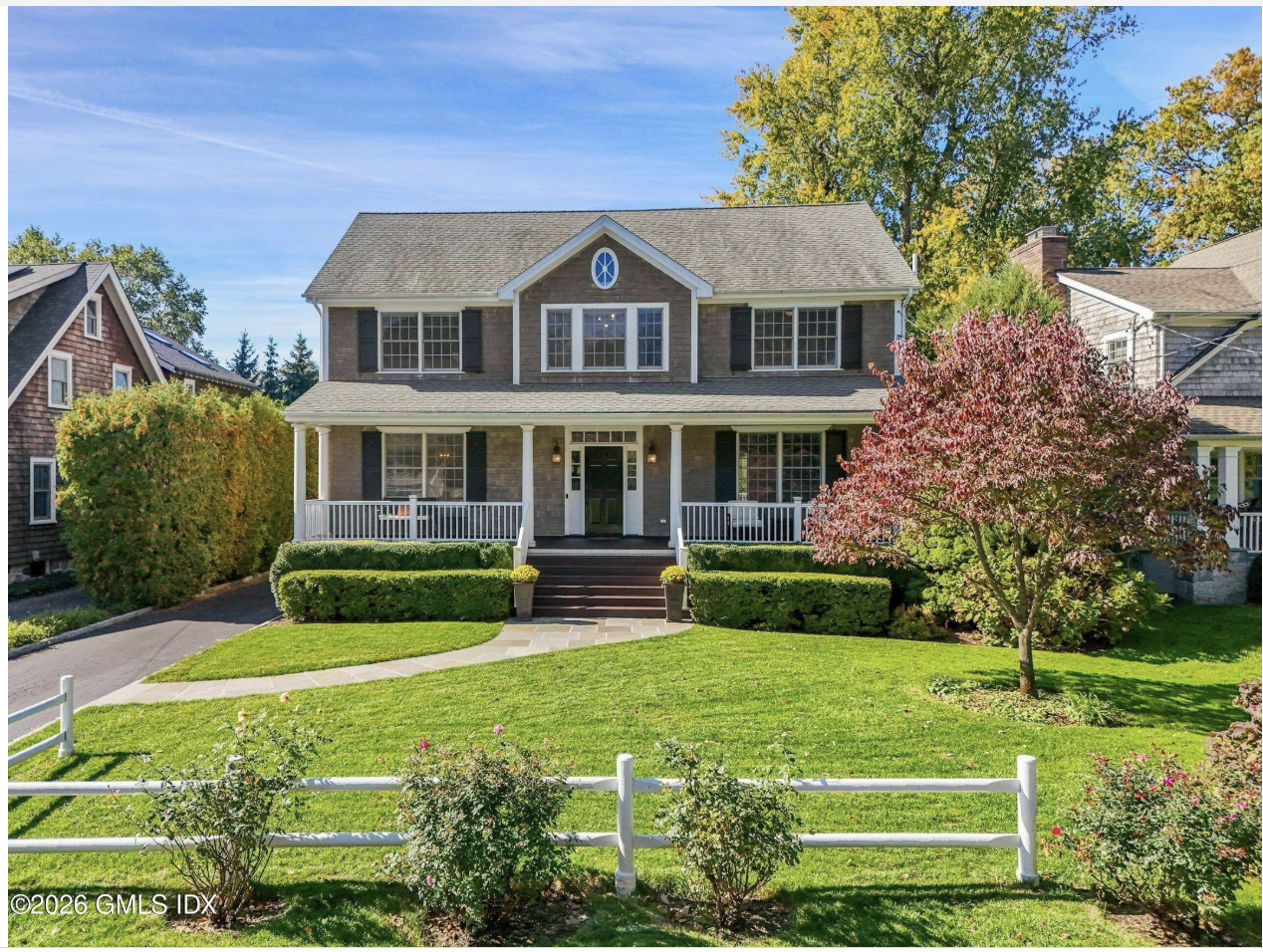
Probably not: 766 Lake Avenue has just begun construction, but with a starting price tag of $24,900,000, it’s seems an unlikely for inclusion in our subsidized housing pool. Then again, there’s always 275 Mason Street to serve as an example, so ….

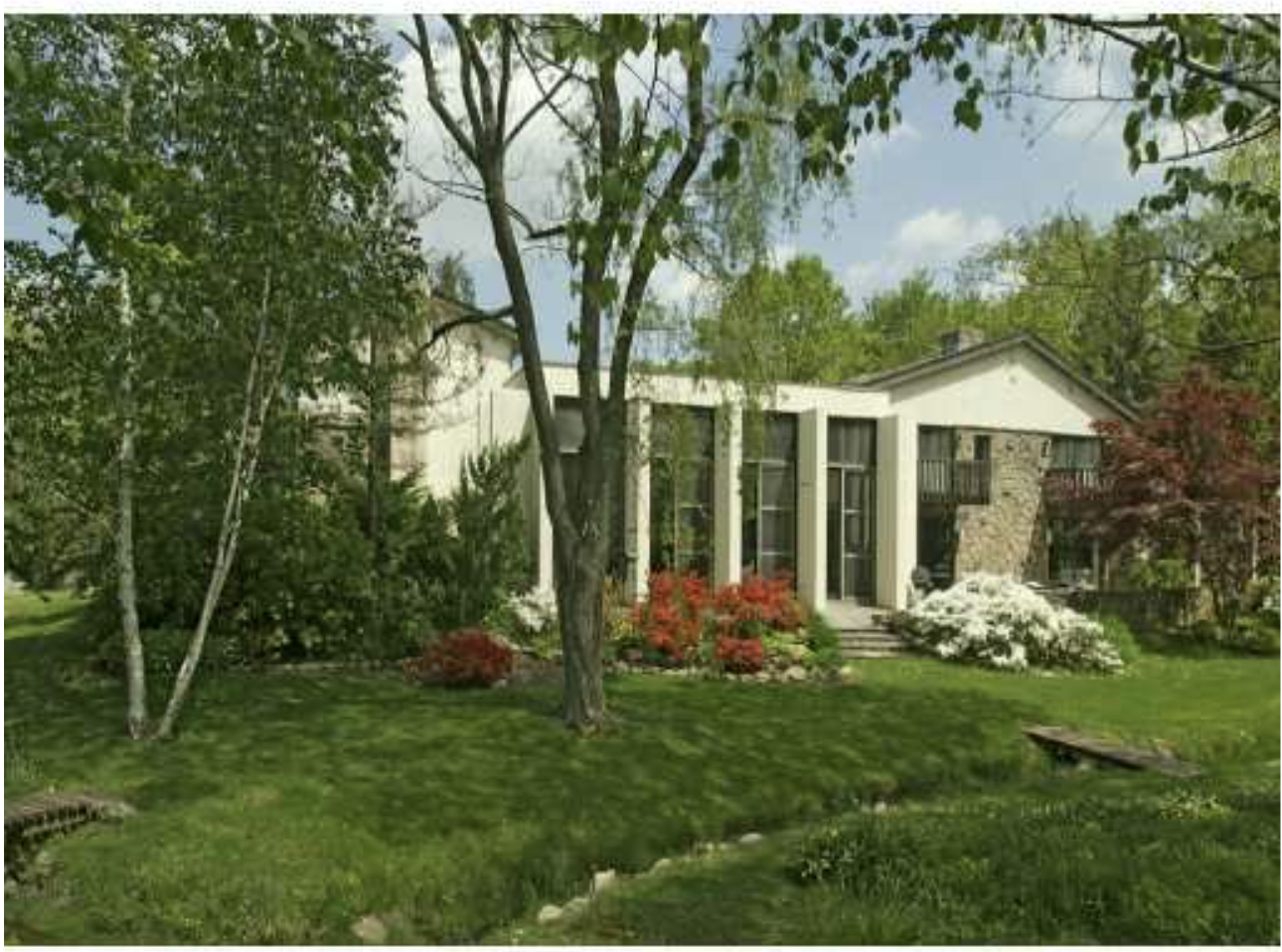
At this stage, all there are to judge on are AI images, but it looks very nice to my eye. Far better than the dreadful contemporary it’s replacing. I toured that one several times over the years — it finally sold for $4.375 million in 2007, as a house, but its highest and best use was always as a building lot for something better.

Invasive species alert: AWFLS and RINOS couple in Avon — and breeding in Greenwich

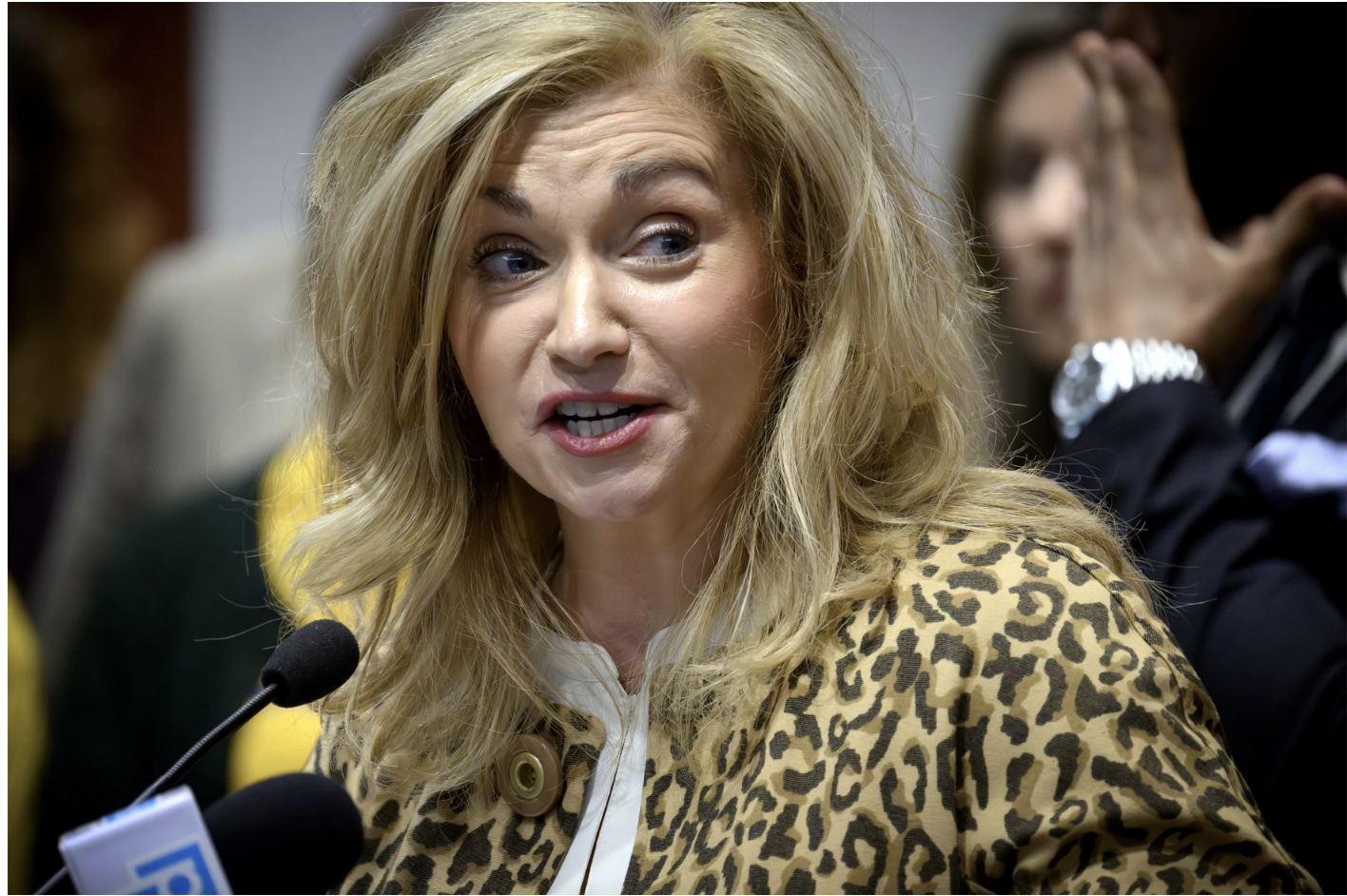
Rep. Eleni Kavros DeGraw, D-Avon: “It's like, ‘Oh, we don't have any money for this. We don't have any money for that,” Kavros-DeGraw said. “We have the money. We have the money, and we know how to distribute it, and we know where it needs to go.”

She’s also a fervent advocate of Desegregate CT’s “Work, Live, Ride” plan for suburban towns

Trump, abortion, forced 8-30g housing: the perfect trifecta for all proper-thinking citizens, be they Democrats or Quigleys.

How a small, wealthy Connecticut suburb went from red to blue

Construction workers in hard hats and safety vests, hustling to transform a vacant office park in Avon to 176 units of housing, took little notice of the small ceremony celebrating their labors last summer on a project made possible by Connecticut’s controversial affordable housing law, 8-30g.

“This is an incredible town. It’s been so supportive, and we’ve had such a great experience,” said Dara Kovel, the chief executive officer of Beacon Communities, the developer. “We also landed in the district of one of the state’s most passionate and vocal advocates for housing for people in need.”

That would be Rep. Eleni Kavros DeGraw, D-Avon. 

Opposition to 8-30g, as well as an omnibus housing bill Kavros DeGraw helped draft and pass last year, has been foundational to a Republican Party desperate for wedge issues that might resonate in suburbs where the GOP has lost its way, places like the Farmington Valley suburbs of Avon, Canton and Simsbury. 

Kavros DeGraw is both a symptom of and contributor to the GOP’s slide in the valley.

Grief and anger over a presidential election fueled action, first in the 2017 municipal races. 

With other moms alarmed by Hillary Clinton’s loss to President Donald Trump in 2016, Kavros DeGraw began reorganizing an ineffectual local Democratic Party that did not run full slates for municipal office and had failed to nominate a candidate for the 17th House District of Avon and Canton in 2014 and 2016.

What happened over the next decade in Avon is emblematic of the political shift that has drawn many upscale suburbs in Connecticut away from Republicans, helping Democrats win supermajorities in what was a closely divided General Assembly when Trump opened his first term in January 2017.

It is a story of how politics still are local, even when shaped by national trends, issues and personalities. Trump was a catalyst, but it was on-the-ground organizing that transformed Avon, a comfortable community of 19,000 with a median household income of $154,058, into a small-town Democratic powerhouse.

Kavros DeGraw, now 51, a stay-at-home mother of three with a background in writing, started a grassroots organization after the 2016 election with a friend, Carrie Firestone, called Forward Connecticut. It was organized around four pillars: connect, inform, serve and lead.

“We had, almost overnight, 2,000 members on Facebook,” she said. “They wanted to know what could they do because everybody was like, ‘This is going to be bad.’”

“We had women all over the Farmington Valley who suddenly stepped up to run,” Kavros DeGraw said, adding they were not universally welcomed at Democratic town committees unaccustomed to new volunteers with new ideas and ambitions. “It was like, ‘Why are you here?’”

…..

Avon had 3,748 registered Democrats and 4,145 Republicans when they started in late 2016, and the GOP controlled the town council with a lopsided majority. Gains would come slowly. It was the start of a multiyear effort to recruit candidates, teach them how to run and expand the Democratic base. 

“This is what these women did incredibly well,” said Eliza Massaro, a sales and management executive who joined the Democratic town committee in 2018, a move that would become life changing. Massaro now serves as its chair — and her volunteer political work became a career.

In 2021, Massaro abandoned her sales career to open 818 Political, a consulting firm whose name references the date when the constitutional amendment giving women the right to vote was ratified, Aug. 18, 1920. The majority of its clients are women, Kavros DeGraw among them.As the Democrats have consolidated, the Republicans in the valley have struggled with internal differences over whether to stand with Trump or tack to the center. In 2024, Kavros DeGraw’s Republican opponent was Manju Gerber, a leader of the socially conservative Moms for Liberty. Gerber got less than 38% of the vote.

Two of the three Republicans who preceded her in the 17th House District seat, Kevin Witkos and Tim LeGeyt of Canton, have broken with their party to varying degrees. Both were elected to the Canton Board of Selectmen after leaving the General Assembly and still serve.

Witkos, the first selectman, resigned from the Republican town committee.

“It’s been taken over by the, I’ll say, the right wing of the party, and that just doesn’t go well in the valley anymore,” said Witkos, who also had been a state senator.

LeGeyt, who succeeded Witkos in the House after Witkos’ election to the Senate, went further. The day after Trump’s election in 2024, LeGeyt went to town hall and changed his voter registration from Republican to unaffiliated.

“I just could not continue with some of the crap that I was seeing Trump take part in, and it’s only gotten worse,” LeGeyt said. “And so Republicans, you know, they’ve got their heads down. They’re not proud of what’s going on, in my opinion.”

And from Greenwichwise, this:

Coincidentally, this Westview Place home is exactly uphill from the Cary Road house discussed in the previous post.

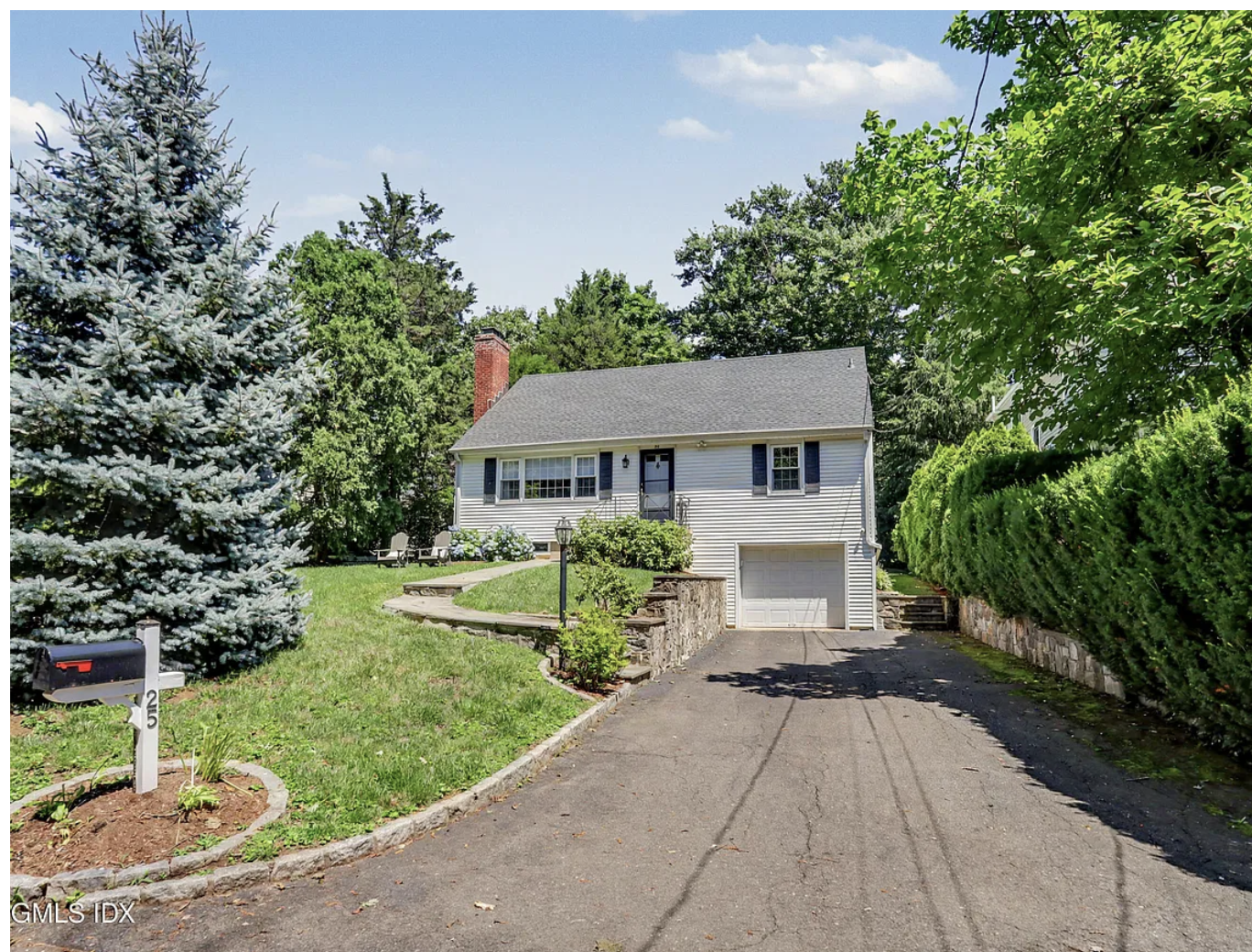
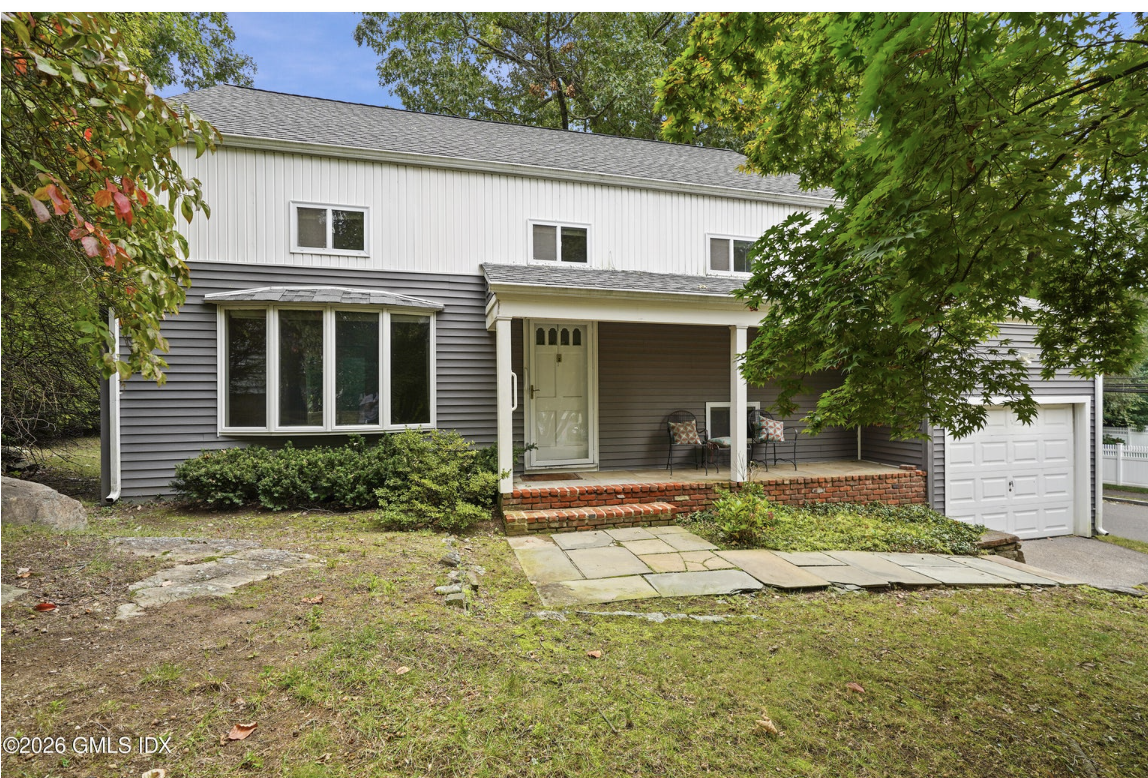
25 Westview Place, Riverside, list price $1.699 million, under contract after 23 days. Purchased for $885,000 in December 2020, when it more closely reflected its 1962 construction date, this owner gut/renovated it and expanded it from 1,440 sq. ft. to 2,047. That’s still small, by modern Greenwich standards, but nice house, nice street, so who’s to complain?

Affordable housing

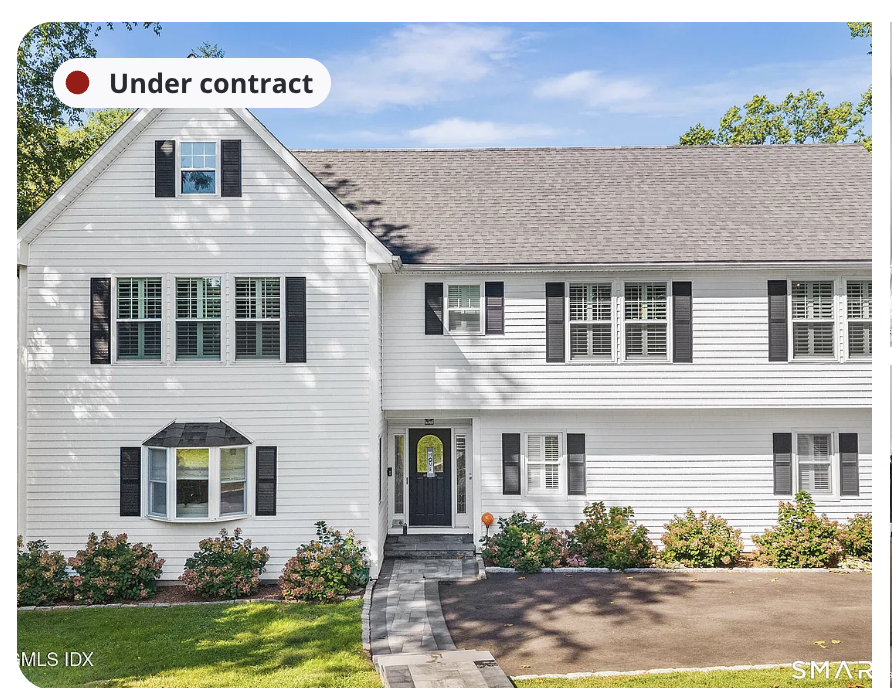
17 Cary Road, Which was described in its listing as “Currently the only single-family home offered under $1 million in the Cos Cob school district and eastern side of Greenwich”, has sold for $1.090 million. I’ve always like Cary Road, especially the houses that front on the Mianus, but if this 1939 house on less than a quarter-acre is the cheapest home available, how, exactly, do the affordable housing proponents intend to provide it? After all, there are only so many $5 million condos to dole out to the lucky favored at $275,000, no? The answer will be revealed when all proper-thinking Greenwich voters return the Democrats to power in D.C., and retain them in Hartford: Apartment towers; the value of the land here will not permit the building of single, or even two-family homes.

It has the convenient location going for it, so who knows?

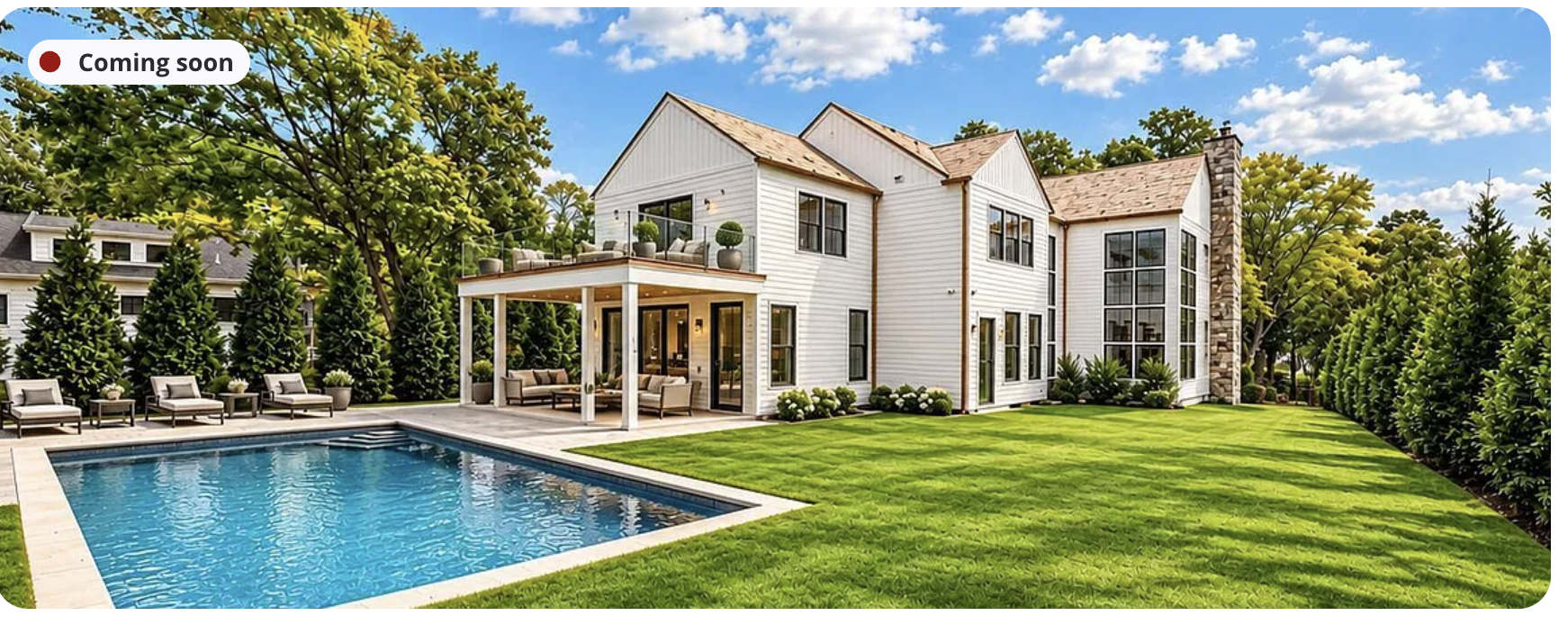
New spec house on 9 Carlton Street is arriving on the market at $9.5 million. That’s probably about $7 to $7.5 million more than any other house has sold on Carlton up to now, but hey, someone has to go first.

It will have the requisite “professional chef’s kitchen”, of course, plus an elevator and a pool, and if you look very, very closely, you may agree with its builder’s description of its design as “timeless New England architecture meets modern sophistication”. I can’t quite see it, but then, no one’s ever accused me of being a sophisticate, or a farmer.

Thus demonstrating, once again, the power of this blog to sway buyers: no sooner had I put up a snarky post about this house, than a buyer turned up.

58 Sheephill Road, NoPo. Just 3 days ago I commented on its taking a second price cut from its original price of $2.2 million to $1.750 and added some gratuitous remarks about the quality of its finishes. No one cared, but that’s one of many services I provide the real estate community: providing ample opportunities for owners and agents to have the last laugh.

Paste Eaters in Pradise

I get it, I think: the average voter doesn’t know why food prices are up, his electric bill has tripled in the past decade, and his rent’s soaring out of his reach, he just knows that it’s happening, and he wants it to stop, and he blames whichever party’s in power for not ending the misery. He sees, he objects, but he never asks why things are so, never asks if, for instance blocking construction of natural gas pipelines or tacking on a “social service” charge to utility bills might have contributed to his woes. “I don’t want to know the reason, just fix it, and if you can’t, I’ll vote for the other guy.” Ant that’s why — there’s that word again — it seems likely that the country’s about to hand the reins back to the very people who created this mess in the first place.

Sad.

Trump's not on the ballot but swing state voters still cast ballots with MAGA in mind

"Republicans have showed in the past two years that they really have made things worse," Chris from Doylestown said when asked if he believes Democrats will bring down prices. "Gas is way up, the energy is way up, food's way up. There's nothing that's cheaper, so they can't argue that."

"I mean, Donald Trump's in office, how much worse can it get?" he went on. "Telling me that it can get worse than this? It's the worst it's ever been. You think that by having... Democrats in office... that somehow it's gonna make things go even higher? I don't think so."

I paid $1.67 for a gallon of gasoline on January 20, 2021, the day Biden was inaugurated. Under his rule, gas hit a peak national average of $5.01 in June 2022, and stayed lodged in the stratosphere for the rest of his term. That should have pleased his constituency — after all, Obama’s Energy Secretary called for $8 gas in 2008, and the president and fellow democrats took immediate steps to achieve that, shutting down pipelines and power plants and preventing new ones, as well as refineries, from being built. Yet somehow, the people were dissatisfied. Not enough to stop them from voting to keep him office for two terms or bringing back his Vice President in 2020, but unhappy nonetheless.

All the noble sounding goals of Democrats are met with huge public support, until the chumps discover that, despite the promises otherwise, they’ll have to pay for them themselves. “Free” solar energy, is just one example. Medicare for All is another:

Medicare for All Is Popular—Until People Find Out How It Would Work

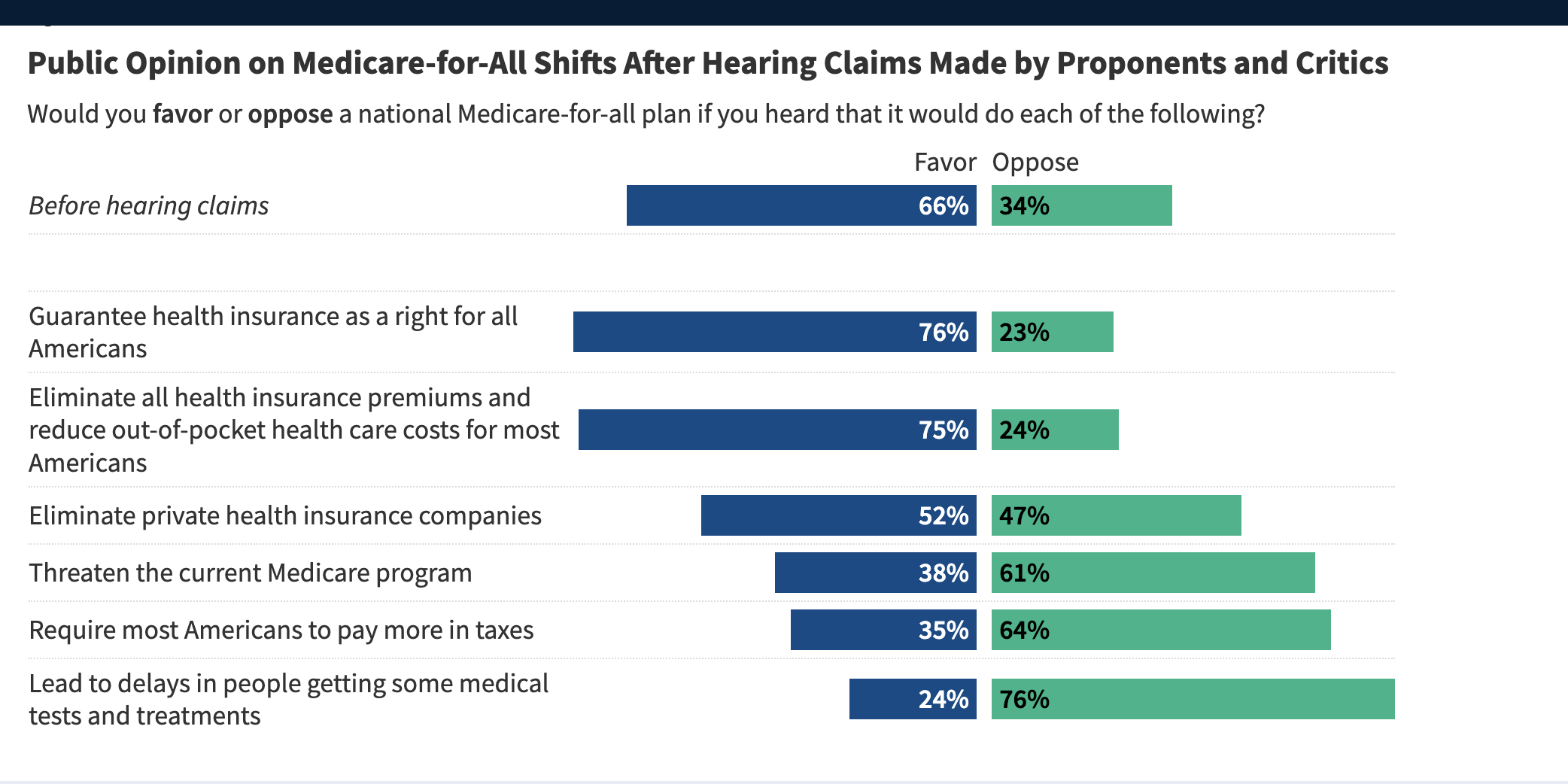
Medicare for All may be a popular slogan, but the policies that would be necessary to make it work would not be. A recent poll found that Americans approved of Medicare for All in principle by a margin of 66 percent to 34 percent—but they opposed it, 64 percent to 35 percent, if it would increase their taxes, and by 76 percent to 24 percent if it delayed access to medical tests and treatments.

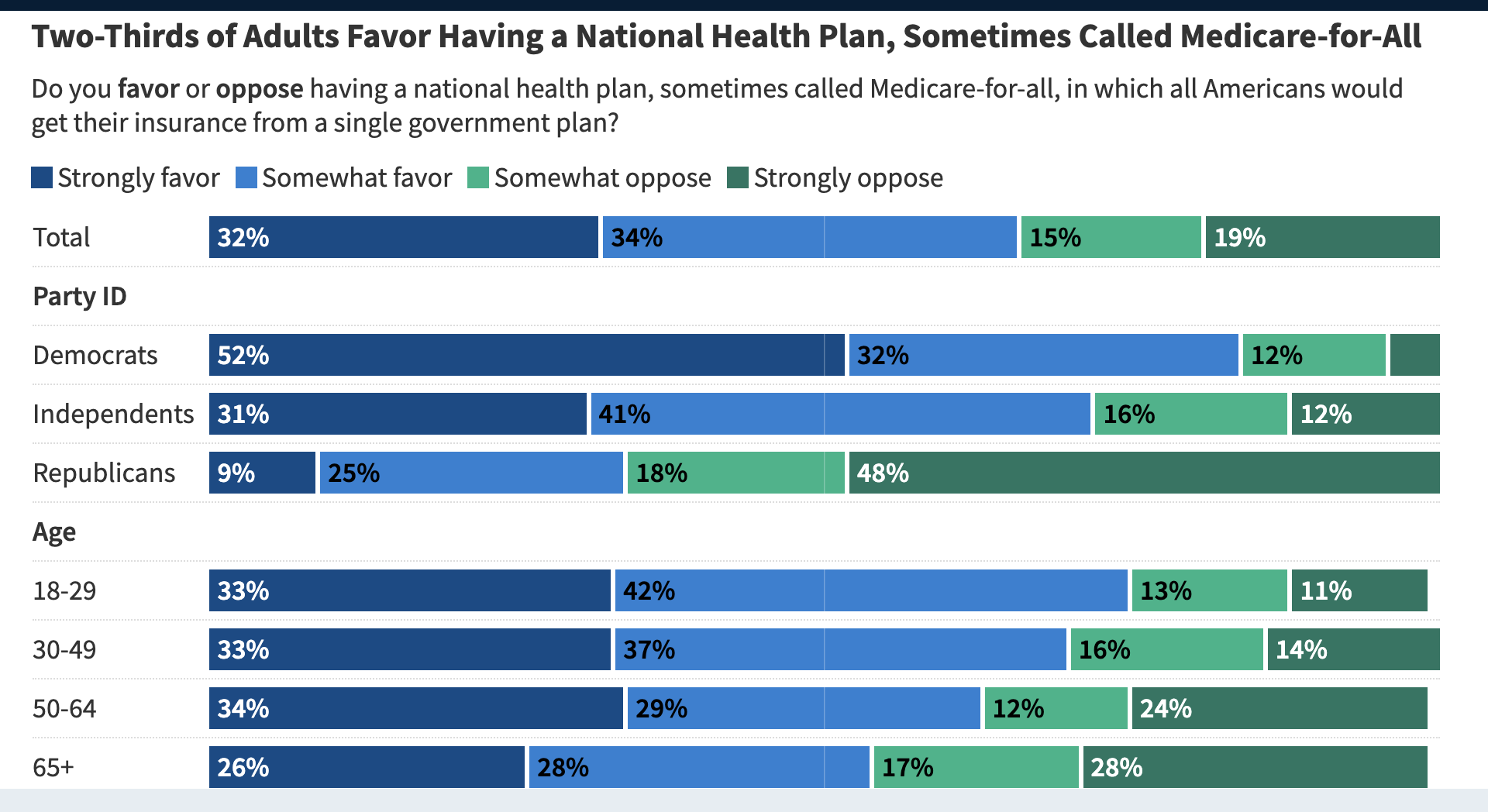
Here’s that poll referred to:

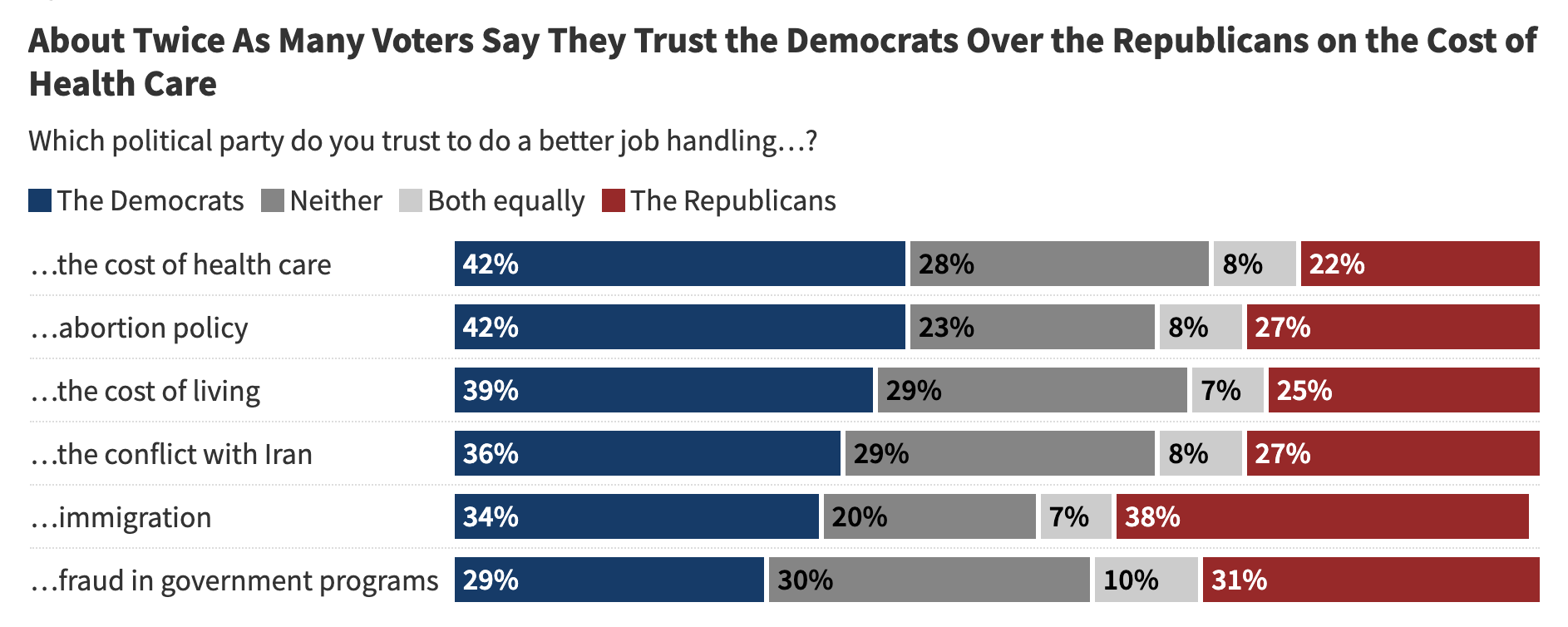
With about a month to go before Election Day, the latest KFF Health Tracking Poll finds a large enthusiasm gap between partisans, with Democratic voters much more likely than Republican voters to say they are “more motivated” to vote this year than usual (63% vs. 38%). As voters make their final assessments before they cast their ballots, the Democratic Party has a clear edge over the Republican Party on who voters trust to handle many top issues in the election, including the cost of health care (42% vs. 22%) and the cost of living (39% vs. 25%). Notably, the size of the gap between the Democratic and Republican parties on health care costs has increased since April of this year, when 37% said they trusted the Democrats and 26% said they trusted the Republicans.

  • Health costs continue to be a top affordability worry for voters, tied with concerns about gas prices as in recent months. Six in ten voters are worried about being able to afford their health care costs, and about half of voters say it is “extremely important” for candidates in the midterm elections to talk about the cost of health care—ranking alongside the cost of living as the top two issues voters want to hear candidates talk about in the closing weeks of the midterm campaigns.

  • There is bipartisan support among the public for major changes to the country’s health care system, but partisans have vastly different views of the type of change needed. Large majorities of adults, including about nine in ten Democrats and three-quarters of Republicans, say the U.S. health care system needs either a complete overhaul or major changes. Reflecting the increased attention to Medicare-for-all in congressional races where some progressive Democrats have campaigned on it, two-thirds (66%) of U.S. adults now support Medicare-for-all, up from 53% when KFF last asked the question in October 2020. Views of a single-payer system remain highly partisan, with majorities of Democrats (84%) and independents (72%) saying they favor it, compared to 66% of Republicans who oppose such a plan.

  • Despite the public’s generally favorable view of Medicare-for-all, support drops when people hear criticisms of such a plan commonly made by opponents about the potential for higher taxes, longer wait times, or threats to the current Medicare program. On the other hand, support for Medicare-for-all increases when people hear claims made by proponents, including that such a system might guarantee health coverage as a right for everyone or eliminate insurance premiums and cost-sharing. Taken together, these findings suggest that while a majority supports Medicare-for-all in the abstract, support is likely to shift over the course of any public debate in which the public hears arguments for and against such a plan. For a summary of historical KFF polling data on opinions of Medicare-for-all, see here.

I don't want to be treated by a doctor who while training and being paid $88,662 annually "had difficulty" `figuring out how to feed himself

The claim:

1 in 5 CT medical trainees lacks reliable access to food.

That trainee doctor treating you at a teaching hospital may be struggling to afford food, a new study by Yale Medical School has found.

Yale researchers reporting in the Journal of the American Medical Association found that 45.3% of first-year medical residents in the Yale New Haven Health System reported some level of “food insecurity,” and 1 in 5 of all medical trainees reported lack of access to food. Finances were the barrier for many, the study found. 

“Lack of money was associated with food insecurity,” the researchers wrote, recommending additional support for medical trainees. 

Residents and fellows often provide front-line care in emergency rooms and other settings at teaching hospitals, as depicted in the television series “The Pitt.” [top-notch reporting, using a television show as a source – ED]. Food insecurity can add to the stress of training, alongside burnout and social isolation, the researchers said.

A first-year resident at Yale earns $88,662 in total salary, according to the Yale School of Medicine website. At the same time, medical school graduates who borrow for their education owe an average of $227,514 in student loans, according to the Education Data Initiative. [None of which need be repaid until after graduation, so this number has nothing to do with the supposed ‘food insecurity” the poor dears are suffering from now — ED].

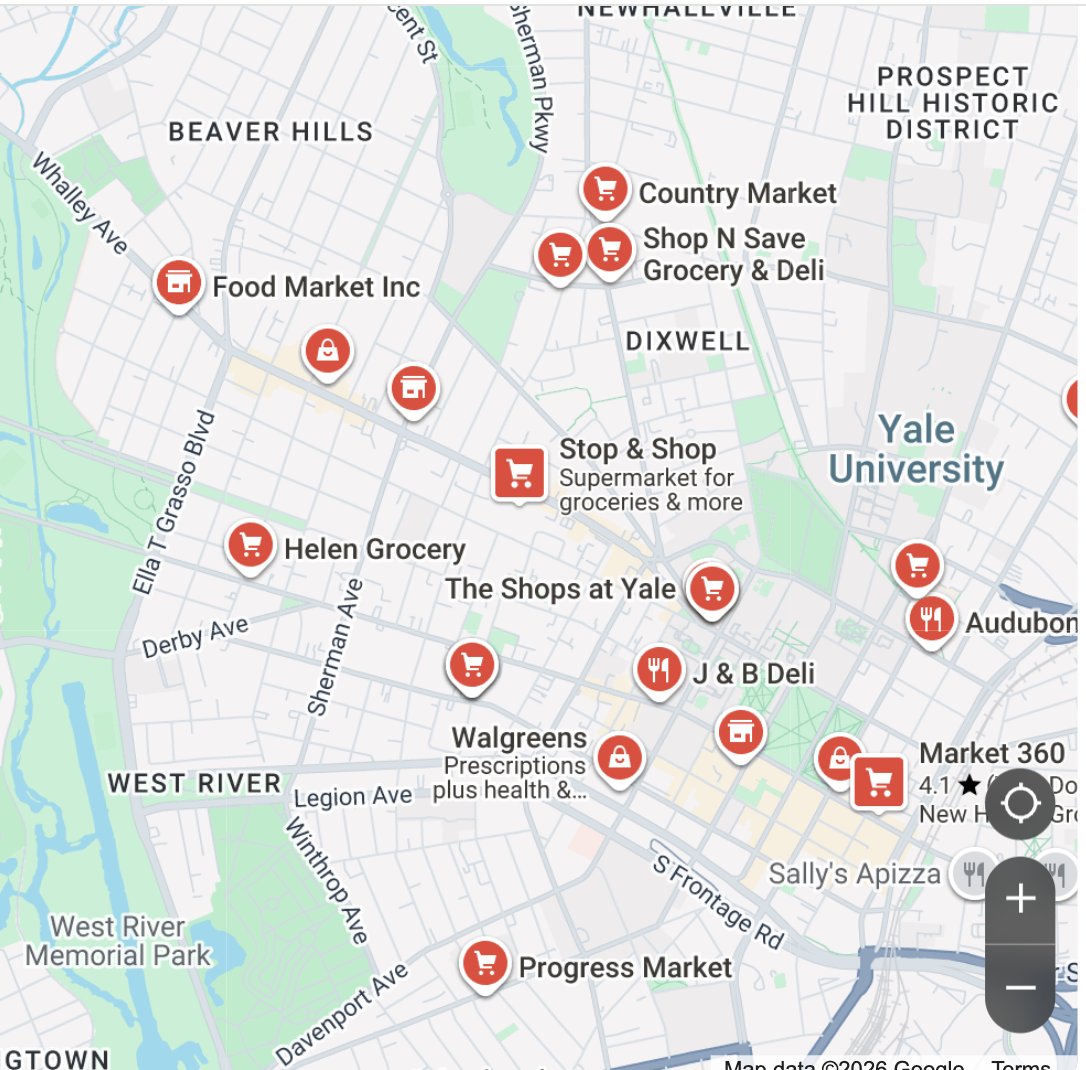
In addition to financial stress, the doctors said a “lack of accessible grocery stores” played a role in their food insecurity. 

As to that, the reporter didn’t ask, so I did:

No time to cook for themselves? No problem

Q: What dining options are available to yale new haven medical residents?

AI Answer:

Medical residents at Yale New Haven Hospital (YNHH) have access to multiple institutional dining facilities, on-campus student venues, and local street options. Because residents frequently transition between the hospital buildings and the Yale School of Medicine campus, their choices span hospital-operated cafeterias, university dining halls, and dedicated resident lounges.

Hospital Cafeterias & Cafés

The York Street Campus (YSC) serves as the primary hub for inpatient rotations, offering multiple dining options where residents can use hospital-issued meal stipends or cards: [1, 2]

  • East Pavilion Cafeteria (Main Cafeteria): Located on the first floor of the Atrium lobby, this is the main dining space. It is open 7 days a week from 6:00 AM to 8:00 PM and offers full hot entrees, a grill section, a salad bar, and rotating healthy options. [1, 2, 3]

  • Atrium Café: Located in the main lobby, serving salads, pizza, sandwiches, sushi, and coffee on weekdays from 6:00 AM to 4:00 PM. [1]

  • New Haven Pavilion Cafeteria & Café: Located on the second floor of the Clinic Building, open weekdays from 7:30 AM to 2:00 PM. It features an attached Peet’s Coffee bar open weekdays until 3:00 PM. [1, 2]

  • Smilow Cancer Hospital Cafés: Residents rotating through Smilow can stop by the Park Street Coffee Shop (1st floor, open weekdays 6:30 AM to 3:00 PM) or the Overlook Café (2nd floor, open weekdays 9:00 AM to 5:00 PM). [1, 2]

Dedicated House Staff Amenities

For quick breaks during a shift or overnight call, residents have exclusive access to specialized benefits: [1]

  • House Staff Lounge: YNHH provides a dedicated resident lounge equipped with televisions, a refrigerator, 24-hour coffee, and nightly food deliveries specifically designated for on-call staff.

  • Stipends: Programs under Yale New Haven Health include a pre-loaded food allowance or monthly stipend that can be spent directly across the various hospital cafeterias. [1, 2]

JAMA ‘s “study” admits that the authors used a different definition of food insecurity than the federal government’s. Was that so they could reach a pre-determined outcome? Oh, that woud never happen, this is science.

These findings should be situated in their broader social context. Resident physicians earn salaries well above the federal poverty level, and reported food insecurity in this population differs in severity and circumstance from that experienced by economically marginalized households; our findings are not intended to equate the two. The USDA measure assesses consistent access to adequate food given a household’s resources and competing obligations, not income alone, and food insecurity above the poverty threshold is well documented.2,3 The mechanisms underlying reported food insecurity in this relatively well-compensated population remain undetermined and warrant direct study.

That last sentence: “the mechanisms [for these results] remain undetermined” is essentially saying, we don’t know why this segment of Residents report they are unable to afford food, because we didn’t ask.” Despite a plentiful supply of food stores in the immediate area, and subsidized cafeterias on campus, nearly a third of relatively well-compensated medical trainees experience food insecurity? Really? Why? And, follow-up question, why didn't the researchers examine whether respondents actually used them, what they paid for meals, and whether their reported difficulties were financial or logistical?

This is “researching” and reporting for headlines, not facts.