Massive ICE protests paralyze Cos Cob, force the agency to apologize and promise to never do it again (Updated)

Weekly Protesters Say Tide Turning against ICE Tactics

(Greenwich Free Press report, slightly edited for clarity by FWIW)

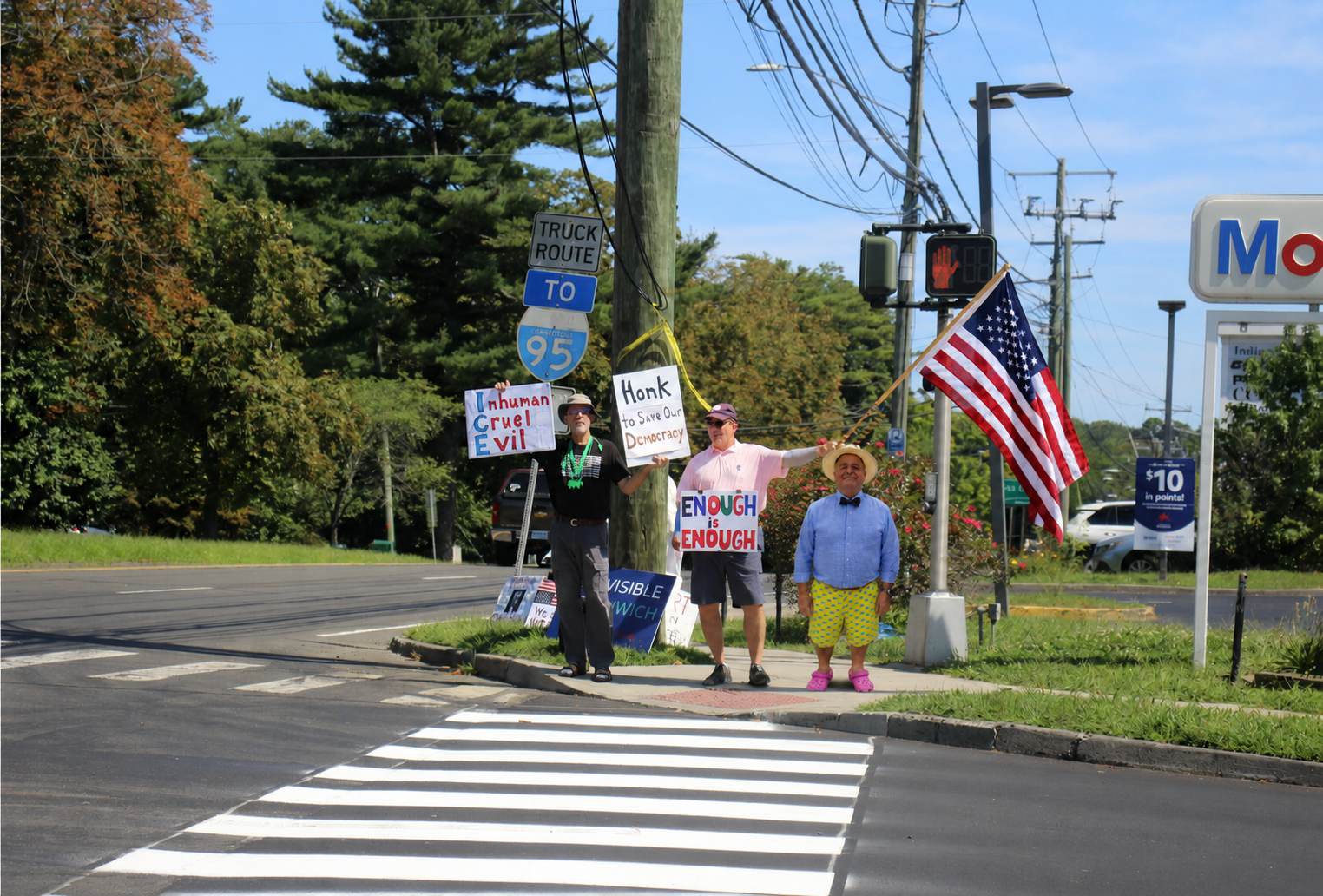
A small — three — but committed group of protesters opposed to the Trump administration have become a familiar site on Saturdays at the intersection of East Putnam Ave and Indian Field Rd in Cos Cob.

While Belle Haven’s Invisible Ladies of Greenwich’s No Kings rallies have drawn over 1,000 people to the Havemeyer lawn, with officials including Governor Lamont and Croc Meskers speaking, the grassroots demonstrators in Cos Cob stand out for their bizarre persistence.

For more than a year, and in all types of weather, the small group has appeared with handmade signs at the highly visible intersection for an hour every Saturday.

They count their support in honks, because, thanks to their DSA training courses, they can translate car horns; “these are all positive, every one of them” Miss Pat Ferris insisted to FWIW Saturday, “and unlike last week, the drivers honking and beeping today aren’t just illegal alien yard workers in trucks and vans, but Back Country ladies in Porsches and BMWs. “Last week we were called “retarded”, she admitted, “but today, it’s amazing. It’s so much beeping and thumbs up.”

Cos Cob resident Chris Day, wearing a diet-reminder sandwich board “Enough is Enough”, placed over his bulging belly by a family member who cares, chimed in to describe the Trump fantasy land he’s been trapped in for the past decade:

“He didn’t win the presidential election. He was caught in Florida with the documents. In Georgia tried to fix the vote,” he said. “If he loses ground in November, different versions of the same ridiculousness will be back because he’s given us, virtually every day, doing something illegal. He’s a felon! He’s a rapist! EEEEEEAAAAGGGGHHHH!”

Day further complained that the therapist he’s been seeing the past four decades was arrested and deported two weeks ago, and he’s at his wit’s end. “Oh, what will I do?”, he wailed, “what will I do?” We gave him an official Trump hanky tear-wiper, patted him on the back, and led him back to his post, where his mother was to pick him up at the end of the hour and return him to the asylum.

UPDATE

I’m not saying they’re exactly the same, but Rosie’s also delusional. And what a phrase: NUTTIER Than A Squirrel's Bowel Movement —> Rosie O’Donnell Claims America Is Making Concentration Camps

Sketchy reporting, but from what I've observed of our 3rd world poachers further up the coast, it’s entirely believable that they’re at work in Westport

new york, bridgeport, come on, come all: Compo beach clam bake

Illegal aliens are stripping Connecticut beaches clean of crabs and clams, but woke officials are ignoring it

My guess is few, if any, of these seafood lovers (well, seafood sellers) actually wear “Minor’s” hats while digging, and the reporter’s abysmal writing is over-the-top histrionic, grammatically jumbled, and with no hard facts behind it, but are there hispanics and orientals swarming the beaches illegally harvesting shellfish? Sure; Third World people don’t recognize game laws on dry land, no reason to think they’d change their behavior while ransacking the sand flats.

[I]legal night harvesting is happening at a massive scale in Westport, and across the state.

"Unbelievable, isn’t it? Take a ride by old Mill and look at the Spanish guys with Minor’s hats on, responded one resident we asked who lives in the Compo Beach area when asked if what was going on nightly is legal.

"There’s no blue crabs left. No steamers. No Clams. No mussels.

Another resident of Old Mill told us, "There’s nothing left, they stripped the place clean."

Connecticut has very few game wardens, stretched thin across the state, and Westport cops are usually too busy at night protecting Dunkin Donut outlets to run beach patrols, but I imagine ICE could net a huge haul here; a few raids, and the illegals would be gone, replaced by vegetarian Westport white lady protesters, who don’t clam.

Civil War

the democrats are coming for your country

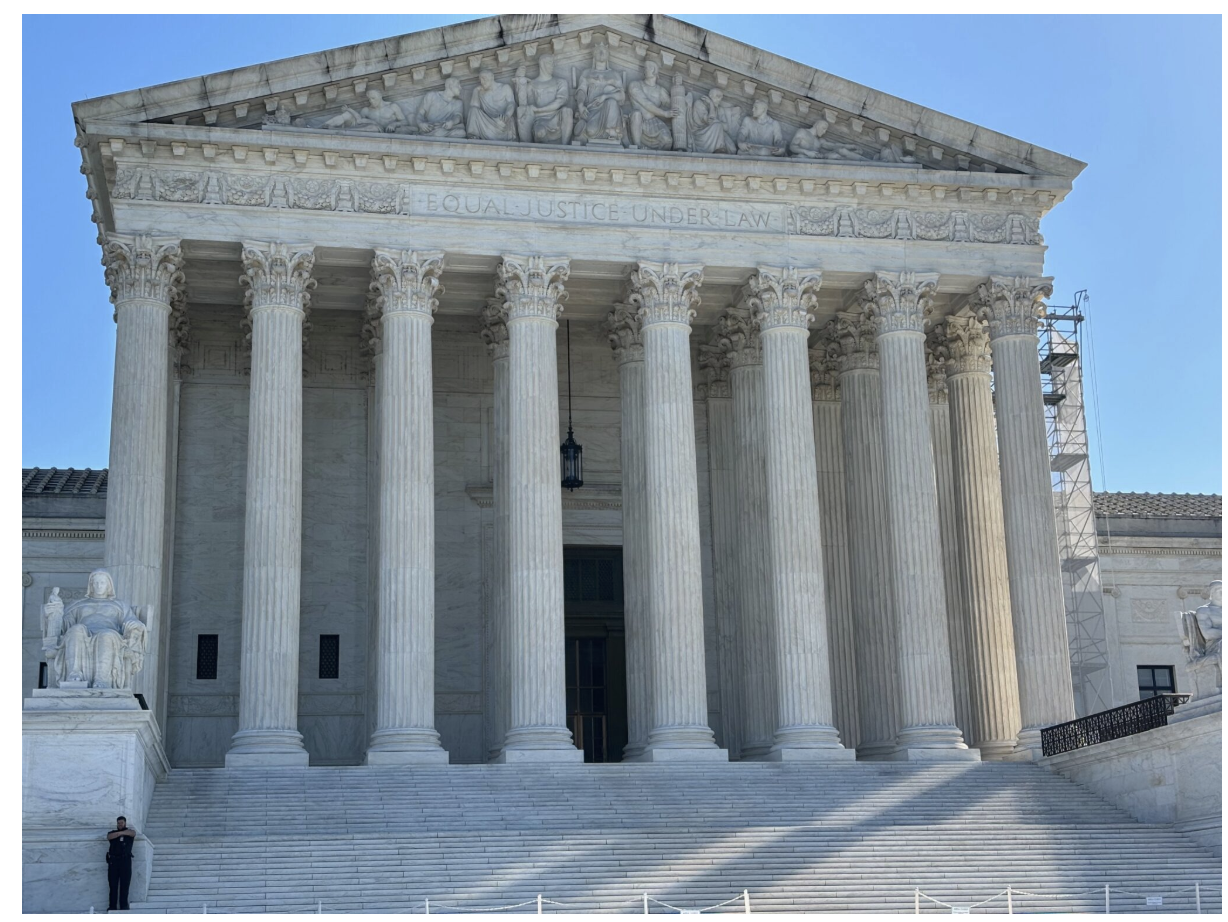
“He and I are already working together. We are already meeting monthly to plan. Republicans can block my subpoenas in the Senate with a filibuster. They cannot block a Jamie Raskin House subpoena. So if we’re working together, we can do twice the work, and we’re going to put a lot of attention right away into the Supreme Court.”

Legal Insurrection:

That is not just a hypothetical. Whitehouse and Democrat Rep. Jamie Raskin (MD-8) are the top Democrats on their respective Judiciary committees and are already meeting monthly, building what amounts to a coordinated two-chamber investigative operation with the Court as the target. The structure is in place. Win or lose in November, they are not waiting.

“We need to do a lot of investigating because not enough people know the story about how this court got captured by a bunch of creepy right-wing billionaires.”

He had a specific question about Justice Clarence Thomas: “Did Clarence Thomas ever pay his taxes on the quarter-million-dollar loan forgiveness for his motor coach?” It is the kind of question Whitehouse has been raising for years, without any proof. He is betting that if Democrats win, he will finally have the tools to demand an answer.

That’s not all. He also wants a “proper ethics program” with real fact-finding powers, not a toothless self-policing arrangement, and “retroactive term limits” for the justices already on the bench. The term-limits part is where it gets complicated. Article III gives federal judges life tenure during “good Behaviour.” Whitehouse did not get into that problem in Iowa.

Whitehouse was in Iowa to campaign for Josh Turek, the Democratic nominee running against Rep. Ashley Hinson for the state’s open Senate seat. Iowa is competitive. Turek’s race is the seat Whitehouse needs to get to 51.

They are already meeting and coordinating. If November goes their way, Whitehouse says the Supreme Court is not just on the list but first.

Related:

These are results for which politicians) have threatened to go after private corporations that hve cooperated with Trump?

AI Overview

Several congressional Democrats have explicitly warned or threatened corporate executives, major law firms, and financial institutions that aligned with or cooperated with President Donald Trump's second administration that they will face rigorous congressional investigations, antitrust scrutiny, and potential legislative consequences if Democrats retake control of Congress.

Representative Dave Min | (.gov) +2

  • Senator Ruben Gallego (D-AZ): Warned executives at companies cooperating or merging under the administration's favor that Democrats intend to pursue aggressive antitrust actions, stating: "Once we take power... we're going to break up your companies... Your investors are going to be pissed at you, and you're likely going to end up getting fired as the CEO because you wasted so much money and corrupted yourself in the process."

    Facebook·The Wall Street Journal

  • Representative Robert Garcia (D-CA): As a top Democrat on the House Oversight panel, he stated that his office has contacted corporations regarding a future investigative agenda targeting companies enabling the administration.

    Semafor

Alongside Rep. Jamie Raskin (D-MD), Garcia has issued information-gathering letters to corporations, media companies, and investment funds tied to Trump-administration deals, laying the groundwork for future subpoenas.

  • Democratic Lawmakers (led by Reps. Dave Min and April McClain Delaney): Sent formal warning letters to major law firms (such as Paul Weiss, Skadden, and Kirkland & Ellis) cautioning that deals struck with Trump to avoid punitive executive orders—such as committing to pro bono work or dropping diversity initiatives—may violate federal and state anti-extortion, bribery, or racketeering statutes.

    Representative Dave Min | (.gov)

  • Senator Elizabeth Warren (D-MA) and Senator Chuck Schumer (D-NY): Led probes pressing major corporate entities, financial platforms, and crypto/venture firms tied to the Trump family and administration settlements for accountability regarding potential conflicts of interest.

    Senator Elizabeth Warren (.gov)

  • Representative Dave Min | (.gov)

    Democratic lawmakers warn top law firms that deals with ...

    Apr 24, 2025 — Democratic lawmakers warn top law firms that deals with Donald Trump may be illegal * Democratic legislators have warned top law f...

  • American Enterprise Institute - AEI

    Trump Attacks Companies, and They Hire His Friends as ...

    Aug 22, 2025 — Trump and his health and human services secretary, Robert F. Kennedy Jr., have attacked the drug industry in various ways. The Dep...

  • YouTube·The Business Standard

    House Democrats target Trump allies with subpoenas and ...

    Aug 9, 2026 — House Democrats target Trump allies with subpoenas and congressional hearings| The Business Standard house Democrats are preparing...

Public Housing, Socialist Style

Havana’s once stately homes crumble as their residents live in fear of an imminent collapse

New York’s City Council and its Mayor’s rent freeze: 0% increase, with landlords forbidden to recoup increases in maintenance costs and taxes, is just the first step towards their ultimate goal of converting the city’s housing stock from private to public ownership. The second step: having ensured that buildings will deteriorate, the flood of tenant complaints will accelerate, and the city will move in to confiscate them “in the name of the people”. That plan has already begun:

Mamdani sparks tenant complaint crisis to ‘squeeze’ landlords and seize private property: critics

Tenant complaints have surged 25% this year compared to last year in New York City, as critics warned socialist Mayor Zohran Mamdani’s twisted war to squeeze landlords — and seize private property — is escalating.

There have been a staggering 573,656 complaints from renters logged with 311 so far this year, compared to 459,519 filed at the same time in 2025, a Post analysis of service requests across the five boroughs found.

The surge comes after the Mamdani administration has repeatedly encouraged “ripped off” tenants to file grievances for the tiniest things. Landlords told The Post that complaints are now being made before even asking them to fix a problem.

“The city put us in a situation where they’re just slowly beating us to death and blaming us,” said Lincoln Eccles, who owns a 15-unit building in Crown Heights. “The apparatus of the government is geared to squeeze us.”

In the past week alone, Mamdani’s 311 army flooded Housing Preservation and Development, the city agency that fields all tenant complaints, with 67 calls for clogged toilets — a 500% increase from the same time last year.

“All of this tenant organizing is part of a long term project to take wealth away from people and redistribute it,” said Stu Smith, an investigative analyst with the Manhattan Institute. “They’re figuring out what pressure points they can act on to get their way.”

Complaints in Brooklyn — home to the “Commie Corridor,” a stretch of heavily Mamdani-supporting neighborhoods such as Bed-Stuy, Bushwick, Williamsburg and Greenpoint — are rising at the quickest pace.

So far this year, Brooklynites logged 169,675 complaints compared to 128,337 at the same time last year — 32% more than the same span in 2025, data show.

Queens, where the corridor extends into places such as “The People’s Republic of Astoria,” also saw complaints rise faster than the city-wide average, ticking up 29% year-over-year, the numbers show.

The corridor has been at the heart of City Hall’s efforts to galvanize renters to join forces against landlords, who are anathema to the communist view that private property should be collectively owned.

“Call 311,” Mamdani’s radical tenant advocate, Cea Weaver, who once declared property ownership a “weapon of white supremacy,” urged New Yorkers in February. “City Hall’s door is open,” she said, bragging that the city was going to get “bold and creative” in an interview with In These Times.

Weaver, who once said “if you don’t believe in the government’s sacred right to seize private property, it’s over,” also boasted that HPD was beefing up its staffing.

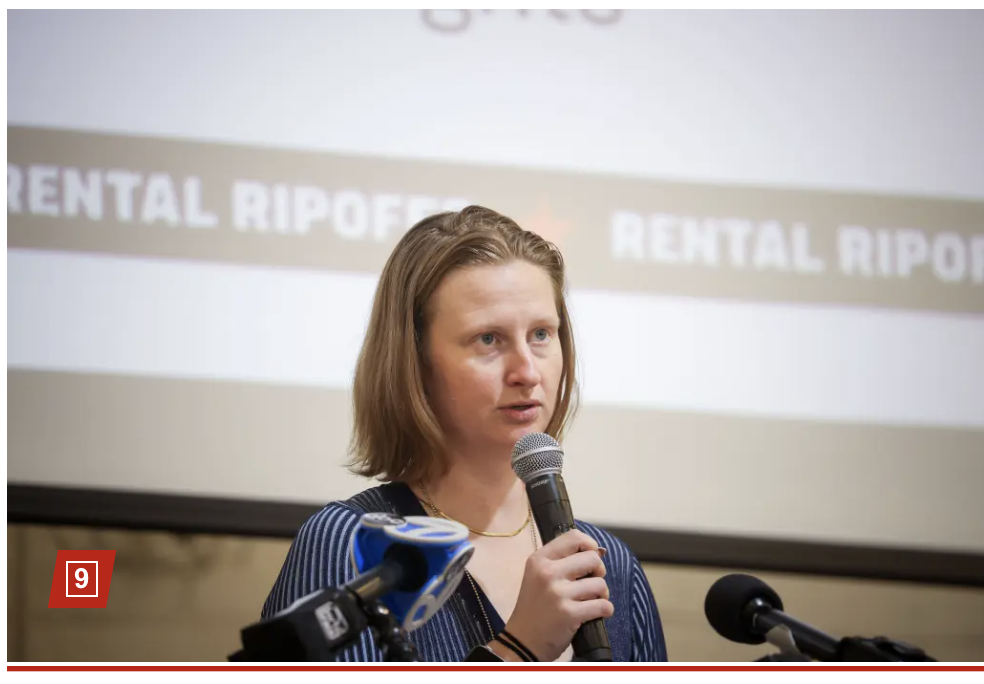
“We’re expanding headcount to be able to do more housing code inspections and more targeted enforcement,” she said in July during a briefing about the city’s “rental ripoffs” hearings.

In April, Hizzoner dressed up as an HPD inspector for a social media post that bragged about finding six violations, some as trivial as missing info taped to the building entrance and boasted “no issue is too small.”

And it worked.

That week, there were 17,768 complaints filed — up 63% from the same week in 2025 when there were 10,877 tenant calls. In Brooklyn, calls that week went from 3,223 in 2025 to 5,499 in 2026 – a 70% increase, the data show.

“They’re calling HPD non-stop day and night,” vented property owner Yossi Azour, who’s facing off against the Weaver-founded Crown Heights Tenants Union at his building on Hawthorne Street.

“They’re playing the innocent victim and causing people to lose their property and suffer.”

“It’s a disaster,” he added, saying that he’d never seen this in 30 years of owning property. “That Mamdani is saying landlords are bad and housing should be free, it gives them headwind.”

The nonprofit NYS Tenant Bloc, which Weaver led until joining the Mamdani administration this year, admitted taking landlords to court over repairs was part of the plan to seize housing.

“If landlords can’t maintain their buildings, tenants will,” the NYS Tenant Block bragged in June. “The Mayor’s Housing Plan directs $2.2 billion to taking housing off their hands.”

Gotham landlords told The Post tenants are abusing the complaint system to live rent-free — and push them out.

“The tactic is to make these complaints. Make it seem like there is no interest in fixing the issue,” said Eccles.

Landlord Natalie Bonnano said tenants think that they can get away with a lot more with Mamdani in office.Fox News

Mamdani’s controversial Office of Mass Engagement has even gone canvassing with the Democratic Socialists of America to encourage tenants to “band together” against landlords, knocking on doors in Flatbush just last week. 

[East Village landlord Christine Renzi]: “I actually have a tenant that feels that he does not have to pay his rent because of Mamdani. They feel like they are absolutely entitled to have a free ride,” she said.

“We even had one tenant who called me and asked why she was being charged rent. She thought that’s what the rent freeze meant,” said Natalie Bonnano, 47, of Staten Island who, with her sister, owns 300 properties in Brooklyn and Staten Island.

Mamdani’s Tenant Advocate Cea Wever: property ownership a “weapon of white supremacy,” “if you don’t believe in the government’s sacred right to seize private property, it’s over,” also boasted that HPD was beefing up its staffing.

Here’s one of the leading “free housing” groups: The Crown Heights Tenant Union.

They boast of their “achievements” on their website:

  • Helped launch the largest rent strike in NYC history (2020)

  • Won the strongest tenant protections in a generation with a slate of rent laws (2019)

  • Won multiple extensions of the pandemic eviction moratorium, protecting tenants from eviction for 22 months (2020 - 2022)

  • Successful eviction defenses on Dean St (2020) and Park Place (2021, 2022) in collaboration with Equality 4 Flatbush, Brooklyn Eviction Defense, and the Crown Heights Care Collective

  • Secured the first collective bargaining agreement with a landlord (2022)

And in line with their stated intention to end all evictions, there’s this:

  • No active member of CHTU has EVER been evicted (2013-2023)

The DSA (Daddy’s Savings Account) flock seem to genuinely believe that they can live rent free in beautiful, peaceful (no police) peoples’ housing that will be maintained by an attentive army of dedicated public servants who will respond immediately to any and all reports of , say, burned out lightbulbs and leading roofs. How’s that working in the existing public housing? Not so well:

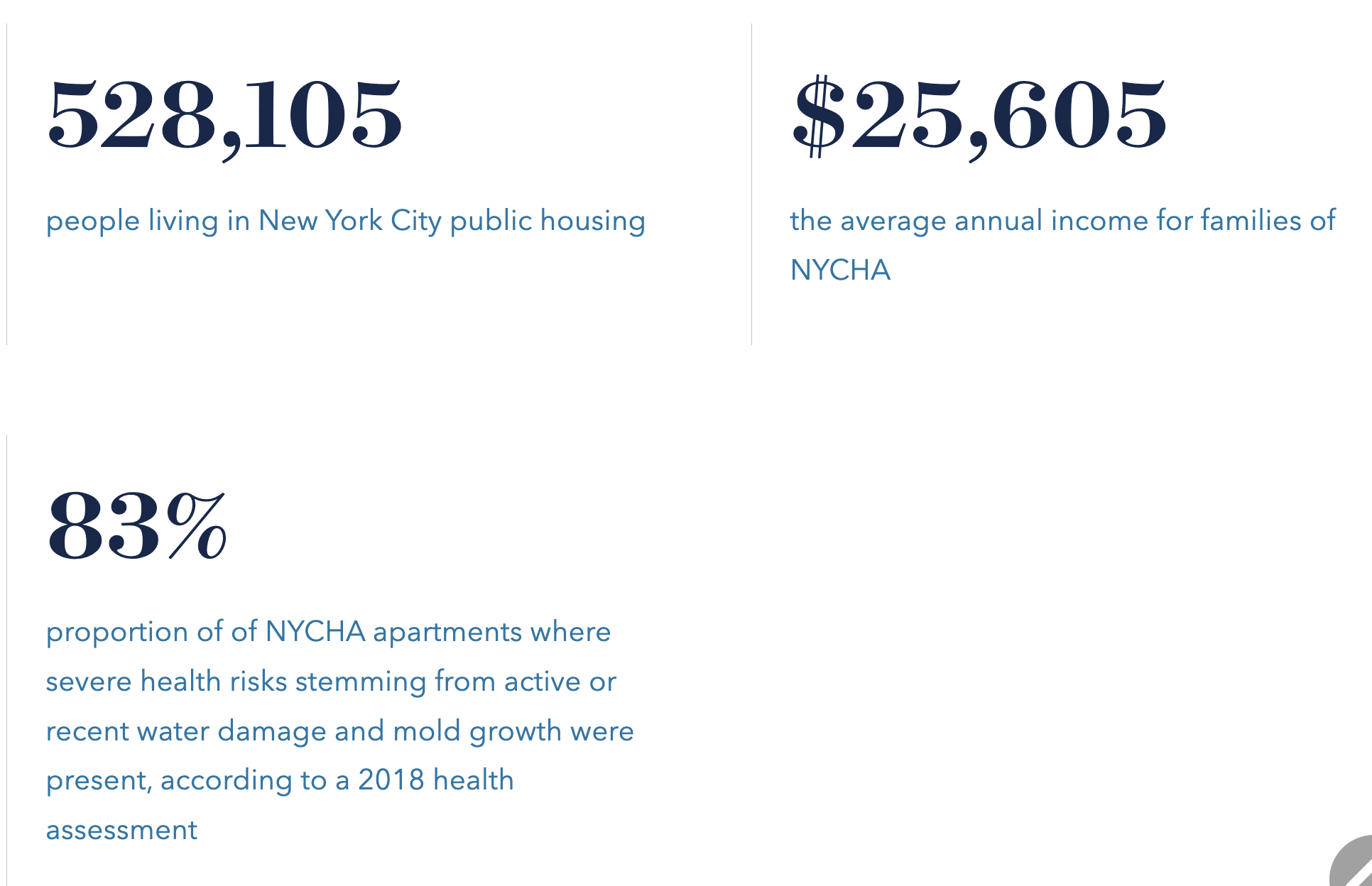
🏢 NYCHA Public Housing in Disrepair

The New York City Housing Authority (NYCHA) is the city's largest landlord, housing roughly 1 in 17 New Yorkers. Decades of federal disinvestment and deferred maintenance have left its aging building portfolio in critical condition. [1, 2, 3]

  • The $78 Billion Backlog: NYCHA's physical needs assessment reveals that the agency requires $78.3 billion to fix its deteriorating developments. This includes repairing structural facades, replacing hundreds of failing boilers, and overhauling broken plumbing. [1, 3, 4]

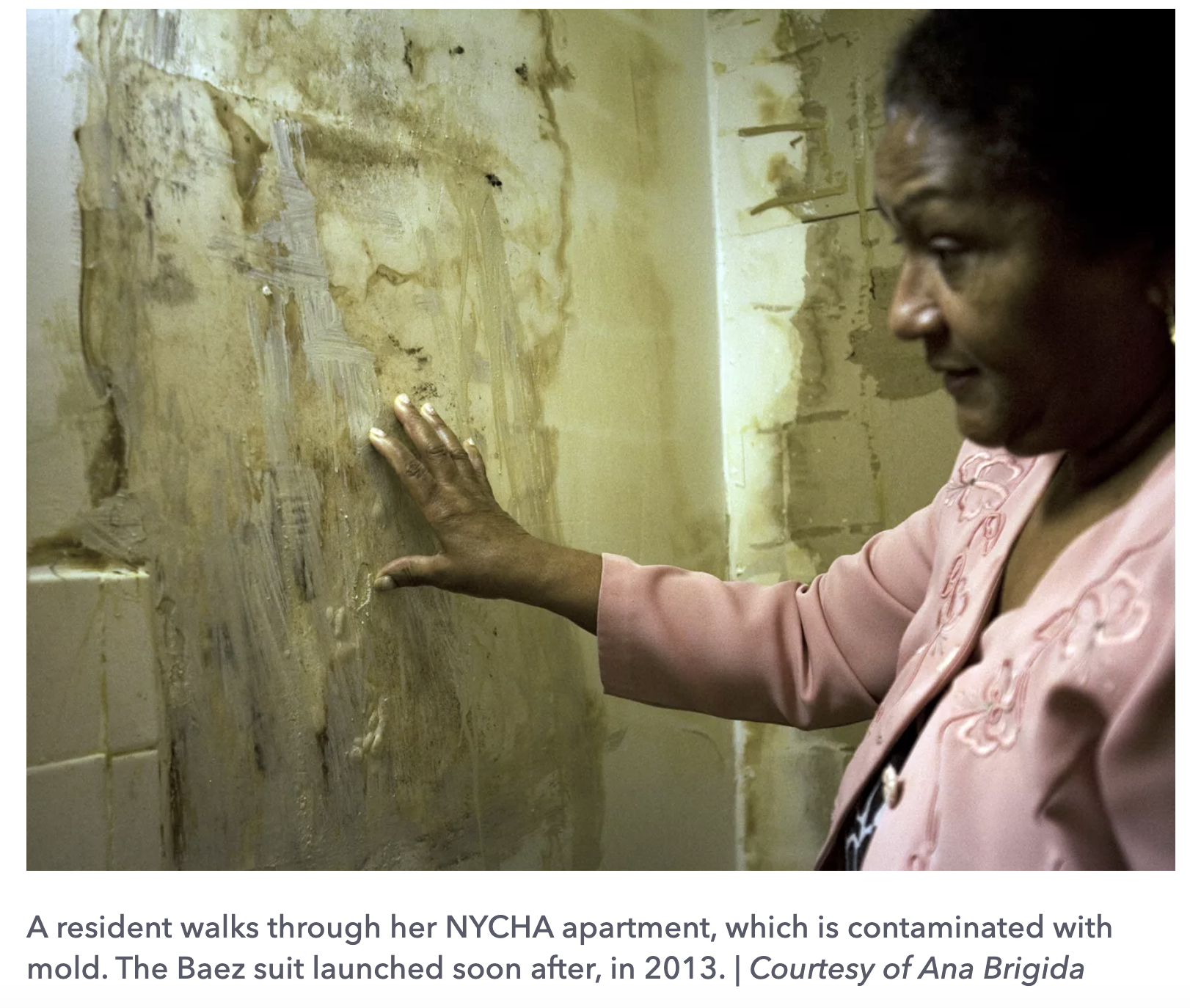
  • Common Infestations & Violations: Residents across thousands of buildings frequently deal with toxic mold, lead paint hazards, collapsed ceilings, and persistent vermin infestations. [1, 2]

  • The PACT/RAD Initiative: To tackle this multi-billion-dollar backlog, the city has increasingly relied on the Permanent Affordability Commitment Together (PACT) program. This model shifts properties to private management to fund major overhauls while keeping units under Section 8 protections. However, tenant groups and investigations note that even private managers have struggled to keep up with immediate repair deadlines.

But this time will be different, beacuse our intentions are noble and good.

After Decades, Tenants Are Still Fighting NYC Public Housing for Speedy Mold Relief

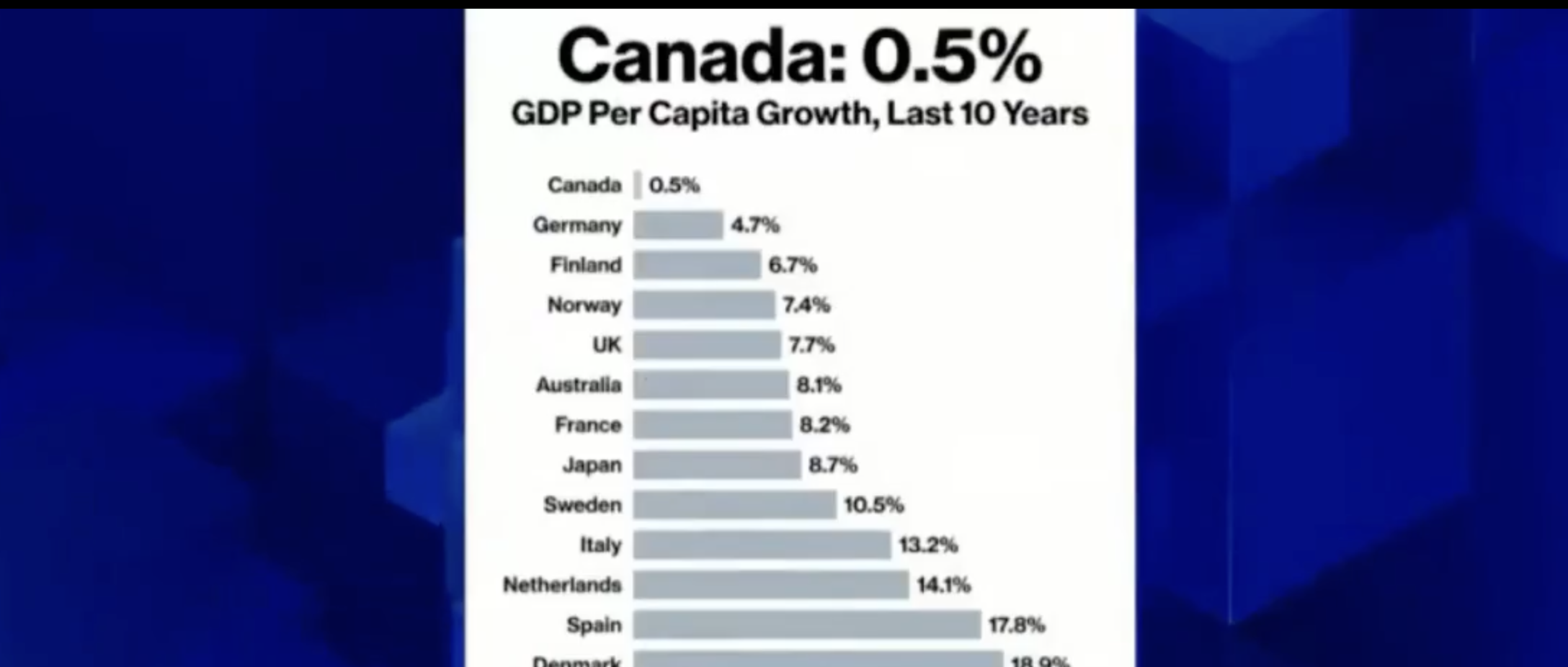
Oh, Canada

The pipeline she is bragging about cost $34B (of taxpayer dollars) when a private company proposed to build it for $7B but the political environment in Canada had become so hostile to energy infrastructure that Kinder Morgan withdrew (along with other major investment)

As for Chrystia Pollyanna Freeland’s “don’t worry, we’ve got natural resources” optimism, she might want to look to Africa for examples of “the resource curse”: there are no rich countries in the Dark Continent, and those that sit on huge mineral and oil deposits are as impoverished as their unfortunate neighbors who have none.

ChatGPT:

Democratic Republic of the Congo (DRC)
The standout case. The DRC produces roughly 70% of the world’s cobalt, is a major copper producer, and holds large deposits of coltan, diamonds, gold, tin, tantalum, and newly identified lithium. Estimates of its untapped mineral wealth run as high as $24 trillion. It also has vast hydropower potential, arable land, and the world’s second-largest rainforest.
Yet it remains one of the poorest countries on Earth: GDP per capita is typically cited in the $580–$1,060 range, around 73% of the population lives on less than $2.15 a day, and it ranks near the bottom of the Human Development Index. One in six people living in extreme poverty in sub-Saharan Africa lives in the DRC.

Niger
A leading uranium producer and significant gold producer, with additional oil and other mineral potential plus renewable-energy resources.
It is consistently among the poorest countries globally, with very high extreme-poverty rates (around 42% in recent figures), low school attendance, and one of the lowest HDI rankings (often third from last).

South Sudan
Heavily dependent on oil (often ~90% of government revenue) with additional mineral potential.
It is one of the poorest countries in the world, with extremely high poverty rates, repeated production disruptions due to conflict, and very low human-development outcomes.

Central African Republic (CAR)
Holds gold, diamonds, uranium, and some oil potential.
It ranks among the poorest countries globally and has suffered prolonged conflict that has prevented resource revenues from translating into broad development.

Other notable cases

  • Guinea — among the world’s largest bauxite (aluminum ore) reserves, plus gold and iron ore.

  • Zambia — long-time major copper exporter.

  • Mozambique — coal, natural gas, and other minerals, yet still very poor.

  • Sierra Leone and Liberia — diamonds and iron ore, with histories of conflict linked to those resources.

  • Angola — large oil and diamond wealth; poverty and inequality remain high despite higher national income than the countries above.

These patterns are not unique to Africa, but they are especially pronounced there because so much of the world’s remaining critical-mineral reserves (cobalt, copper, manganese, platinum-group metals, etc.) are concentrated on the continent while governance, infrastructure, and local processing capacity have lagged. Many analyses note that Africa as a whole holds about 30% of global critical-mineral reserves yet captures only a small fraction of the final value of the products those minerals go into.

out of sight, out of mind: Congolese cobalt miners working on behalf of the western world’s SUV owners.

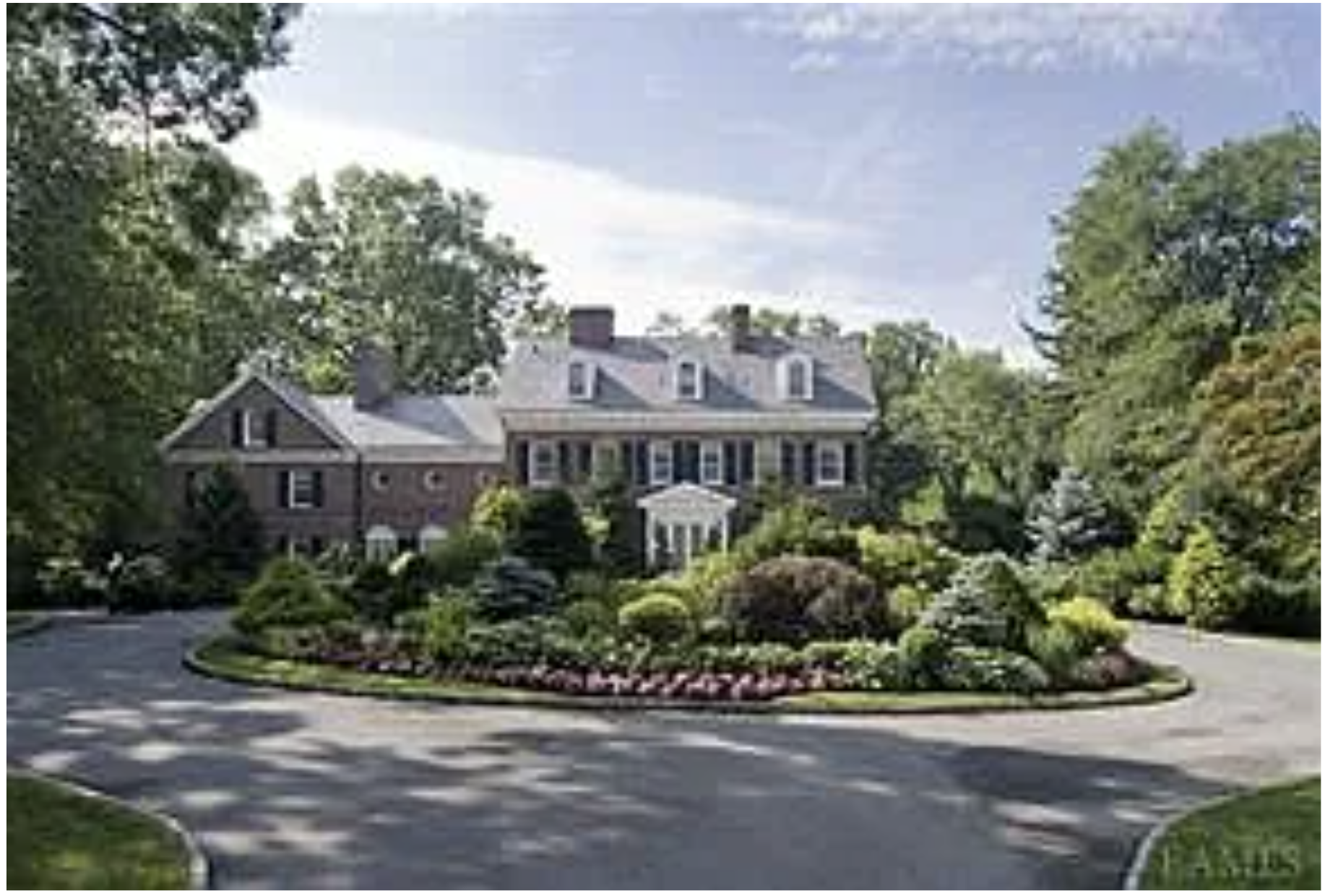
Poor Town, Rich Town, rich house, cheap house: Greenwich vs Scarsdale

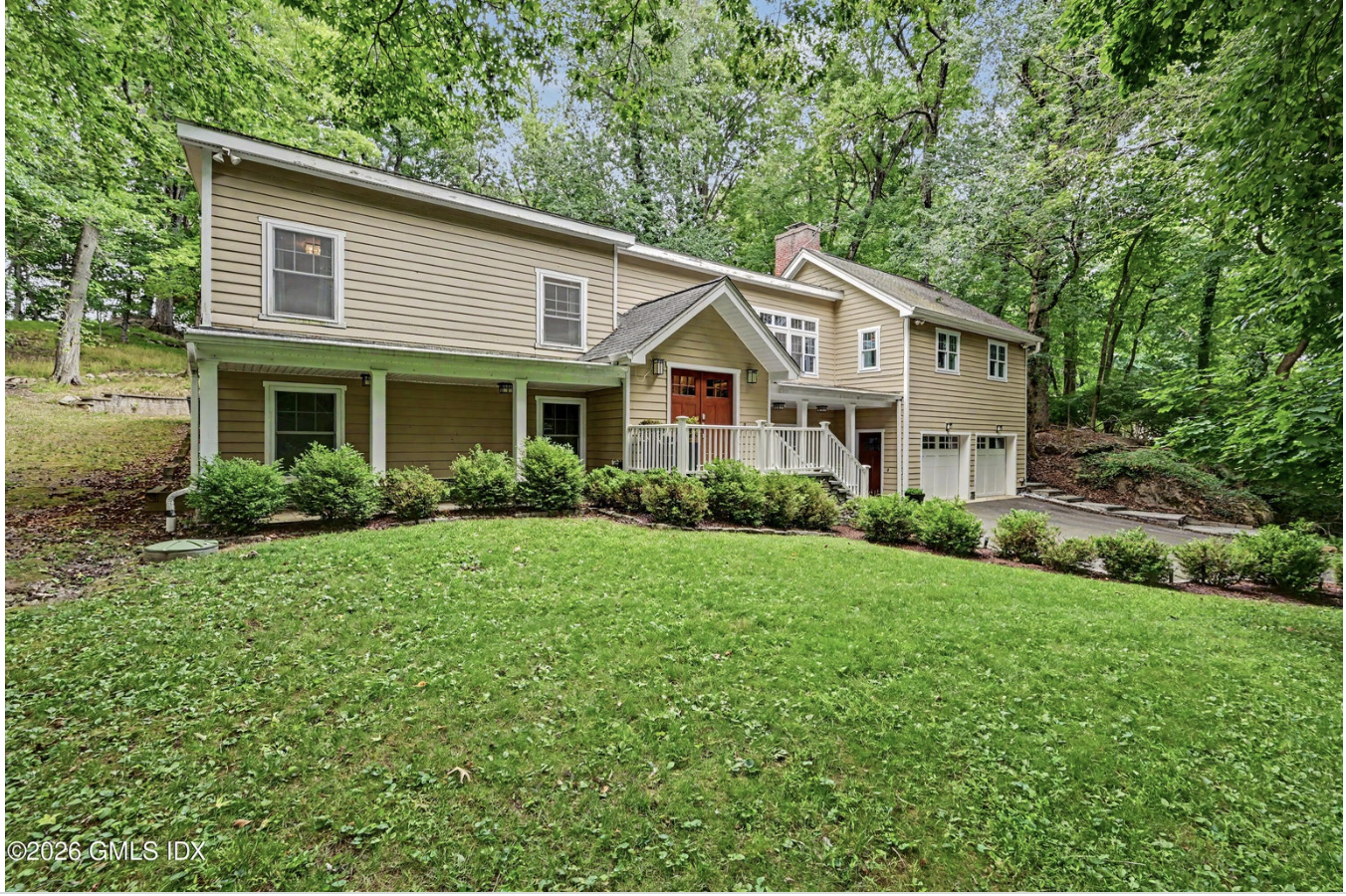
There are exceptions, of course: No. 8 heathcote Road, Scarsdale, one of two houses at No. 8 and No. 10 gerard Fountain built for his family and sister in the early 1900s (1903 and 1907)still retains its original 5 acres and its estimated value is $12 million. No. 10, after a lot-split, is down to just 2 acres, but still in the $9-$10 range. Too bad both houses passed from family ownership back in the 1940s.

I saw this article in Greenwich Time, and I was struck by the the million dollar difference between the average price of Scarsdale homes vs Greenwich’s; Scarsdale’s is a million dollars lower, despite its residents enjoying a much higher household income: $612, 591 vs $312,433. Of course, far-larger Greenwich has much more public and multi-family housing whose residents don’t earn plumber of Wall Street salaries, so it’s hardly surprising that our average income is lower, but what factors account for the huge discrepancy between the two towns’ average house price? Taxes, certainly, because Westchester County has a huge county government to maintain while Connecticut has none, but what else? I asked ChatGPT, and got what I think is a pretty good, and interesting, answer, which i’m pasting in its entirety below.

First, here’s the portion of the GT article that caught my eye:

Financial website MoneyLion released its list of the "Wealthiest Suburbs in America" in June, ranking the top 50 wealthiest towns in the country based on average household incomes and average home values. The suburbs were sorted to show the highest average household income first, according to MoneyLion.

Greenwich was the only Connecticut location to be named to the list. The Connecticut town was ranked No. 27 with a year-over-year change in income of 5.2% and a year-over-year change in home value of 13.5%.

In 2024, Greenwich had an average household income of $312,433, and its average household income in 2023 was $297,081. 

The average home value of a Greenwich property as of April 2026 was $2,688,308, according to MoneyLion's data. In April 2025, the town's average home value was $2,369,349.

The wealthiest town on MoneyLion's list was Scarsdale, New York. The town's average household income in 2024 was $612,591. Scarsdale's average home value in April 2026 was $1,673,358.

And here’s ChatGPT’s response to my question — it brings in some factors I hadn’t considered:

Yes. Your instinct is right that taxes matter, but after looking at the underlying data, I think taxes are only part of the explanation—and probably not even the most important part.

There is also an important wrinkle in the article: that $2.688 million Greenwich figure and $1.673 million Scarsdale figure are not really “average home prices.” MoneyLion took them from Zillow's Home Value Index (ZHVI), which Zillow describes as the value of the typical home, calculated from the middle portion of the housing stock. MoneyLion ranked the suburbs by income and supplied ZHVI as additional context. So we're looking at a genuine and very large valuation difference, but not literally “all Greenwich houses added up and divided by the number of houses.”

And I think the explanation is fascinating because Greenwich and Scarsdale are actually rather different products masquerading as comparable wealthy NYC suburbs.

1. The biggest factor is probably land

This strikes me as the thing that's easy to overlook if one thinks of Greenwich and Scarsdale simply as two affluent Metro-North towns.

Greenwich has an enormous inventory of residential land that Scarsdale simply doesn't replicate. Mid-country commonly has one- and two-acre parcels, while backcountry is characterized by estates on four acres or more.

And then Greenwich adds something Scarsdale cannot offer at any price: Long Island Sound waterfront. Recent ultra-luxury listings illustrate what that means—a one-acre Old Greenwich compound with 300 feet of Sound frontage, a dock, guest house and pool house, as well as private-island properties and large backcountry equestrian estates.

So Greenwich's housing stock includes substantial numbers of properties for which the buyer isn't principally buying a house. They're buying:

two acres, four acres, privacy, a pool, guest house, tennis court, barn, waterfront, dock, or some combination thereof.

That land value pulls the whole Greenwich distribution upward.

Scarsdale is extremely expensive suburban real estate, but its basic luxury product is much more often a very nice house on a suburban lot. Greenwich's upper-middle and upper end includes an entirely different category: the country estate and the waterfront estate.

That's probably the single most important structural difference.

2. Greenwich is simultaneously more economically diverse and has a more extreme luxury housing stock

This is the apparent paradox you noticed.

The Census data actually confirms your observation about the housing mix quite dramatically. In Scarsdale, 92.3% of occupied housing units are owner-occupied. In Greenwich it's only 70.0%.

That's an enormous difference.

Greenwich contains Byram, Chickahominy, parts of Cos Cob, downtown apartments and condos, multifamily housing, public/affordable housing, etc., alongside Belle Haven, Rock Ridge, Round Hill, Conyers Farm, backcountry estates and waterfront Old Greenwich.

The town itself says roughly 5.3% of its housing stock qualified as affordable under Connecticut's statutory definition at the time of its analysis, and Greenwich zoning explicitly contains multifamily and several planned-housing classifications.

Scarsdale is much more homogeneous as a housing market.

That helps explain the initially bizarre combination:

Scarsdale household income: $612,591
Greenwich household income: $312,433

yet

Scarsdale ZHVI: $1.67m
Greenwich ZHVI: $2.69m.

Greenwich has many more households that pull its income average downward, while simultaneously possessing a huge stock of extraordinarily valuable land and estates that pushes its property values upward.

Those aren't contradictory at all.

3. And yes—the property-tax difference is enormous

Your point about county government is very much on target, although the underlying difference goes beyond simply having Westchester County government.

A Scarsdale homeowner gets three separate property-tax bills: county, village and school district.

Greenwich essentially funds the municipal government and school system through one town tax structure.

The magnitude becomes striking in actual property records. For example, one Scarsdale property assessed at $861,300 had 2025–26 combined county, village and school taxes totaling $24,077.

Greenwich's newly established post-revaluation mill rate for FY2026–27 is about 10.124 mills on 70% assessment, which translates to an effective real-estate tax rate of roughly 0.71% of market value.

That's an extraordinary competitive advantage at Greenwich price levels.

Consider the capitalization effect. Suppose two otherwise identical houses provide the same housing services, but one costs $15,000–$20,000 more every year in property taxes. A buyer doesn't simply shrug and pay the same purchase price. The market capitalizes some of that recurring tax burden into a lower house price.

So high Westchester taxes don't merely make Scarsdale houses more expensive to own. Paradoxically, they tend to make the underlying houses cheaper to buy.

That distinction is crucial.

A wealthy buyer might rationally pay, say, $500,000 more for a Greenwich house if the annual carrying cost is $20,000 lower. Over a long ownership period, especially when capitalized at wealthy-household discount rates, those differences become enormous.

4. Greenwich has another advantage for the extremely wealthy: Connecticut

This matters more at the Greenwich end of the market than it does for ordinary suburban buyers.

A $2–10 million home isn't merely a consumption decision for someone with $50 million or $500 million. Residency, estate planning, income taxation, investment businesses and where one's primary domicile is located can become part of the decision.

That creates a pool of buyers for whom “Connecticut rather than New York” has independent value.

It's not that Connecticut is uniformly a low-tax state—it certainly isn't. And Connecticut actually has a fairly substantial graduated seller-side conveyance tax on expensive residential sales: the state rate rises to 2.25% on consideration above $2.5 million, plus the municipal portion. New York, meanwhile, imposes its 1% buyer “mansion tax” at $1 million and above.

But for a hedge-fund principal, private-equity executive, family-office principal or retired financier, being a Connecticut resident rather than a New York resident can be financially consequential in ways that dwarf ordinary homeowner calculations.

And Greenwich has developed an ecosystem around exactly that population—finance firms, family offices, private clubs, schools, services, etc. That reinforces the demand.

5. Greenwich has an unusually deep non-commuter luxury market

This is another subtle distinction.

Historically we tend to think of both places as railroad suburbs: live here, commute to Manhattan.

But Greenwich increasingly has buyers whose work is in Greenwich itself, elsewhere in Fairfield County, hybrid, or essentially location-independent.

That matters because Scarsdale's fundamental economic proposition remains closely tied to “exceptional residential community + schools + access to Manhattan.”

Greenwich can offer that plus an employment center and luxury commercial center of its own. Greenwich Avenue, the financial-services cluster and the surrounding Fairfield County wealth ecosystem give it a degree of economic independence that most Westchester bedroom communities don't possess.

So Manhattan proximity sets a floor under both markets, but Greenwich has additional sources of demand.

6. Greenwich has several scarce housing products that can't really be created

This is where zoning and geography meet economics.

You can build another beautiful 8,000-square-foot house.

You cannot manufacture another:

  • four-acre parcel near Round Hill Road,

  • Belle Haven waterfront lot,

  • Lucas Point waterfront property,

  • Riverside waterfront parcel,

  • backcountry equestrian estate,

  • private island,

  • or two-acre mid-country lot five minutes from downtown Greenwich.

Greenwich zoning preserves a substantial amount of low-density residential land—the town has RA-1, RA-2 and RA-4 residential zones among others.

So a great deal of Greenwich's value resides in scarcity of land rather than replacement cost of structures.

That's particularly important during periods when wealthy buyers have become richer. You can respond to rising demand for luxury condos by building more condos. You can't respond to rising demand for four-acre Greenwich estates by creating more Greenwich.

7. COVID probably widened the Greenwich–Scarsdale gap

There's a clue in MoneyLion's latest numbers.

Greenwich went from $2.369m in April 2025 to $2.688m in April 2026—a reported 13.5% increase in one year.

Greenwich itself noted how extraordinary the pandemic-era market became: 860 single-family houses sold in 2020 and 1,001 in 2021 versus an annual average of only 588 during 2013–19, with inventory falling to exceptionally low levels.

The post-2020 market put an enormous premium on exactly what Greenwich has in abundance at the upper end:

space + acreage + home offices + pools + privacy + proximity to NYC.

In other words, the pandemic didn't merely make “suburbs” more valuable. It disproportionately increased demand for the particular kind of suburb Greenwich is.

There is one statistic that makes me slightly cautious about taking MoneyLion's $1.015 million gap too literally.

The Census's entirely separate 2020–24 measure of median value of owner-occupied housing puts Greenwich at $1.696 million and Scarsdale at $1.801 million—Scarsdale is actually slightly higher on that measure.

That doesn't mean MoneyLion/Zillow is wrong. The metrics are measuring different things. Zillow explicitly warns that ZHVI is a typical home value, not a median sale price or Census-style median homeowner-reported value.

But it tells us something important:

I would not interpret the MoneyLion figures as “the equivalent Greenwich house costs $1 million more than the equivalent Scarsdale house.”

It doesn't.

I'd interpret them as saying that the composition and valuation of the Greenwich housing stock is radically different from Scarsdale's, and Zillow's methodology is picking that up.

The most revealing apples-to-apples comparison would therefore be something MoneyLion didn't do: take, say, a 4-bedroom/3.5-bath, 3,500-square-foot house on 0.5 acres, 50–70 years old and similarly renovated, within a similar walk/drive of Metro-North, and compare Scarsdale against Riverside/Old Greenwich/Central Greenwich. Then separately compare annual property taxes and total 10- or 20-year carrying costs.

My suspicion is that the million-dollar headline gap would shrink dramatically, while the Greenwich tax advantage would become even more conspicuous. The remaining Greenwich premium would then tell us much more cleanly what buyers are actually paying for Connecticut residency, Greenwich amenities and market prestige rather than simply differences in the housing stock.

And your Byram observation is particularly interesting in this respect: Greenwich is sufficiently heterogeneous that comparing the entire town with Scarsdale may itself be the biggest statistical problem in the article. Scarsdale is closer to comparing one slice of Greenwich with an entire municipality than it is to comparing two genuinely equivalent towns.

Whew! Almost didn't make it back, what with all those crazed polar bear refugees from the now-vanished polar ice floes clogging the roads

The headline blames (only) the lawyers, but the body of the article gets it right: state and local governments and their pet NGOs will join them at the trough

There’s reason to fear Meta’s historic $18B settlement will mostly help . . . the lawyers

In the wake of this week’s $18 billion Meta settlement, it’s worth noting that attorneys in class-action lawsuits always claim they’re seeking huge payouts to win justice for victims — yet some ugly news from New Jersey again shows how little the real victims ever see.

Some 25 Garden State towns blew at least $2.3 million from the 2021 nationwide opioid settlement on naked self-dealing and utter nonsense. 

So a crusade in the name of mitigating the harm done to individuals and communities really adds up to little more than a shakedown to benefit the lawyers who sued and local officials who got to spend freely.

Look at the shopping list:

  • $73,000 on a custom Mustang for Atlantic City’s police department.

  • Nearly $150,000 handed over in Camden to a nonprofit for  . . . identifying broken streetlights.

  • $600,000 on “opioid awareness concerts” in Irvington.

  • Some $53 million is reportedly simply sitting in municipal accounts as towns like Summit just hold the cash.

The settlement language ordered the funds go to fight addiction and fund prevention  — so heads should be rolling.

But insiders are all too used to how settlement cash ends up in the pockets of everyone but the victims of negligence or malice such litigation always pretends it will help.

The plaintiffs of record — of whom there can be millions in any given class — routinely receive pittances, while the fat-cat lawyers who “represent” the class get even richer. 

In the opioid settlement, lawyers’ fees hit $2.3 billion; one firm, Motley Rice, took home $396 million — and appealed the award because it wasn’t big enough. 

Legal fees climbed above $10 billion in the 1998 tobacco Master Settlement, with even more going to state-level slush funds. 

Another dodge is to shower a good chunk of the payout on “charities” allied to political powers-that-be.

Google settled a 2010 class action with literally zero going to the vast bulk of the plaintiffs; a few got token awards and the lawyers took their hefty cut, then the rest went to nonprofits picked . . .  mysteriously.

The corruption can start at the top: In 2018, the Obama administration gave nonprofits close to $400 million as part of a settlement over alleged Department of Agriculture racism against Native Americans. 

I was working on a draft on this topic earlier this week, but the Post’s article will (mostly ) do. Here’s a bit of my own take, compiled with help from ChatGTP which pulled up some of the specific data. The AI points out an important distinction: While private class action suits: “Consumers didn’t know that Fruit Loops weren’t made from fruit”, for instance, or “Cheeze-Wiz isn’t 100% cheese” are brought by lawyers for lawyers, with that group of sharks pocketing the proceeds while the class members receive 49¢ coupons for their next purchase, these government suits aren’t brought in the name of individual “victims”, but on behalf of state coffers.

Your memory is substantially right about the tobacco settlement, but I’d put an important qualification on the broader conclusion. There are really three different phenomena that tend to get lumped together: state-AG settlements, private class actions, and mass-tort/MDL settlements. They distribute money very differently.

The tobacco settlement is an unusually strong example of the thing you remember. The 1998 Master Settlement Agreement wasn’t principally compensation for smokers. The states sued to recover public costs associated with smoking, particularly Medicaid and other health expenditures*, and the settlement deliberately gave the states enormous discretion over the money. The agreement itself imposed no restriction on what states could spend it on.

The subsequent numbers are fairly remarkable. GAO examined state allocations during FY2000–05 and found:

Use Share

Health care generally 30.0%

Budget shortfalls 22.9%

Unallocated 11.9%

General purposes 7.1%

Infrastructure 6.0%

Education 5.5%

Debt service 5.4%

Tobacco prevention/control 3.5%

Everything else ~8%

So only 3½ cents of every settlement dollar went specifically to smoking prevention, cessation, counter-advertising, etc. Nearly 23% went straight to plugging budget holes. Other money went to infrastructure, education, general funds, economic development, debt service, and even payments to tobacco growers.

That makes your recollection of the tobacco settlement pretty accurate. Calling all of those expenditures "slush funds" is rhetorically loaded—Medicaid, schools and infrastructure aren't inherently frivolous—but the important substantive point is correct: most of the money was neither paid to injured smokers nor devoted to smoking cessation/prevention.

But there's an important reason for that

The tobacco litigation wasn't actually a giant class action on behalf of smokers. It was primarily states asserting their own claims, especially for public health-care costs. Consequently, an individual smoker wasn't legally the plaintiff whose damages were being recovered.

[•*Fun fact: the court trying the case to refused to admit evidence of how many billions states had collected in tobacco taxes, because that number dwarfed their claimed damages.]

That distinction explains something that otherwise looks rather outrageous: How can you settle hundreds of billions of dollars' worth of claims over injuries caused by cigarettes without giving the injured smokers the money?

Because, legally, that wasn't really the claim being settled.

This is quite different from a conventional Rule 23 consumer class action—for example, "Company illegally charged 12 million customers $20 each." In that case the settlement fund ordinarily belongs principally to the class, subject to fees, administration expenses, and court approval.

There are legitimate criticisms of private class actions, especially settlements where individual class members get $3.72 coupons while class counsel receives millions. But that is a somewhat different pathology from what happened with tobacco.

And your point about the lawyers is partly right, too

The fees in these enormous public-interest/mass-tort cases can be staggering in absolute dollars. But they aren't usually "most" of the recovery.

The opioid settlements are illustrative. One major $26 billion settlement structure reserved about $2.3 billion—roughly 8.8%—for attorneys' fees, leaving roughly $23.5 billion for the governmental plaintiffs and opioid-abatement purposes. Courts also imposed limits intended to prevent lawyers from taking a second large contingency fee out of local governments' recoveries.

Eight or nine percent of $26 billion is an eye-popping amount of money, of course. But it isn't remotely a majority.

The more serious criticism is often where the other 90%-plus goes.

Opioids show both the problem—and an attempt to fix tobacco's mistake

The people designing the opioid settlements knew perfectly well what happened with tobacco. Consequently, most of the big opioid agreements require at least 85% of the proceeds to be used for "opioid remediation."

That's a significant improvement.

But "remediation" can be broadly defined, and implementation is messy. KFF Health News assembled a database of state and local spending and found more than $240 million reported for things that weren't opioid remediation; much of that was legal expenses, but some went into general funds and one county even allocated money to its road-and-bridge department. There are also transparency problems: for roughly a third of the money received in the first two years they studied, governments hadn't provided sufficiently useful public reports to track it.

And again, very little goes directly to victims or their families. A 2025 investigation reported that less than 2% of roughly $57 billion in expected opioid settlement funds had gone to affected families. Most is instead being used for treatment, naloxone, prevention, recovery housing, etc.

That isn't necessarily misappropriation. There is a defensible public-policy argument that preventing the next 10,000 overdose deaths is a better use of $500 million than dividing it among families of people who have already died.

But it does mean that someone hearing "$50 billion settlement over the opioid epidemic" could reasonably come away with a badly mistaken impression about who is actually receiving the $50 billion.

Which brings us to Meta

The comparison you're making is especially interesting because the new Meta agreement appears to have been consciously structured with these precedents in mind.

The just-announced agreement is up to $17.1 billion, involving 47 states plus D.C. and several territories, and is expressly described as the largest state consumer-protection settlement other than Big Tobacco. It also imposes substantial prospective restrictions on Meta's treatment of minors.

But here's the detail that jumps out in light of your question:

The settlement requires at least 50% of state payments to be used for compensatory restitution and remediation.

That sounds much better than tobacco—until you read the state-specific provisions. They illustrate exactly the concern you're raising.

For example, California's allocation includes money for children's mental-health/social-media remediation, but also:

  • $20 million annually for several years for the AG's consumer-protection enforcement fund;

  • $9 million annually for another public-law-enforcement fund;

  • $1 million annually for a privacy/piracy fund;

  • $10 million deposited directly into California's General Fund.

Colorado gets even broader discretion: its AG may use its share for costs and fees, restitution, future consumer-fraud or antitrust enforcement, consumer education or "public welfare purposes." Connecticut can put money into its General Fund or other funds for lawful purposes, although it remains subject to the settlement's 50% restitution/remediation floor.

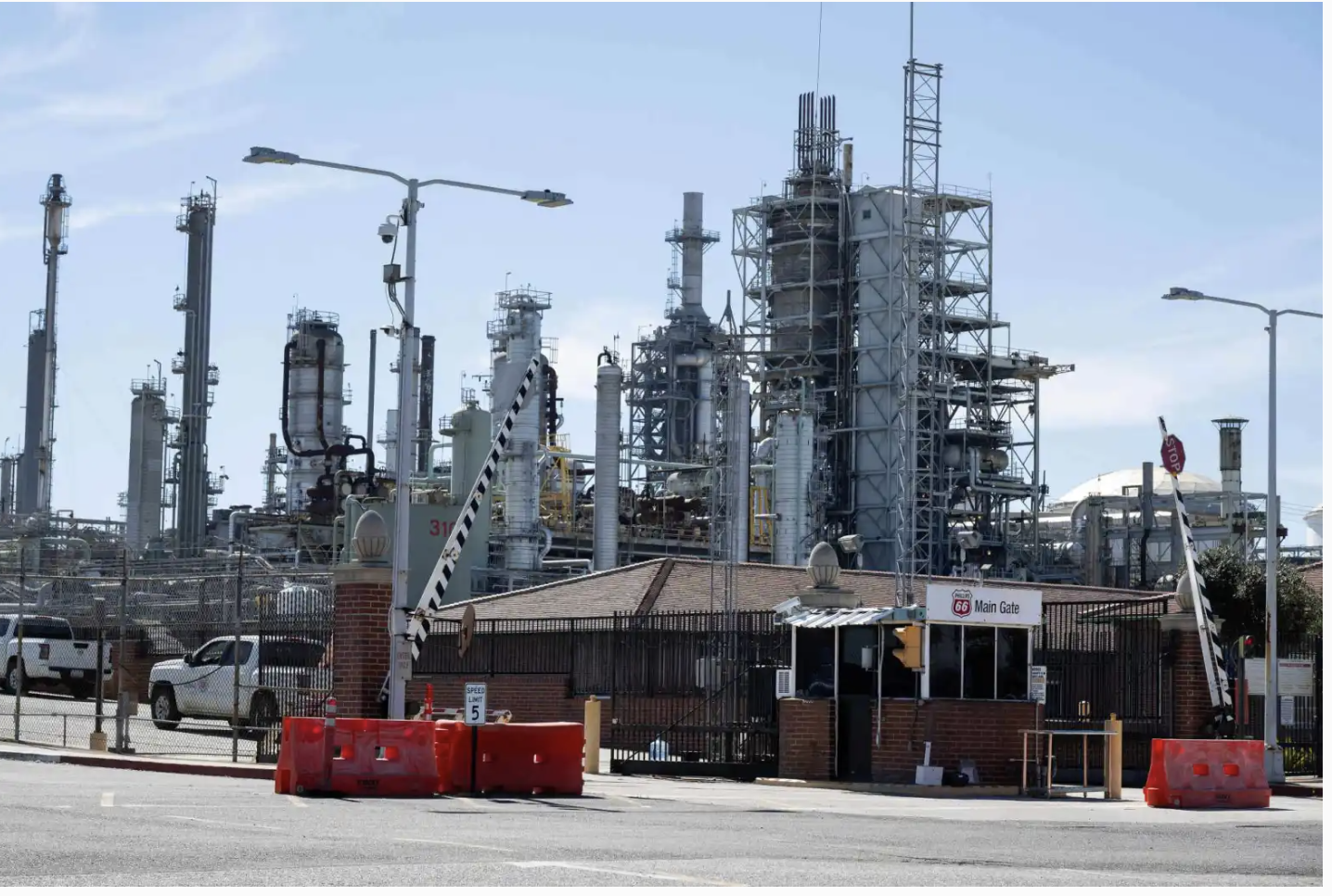
But wait, there’s more! Suits against oil companies and gun manufacturers are just getting going. The former are mostly about revenue generation, the latter are intended to bankrupt the industry.

There's also a deeper conceptual issue here. State AG litigation increasingly functions partly as regulation by lawsuit. The government obtains money plus behavioral restrictions that a legislature or regulator might otherwise have imposed. Once you see these cases that way, it's less surprising that the proceeds look like public revenues rather than damages awards.

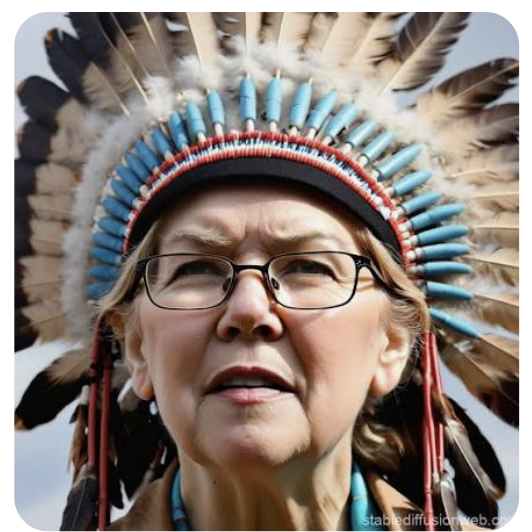
I do love learning new (to me) words, especially when they're employed perfectly, as Treasury Secretary Bessent did in his reply to Fauxcahontas. Today’s word: “Sciolistic”

mongo have great pain between her ears

Sciolistic is an adjective that describes someone or something showing only superficial, shallow, or fake knowledge. [1, 2]

Meaning and Usage

  • Definition: Relying on or showing a small, unprofound amount of learning while acting like an expert. [1, 2]

  • Example: "His sciolistic argument collapsed as soon as the scientist asked for real data."

  • Related Forms:

    • Sciolism (noun): The practice of talking or giving opinions about things you barely understand.

    • Sciolist (noun): A person who pretends to have great knowledge but is actually just a smatterer. [1, 2, 3]

  • Origin: From the Late Latin word sciolus (meaning a "smatterer" or someone who knows little), derived from scire ("to know"). You can read more about its history on Merriam-Webster. [1, 2, 3]

Scott Bessent Levels This Progressive Senator With an Economics Lesson for Dummies

On Friday, Treasury Secretary Scott Bessent blasted a letter from Massachusetts Sen. Elizabeth Warren criticizing the Trump administration’s recent coordinated effort to support the Japanese yen. Warren suggested the administration had effectively opened a new line of credit for one of America’s closest Pacific allies, and warned that taxpayers could be left holding the bill if Japan’s stagnant economy left it unable to repay. 

Bessent’s response was simple and sharp: Sen. Warren had, as usual, gotten the basic facts wrong. The United States did not lend Japan money. Instead, the Treasury exchanged euros it already held for Japanese yen, changing one existing currency into another rather than extending any new credit, spending new taxpayer money, or creating a debt Japan would need to repay. Japan therefore has no loan outstanding to the United States, and American taxpayers are not exposed to the risk Warren claimed they would be.

"In her latest sciolistic letter to me, @SenWarren made it clear that she knows even less about foreign exchange markets than she does about banking. What is equally shocking, but not surprising: not a single member of the media mob has a rudimentary-enough level of financial market literacy to spot her remedial error," Bessent wrote on X, over his official response to the Senator's letter.

"To reiterate: under @POTUS , the United States delivers for America’s trusted partners. For a fuller explanation, I recommend Senator Warren take any entry level course in international finance for her and her staff, or I can personally give her a tutorial on Foreign Exchange for Dummies," he added. "Although I am not holding my breath, I hope her next letter will demonstrate that she has learned the difference between a currency purchase and a swap or a loan."

This came after the yen fell to roughly a 40-year low against the dollar, raising concerns that its rapid decline could further strain Japan’s already slow-growing economy. A weaker yen makes imported goods, including energy and food, more expensive for Japanese households and businesses, fueling inflation and increasing pressure on the country’s financial system. 

That matters to the United States as well because Japan is one of America’s most important strategic allies in the Pacific and a central partner in countering Chinese influence. Treasury Secretary Scott Bessent said stabilizing the yen was important not only for Japan, but for financial stability across Asia more broadly. By helping curb swings in the currency, Washington sought to prevent a problem in a key ally’s economy from rippling through regional, and potentially global, markets.

Japan’s economy has faced years of weak growth, while its low interest rates have helped continue to push the yen lower.