King Street sale
/1365 King Street, land (2 acres in R-4 Zone), asked $1.5 million, sold for $1.6 million to a New Canaan buyer. (builder?)
Greenwich, Connecticut real estate, politics, and more.
Greenwich, Connecticut real estate, politics, and more
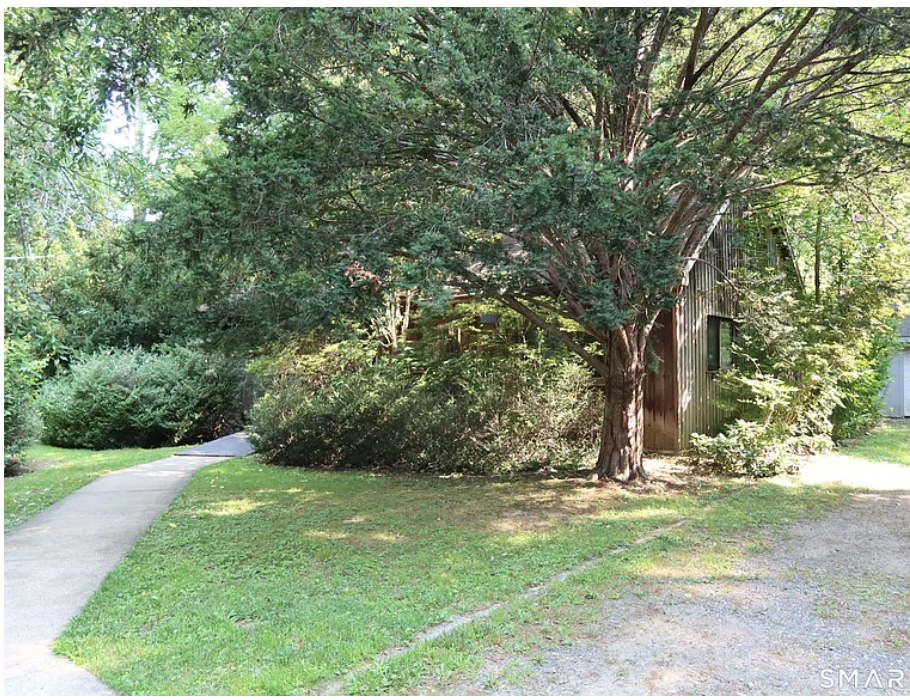
1365 King Street, land (2 acres in R-4 Zone), asked $1.5 million, sold for $1.6 million to a New Canaan buyer. (builder?)
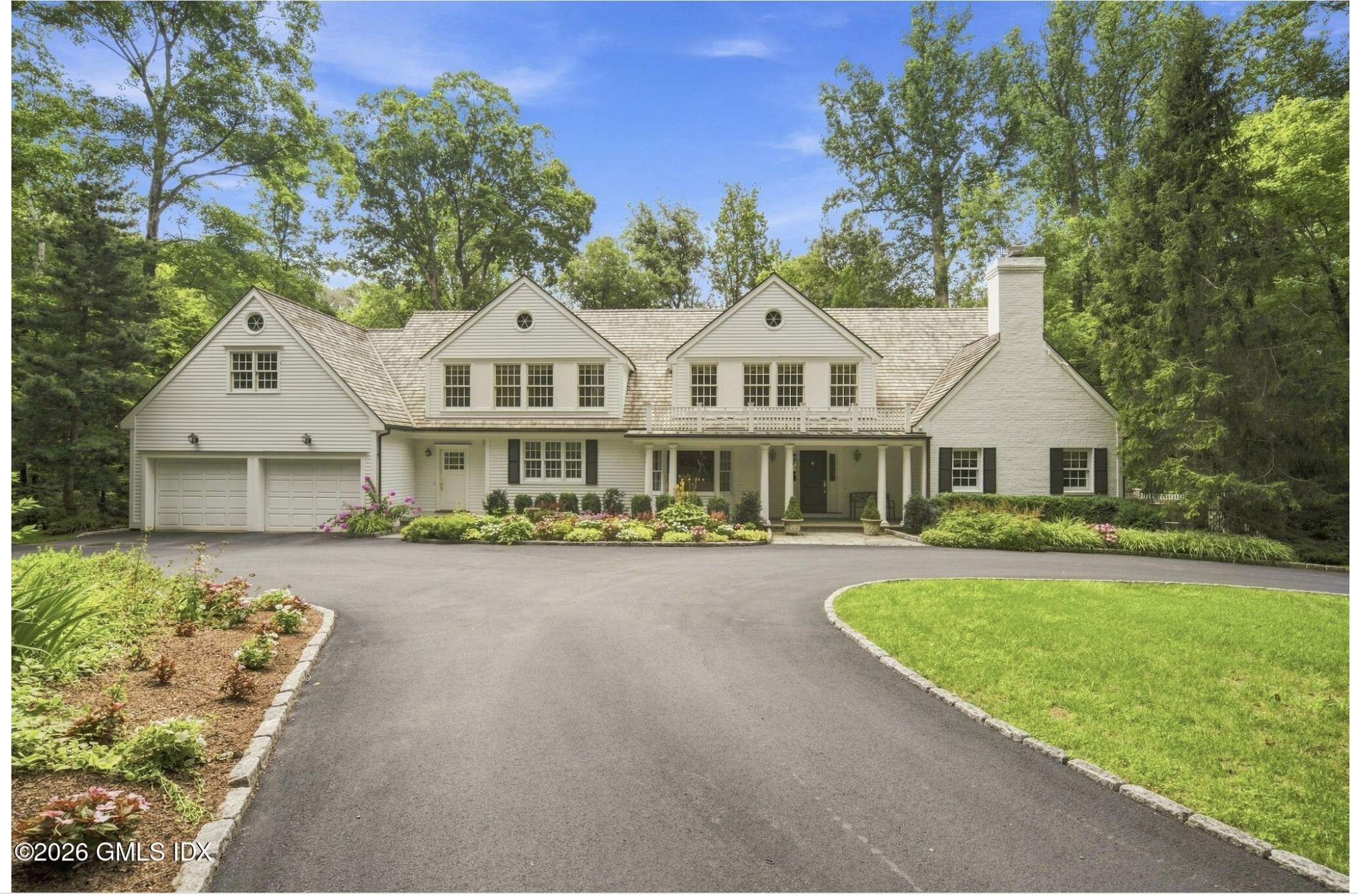
739 Lake Avenue, $4.5 million. Built in 1978, updated in 2001 and it’s got the gold bathroom fixtures to prove it. It’s a back lot, but that can be a feature, not a bug, on a busy street like Lake.

The press release describes it as a non-profit organization, the owner’s website says otherwise. Anti-disirregardess, I predict that the owner’s business will soon be as obsolete as a Kenyan test taker— if it isn’t already, so its non-profit status may be more apt than the proprietress intended.
I wish this Cos Cob writer well, of course, but her promise that “there’ll be no AI” probably dooms the enterprise from the start.
Besides, these kids will need practice using AI to be prepared for college: I’ve been seeing dozens of articles like this one:
Commenting on our newest residents’ piscatorial practices, reader Hank wrote:
Reminds my when I was a kid a few of us would take one of our Skimmars, go under the Mill St. bridge over the Byram River at night, catch pigeons, stuff them into a burlap bag and sell them to the China Lang restaurant in Port Chester for a quarter each.
I don’t know what stirs your mind at 4:00 AM, but Hank’s anecdote got me wondering about a critical side issue, so I asked ChatGTP:
Q. A reader of mine mentioned that, back in the early 60s, he and his friends would capture pigeons under a local bridge, "stuff them in a burlap bag" and sell them for a quarter to the local chinese restaurant around the corner. Ah, good times, but the thought occurred to me: what happened to burlap bags? Seems to me that we always had a few of them hanging around in our (suburban, not rural) garage, and put them to use for a variety of purposes. Obviously, or I assume it is, they were replaced by plastic sacks and packaging, but when did that occur, and is there still a burlap bag industry?
A.
Yes—your memory is tracking a real and fairly abrupt change in American material culture. Burlap sacks were still utterly ordinary in the early 1960s, and then largely disappeared from everyday American life during the late 1960s and 1970s. They didn't become obsolete, though. There is still a substantial jute/burlap industry; it just migrated out of the suburban garage and into some fairly specific commercial niches.
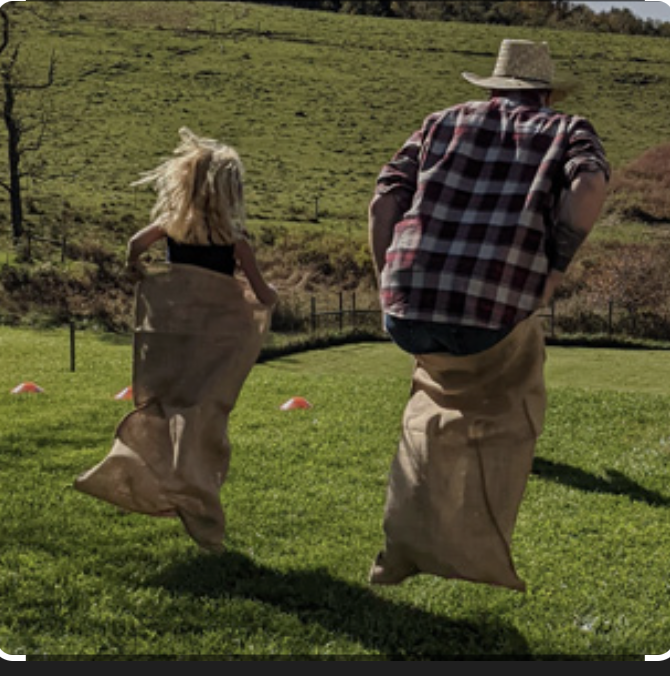
The important distinction is that burlap wasn't primarily a household product. Those sacks accumulated in garages and basements because enormous quantities of ordinary goods arrived in them: potatoes and onions, feed, seed, nuts, coffee, various agricultural products, industrial materials, etc. A sack would enter the local economy as packaging and then acquire a second life. Hence the garage supply. People used them for leaves, garden work, protecting shrubs, hauling junk, storing things, sandbags, Halloween costumes, sack races—and, evidently, pigeon commerce.
There wasn't a single moment when America "switched from burlap to plastic." In fact, paper got there first. Multiwall kraft-paper sacks had already taken a substantial portion of jute's traditional packaging market in the 1950s. Plastic film began competing seriously with jute in the early 1960s. Then woven polypropylene—the familiar tough woven-plastic sack—became the real killer in the late '60s and '70s.
A remarkably good contemporary snapshot comes from a World Bank study of the American jute market. It says that polypropylene manufacturers entered the commercial packaging business "in full strength" around 1969. U.S. consumption of burlap and cotton for bags then fell sharply in 1969–71, while polypropylene-bag material went from about 70 million square yards in 1970 to an estimated 150 million in 1972. At the same time, disruptions in imported burlap supplies and rising jute prices made the old sacks increasingly uneconomical.
An EPA study from essentially the same period describes the transition as it was happening: disposable paper and plastic bags were replacing textile sacks because they were cheaper, strong, and moisture-resistant; woven polypropylene was also lighter, stronger and more resistant to rot and chemicals than burlap.
So if somebody remembers burlap sacks everywhere in 1962 but hardly at all by 1978, that isn't just nostalgia playing tricks. He lived through the transition.
There was another, less visible change too: bulk handling eliminated the sack altogether. Grain, fertilizer and other commodities increasingly traveled in bulk trucks, railcars, bins, pallets and larger containers rather than being divided into scores of individual sacks. A later World Bank survey found North American burlap imports dropping from roughly 250,000 tons annually in 1964–66 to about 80,000 tons in the early 1980s. It attributed the decline both to paper/plastic substitution and to the move toward bulk handling.
That's probably the missing piece in your recollection. Plastic didn't simply replace every burlap sack with a plastic sack. A lot of sacks vanished because the distribution system stopped requiring sacks at all.
"Burlap" is essentially the American name for the coarse woven fabric usually made from jute; "hessian" is the term you're more likely to encounter in Britain and international trade. Jute remains a very large agricultural and manufacturing business centered particularly in India and Bangladesh.
And surprisingly large. India reports producing about 1.28 million metric tons of jute goods in FY 2025–26, with about 1.2 million tons consumed domestically. It has 120 composite jute mills and roughly 370,000 people directly employed in mills and diversified jute manufacturing, in addition to millions of farming families dependent on the crop.
A great deal of that production is still sacking. Indian industry figures for 2024–25, for example, record about 933,000 metric tons of sacking versus only about 101,000 tons of the lighter fabric classified as hessian.
And you've probably encountered genuine burlap sacks recently without thinking much about them. Green coffee beans are still commonly shipped in jute sacks, as are cocoa and some other agricultural commodities. There are American companies today selling traditional burlap coffee sacks alongside modern polypropylene bulk bags. In fact, the European coffee and cocoa industries issued a new specification for food-contact jute bags just this year.
So I'd date the phenomenon you're remembering approximately like this: ubiquitous through the 1950s and early '60s → rapid displacement beginning in the later '60s → conspicuously disappearing during the 1970s → largely a specialty/commercial material in America by the 1980s.
And there is a nice irony to the story. Burlap lost because the new disposable materials were cheaper, lighter, cleaner and more convenient. Half a century later, jute is being promoted again precisely because it is natural, biodegradable and reusable, while its plastic replacements have become an environmental problem.
The burlap bag didn't really die. We just stopped bringing its contents home in one—which meant we stopped getting the bag for free.

or perhaps it was written to order by a kenyan
Ask communists to explicitly describe what communism would be like. The answers are hilarious.
— Reddit Lies (@reddit_lies) September 6, 2026
> Everyone gets a modern urban apartment in a city, no cars
> You don't have to work
> Things are just produced so everyone has stuff somehow
> People work because of a 'sense of… pic.twitter.com/KzG2nT0c8k
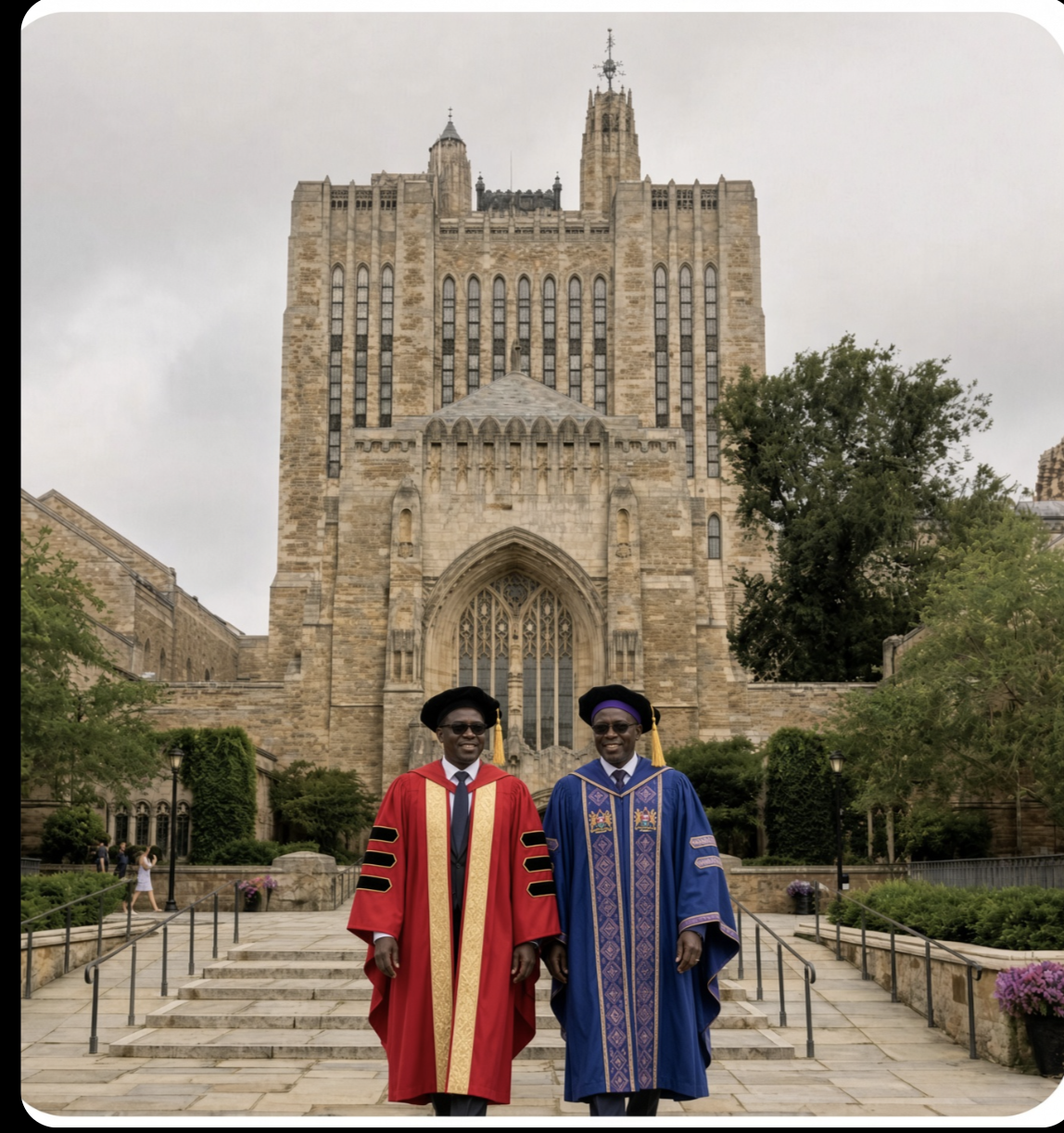
off to take Biff’s and penelope’s examinations
"AI has destroyed Kenyan jobs because American college students no longer hire them to write fake college essays" is not a framing I expected even the NYT to have pic.twitter.com/7DlifkjLE2
— Trevor McKendrick (@TrevMcKendrick) September 7, 2026
AI Overview
Total outstanding student loan debt in the United States is approximately $1.86 trillion.
Education Data Initiative
Breakdown of the Debt
Federal Student Loans: About $1.72 trillion, which makes up roughly 91% of all student debt.
Private Student Loans: About $138.8 billion to $166 billion, which makes up the remaining 7% to 9%.
Total Borrowers: Roughly 42.6 million Americans hold federal student loan debt.
Average Balances: The average federal debt per borrower is about $40,467, while total balances including private loans can average up to $43,521
UPDATE: PowerLine’s John Hinderaker has more on the NYT article. His conclusion is the same as mine, basically.
In this case, by making cheating cheaper and more efficient. The New York Times headlines: “Kenyans Did College Students’ Homework for Years. Then A.I. Arrived.”
Hailing from a farming village in Kenya, Mr. Bundi moved to the capital, Nairobi, in 2011 to be the first in his family to attend university. There, a friend suggested he try a new online job: writing essays for cheating overseas college students.
***
Mr. Bundi estimates he wrote more than 2,500 essays over the next 12 years, sometimes three a day. He balanced completing his public health degree with helping faraway students studying engineering, medicine and computer science to finish theirs. Some students gave him their school login information so he could keep up with their assignments.Alas, those halcyon days are over:
In 2022, OpenAI released ChatGPT. At colleges worldwide, students made a simple calculation that has become more pronounced today: Why pay a freelancer in Kenya when ChatGPT could do the job?
Essay work began to thin. Rates fell, and assignments dwindled. Before long, the industry shrank to almost nothing. “I never would have expected A.I. could do this,” Mr. Bundi said.
Is that a sad story, or what?
Actually, it is one more reminder of the corruption of “higher education.” A side benefit of AI might be a total rethinking of our education system.

you want a Third-world culture, bring in the third-world
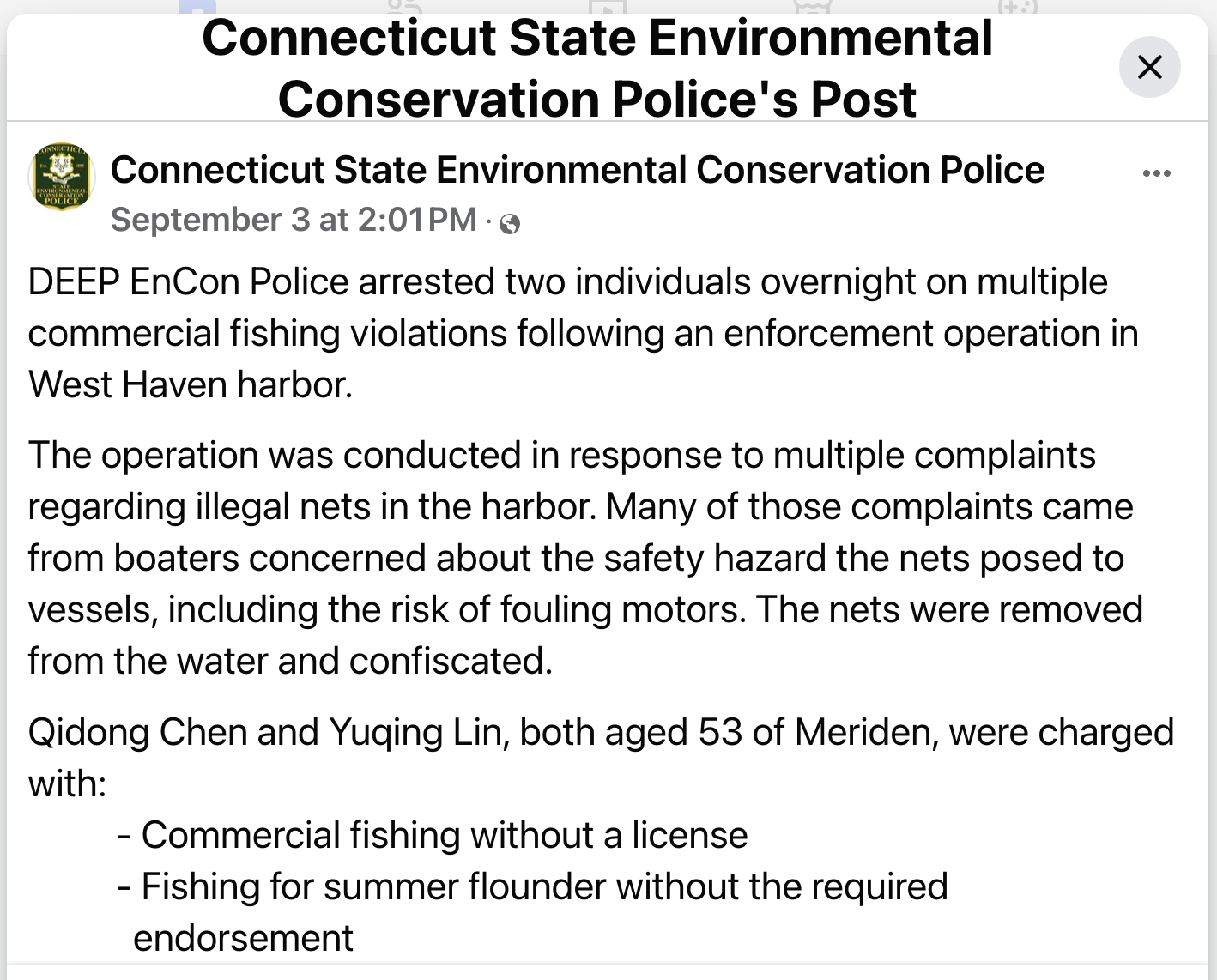
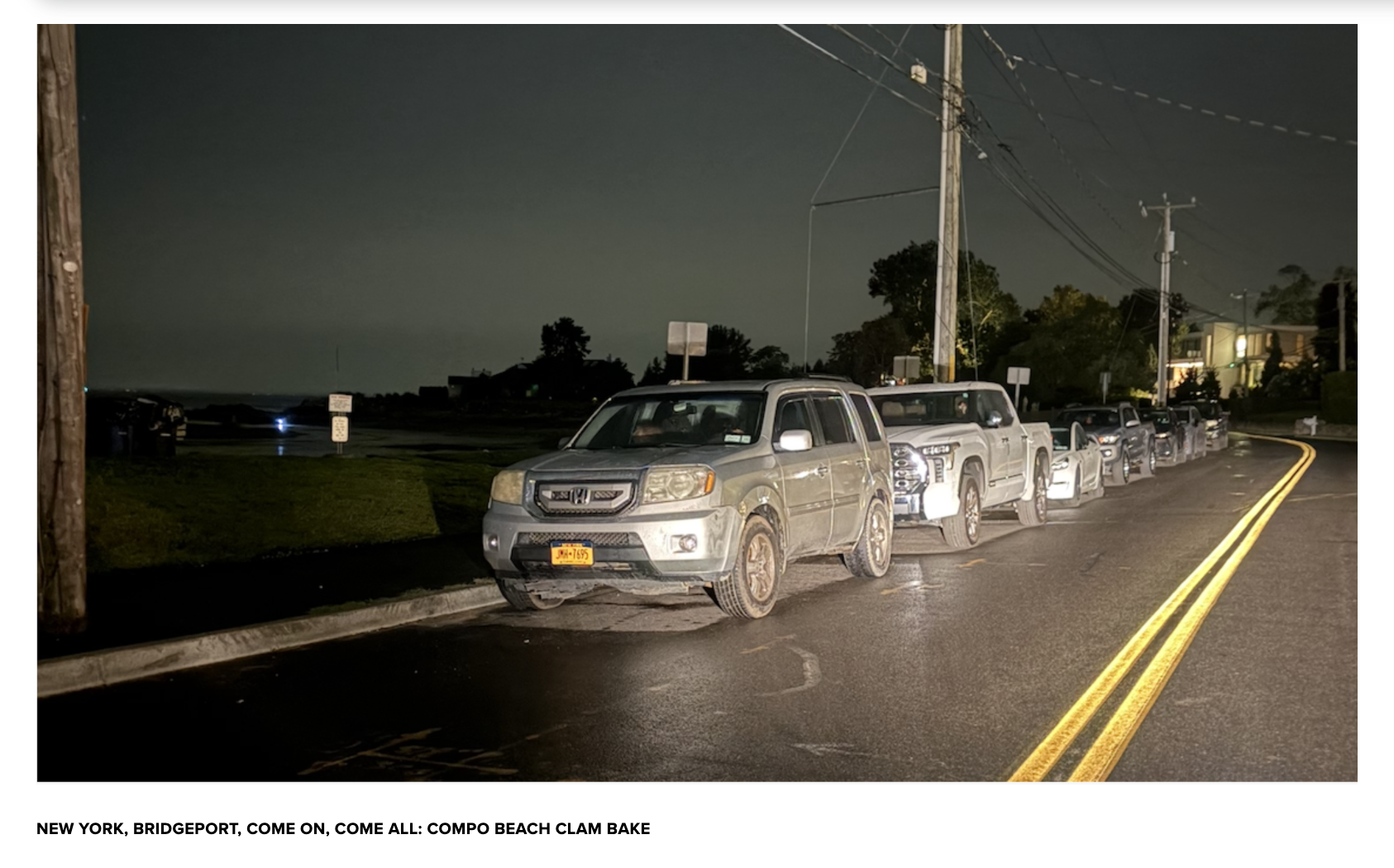
Not content with illegally stripping the world’s fisheries (“Chinese deep-water fishing fleet is the world’s most rapacious”) our new Asian friends have brought their country’s fishing tactics to their new home. (Hint: cormorants are not involved.)
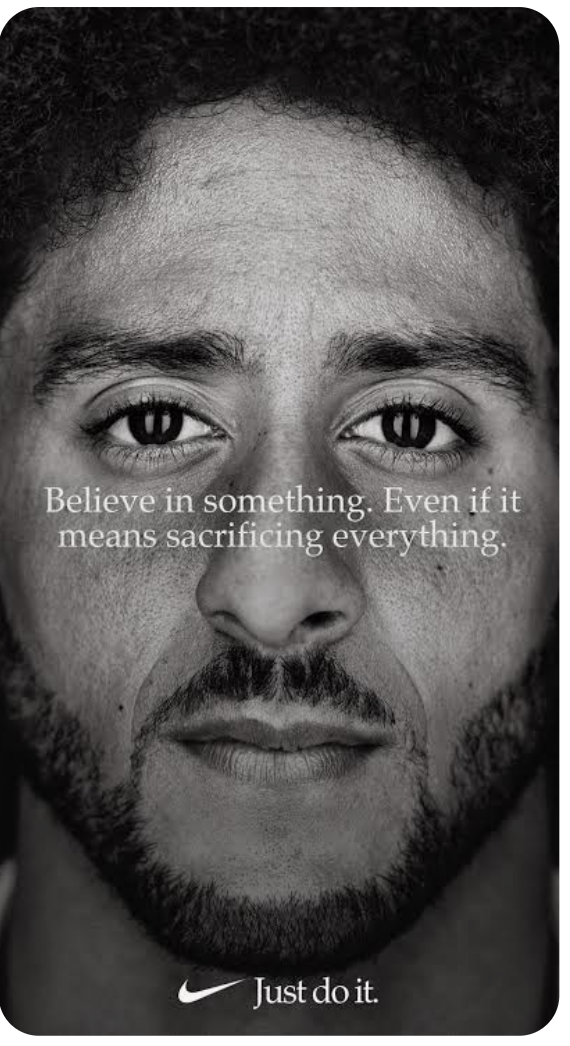
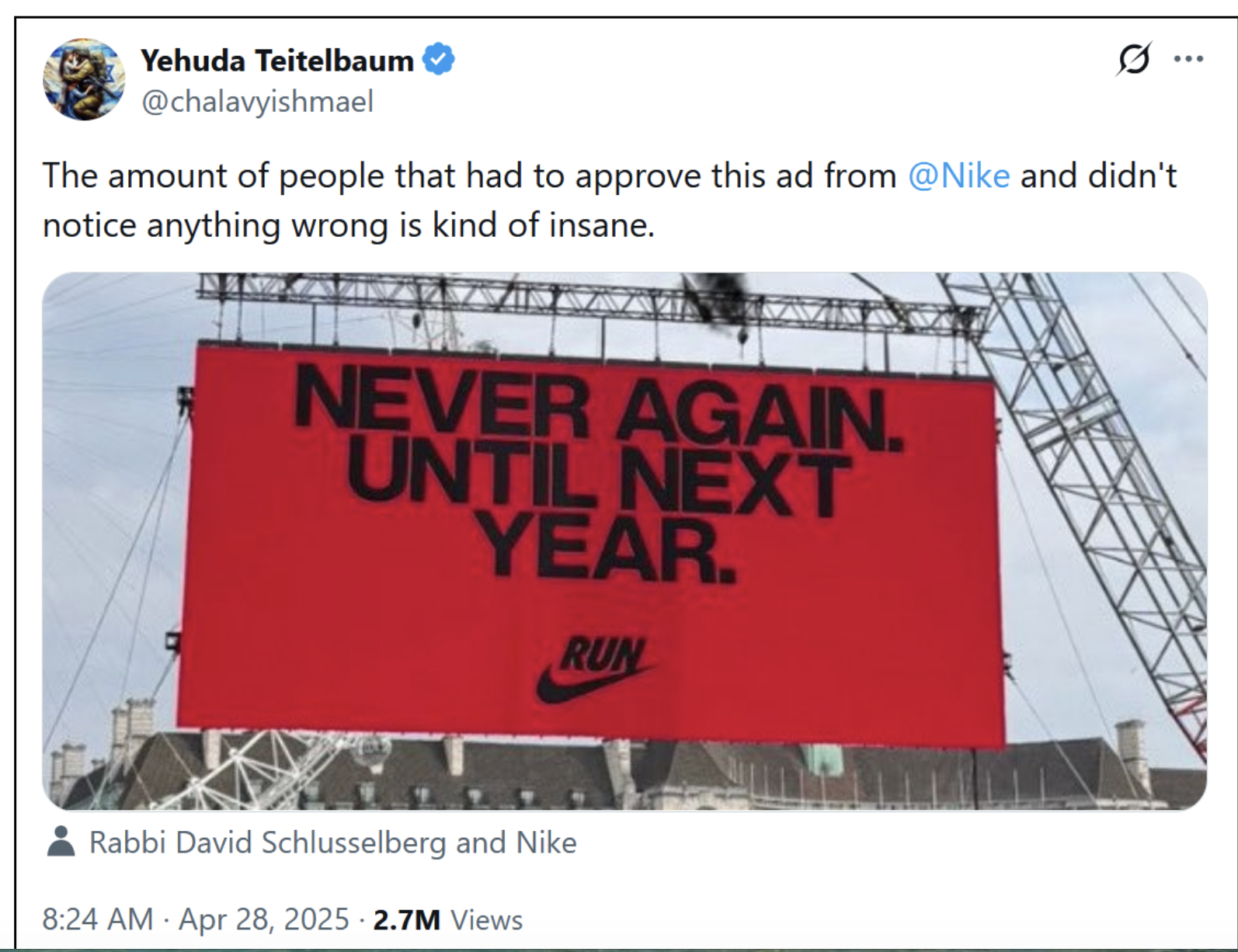
Many reasons, but driving away 1/2 your customer base can’t help.
In a sign of the changing times, the S&P 100 is delisting Nike. To reiterate, the S&P 100 – not the S&P 500 – is delisting Nike, which is a reflection of the company’s poor performance on Wall Street and elsewhere. If you want to buy a share of the stock these days, it’s floundering around $38 to $40 per share, which is as low as it’s been in about 12 years. The delisting will take effect Sept. 21.
That’s a 75% drop from its peak in 2021 ,,..
As for Nike, its problems are multifaceted. From a business perspective, the company hired a bean counter and not a sports or marketing visionary to run the company. The bean counter shook up his management team and many of its long-standing partnerships and distribution channels. This provided opportunities for the company’s competitors.
Nike is as much a fashion brand as an athletic performance shoe company. Things go in and out of fashion every day as fickle consumers’ tastes change. For the longest time, just having that Nike swoosh logo on a shirt or a hat or your shoes was enough to signal that you’re on trend, that you buy a certain quality, and that you maintain a certain image.
This branding was reinforced by Nike's status as the dominant sponsor of the major pro athletes in sports. From Tiger Woods to Michael Jordan, if you were a pro athlete, you weren’t “somebody” until you got that Nike shoe contract.
{FWIW: years ago, the Wall Street Journal published an article on the collapse of Izod, and quoted an analyst who said she’d liquidated her entire position in the company when she learned that 75% of its sales were to teenage girls: “nothing changes faster than 16-year-old girl’s tastes”.]
Nike founder Phil Knight is still as important to the Nike brand as Richard Branson is to Virgin Atlantic, and as the late Hugh Hefner once was to Playboy. But Knight is 88 years old now. Branson is 76, and Hefner is long gone, along with the relevance of his brand.
People get old, and if they’re personally integrated into a brand built around youth-driven disruption, the brand starts to be seen by younger demographics as an older brand. Michael Jordan is long retired. Tiger Woods will never again be the Woods who sold a lot of red golf shirts.
Young people aren’t sitting for appointment TV anymore. Even when they watch sports, the advertising isn’t hitting in the same way as it used to. You have to do different things to appeal to the demographics Nike’s targeting, but the kind of things you can do and should do aren’t that expensive when compared to a Super Bowl ad. That levels the playing field for competitors who, in the past, couldn't keep up with Nike's spending in order to compete. We're talking about digital, online, and social media marketing as well as influencer marketing, among other tactics.
BREAKING: Nike is set to be removed from the S&P 100 after nearly 18 years.
The stock is now down almost 80% from its 2021 peak, turning one of the market’s most iconic consumer brands into one of its biggest recent disappointments. pic.twitter.com/3uJNIxcg4j
— I Meme Therefore I Am 🇺🇸 (@ImMeme0) September 5, 2026
In the end, to climb back into the S&P 100, Nike would have to generate significant revenue increases, address its China manufacturing and marketing challenges, and improve profit margins. Again, “Duh?!”
To do that, however, it will have to do something all of the world’s most successful brands have had to do, and that is to reinvent itself without discarding the things that give it a fighting chance. Don’t change the logo. In fact, think about bringing some things back, like the “Just Do It” slogan with a fresh approach. The key is for Nike to get back to its roots — to shake up the marketplace. To be a disruptor once again. But don’t disrupt in such a way that you alienate half your market.
By that measure, the company should heed the advice of the brand’s number one superstar of all time, Michael Jordan, who once said, “Republicans buy sneakers, too.” Words to live by, and to build a brand around, if I may say.
“A dynasty that makes Alexander the Great look like Alexander the Okay.”
— Ian Miles (@ianmiles) October 11, 2024
Nike embraces anti-white wokeness with its latest ad. You are witnessing corporate pandering to black resentment the likes of which you’ve never seen. pic.twitter.com/YcBSwGCx1p
BREAKING: Nike is set to be removed from the S&P 100 after nearly 18 years.
— I Meme Therefore I Am 🇺🇸 (@ImMeme0) September 5, 2026
The stock is now down almost 80% from its 2021 peak, turning one of the market’s most iconic consumer brands into one of its biggest recent disappointments. pic.twitter.com/3uJNIxcg4j
UPDATE:
OMG!! No wonder.
— Juanita Broaddrick (@atensnut) September 6, 2026
What’s that phrase? Oh yeah……
“White liberal women.” https://t.co/TEDpQPWsH8

Although I suppose we could have just as easily expected a lawyer or Wall Street trader
The slur-spewing plane passenger who was duct-taped and zip-tied to his seat after an alleged mid-flight meltdown has been identified as an Arizona realtor.
Layne Arthur Lundeen, 67, of Tucson, forced American Airlines flight 618 from Dallas to Newark to land prematurely in Baltimore after his obscene outburst Thursday night — during which the bigot hurled the N-word at a flight attendant and spouted anti-gay insults, according to police.
Lundeen’s LinkedIn said he was a vice president at Long Realty in Tucson, however, his profile had been scrubbed from the site.
It’s probably wise to stop at 16 of those little nips while flying.
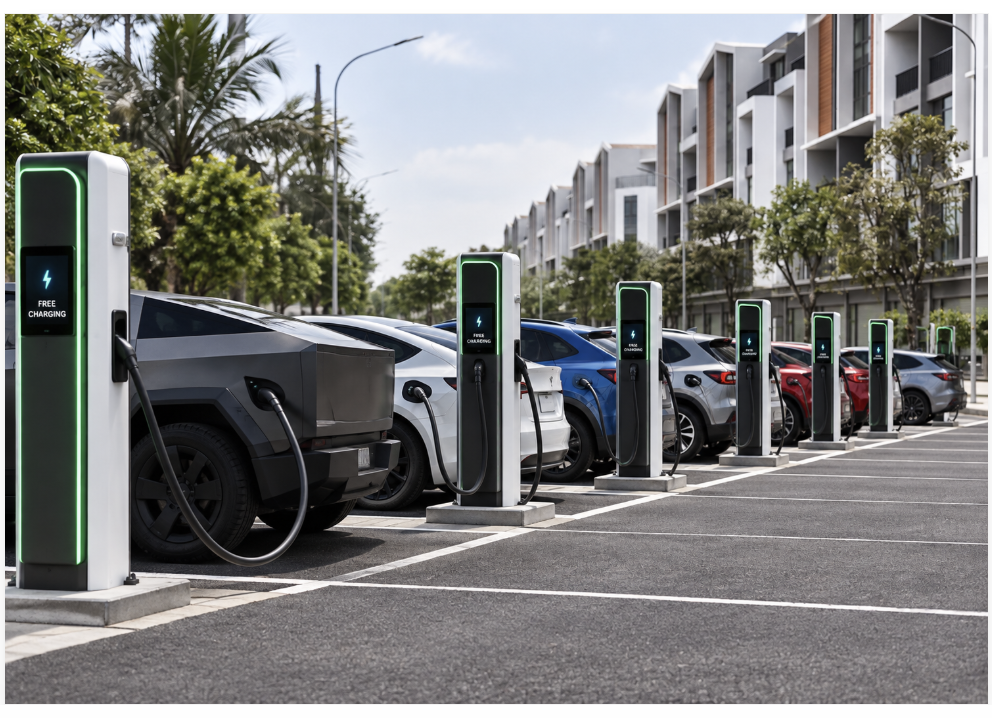
If we did indeed have 70 households plugging in 70 cars to charge while they are cooking dinner and putting on the electric heating when they come home from work, we would certainly exceed the capacity of the local supply circuits built to support those households.
Fortunately, three things help.
The first is simple diversity. People get home at different times, cook dinner at different times, put on the heating at different times, and so on. That spread is easy to measure and remarkably predictable.
The second is that EV chargers in countries with modern regulatory systems have smart charging, so the charging can be automatically set to start when other demand is lower. I tell my EV charger that I need the car at 7am tomorrow morning, and it schedules the charging to complete by then, typically charging between about 1am and 6am.
The third is that electricity supply companies in open markets set dramatically different prices that reward avoiding that peak period of demand, whenever that is. I pay 1/4 of the daytime price for scheduled overnight charging, so I am strongly incentivised to use it.
There are still problems. Californians, for example, have proven less amenable to price signals than you might expect, and also are prone to using “dumb” scheduling with their vehicles that creates a demand peak at midnight if they schedule at all. But that behaviour does seem to be changing.
The writer’s optimistic answer notwithstanding, cities are going to need massive overhauls of their local electrical infrastructure, especially when NY State's, California’s, and the People’s Republic of Berkley’s mandate for all-electric housing takes effect.
Of course, it may not be the problem it appears to be at first blush, because street bums will strip the chargers of their copper wiring within weeks, and the EVs won’t require any electricity at all while they’re immobile in their parking spaces.
Be notified of new posts! Sign-up here: