Pending on Old Forge
/9 Old Forge Road, 1967 ranch but nicely kept up to date, initially priced at $3.250 but went via “final and best”, so … more.
Greenwich, Connecticut real estate, politics, and more.
Greenwich, Connecticut real estate, politics, and more
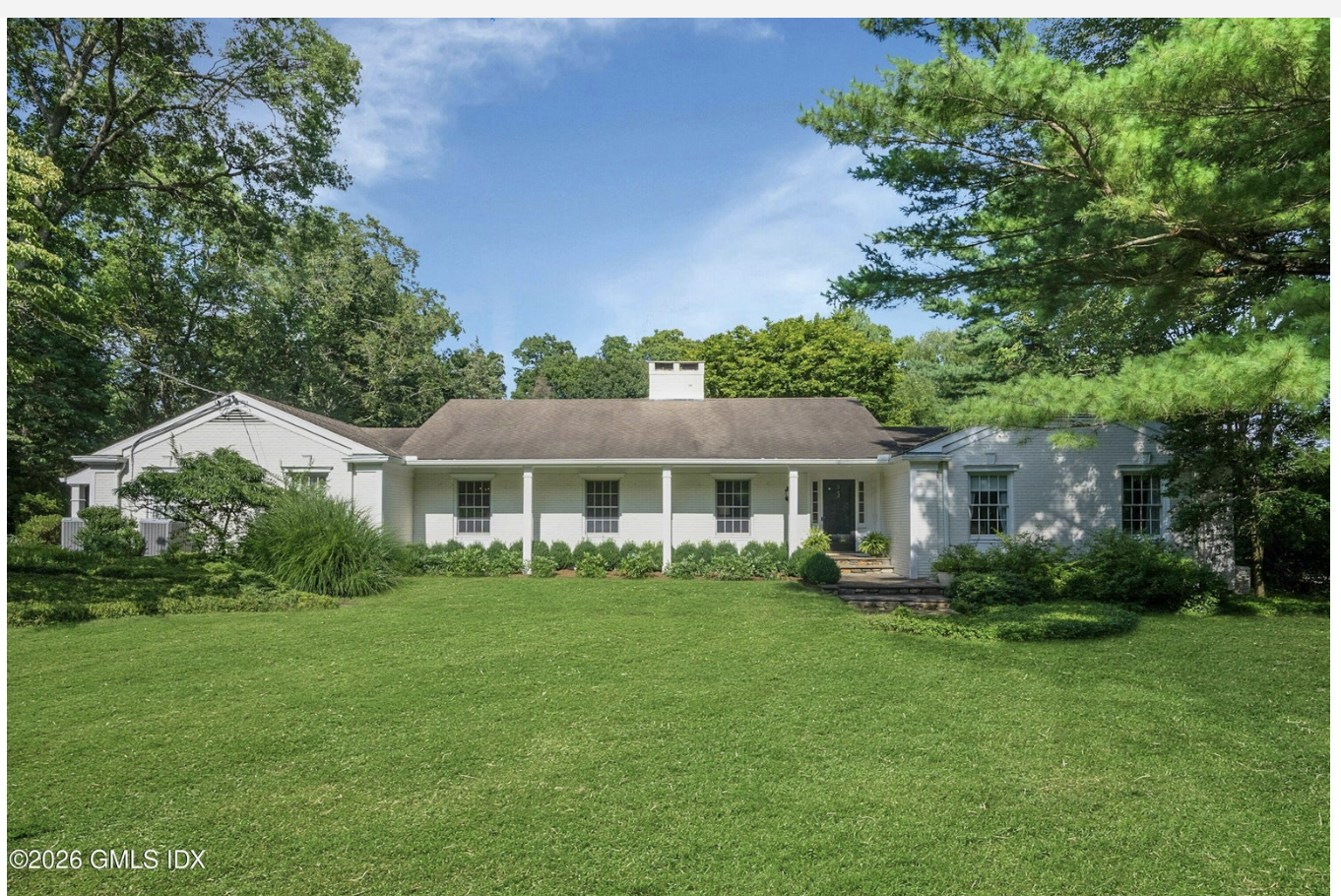
9 Old Forge Road, 1967 ranch but nicely kept up to date, initially priced at $3.250 but went via “final and best”, so … more.

Oh, my aching back
Kamala Harris unveiled a new blaccent at an NAACP event in Detroit tonight
— End Wokeness (@EndWokeness) September 23, 2026
This pretty much confirms it
She's running in 2028 pic.twitter.com/7h1yjT0wIl
This bit of nonsense appeared in a Quora post in my email and I found it both amusing and illustrative of how some house sellers determine the value of their residence. Realtors can and do make mistakes valuing a house, but a homeowner who not only claims that the agents are wrong but the market is too, is … foolish.
If a realtor tells me my house is worth 380k and Zillow says 440k, who do I believe?
We bought a $600k home and had to sell a few years later. The love we put in the home should have made it $800k. But because it was a job relocation, we must have 2 agents come to provide an estimate, and both priced it at $650k. I reviewed all the comps, and thought that it was too low, and buyers would think something must be wrong with the house to be priced that low.
The house was 30 years old, but was built by a home builder who built 3 houses at most a year. Every inch of the house was crafted with fine details. The living room was paneled with fine wood panels with so much details that it was amazing. We had a pool that we kept up all the equipment (mostly new.)
Well, we had to go with their pricing, and the house did NOT sell. In the meantime, another similar house in neighborhood sold for $850k in 2 weeks. Ours sat there for almost 3 months. (Told you so!) With the relocation, the company had to buy the house from us and then sell it on their own. They eventually sold it, but I was upset they didn't listen to me, and we lost out on almost $200k. But since we didn't have to pay commission and basically broke even from our purchase price, we only “lost the time and money” we spent on all the updates.
We have bought and sold so many houses for ourselves that I have become somewhat good at valuing our house based on comps. I still stand by my estimate of that house.
Owner “knew” value was $800,000
Two different realtors came to same estimated value: $650,000
Listed at $650,000
Didn’t sell “because it was priced too low”
A “similar” house in the neighborhood sold for $850,000
His sold, eventually, for (sounds like) something slightly less than $650,000
His Conclusion:
He “lost out” on almost $200,000
My Conclusion:
The market and the realtors were right: the house was worth around $650,000, and probably sold for even less than that because it was a stale listing.
Houses don’t sell if they’re priced too high. It’s possible that somewhere, some time in the history of the world, a house has failed to sell because it was priced too low, but I’ve never seen or heard of it happening.
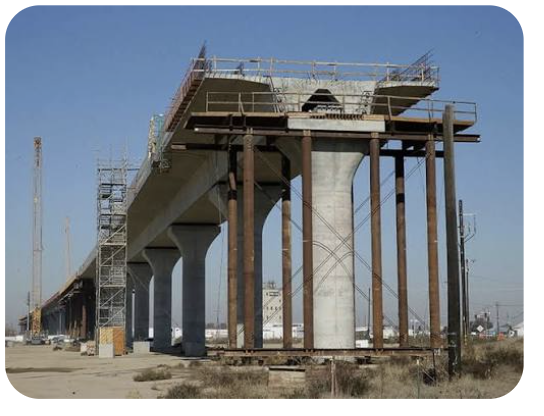
GO AWAY: California Wants to Write America’s AI Rules.
The order cites the need for more stringent regulation following the Hugging Face attack and industry leaders’ call to action. It also accelerates the implementation of Senate Bill 813 and Assembly Bill 1405, which create a state framework for certifying and registering independent AI auditors but do not require developers to submit to audits.
The announcement describes California’s AI framework as a “guidebook for the nation.” Adam Thierer, a senior fellow at the R Street Institute, sees it differently.
“It’s not a guidebook,” he tells Reason. “It’s a rule book.”
AI systems transcend state borders, and given California’s outsized role in the market, working around its laws is hardly an option; therefore, California law effectively becomes the national standard. This phenomenon is known as the “California effect,” and it has reared its ugly head in labor and environmental policy.
Green: “The last thing we need is a one-party kleptocracy that can’t even build a railroad writing regulations for the entire country on bleeding-edge tech.”
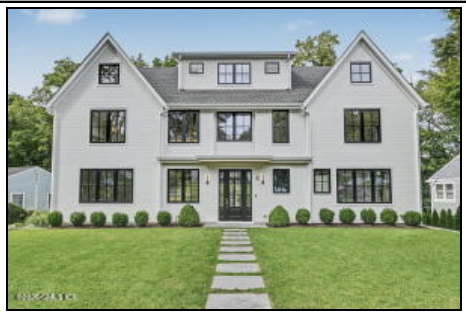
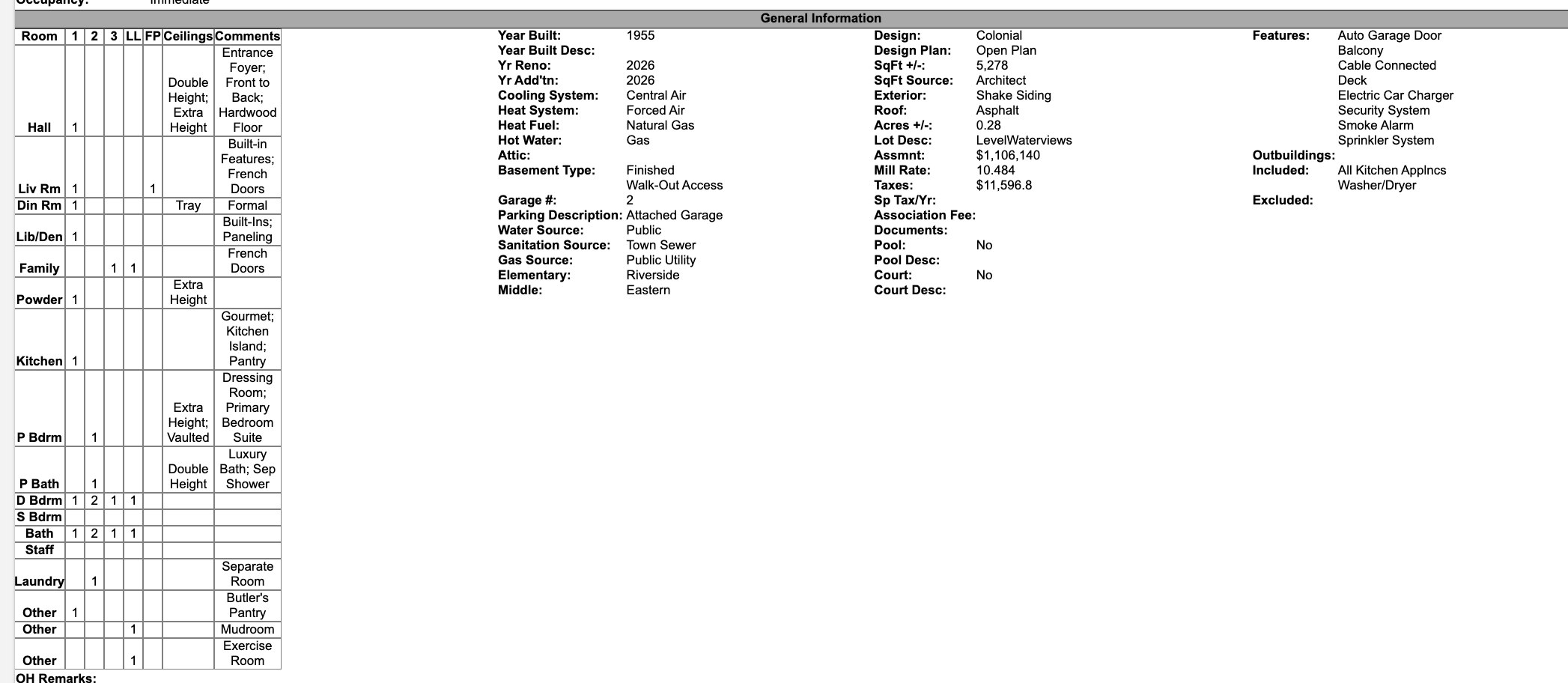
It’s not yet up on the internet — check in a few minutes or so —, but 8 Somerset Lane (off Buxton) has been listed at $5.295 million. The original 1955 house was sold to this owner/builder for $1.850 million in June 2025, and he’s rebuilt it, expanding it from 1,850 sq.ft. to 5,286.
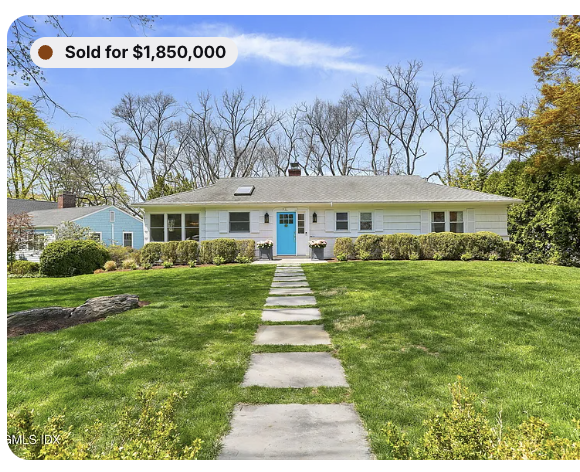
GMLS data for the current listing:
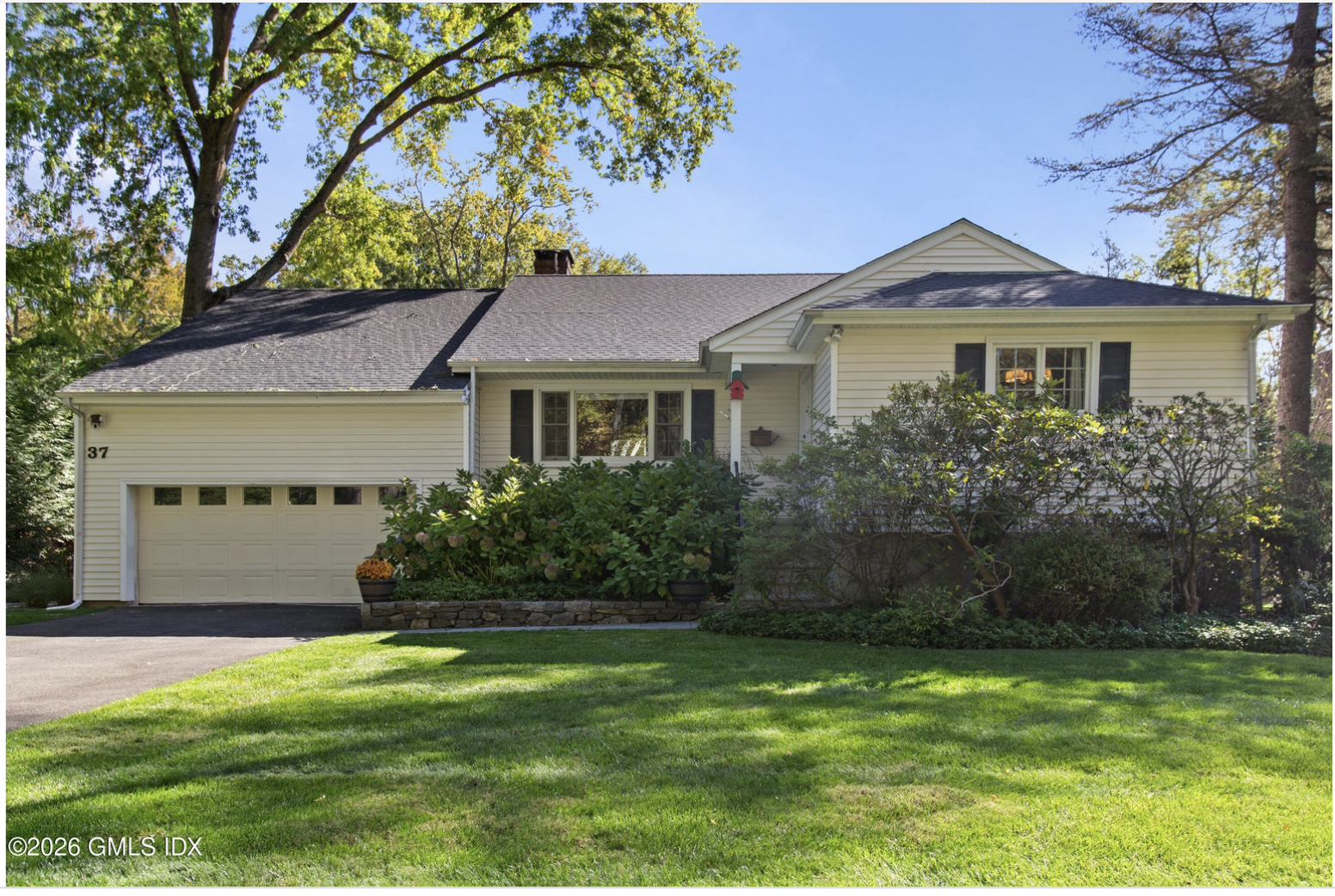
37 Midbrook Lane (north of the Village, south of the Post Road) $2.995 million. 1962 split-level purchased for $1.549 million in December 2024 and subsequently spiffed up. It’s in the AE floor zone, but I believe all of this development is, and no one’s floated away yet.
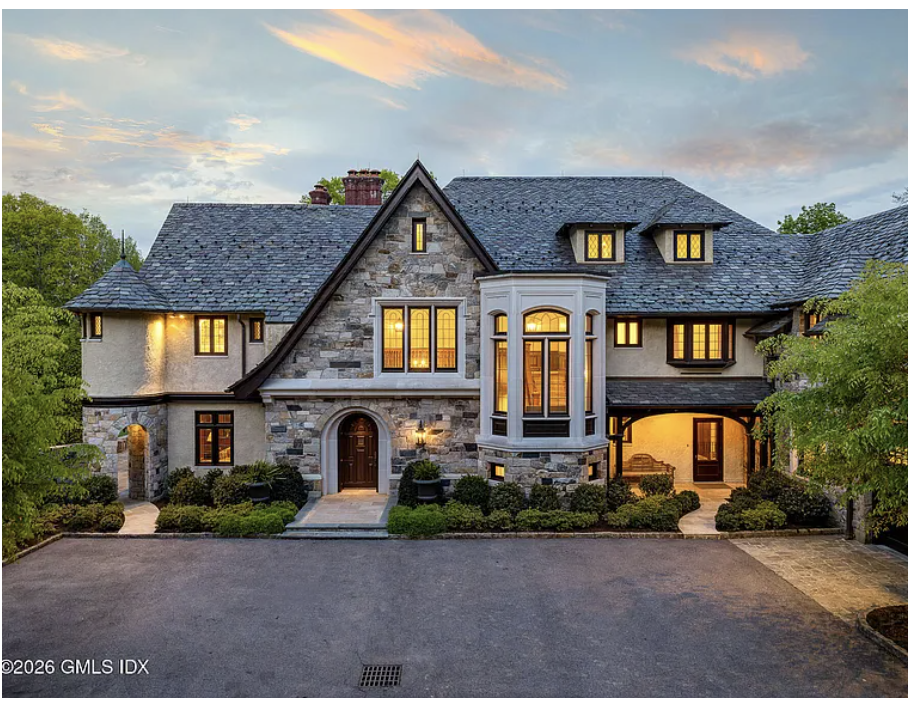
19 Khakum Drive, guide price $17.995 million, under contract after a full 127 days on the market, showing evidence that the market is slowing down dramatically. 2001 construction, six acres, and a claimed 15,217 square feet; the tax card says 9,822 sq.ft., so the larger number probably includes the 7-car garage, maid’s cottage, and pickleball warming hut.

In fact, Gideon kicks off his Greenwich Real Estate show at about 10:08, so tune in then, but I’ll be on starting at 10:32, content to develop as we converse.
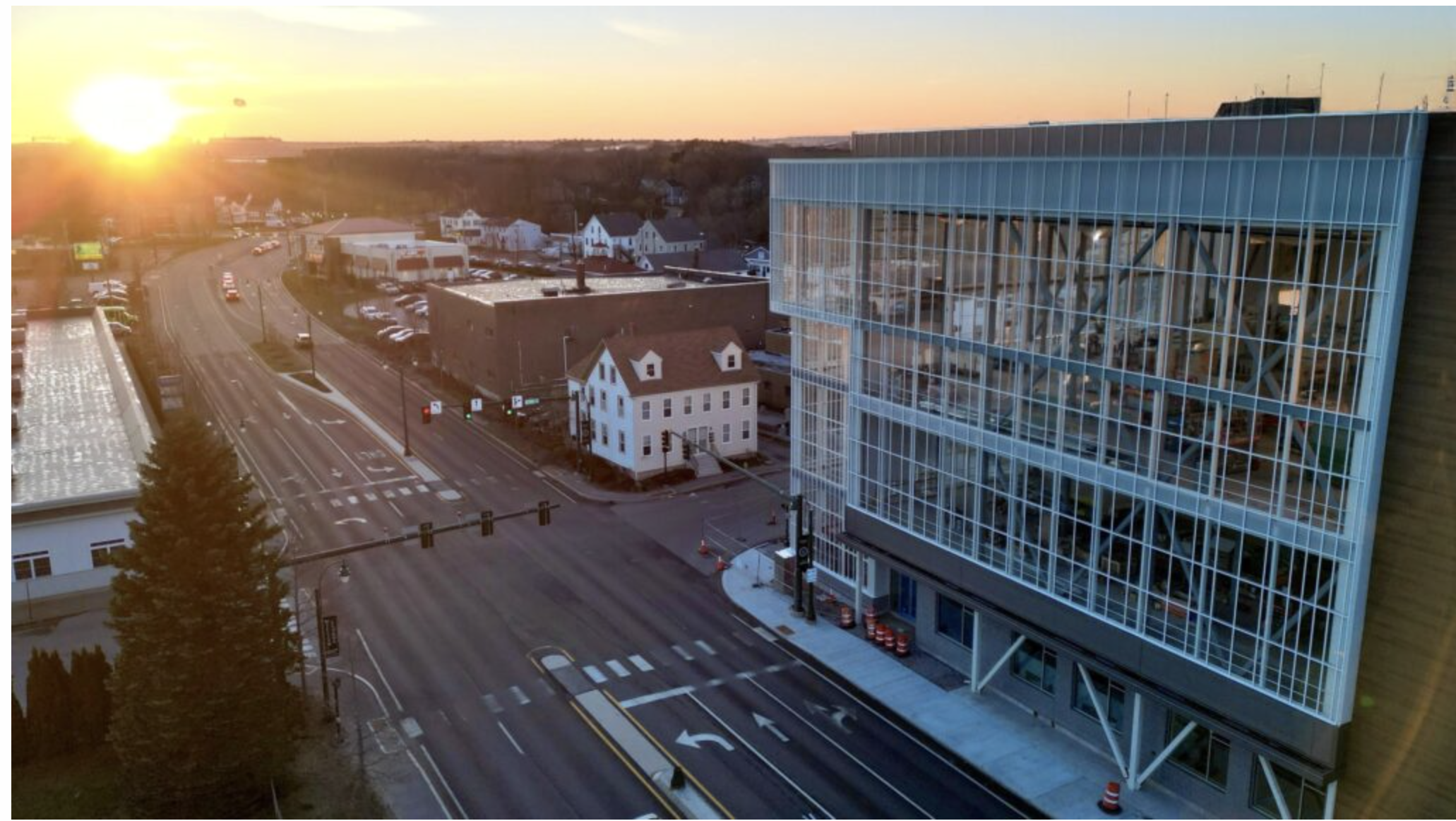
vertical fraud
So, we were talking about Maine’s “Green Energy” initiatives the other day, and that prompted a response from a reader who’s been enjoying the benefits of that scheme. Just for fun, I’m including a related story that’s making the news this week, on an ongoing federal/state-funded scam. First, the reader:
Sidebar to your blog post about Maine residents putting their money where their mouths are...
My wife and I own a cottage in a large development in Wells. A few years ago, to fund green energy initiatives, The state regulators and CMP decided one source of revenue could be the "monthly meter fee". Their brilliant plan was to raise it from $20 per month to $200 per month, on commercial properties only. I assume the whole thing would have gone down in flames if they tried that with residential properties. Our residential development is deemed commercial, for reasons unimportant to this tale. We also have a total of 24 meters. So our association's cost went from $480 per month to $4,800 per month. THAT should fund an EV charger or two! Way to go, Maine. Letters to state legislators asking for relief have gone unanswered.
Cheers,
"A Reader Up North"
And on a larger scale, there’s this report from The Maine Wire. Small beans, perhaps, but multiply these boondoggles across 50 states, add in USDAID projects across the world, instructing Afghan men on women’s rights, funding Peruvian transvestite dance groups and such, and pretty soon you’re talking real money.
The “urban farm” received tens of millions of dollars in taxpayer funding, both from the Biden Administration and from the State of Maine, with Maine Gov. Janet Mills even visiting the alleged salad producer for a photo op.
At the time, we peeped through the windows to see millions of dollars in equipment sitting idle, with maybe one or two bags worth of microgreens growing.
We reported with much irony that Vertical Harvest CEO Nona Yehia told me the fantastic contraption would be “churning out salad at close to full capacity by the end of the year.”
“The facility is currently churning out salad at a limited capacity,” Yehia said.
In April Jon Fetherston and I visited the offices of the much-ballyhooed “Vertical Harvest” to find a ghost town, unpaid taxes, and barely a bag of micro greens.
The “urban farm” received tens of millions of dollars in taxpayer funding, both from the Biden Administration and from the State of Maine, with Maine Gov. Janet Mills even visiting the alleged salad producer for a photo op.
Fast-forward to today: Vertical Harvest is facing foreclosure on one of the many “green” loans from the government.
An $88 million hydroponic farming project in downtown Westbrook that received tens of millions of dollars in federally backed financing, state loans and other public support is now facing foreclosure over an approximately $8.6 million clean-energy financing agreement, adding another serious financial challenge to a project the Maine Wire previously reported was operating well below its projected capacity.
The Portland Press Herald reported Monday that Foundation Infrastructure Debt Fund I LP filed a foreclosure action last month against Vertical Harvest Maine L3C involving the company’s facility at 5 Vertical Way.
According to court records cited by the Press Herald, the foreclosure stems from a Commercial Property Assessed Clean Energy, or C-PACE, financing agreement originally entered into in December 2023 between Vertical Harvest, the City of Westbrook and Greenworks Lending LLC.
The financing initially totaled roughly $8.25 million and was structured over 22 years at a 12 percent annual interest rate, according to the Press Herald’s reporting. Greenworks later transferred its interest in the financing to Foundation Infrastructure Debt Fund, and the total financing amount was subsequently revised to approximately $8.66 million. The interest rate is scheduled to rise to 18 percent in 2028.
Efficiency Maine has previously identified Vertical Harvest as Maine’s first approved C-PACE project, saying the program facilitated more than $8 million in financing for the Westbrook facility.
The foreclosure action seeks to enforce the C-PACE lien against Vertical Harvest’s leasehold interest and improvements at the downtown property. Vertical Harvest does not own the underlying land outright.
The foreclosure action adds yet another obstacle to the Westbrook farm ever becoming a viable agricultural concern — in addition to the other mathematically insurmountable obstacles.
In our original report, we revealed that Yehia had previously entered into a financial arrangement, separate from the C-PACE agreement, the Westbrook financing, the FAME financing, and the federal financing, in which it agreed to pay massive interest to the Canadian broker who helped secure the federal windfall.
The broker subsequently sued Vertical Harvest alleging fraud.
According to the complaint, Vertical Harvest was unable to pay a two percent brokerage fee—$975,000—when the nearly $49 million federal loan closed in April 2024. Instead, the company scraped together just $75,000 at closing and deferred the remaining $900,000 into a highly punitive subordinated note.
Under that agreement with broker Waterside Commercial Finance, Vertical Harvest’s debt doubled to $1.8 million by month eight and continues to accrue a 25 percent annual default interest rate.
Depending on how the subordinated note calculates interest, Vertical Harvest’s obligation to its broker is increasing anywhere from $37,500 to $39,000 per month.
That’s a lot of salad!
Operating at 2% capacity, 6 employees
AI Overview
Vertical Harvest in Westbrook, Maine, is a four-story, 70,000-square-foot hydroponic vertical farm and mixed-use development located at Mechanic Street and William Clarke Drive, designed to produce millions of pounds of fresh produce year-round and champion inclusive employment.
🗓 📅 Chronological History
2010–2016: Company founded in Jackson, Wyoming; opened first flagship vertical farm.
Mid-2020: Project announced for downtown Westbrook by CEO Nona Yehia and co-founder Caroline Estay.
Mid-2022: Ground broke on the Mechanic Street site with local leaders like Mayor Mike Foley.
2023–2025: Steel framing and vaulted glass completed; facility prepared for hydroponic installation and first crops.
💡 📌 Background & Mission
Social Impact:
Employs individuals with intellectual and physical disabilities.
Targets 40% to 50% inclusive workforce representation.
(“While the company aims to have 40 percent of its workforce identify as having physical or intellectual disabilities, Yehia confirmed that during this current limited ramp-up phase, the Westbrook facility employs only two people who meet that criteria.”)
Agricultural Tech:
Soil-less hydroponic growing systems.
Yields greens and microgreens 365 days a year.

Be notified of new posts! Sign-up here:
Want to comment without registering?