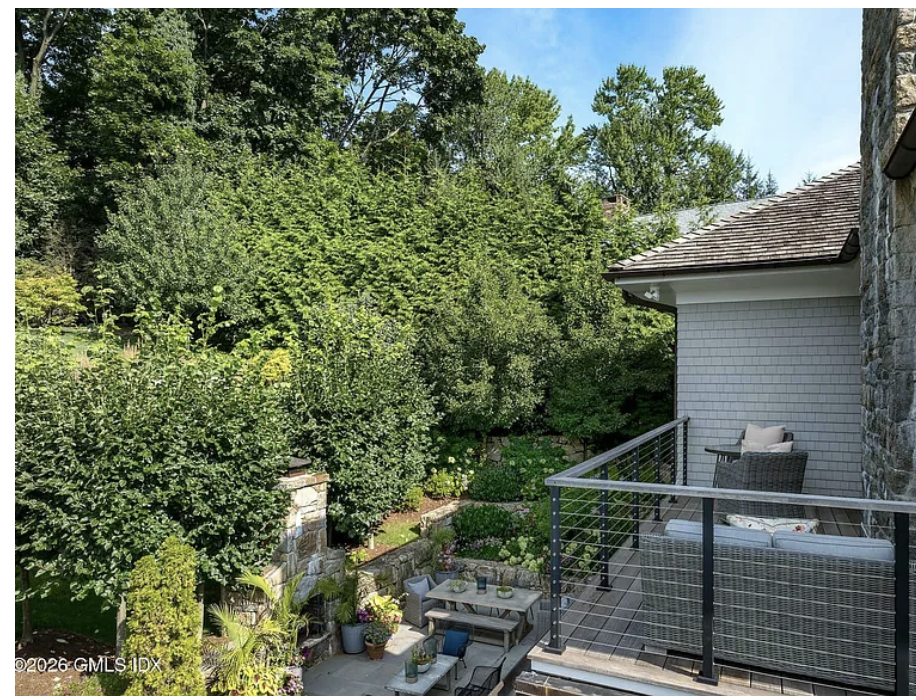
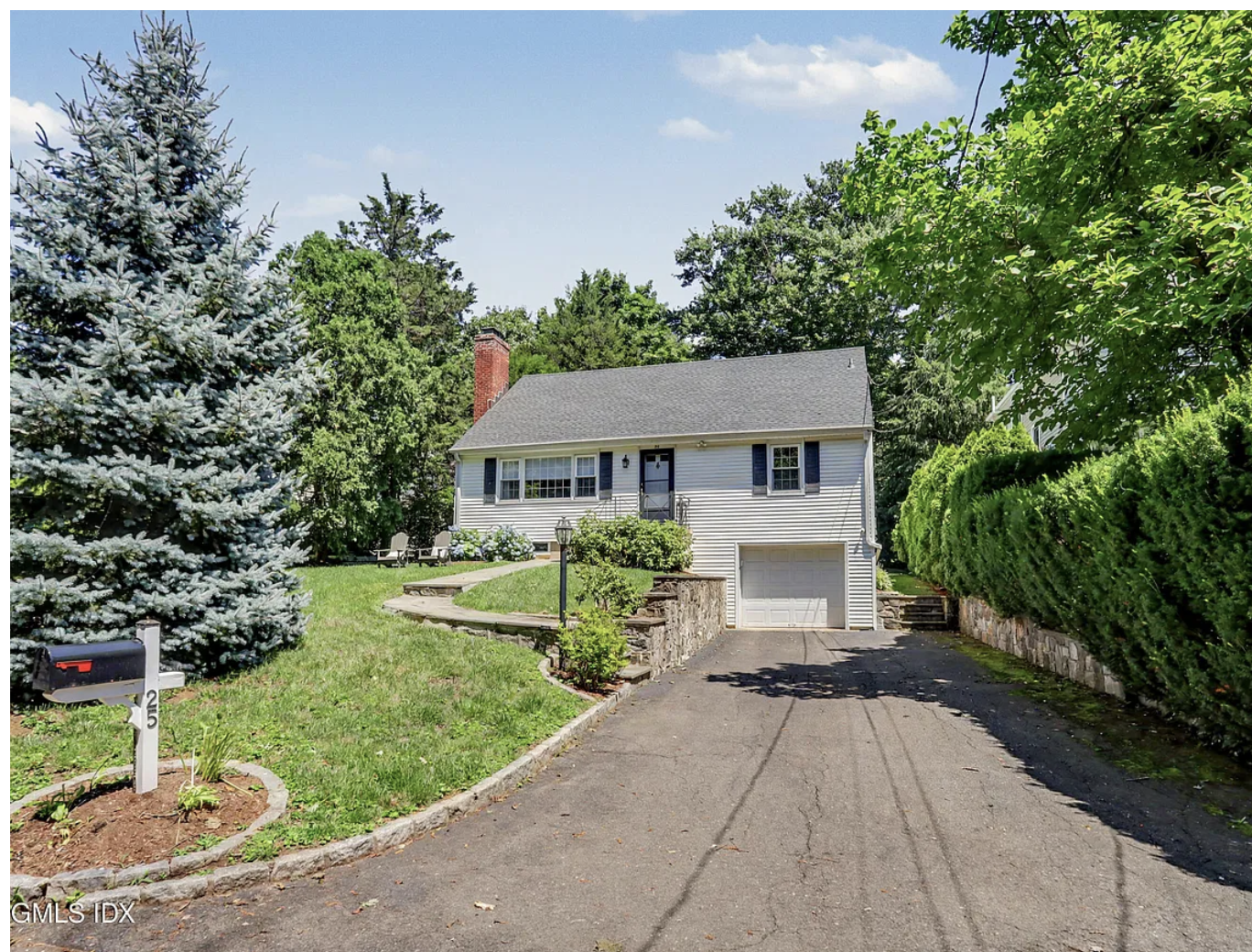
While this one enjoys only seasonal glimpses of I-95, the year-round traffic noise is certain to provide sufficient ambience

5 Bayside Terrace, Riverside, asked $1.999,000, sold Friday at $2.355 million. They’ve taken down the pictures, but this disclaimer in its listing should serve just as well:

Washer is inoperable. Stove is nonfunctional. All appliances, including refrigerator, dishwasher, washer, and dryer, are conveyed in current condition. Central A/C is operational but conveyed as-is. Property is being sold strictly ''AS IS''; seller will make no repairs or provide credits for appliances, systems, or property condition.

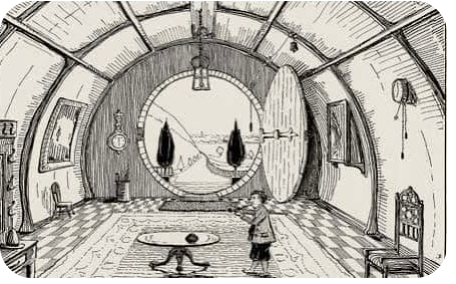
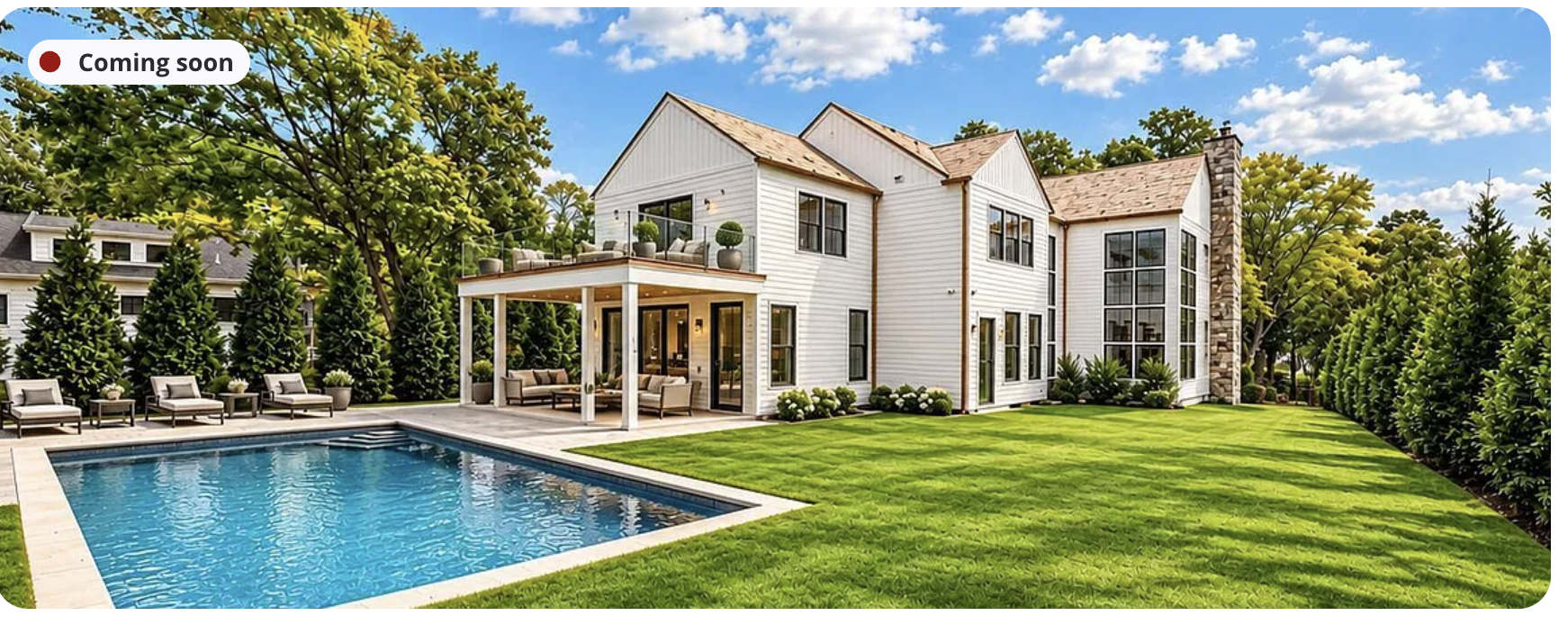
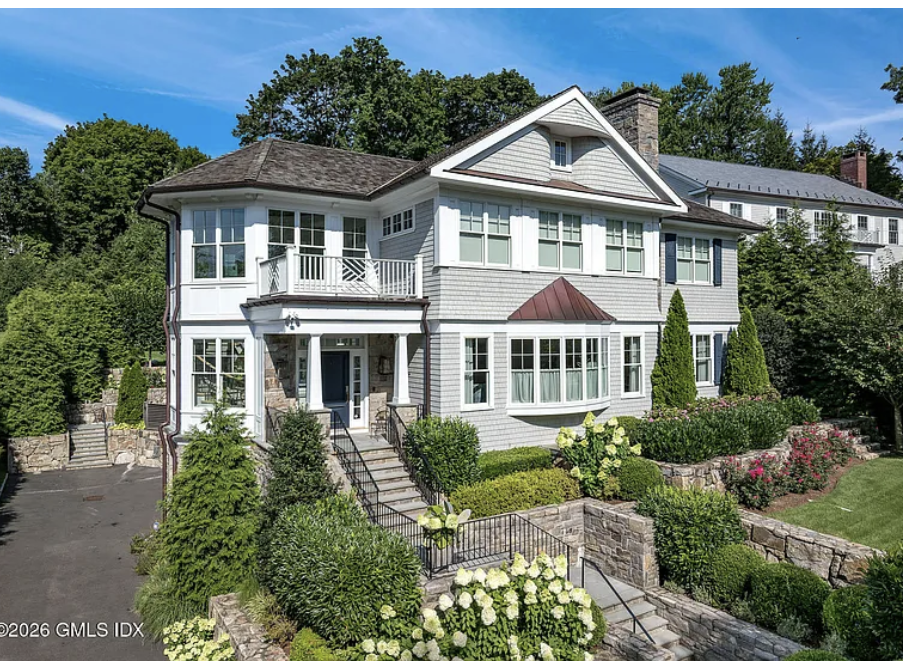
Bidding war for home with a view

(Enhanced photo because it annoys gideon when i exaggerate, a little, Intervale’s and shore road’s proximity to Grass Island)

16 Intervale Place, perched high above and a bit down the street (and the wind) from our Grass Island sewage plant was listed at $3.2 million and has sold for $3.5. The owners tried for $2.550 million in 2024 but when they couldn’t find a buyer they decided to rent it out for a year and try again. That worked out well for them.

Why not try banning murder, first? And then prohibiting teens from possessing guns and RPGs? Oh, wait a minute ….

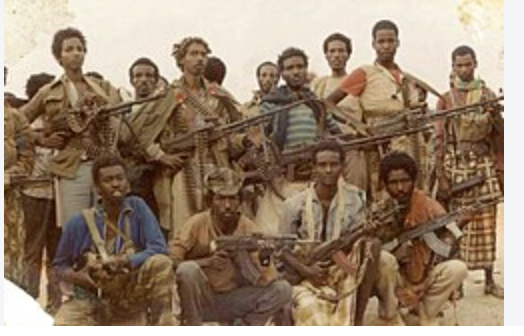
Somalian high school graduation class of 2026

Nice Try, but the Solution to Somali Gang Violence Is Not the Destruction of the Second Amendment

After blaming the rising Somali gang violence on American culture and the fact that we just haven't forked over enough welfare money to those "hardworking" Somalians in Minnesota (85 percent of whom are on welfare), the mayor of St. Louis Park, Nadia Mohamed gets to what the Left ultimately wants: banning guns.

"Without making it all about Somalis and how Somali gangs and Somali this and Somali that. Again, a crime is a crime," Mohamed said. "But what the rhetoric that you are pushing at best is irresponsible, at worst is dangerous."

Why is the truth dangerous? Somalis in Minnesota are responsible for $9 billion in welfare fraud, gang violence, rape, and cultural decay. That's neither irresponsible nor dangerous.

Ignoring it, on the other hand, is.

"So you may be wondering, hey, mayor, how can we solve this, then?" she continued. "How can we have conversation that are effective, that can actually get something done? And the answer is easy: ban guns. How are these 14-year-olds, 15-year-olds, 16-year-olds getting access to guns? Like, we are reeling year after year ... month after month, shooting after shooting. It is not good enough to point fingers anymore. To pick on a community that's already reeling from previous rhetoric, anti-Somali rhetoric, is low hanging fruit."

Blame “American culture” for these criminals and clan warriors, eh? You mean this was behavior learned here by otherwise honest pacifists from the Dark Continent? Hmmm.

Somalia: Endless War:

AI Overview

Major Milestones in Clan/Civil Warfare

  • 1978–1991 (The Armed Rebellion): Following the disastrous 1977–1978 Ogaden War against Ethiopia, armed opposition groups organized largely along clan lines:

    • SSDF (Somali Salvation Democratic Front, largely Majerteen/Darood)

    • SNM (Somali National Movement, largely Isaaq in the northwest/Somaliland)

    • USC (United Somali Congress, largely Hawiye in the south/Mogadishu) [1, 2, 3]

  • 1991 (State Collapse and Burbur): The overthrow of Siad Barre in January 1991 led to the total collapse of the central government. The period from late 1991 to 1992—known as Burbur (catastrophe)—saw intense clan-based warfare, mass displacement, urban asset-stripping, and a devastating man-made famine. [1, 2, 3]

  • Evolution of Factions and States (1990s–2000s):

    • Regions broke away or formed autonomous administrations along clan majorities, such as the self-declared republic of Somaliland (Isaaq-dominated) in 1991 and Puntland (Darood/Majerteen-dominated) in 1998.

    • Militia groups and shifting coalitions (such as the Supreme Islamic Courts Union and later extremist groups like Al-Shabaab) exploited or fought against clan-based power structures.

  • Recent Clashes: Inter-clan and sub-clan feuds continue to flare up over local political representation, blood feuds, and land rights—documented extensively in regional mapping by organizations like the ACAPS Crisis Analysis and the European Union Agency for Asylum. [1, 2]

And this:

Corruption in Somlia:

AI Overview

Somalia is consistently ranked among the most corrupt countries in the world, scoring 9 out of 100 on Transparency International's Corruption Perceptions Index and tying with South Sudan for the lowest ranking globally. [1, 2]

Key Aspects of Corruption in Somalia

  • Global Index Ranking: Somalia ranks 181st out of 182 countries evaluated on the latest Corruption Perceptions Index. [1]

  • Systemic Drivers: Decades of state collapse, armed conflict, weak governance, and a lack of administrative capacity fuel widespread graft. [1, 2]

  • Clan-Based Patronage: Political appointments, public sector employment, and business contracts are heavily driven by informal clan loyalties and favoritism rather than merit. [1, 2]

  • Aid and Public Fund Diversion: Large-scale diversion of government funds and international humanitarian assistance remains a critical issue that undermines national security and local stability. [1, 2]

  • Weak Enforcement: Although Somalia’s provisional constitution formally criminalizes bribery, embezzlement, and abuse of office, legal implementation and regulatory frameworks are virtually non-existent. [1, 2]

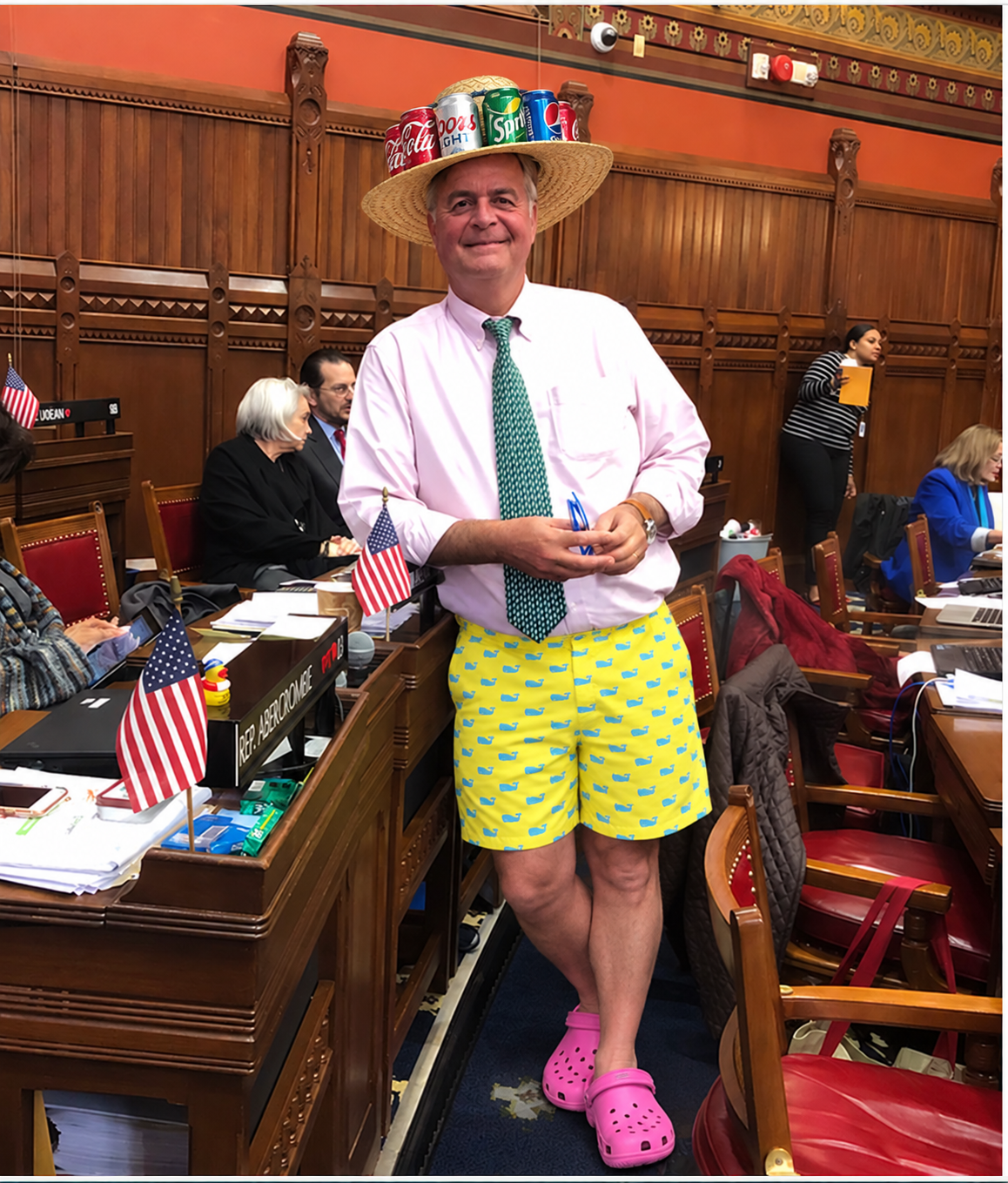
Stupid is as stupid does: “But, but, it showed our intentions were good!” Speaker of the CT House Matt Ritter

Speaker of the House matt, “Old Lodge Skins” ritter: “There is a pain between my ears.”

Billy and his NY gang have a tractor-trailer load of bottles they paid 5¢ apiece for; they can sell them to Jimmy in CT for 10¢. What will the gang do with their 5¢ bottles? You have 30 seconds.

Connecticut enacted a 10-cent redemption law a few years, ago leading to a surge in people returning cans and bottles. But redemption centers have found many of those recyclables were not originally purchased within the state, meaning beverage distributors are paying for the redemption of many more containers than they are selling.

The reality of being one of only three states in the nation with 10-cent deposits is prompting more lawmakers to think it might be time to go back to 5-cents until surrounding states, particularly New York and Massachusetts, agree to a single rate to discourage cross-border fraud.

But never mind that little poopy problem, this is still great news!

“This is a good moment for Connecticut because it shows our commitment to recycling, which has a lot of benefits,” Speaker of the House Matt Ritter, D-Hartford, said in a Wednesday phone interview … “I am as disappointed as anyone that we’re having these problems of cross-border fraud. It’s something I never anticipated.” 

Ritter said that while he envisioned 10-cent deposits as a windfall for Little League teams and scout troops, the reality is much-bigger. “It’s organized,” he said. “It’s become big business.” 

Matt and his fellow Hartford Yahoos may not have been able to grasp the concept of buy low, sell high, but plenty of other people could, did, and tried to warn them. “If it feels good, do it” is a common, and very stupid way to run a state or a federal government, yet it’s the most common foundation for many of our enacted laws and, especially, environmental matters.

About those warnings:

AI Overview

Connecticut increased its bottle redemption deposit from 5¢ to 10¢ in January, 2024

Yes, industry representatives and beverage distributors strongly warned lawmakers about out-of-state "Seinfeld"-style fraud before and during the rollout. [1, 2]

The Warning vs. Reality

  • The Warning: When the overhaul was being debated and finalized, the beverage industry and retail stakeholders pointed out the severe border risks. Because neighboring Massachusetts and New York only offer a 5¢ refund, and Rhode Island has no deposit program at all, critics warned that Connecticut would become an isolated 10¢ "island" in the Northeast. They argued it would create an irresistible incentive for people to collect 5¢ containers (or zero-deposit containers) out of state, drive them across the border, and cash them in for 10¢.

  • The Fallout: Lawmakers brushed past the warnings to encourage local recycling, but the industry's predictions came true almost immediately. By 2025, Connecticut's redemption rate mathematically skyrocketed to a staggering 97% (and spiked over 150% in certain border areas), meaning people were redeeming nearly as many—or more—bottles than were actually being sold in the state. [1, 2, 3, 4]

This massive influx of out-of-state plastic and aluminum left Connecticut beverage distributors and retailers swallowing $11.3 million in losses in 2025 alone, as they were forced to pay out dimes for deposits that were never collected at Connecticut cash registers. [1]

I know you’re wondering: Yes, Greenwich’s own, State Rep. Steven Meakers voted to raise the bottle deposit to 10¢.

“and now you know the rest of the story”

Then visions of dollars danced in her head

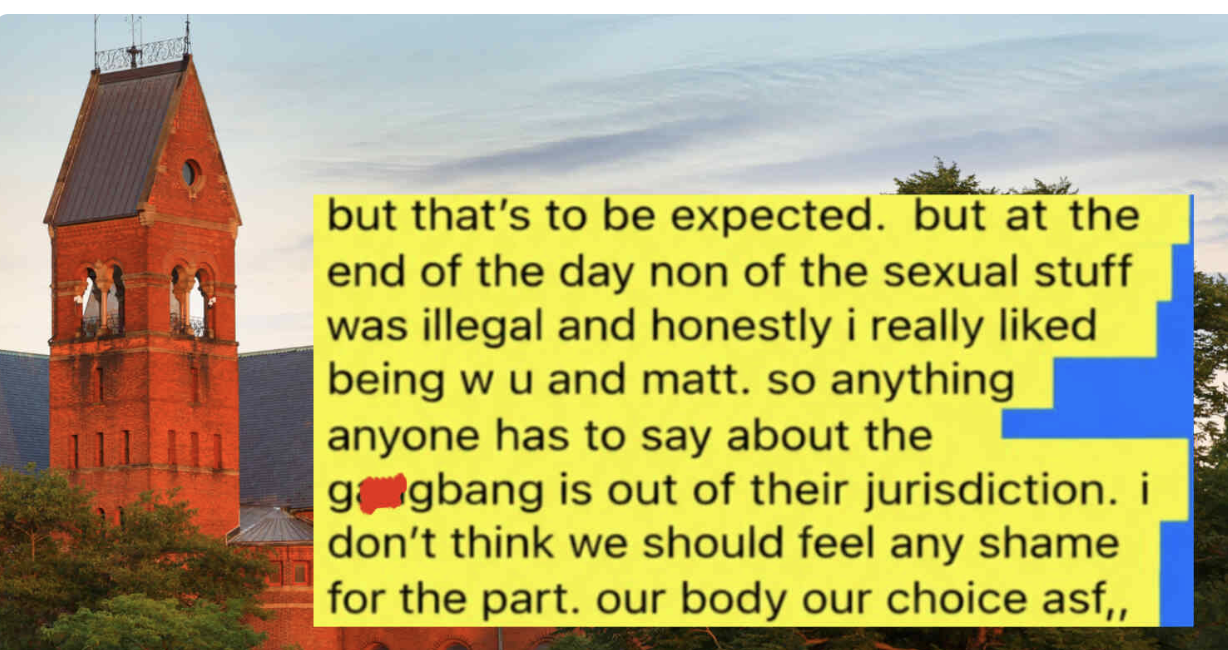
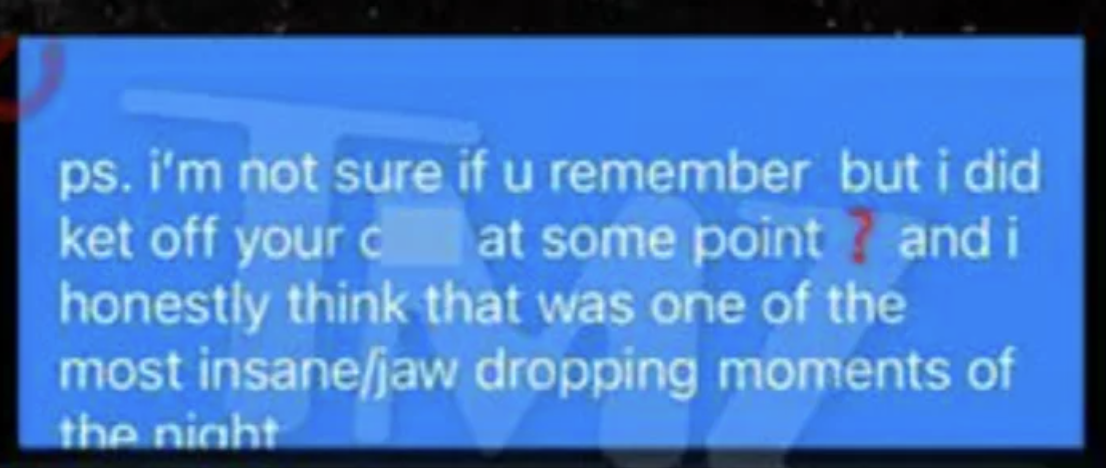
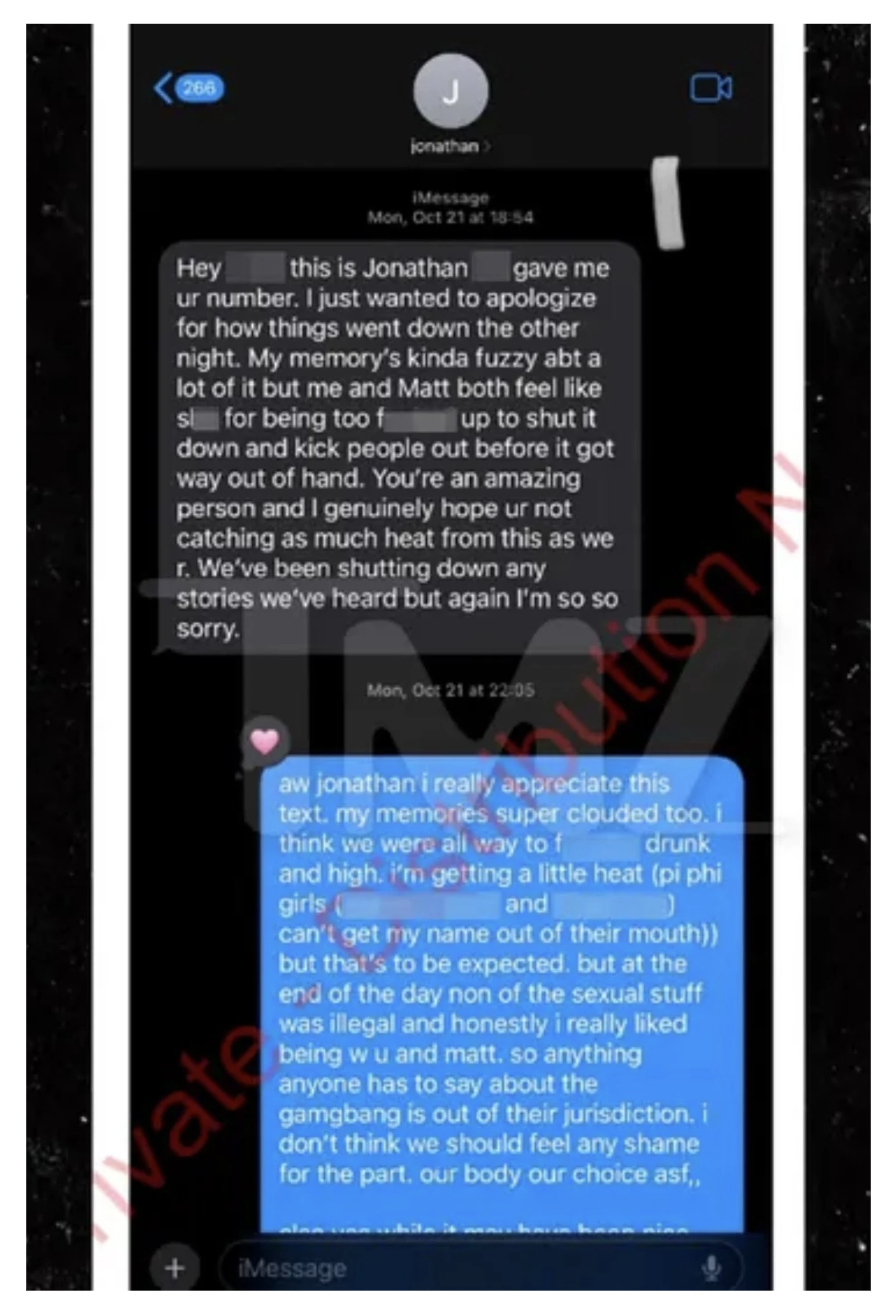
Then, as rumors of her (willingly) participating in a gangbang circulated on campus, she grew embarrassed:

I avoided fraternity boys when I was in college because I found them to be, mostly, juvenile, drunken louts, with little intellectual activity going on; college coeds might want to follow the same policy unless, of course, they want to go to all-night booze and drug gangbangs, as this young woman apparently did.

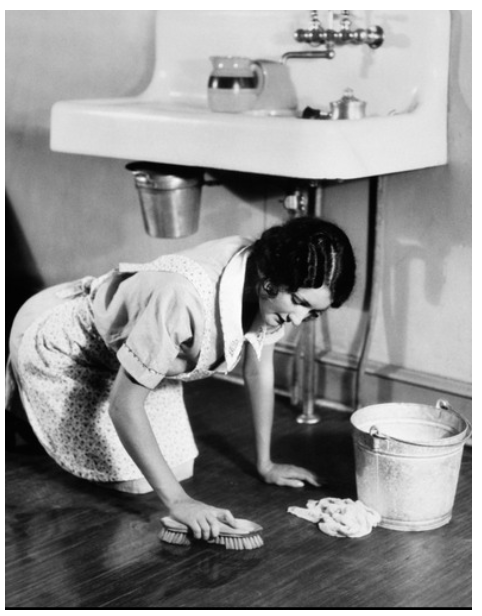
Okay, now compute the savings achieved by not having to provide them with public housing, medical care and educate their children, “birthright" and illegal alike

ah, for the good old days

Washington, DC – A new report from Economic Insights and Research Consulting finds that the Trump administration’s mass deportation agenda is undermining Social Security. With fewer immigrant workers paying into the system, the average retiree’s benefit could be cut by $2,152 a year, or 8.6 percent, starting in 2034 if current policies continue. The administration’s own Social Security Trustees cited lower immigration as one reason the trust fund’s depletion date moved up a year, to 2032.

The report also finds that the administration’s immigration policies are a major factor driving up the cost of groceries, homes, and eldercare while costing American workers jobs and weakening Medicare.

The findings add new evidence to America’s Voice’s “End the ICE Tax“ campaign. The “ICE Tax” is the price families pay when the government chooses mass deportation over their economic well-being, from this week’s grocery bill to tomorrow’s retirement check. 

Other key findings from the report include:

  • Groceries cost more. Since January 2025, grocery prices are up 3.4 percent overall, while apples are up 7.2 percent, canned vegetables 6.3 percent, and fresh whole milk 5.7 percent.

  • Homes cost more to build. In the five states most reliant on immigrant workers, building costs jumped 10.9 percent, nearly double the 5.8 percent rise elsewhere.

  • Eldercare is getting harder to afford. Home health care prices are up 16.7 percent and nursing home care 7.9 percent, compared to 3.3 percent for other goods and services.

  • American workers are losing jobs. By September 2025, immigration enforcement had already cost U.S.-born workers up to 297,000 jobs.

So without exploited sweat laborers to toil for them, Americans will have to pay decent wages to their fellow citizens? Whatever happened to the left’s [Chris Murphy, et al] demand for a universal “Living Wage”, which, if enacted, would erase the supposed savings we’re enjoying now?

Illegal aliens can bake our cakes and eat them, too, but at a cost.that’s never acknowledged by these “compassionate” socialists.

Three simple words took him from back of the pack to first at the finish line: "I'm a girl"

of course, ““I’m a bicyclist” would also work

Average Male Cross Country Runner Switches to Female Race, Takes First Place

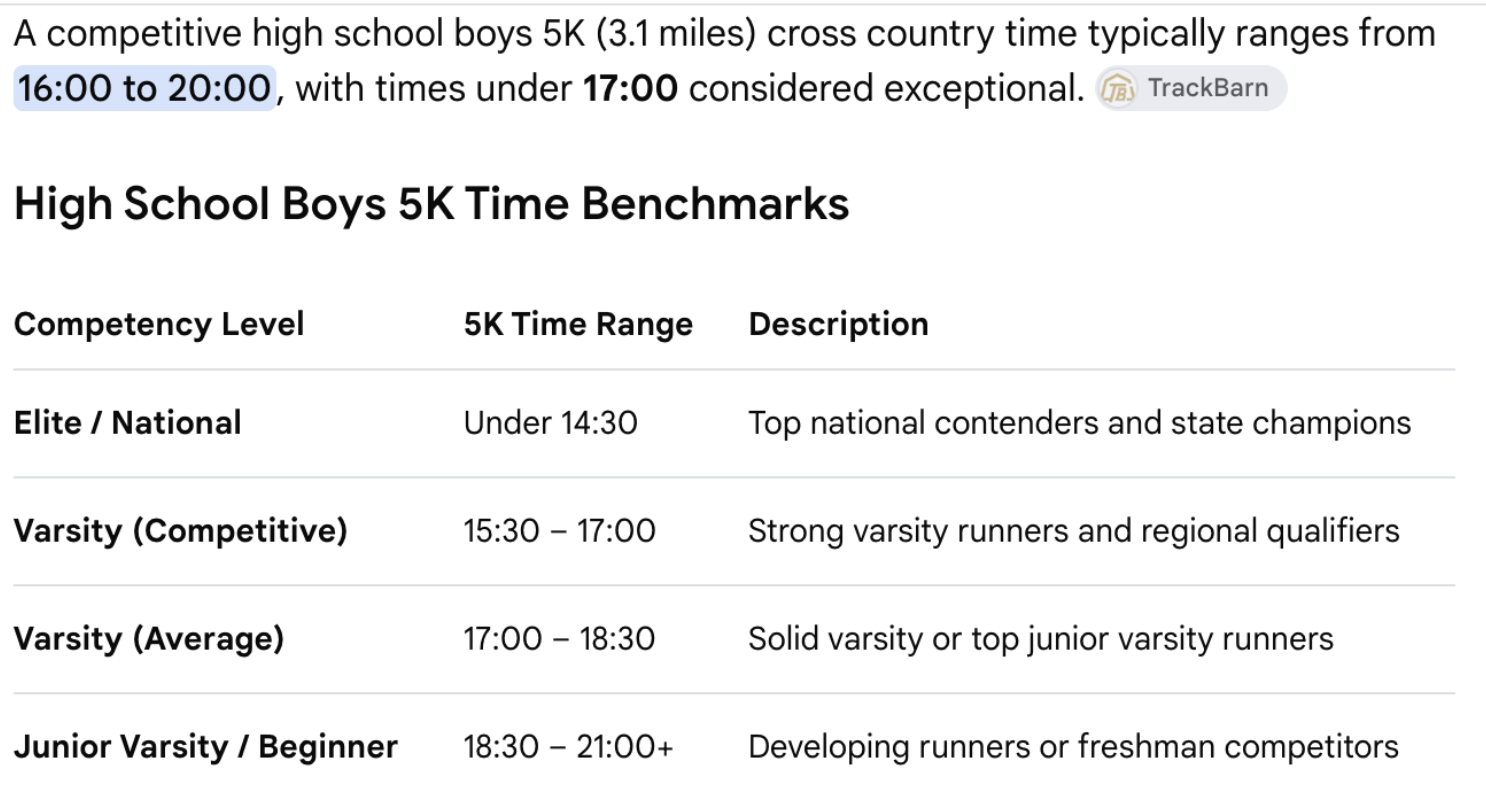
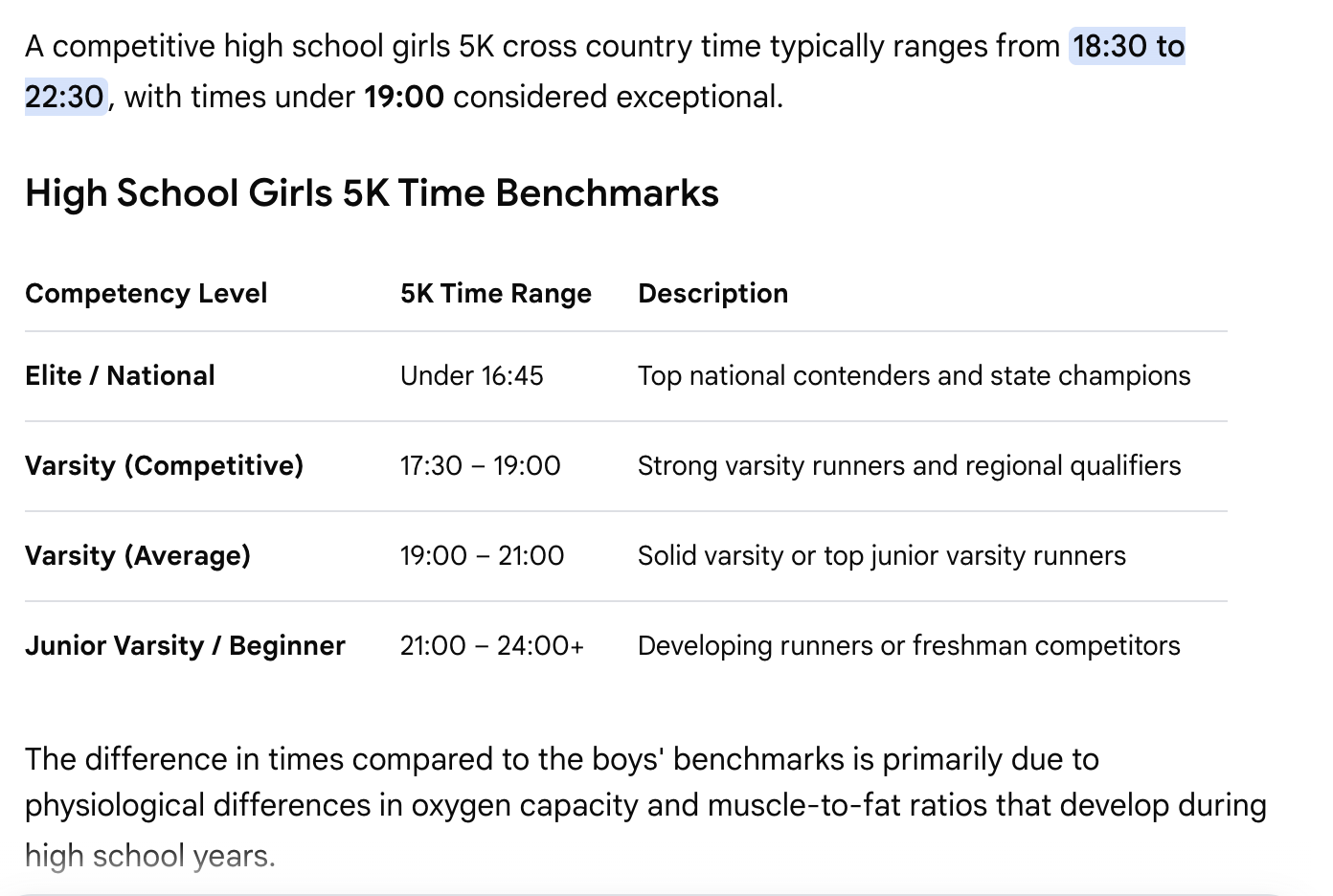
High school junior Logan Mihailoff ran a 5k race (just over 3 miles) on September 5, finishing 76th in the junior varsity race with a time of 23 minutes and 10 seconds. That is a decent pace for a male runner, but hardly elite level. (In contrast, the winner of the junior varsity race ran finished in 14 minutes and 28 seconds).*
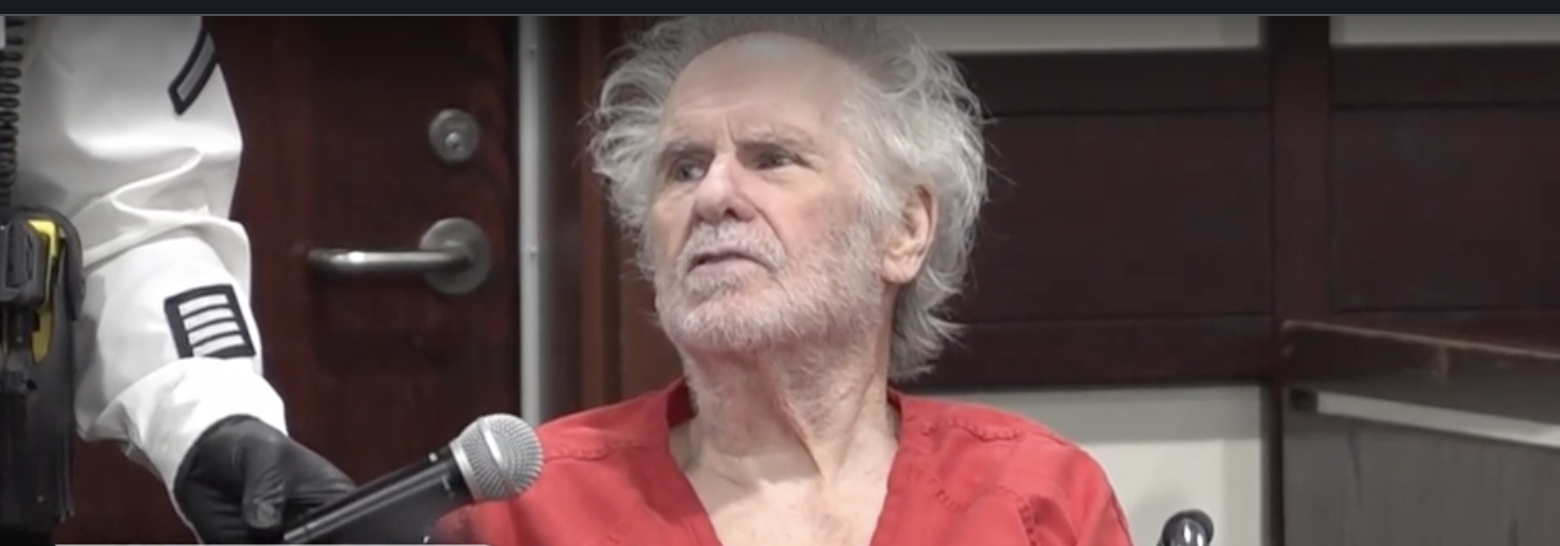
But then Mihailoff discovered the “Lia Thomas Trick” – say you are actually a woman and start beating up on female competitors.

A few weeks later, Milhailoff switched to the women’s JV race at the Nike Portland XC Invitational and finished in second place, with a time of 19 minutes and 16 seconds. By contrast, he would have finished around 137th place if he ran in the men’s JV race.

He wasn’t done with his stunning improvement, most of it driven by simply identifying as a male.

Again running as a woman, Milhailoff finished first place in a dual meet on Tuesday, Sept. 29.

*FWIW — context:

AI Overview